Year-Round Electrical Safety Checklist: What Metro Atlanta Homeowners Should Watch (and Fix) in 2026
Metro Atlanta homeowners face unique electrical challenges throughout the year: from summer storms that strain the grid to humidity that affects wiring, plus the added demand from HVAC systems working overtime. This isn't about scaring anyone; it's about giving you the knowledge to spot problems before they become expensive emergencies or safety hazards.
Your home's electrical system sends clear signals when something needs attention. Learning to recognize these warnings means you can address issues early, potentially saving thousands in repairs and keeping your family safe.
Monthly Electrical Panel Inspection
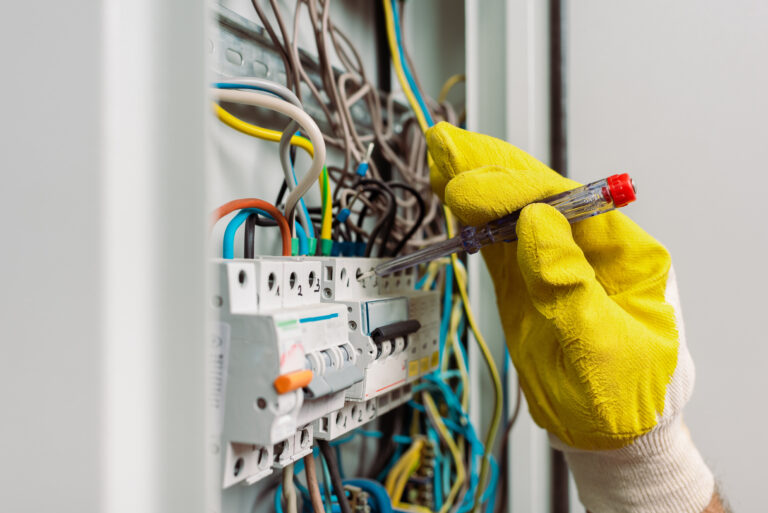
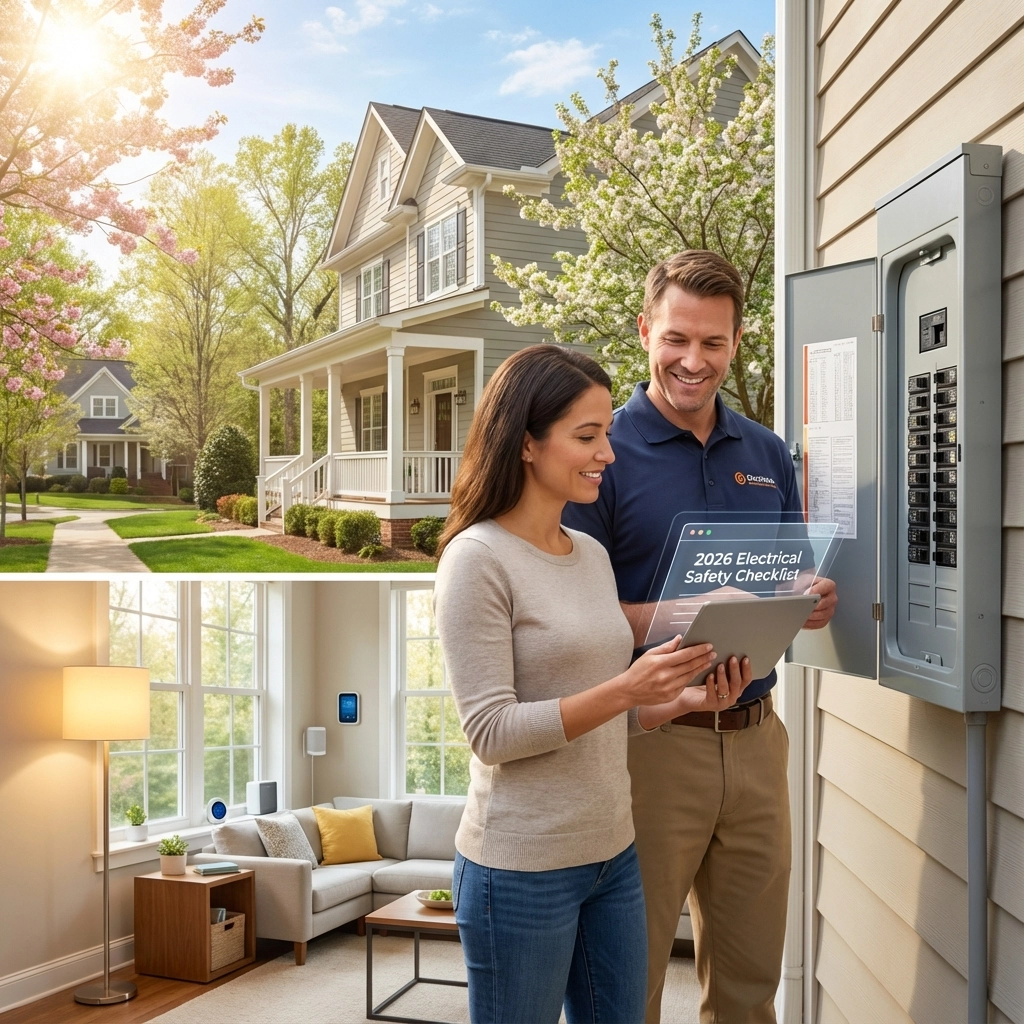
Your electrical panel is the heart of your home's electrical system, and it deserves monthly attention. Start by looking for obvious signs of trouble: rust, scorch marks, or any discoloration around breakers. These aren't normal wear patterns: they indicate heat buildup or moisture intrusion that needs immediate professional attention.
Check that all circuit breakers are properly labeled. If you can't tell which breaker controls what area of your home, that's a safety issue worth fixing. During power outages (common in Gwinnett County during storm season), you need to quickly identify the right circuits.

Look for breakers that feel warm or hot when you gently touch them. Circuit breakers should run cool to slightly warm, never hot. A hot breaker often means it's overloaded or failing internally. Similarly, if you notice breakers that trip frequently, that's your electrical system telling you something specific needs investigation.
Keep the area around your panel clear: Georgia electrical code requires at least three feet of clear space in front of panels. This isn't just regulation; it's practical safety for both you and any electrician who might need emergency access.
Outlet and Switch Safety Checks
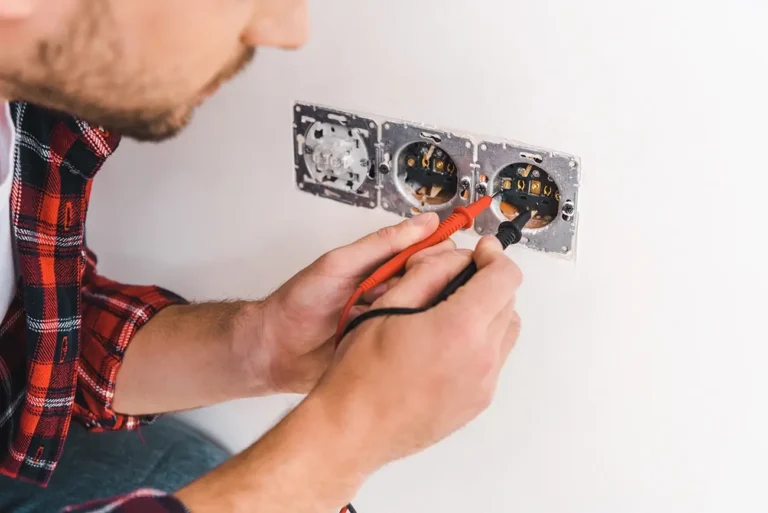
Every outlet and switch in your home should get attention during your monthly walkthrough. Warm or hot outlets are immediate red flags that require professional inspection. Normal outlets run cool, even under load. Heat indicates loose connections, overloaded circuits, or failing components.
Test every GFCI outlet monthly using the test and reset buttons. These special outlets protect you in bathrooms, kitchens, garages, and outdoor areas where water and electricity might meet. If a GFCI won't reset or trips immediately when tested, replace it promptly: it's no longer providing the protection it's designed for.
Check outlet covers and switch plates for cracks, burns, or discoloration. Brown or black marks around outlets often indicate arcing or overheating inside the wall. Don't ignore these visual cues; they're your early warning system.
For homes in older Metro Atlanta neighborhoods, pay special attention to outlets that lack GFCI protection in wet areas. Modern electrical code requirements mandate GFCI protection in many areas where older homes might not have it.
Seasonal Electrical Cord and Appliance Inspection
Georgia's humid climate is tough on electrical cords, so inspect all visible cords quarterly. Look for cracks in the insulation, frayed ends, or any exposed copper wire. Damaged cords aren't just inconvenient: they're fire hazards waiting for the right conditions.
Pay attention to how cords feel when you handle them. Cords should be flexible, not stiff or brittle. Atlanta's temperature swings can make cheaper cord materials deteriorate faster than expected.
Never ignore appliances that shock you, even lightly. That small zap indicates a grounding problem that could become dangerous. Unplug the appliance immediately and have it inspected before using it again.
Check that large appliances like washing machines, dryers, and HVAC units have dedicated circuits. These power-hungry devices should never share circuits with other high-draw appliances. If your lights dim when the air conditioner kicks on, that's a sign your electrical system might be undersized for your current needs.

Lighting and Electrical Fixture Maintenance
Examine light fixtures for signs of overheating: look for discolored sockets, brown marks around bulb bases, or fixtures that feel excessively hot during operation. These symptoms often indicate you're using bulbs with higher wattage than the fixture is designed to handle.
LED bulbs run much cooler than incandescent bulbs, but they still have maximum wattage ratings for fixtures. Using oversized bulbs creates heat that can damage wiring inside walls, where you can't see the problem developing.
For outdoor lighting, Georgia's weather means extra attention to weatherproofing. Check that outdoor fixtures have proper gaskets and that bulbs designed for outdoor use are actually installed. Outdoor lighting systems need regular maintenance to handle our climate extremes.
Safety Device Testing and Maintenance
Test smoke detectors monthly and replace batteries at least annually. Many Metro Atlanta homes interconnect smoke detectors, meaning when one detects smoke, all alarms sound throughout the house. Test this interconnection feature periodically to ensure it's working properly.
Carbon monoxide detectors deserve the same attention. Georgia's heating season means more risk of CO buildup from furnaces, water heaters, and other fuel-burning appliances. Place detectors outside sleeping areas and test them monthly.
Arc fault circuit interrupters (AFCIs) protect against electrical arcs that can start fires inside walls. These devices are required in most living areas of newer homes. Test AFCI breakers monthly using the test button on the breaker itself.
Weather-Related Electrical Considerations
Atlanta's severe weather season brings specific electrical challenges. Before storm season, inspect your home's grounding system and surge protection. Whole-house surge protectors guard against lightning-induced power surges that can damage electronics throughout your home.
Check outdoor outlets for proper weather protection covers. Standard outlet covers aren't sufficient for Georgia weather: you need weatherproof covers that seal completely when outlets aren't in use.

After severe weather, inspect visible wiring around your home's exterior. Look for damaged service entrance cables, loose connections at the meter, or any wiring that appears to have shifted or pulled away from attachment points.
When Professional Help Makes Sense
Some electrical problems require immediate professional attention. Call a licensed electrician if you notice:
- Burning smells without an obvious source
- Lights that flicker throughout the house (not just one room)
- Frequent circuit breaker trips that don't resolve by reducing load
- Any outlet or switch that sparks, even briefly
- Electrical shocks from appliances or fixtures
For homes built before 1990, consider having your electrical panel evaluated by a professional. Many older panels weren't designed for today's electrical loads and may need upgrading to handle modern appliances safely.
Creating Your Personal Electrical Safety Calendar
Set up monthly reminders to check different areas of your home. Week one: electrical panel and main areas. Week two: outlets and switches in bedrooms and living areas. Week three: kitchen, bathroom, and wet area safety devices. Week four: outdoor systems and seasonal considerations.
Keep a simple log of what you check and when. Note any changes or concerns, even minor ones. Patterns often reveal developing problems before they become emergencies.
Document electrical work with photos and receipts. When you eventually sell your home or need emergency electrical service, having records of maintenance and upgrades helps professionals quickly understand your system.
Regular electrical maintenance isn't complicated, but it does require consistency. Most electrical problems give plenty of warning before they become dangerous or expensive. By paying attention to these signals throughout 2026, you're investing in your family's safety and your home's value while potentially avoiding costly emergency repairs during the worst possible moments.