Your 2026 Home Electrical Maintenance Checklist: What Every Atlanta Homeowner Should Inspect & Schedule Year-Round
Living in Metro Atlanta means dealing with summer thunderstorms, high humidity, and an aging power grid that's under increasing strain. Your home's electrical system works harder here than in many other parts of the country, which is exactly why a year-round maintenance routine isn't just smart: it's essential for keeping your family safe and your lights on.
This isn't about scaring anyone. Most electrical problems give you plenty of warning signs before they become dangerous. The key is knowing what to look for and when to take action. Here's your complete 2026 maintenance checklist, broken down by what you can handle yourself and when it's time to call the professionals.
Monthly Safety Checks (15 Minutes That Could Save Your Home)
Test Your GFCI Outlets
Every GFCI outlet in your home should get tested monthly: this includes bathrooms, kitchens, garages, and outdoor areas. Press the "test" button, then the "reset" button. If the outlet doesn't shut off and restore power properly, it's not protecting you from electrical shock. Here's what that really means: a faulty GFCI could allow dangerous current to flow through water or wet conditions, creating a serious electrocution risk.
Walk Through Your Electrical Panel
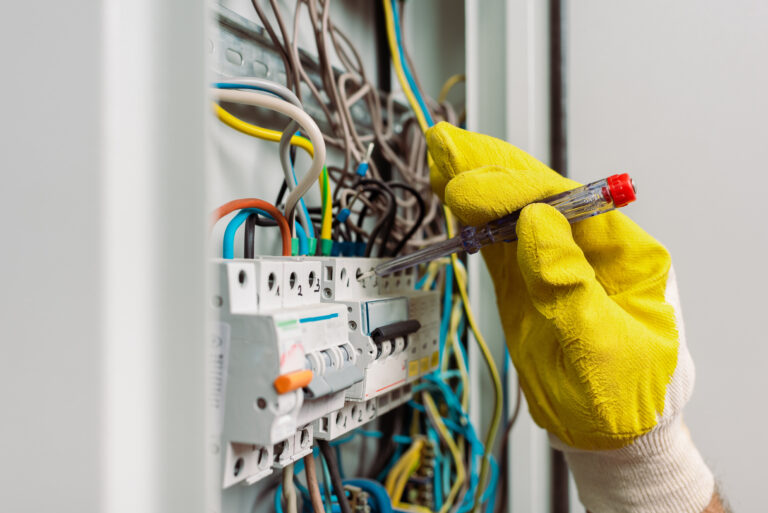
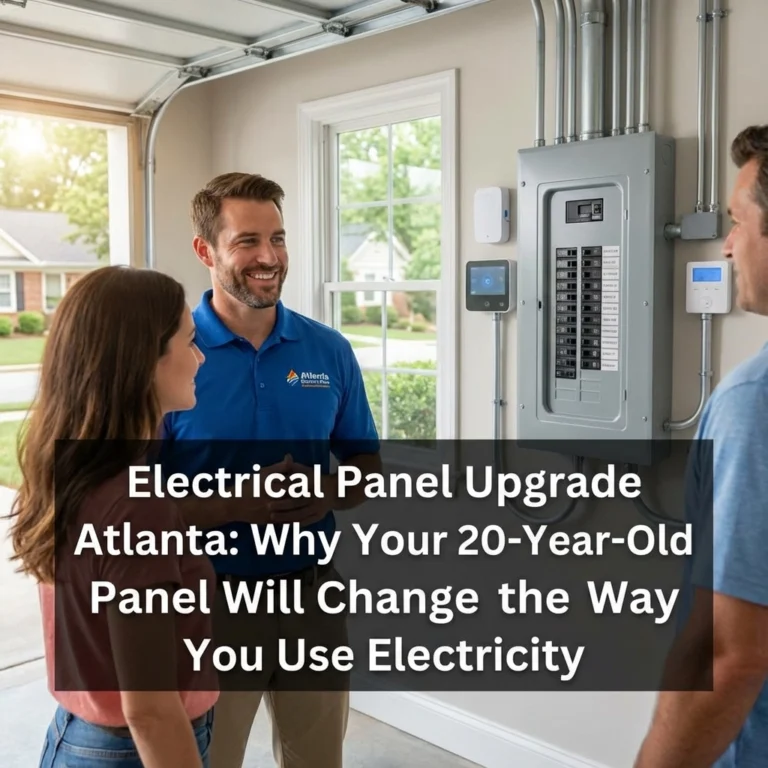
Spend two minutes looking at your main electrical panel. You're checking for three things: unusual warmth (place your hand near but not on the panel), any buzzing or crackling sounds, and visible signs of damage like scorch marks or rust. If you notice any of these signals, don't wait: schedule an electrical inspection immediately.
Quick Outlet Inspection
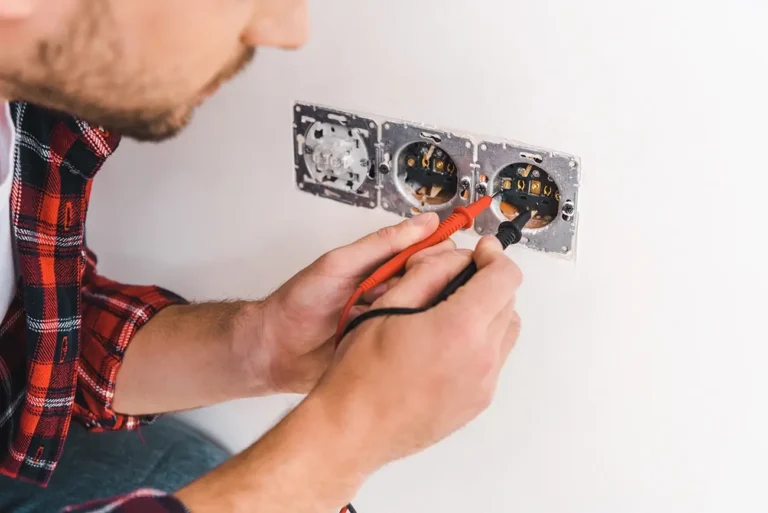
Look for outlets that feel warm to the touch, show scorch marks around the plug area, or have loose-fitting plugs. In Atlanta's humidity, moisture can get into damaged outlets and create dangerous conditions. Most people think a slightly warm outlet is normal: it's not. Any heat coming from an outlet indicates resistance in the wiring, which can lead to fires.

Seasonal Atlanta-Specific Tasks
Spring (March-May): Storm Season Prep
Outdoor Electrical Assessment
Georgia's spring storms can be brutal on outdoor electrical components. Check all exterior outlets, light fixtures, and your electrical meter for signs of winter damage or moisture intrusion. Look for rust, loose covers, or any exposed wiring. Atlanta's frequent temperature swings can cause expansion and contraction that loosens connections.
Generator Maintenance Check
If you have a whole house generator, spring is your prep season. Test the automatic start function, check fuel levels, and inspect all visible connections. Gwinnett County sees an average of 15-20 storm-related power outages per year: your generator needs to be ready.
Summer (June-August): High-Demand Season
Air Conditioning Circuit Monitoring
Your AC system puts the biggest electrical load on your home. Watch for signs that circuits are struggling: flickering lights when the AC kicks on, warm outlet covers near major appliances, or circuit breakers that trip repeatedly. These are signals that your electrical system might need an electrical panel upgrade to handle modern demands.
Extension Cord Safety Sweep
Summer means more outdoor activities and temporary electrical needs. Check all extension cords for damage, ensure they're rated for outdoor use when appropriate, and never daisy-chain multiple cords together. A damaged cord in Atlanta's humidity is particularly dangerous: moisture and electricity are a deadly combination.
Fall (September-November): Preparation Mode
Smoke and Carbon Monoxide Detector Testing
Replace batteries in all smoke and CO detectors, even if they're hardwired (they have backup batteries). Test each unit monthly, but fall is when you do the deep check: clean dust from sensors, verify mounting brackets are secure, and replace any units over 10 years old.
Indoor Lighting Assessment
Shorter days mean more reliance on indoor lighting. Check for flickering bulbs (which could indicate loose wiring), ensure all switches operate smoothly, and look for any new buzzing sounds from light fixtures. These seemingly minor issues can signal bigger problems developing behind your walls.
Winter (December-February): Low-Activity Monitoring
Surge Protection Verification
Winter storms can cause power surges that damage electronics and appliances. Check that surge protectors are functioning (many have indicator lights) and ensure major appliances are protected. Whole-home surge protection is particularly valuable in our area due to Georgia Power's aging infrastructure.
Space Heater Safety Protocol
If you use portable heaters, inspect cords for damage and ensure they're plugged directly into wall outlets: never into extension cords or power strips. Homeowners often believe that small space heaters are harmless, but they're actually one of the leading causes of electrical fires.

Annual Professional Tasks
Comprehensive Electrical Inspection
Schedule a professional electrical inspection every 3-5 years, or annually if your home is over 20 years old. Atlanta homes built before 2000 often have electrical systems that weren't designed for today's electrical loads: smart homes, multiple devices, electric vehicles, and energy-efficient appliances that actually use electricity differently than older models.
AFCI Breaker Testing
Arc Fault Circuit Interrupter (AFCI) breakers protect against electrical fires caused by damaged or aging wiring. These should be professionally tested annually because they're more complex than standard GFCI outlets and require specific testing equipment.
Grounding System Verification
Georgia's clay soil and high moisture levels can affect your home's electrical grounding system over time. A professional should verify that your grounding is adequate and hasn't degraded due to soil conditions.

Warning Signs That Demand Immediate Professional Attention
Electrical Panel Red Flags
- Any burning smell near your electrical panel
- Warm or hot panel cover
- Rust, water damage, or scorch marks
- Breakers that trip frequently
- Buzzing, crackling, or popping sounds
Throughout Your Home
- Lights that dim when major appliances start
- Outlets that spark when you plug something in
- Any tingling sensation when touching appliances
- Persistent burning smells with no identifiable source
- GFCIs that won't reset or test properly
Local Atlanta Considerations
Power Grid Strain Awareness
Georgia Power's grid faces increasing demand, especially during summer cooling season. If you're experiencing frequent brownouts or voltage fluctuations, your home might need electrical upgrades to handle inconsistent power delivery.
Humidity and Moisture Management
Atlanta's humidity can cause electrical problems that don't exist in drier climates. Pay extra attention to basement electrical components, outdoor connections, and any electrical equipment in unconditioned spaces like garages or attics.
Storm Preparedness
Severe weather is a fact of life in Metro Atlanta. Beyond having a backup power plan, ensure your electrical system can handle post-storm power restoration safely. Damaged wiring that seems fine can fail catastrophically when power is restored after an outage.
When to Call Radiant Electric
While monthly visual checks are something any homeowner can handle, electrical work should always be left to licensed professionals. If your inspection reveals any safety concerns, unusual behavior, or if you're simply unsure about what you're seeing, contact our team for a comprehensive evaluation.
Remember, electrical problems rarely fix themselves: they typically get worse over time. The few minutes you spend on monthly maintenance and the investment in annual professional inspections are insignificant compared to the cost of emergency repairs, property damage, or worse.
Your electrical system is working hard to power your modern lifestyle in a challenging environment. Give it the attention it deserves, and it'll keep your family safe and comfortable year-round.