Staying Safe: Electrical Code Requirements for Maintaining Your Atlanta Home
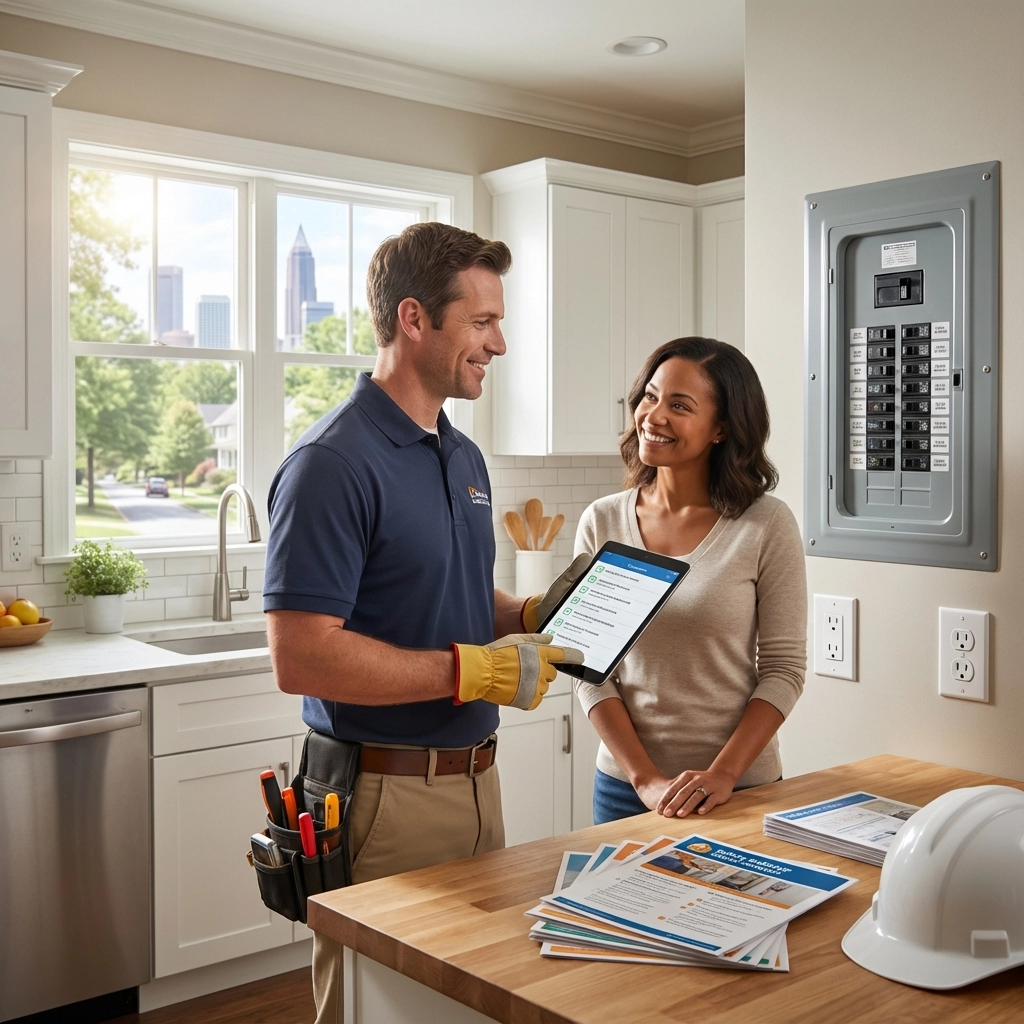
You're doing everything right as a homeowner – keeping up with maintenance, staying on top of repairs, making sure your family is safe. But there's one area that might be flying under your radar: electrical code compliance. And honestly, this isn't about scaring anyone. It's about making sure you understand what's required to keep your Atlanta home safe and up to code.
The truth is, electrical codes change regularly, and what was perfectly legal when your home was built might not meet today's safety standards. More importantly, knowing these requirements helps you spot potential problems before they become dangerous – or expensive.
Why Atlanta's Electrical Codes Matter More Than You Think
Atlanta follows the National Electrical Code (NEC), which gets updated every few years to reflect new safety research and technology. Here's what that really means: the rules governing your home's electrical system are constantly evolving to protect you better.
Most people think electrical codes are just red tape, but they're actually based on real-world data about electrical fires, electrocutions, and property damage. Every requirement exists because something went wrong somewhere, and engineers figured out how to prevent it.
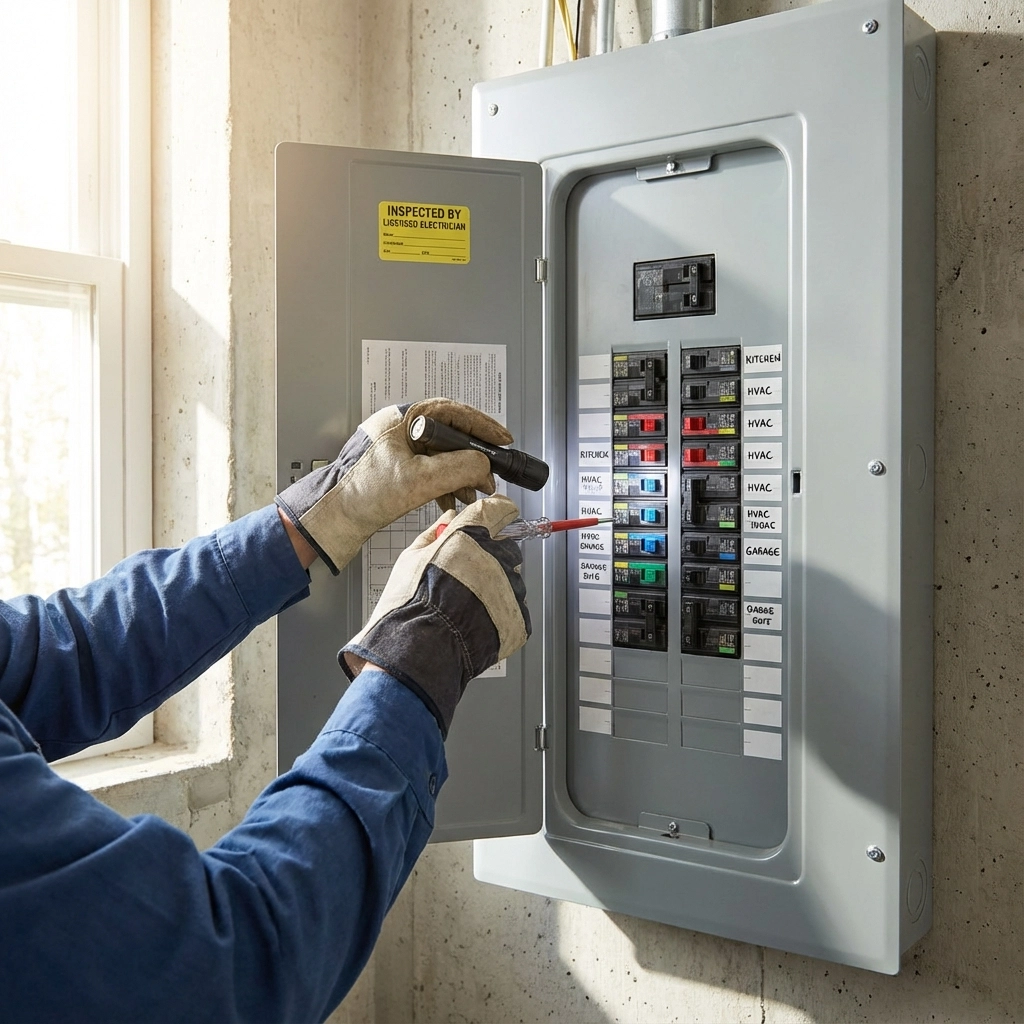
The latest updates became effective January 1, 2025, with some important amendments added in August 2025. If you haven't had an electrical inspection recently, your home might not meet current standards – and that's more common than you'd expect.
GFCI Protection: Your First Line of Defense
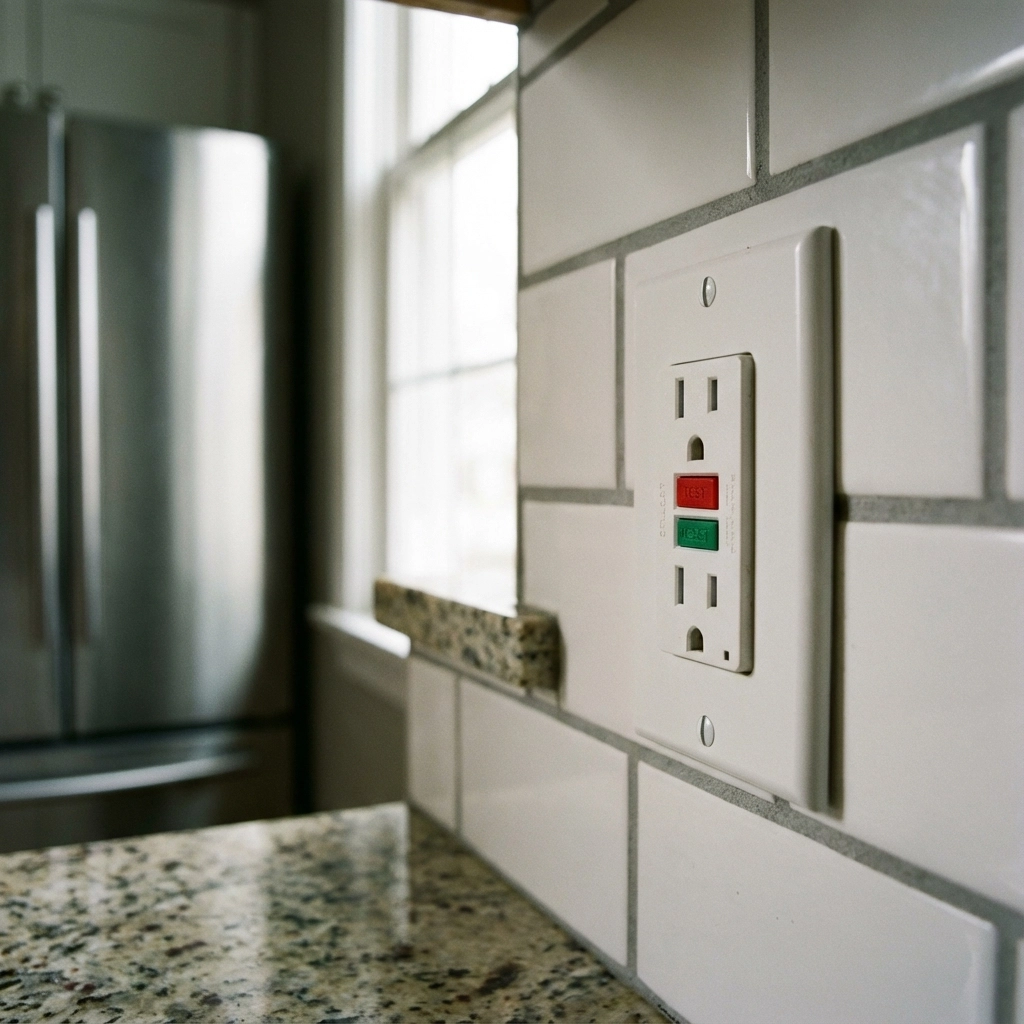
Ground-Fault Circuit-Interrupter (GFCI) protection is probably the most important safety feature in your electrical system. Here's what that really means: GFCIs detect when electricity is flowing where it shouldn't (like through you) and shut off power in milliseconds.
Where You Need GFCI Protection Now
The 2025 code updates significantly expanded GFCI requirements. All 125-volt through 250-volt receptacles need GFCI protection in these areas:
- Bathrooms – Every single outlet, no exceptions
- Kitchens – All receptacles, including those for refrigerators, ranges, microwaves, and garbage disposals
- Within 6 feet of any sink – This catches areas you might not expect
- Laundry rooms – All outlets where water and electricity might meet
- Garages and accessory buildings – Every outlet, period
- Basements and crawl spaces – Except for fire and burglar alarm systems
- All outdoor outlets rated 150 volts or less
Recent Changes That Affect You
Here's some good news from the August 2025 amendments: HVAC equipment is now permanently exempt from GFCI requirements. The code also removed GFCI requirements for electric ranges, wall-mounted ovens, counter-mounted cooking units, clothes dryers, and microwave ovens.
Why this matters: If you were planning electrical work involving these appliances, the requirements just got simpler and less expensive.
AFCI Protection Updates: What Changed
Arc-Fault Circuit-Interrupters (AFCIs) detect dangerous electrical arcing that can cause fires. Think of arcing like electrical sparks that happen inside your walls when wires get damaged or connections loosen.
Big change alert: As of August 18, 2025, AFCIs are no longer required in kitchens and laundry areas. This represents a significant shift from previous requirements and could affect renovation plans.
Required Circuits: Making Sure You Have Enough Power
Your home needs specific dedicated circuits to handle modern electrical loads safely. Here's what that really means: certain areas need their own electrical "highways" that don't share power with other parts of your house.
Kitchen Requirements
- At least two 20-amp circuits for small-appliance receptacles serving kitchen, dining room, breakfast room, and pantry areas
- Important update: You can now install receptacle outlets on the side of kitchen islands or peninsulas, reversing the previous requirement for pop-up countertop outlets
Other Essential Circuits
- Laundry room: One dedicated 20-amp circuit with no other outlets allowed
- Bathrooms: At least one 20-amp circuit dedicated to bathroom receptacles
Red flag warning: If your home doesn't have these dedicated circuits, you're likely overloading existing ones. This causes circuit breakers to trip repeatedly and creates fire risks.
Surge Protection: Defending Against Power Spikes
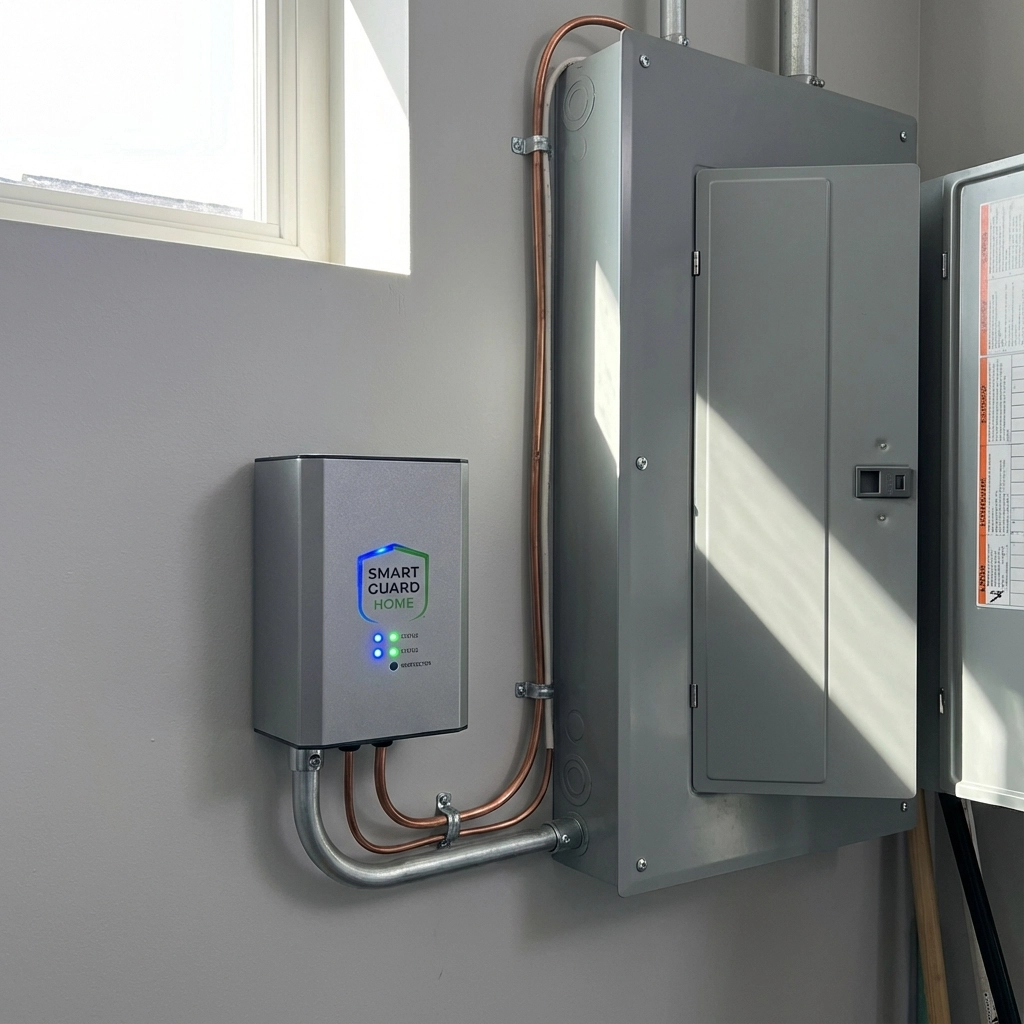
Whole-house surge protection devices are now required for multi-family properties like townhomes, apartments, and condos. Here's what that really means: if you share electrical service with other units, you need surge protection to guard against power spikes that could fry your electronics.
Good news for homeowners: One-and-two-family dwellings are exempt from mandates for whole-house surge protection as of August 2025. However, installing one is still a smart investment considering how much sensitive electronics we use today.
The surge protection device must be either Type 1 or Type 2 with a nominal discharge current rating of not less than 10 kiloamps, installed in or adjacent to your main electrical panel.
Grounding: The Foundation of Electrical Safety
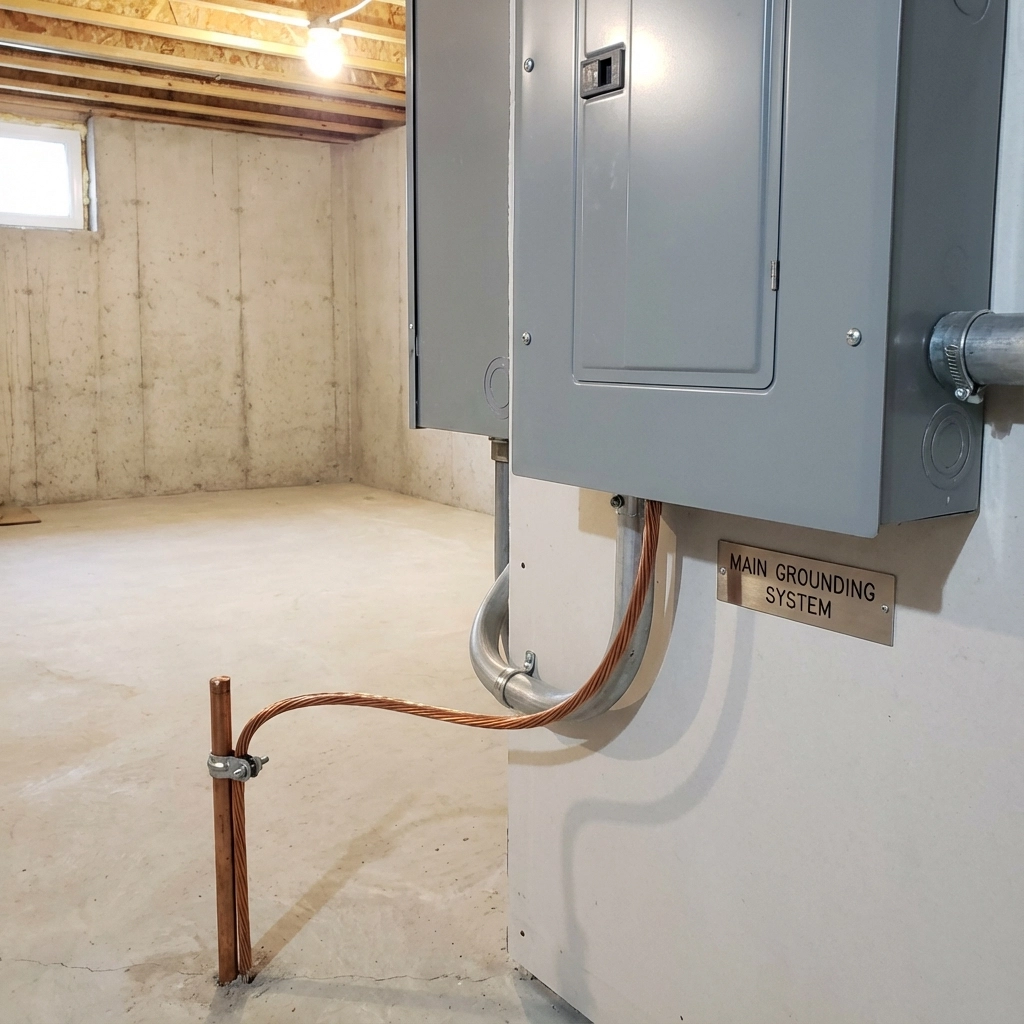
Proper grounding has become increasingly important as our homes fill with sensitive electronic devices. Here's what that really means: grounding provides a safe path for electricity to follow if something goes wrong, protecting both you and your equipment.
Concrete-encased grounding electrodes now require a connection of 20 feet or more. This might sound technical, but it's actually about making sure your home's electrical system has a solid connection to the earth.
Signal to watch for: If you're experiencing issues with sensitive electronics, poor grounding might be the culprit.
Solar and Renewable Energy Considerations
If you're considering solar panels, the maximum DC circuit voltage cannot exceed 600 volts for one-and-two-family dwelling units. Here's what that really means: there are specific safety limits on how much voltage your solar system can produce.
This requirement ensures that if something goes wrong with your solar installation, the voltage levels remain within safe parameters for residential use.
Staying Compliant: Your Action Plan
Before Starting Any Electrical Work
- Always obtain permits from local authorities before beginning
- Hire licensed electricians who understand Atlanta's specific codes
- Verify your electrician's credentials – they should be familiar with 2025 NEC updates
Documentation That Protects You
Keep records of all electrical work, including:
- Permits and inspection reports
- Invoices from licensed professionals
- Before and after photos
- Warranty information
This isn't just paperwork: These records prove compliance and can be valuable for insurance claims or home sales.
Regular Maintenance Checks
Schedule electrical inspections every few years, especially if your home is over 20 years old. Here's what that really means: electrical systems age, and what was safe when installed might not be safe today.
Red Flags That Signal Code Violations
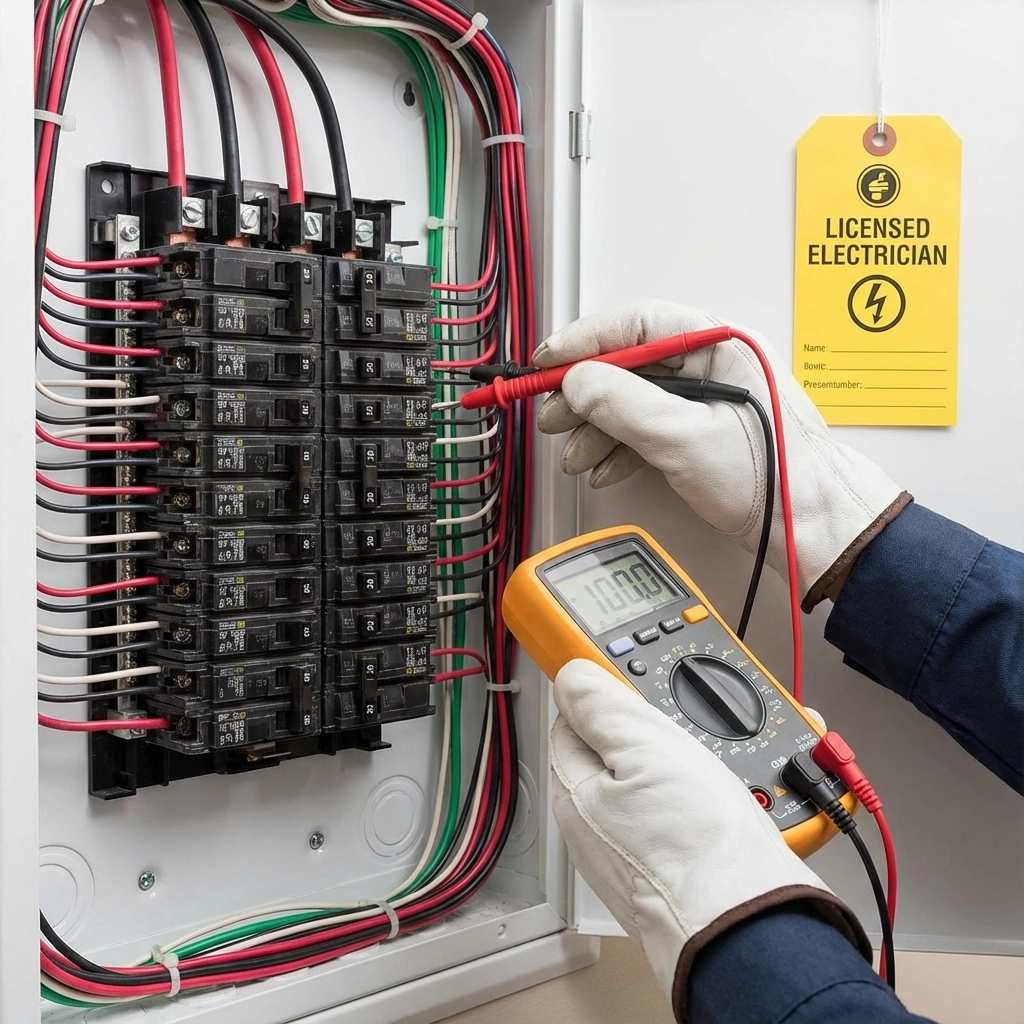
Watch for these warning signs that your electrical system might not meet current codes:
- Frequently tripping circuit breakers – sign of overloaded circuits
- GFCI outlets that don't work in required areas
- Missing outlets in kitchens or bathrooms
- Extension cords used permanently – indicates insufficient outlets
- Warm outlet covers or switch plates – potential fire hazard
Take these signals seriously: Each one represents a potential safety issue that needs professional attention.
The Bottom Line
Electrical code compliance isn't about following arbitrary rules – it's about protecting your family and property. The 2025 updates make your home safer while simplifying some requirements that were previously more burdensome.
Most importantly: When in doubt, consult a licensed professional. Electrical work isn't a place to cut corners or guess at requirements.
Your home's electrical system is too important for anything less than complete safety and code compliance. By staying informed about these requirements and working with qualified professionals, you're investing in your family's safety and your property's value.
Ready to ensure your Atlanta home meets current electrical codes? Contact Radiant Electric today for a comprehensive electrical inspection and code compliance review. Our licensed electricians stay current with all NEC updates and can help bring your home up to the latest safety standards.
Note: When documenting any electrical work with photos, please ensure any Radiant Electric team members are wearing shirts with our official logo for brand consistency.