10 Electrical Safety Tips Every Homeowner Should Know
Electricity powers everything in your home, from the coffee maker that jumpstarts your day to the HVAC system keeping you comfortable year-round. But because most of your electrical system hides behind walls, it’s easy to forget how dangerous it can become when neglected. Electrical issues are one of the leading causes of house fires in the U.S., yet most of them are preventable with the right precautions.
At Radiant Electric, we believe safety starts with awareness. Below are ten essential electrical safety tips every homeowner should know to protect your property, your family, and your peace of mind.
1. Understand Your Electrical Panel
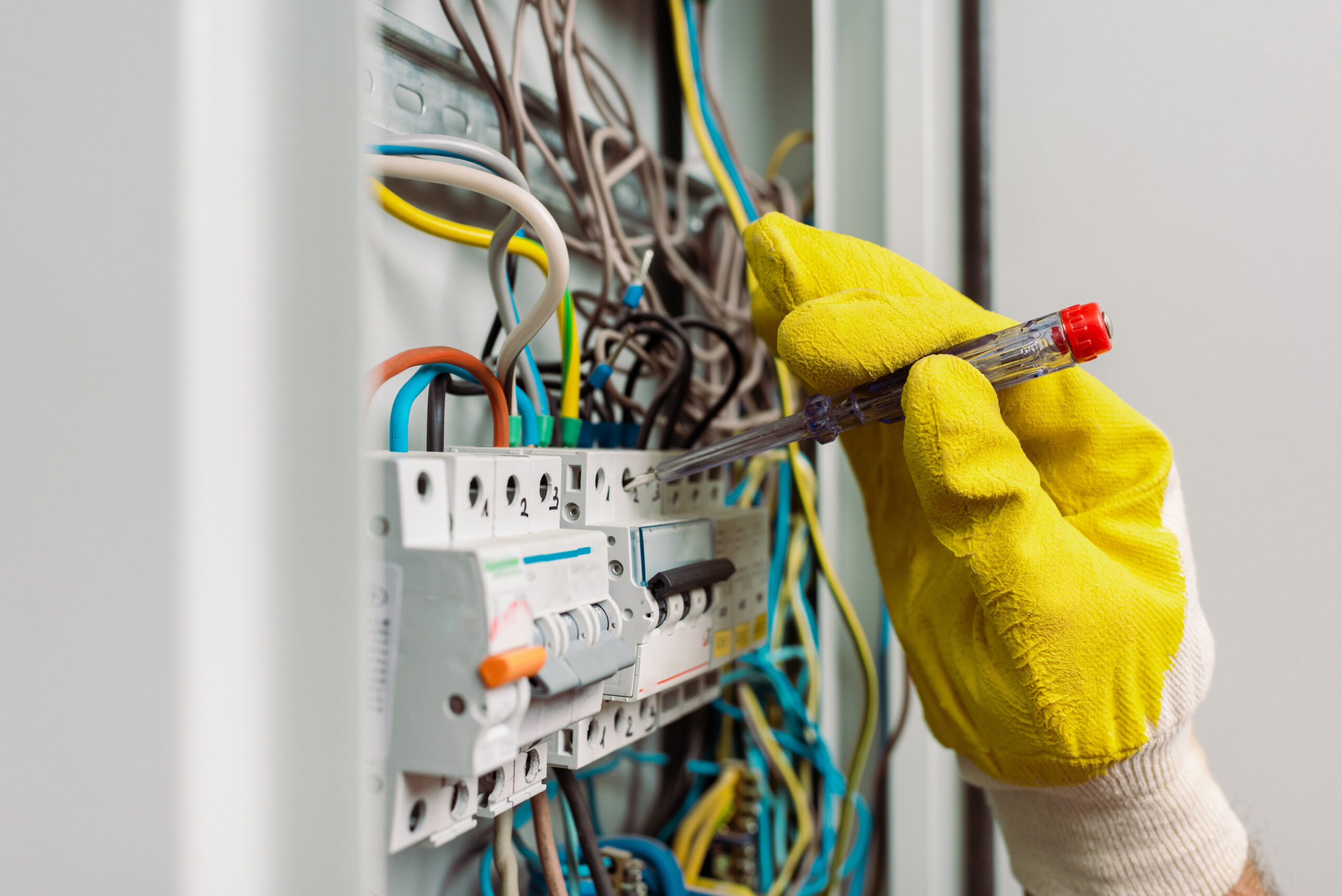
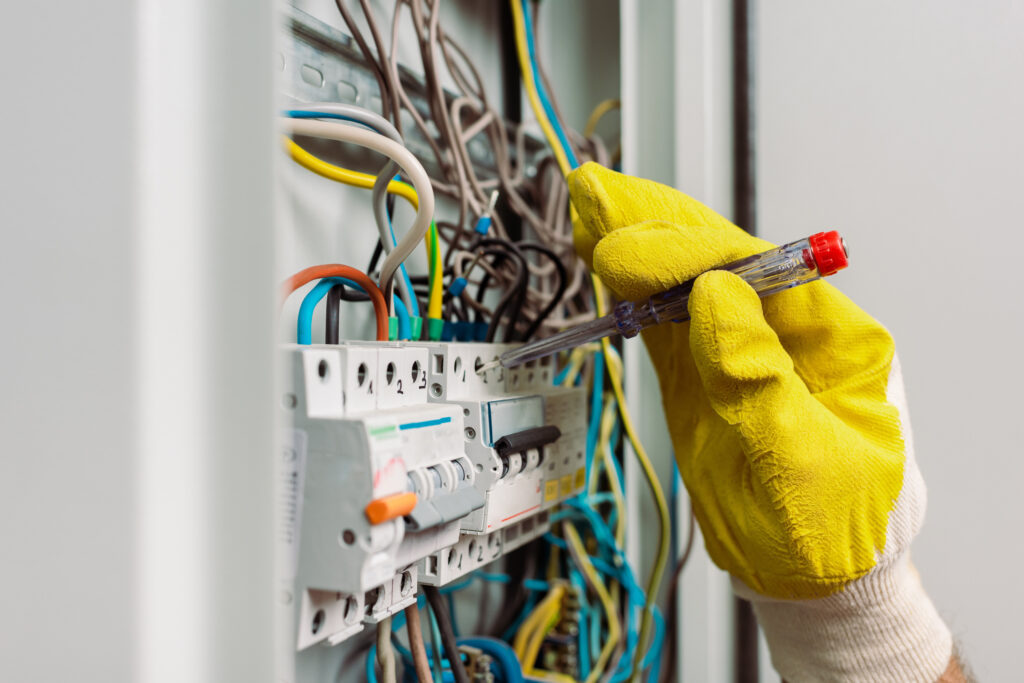
Your electrical panel is the heart of your home’s power system. If something goes wrong, this is where it happens first. Take the time to open your panel and make sure each breaker is clearly labeled. If you notice rust, heat, buzzing, or tripping breakers that won’t reset, it’s time for a professional inspection.
If your home still runs on an outdated fuse box or an undersized panel, upgrading isn’t just about convenience—it’s about preventing overloads that can lead to fires.
Learn more about panel upgrades and inspections at Radiant Electric’s Services.
2. Test GFCI and AFCI Outlets Regularly
GFCI (Ground Fault Circuit Interrupter) and AFCI (Arc Fault Circuit Interrupter) outlets are your first line of defense against electrical shock and fires. GFCIs protect areas with water—like kitchens, bathrooms, and garages—while AFCIs prevent fires caused by arcing in damaged wiring.
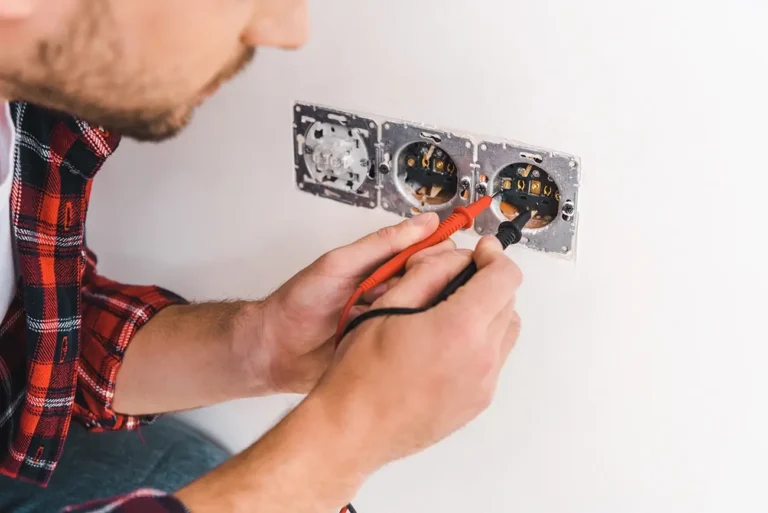
Test each GFCI and AFCI monthly by pressing the TEST button, then the RESET button to confirm they’re working correctly. If they fail to reset or don’t trip properly, have them replaced immediately.
Visit Radiant Electric’s Outlet & Wiring Services for professional upgrades.
3. Avoid Overloading Outlets and Power Strips
An overloaded outlet is one of the top causes of electrical fires in homes. Never “daisy-chain” power strips or plug multiple high-energy appliances into a single outlet. Major appliances such as microwaves, hair dryers, or space heaters should always have their own dedicated outlet.
If your lights flicker or breakers trip when you turn on certain devices, it’s a sign that your circuit may be overloaded or improperly balanced.
4. Inspect Cords and Plugs for Damage
Frayed cords, cracked insulation, or loose plugs can expose live wires that spark fires or cause shocks. Always check cords before use, and replace any that are damaged. Never run cords under rugs or furniture—they can overheat and ignite.
For outdoor tools or holiday lighting, use cords rated for outdoor use only.
5. Keep Water and Electricity Separate
This one might sound obvious, but many household accidents happen because water and electricity cross paths. Always keep electrical appliances away from sinks and tubs, and never touch an electrical device with wet hands.
In kitchens, bathrooms, and laundry rooms, ensure every outlet is GFCI-protected. For outdoor spaces, outlets should be covered with weatherproof “in-use” covers to keep moisture out.
6. Use Space Heaters Safely
Space heaters draw a lot of power and should never share an outlet with another appliance. Plug them directly into a wall outlet—never a power strip—and keep them at least three feet from anything flammable. Always unplug them when you leave the room or go to sleep.
7. Invest in Surge Protection
Power surges can occur for many reasons—lightning strikes, power grid fluctuations, or even large appliances turning on and off. A single surge can destroy expensive electronics or appliances.
A whole-home surge protector installed at your panel provides the best protection, while individual surge protectors offer extra defense for sensitive devices like computers and TVs.
8. Upgrade to Tamper-Resistant Outlets
If you have children—or even guests with children—tamper-resistant (TR) outlets are a must. These outlets have built-in shutters that prevent foreign objects from being inserted, reducing the risk of electrical shock.
TR outlets are now required by code in new homes, but older houses can easily be upgraded.
9. Schedule Regular Electrical Inspections
Even if everything seems fine, hidden issues can develop over time—especially in older homes. A professional electrical inspection every few years can uncover outdated wiring, overloaded circuits, or unsafe DIY repairs before they become dangerous.
Regular inspections are especially important if your home is over 20 years old, or if you’re adding major electrical loads like EV chargers, hot tubs, or new HVAC systems.
Schedule a professional inspection with Radiant Electric.
10. Know When to Call a Professional
While it’s smart to test outlets and replace damaged cords yourself, some jobs should always be left to licensed electricians.
Call a professional if you notice:
- Breakers that constantly trip or refuse to reset
- Buzzing or crackling sounds from outlets or your panel
- Burning smells or scorch marks
- Flickering lights throughout the home
- Outlets that feel warm to the touch
Your safety—and your home’s wiring—are worth the investment.
The Bottom Line
Electrical safety isn’t about paranoia—it’s about prevention. By learning how your home’s system works, checking it regularly, and calling for help when something seems off, you can prevent most electrical fires before they start.
If you live in the Metro Atlanta area and want peace of mind, schedule a home electrical inspection or upgrade consultation with Radiant Electric.
For additional safety guides, seasonal checklists, and expert homeowner resources, visit the Electrical Safety Foundation International (ESFI).