Winter Electrical Safety Tips: Protect Your Home in Gwinnett County Before the Next Freeze
You know that feeling when the temperature drops in Gwinnett County and suddenly every outlet in your home is working overtime? Space heaters humming in the bedroom. Electric blankets warming up the couch. Holiday lights still glowing outside. Your electrical system is doing heavy lifting: and most homeowners don't realize the strain until something goes wrong.
This isn't about scaring anyone. It's about understanding what your home's electrical system faces during Georgia winters and taking simple steps to keep your family safe. Whether you're in Lawrenceville, Marietta, or anywhere across Metro Atlanta, these tips apply to you.
Let's break down what you need to know before the next freeze rolls through.
Space Heaters: The Most Common Winter Hazard
Here's a number that might surprise you: space heaters are linked to approximately 21,800 residential fires every year. That's not a scare tactic: it's just the reality of how these convenient devices get misused.
The good news? Most space heater accidents are completely preventable.
The 3-Foot Rule
Keep your space heater at least three feet away from anything that can burn. That includes curtains, bedding, furniture, clothing, and even stacks of paper. Think of your space heater like a small campfire sitting in your living room. You wouldn't put kindling right next to it, right?
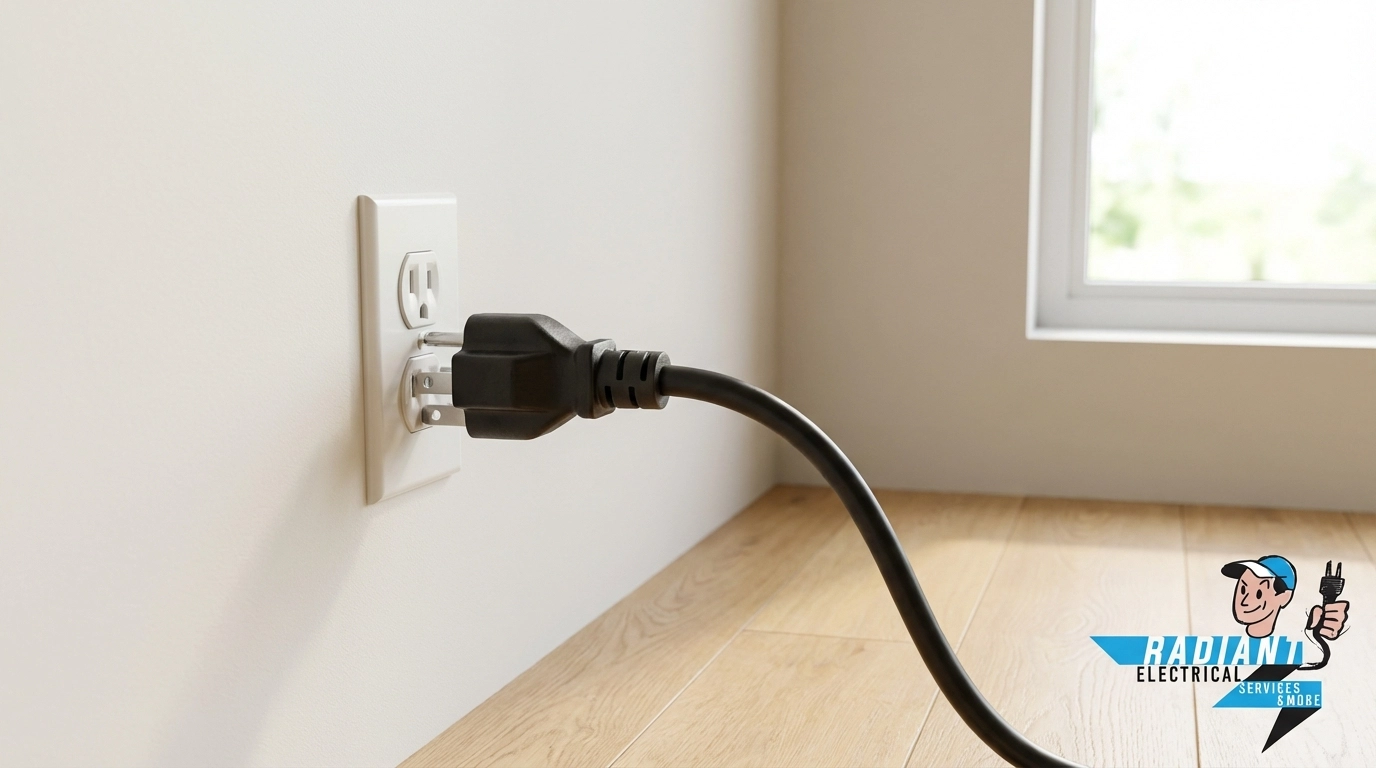
Never Use Extension Cords
Most people think plugging a space heater into an extension cord is fine. It's not. Here's what that really means: extension cords aren't designed to handle the electrical load that space heaters draw. They overheat, the insulation breaks down, and suddenly you've got a fire risk hidden behind your couch.
Always plug space heaters directly into a wall outlet. One heater per outlet. No exceptions.
Don't Leave It Running Unattended
Heading to bed? Turn it off. Leaving the room for more than a few minutes? Turn it off. This single habit prevents more fires than any other.
Overloaded Outlets: A Silent Winter Problem
During winter, Gwinnett County homes draw significantly more power than usual. And when you're plugging multiple devices into the same outlet or daisy-chaining power strips together, you're asking for trouble.
Warning Signs Your Outlets Are Overloaded:
- The outlet feels warm to the touch
- You notice a burning smell near the wall
- The outlet plate looks discolored or scorched
- Circuit breakers keep tripping
If you're experiencing any of these, it's time to redistribute your devices across different circuits: or call a licensed electrician to evaluate your panel.
The One Heat-Producing Appliance Rule
Here's a simple guideline: only plug one heat-producing appliance into an outlet at a time. That means your space heater gets its own outlet. Your electric blanket gets a different one. Your hair dryer? Another outlet entirely.
Why? Heat-producing appliances draw significant amperage. When you combine them on a single circuit, you risk overheating the wiring inside your walls. And unlike an outlet that feels warm, you can't touch the wires behind your drywall to check if they're too hot.
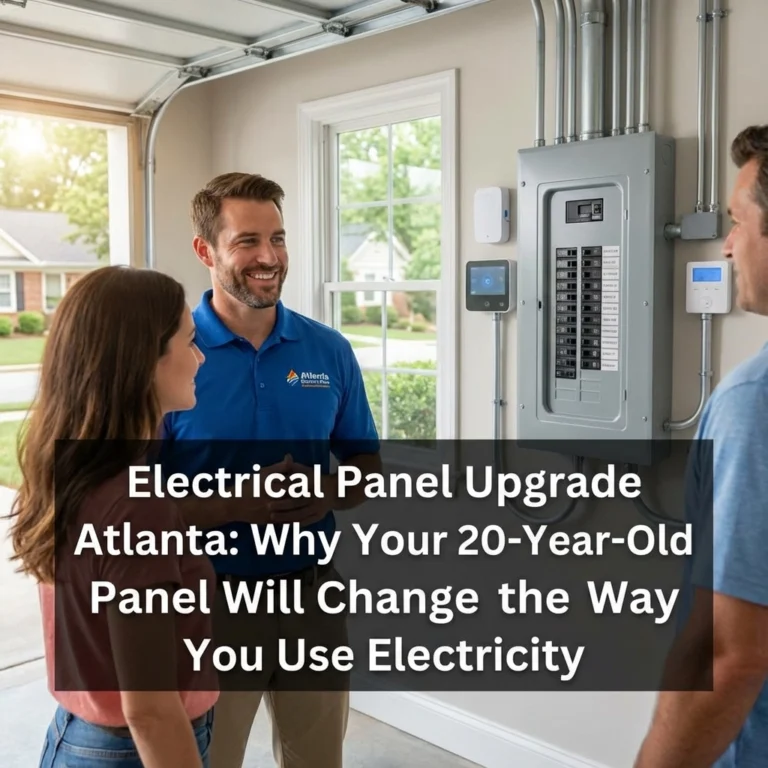
Curious if your electrical panel needs an upgrade to handle modern electrical demands? Many Metro Atlanta homes were built with panels that simply weren't designed for today's usage.
Electric Blankets and Heating Pads: Hidden Risks
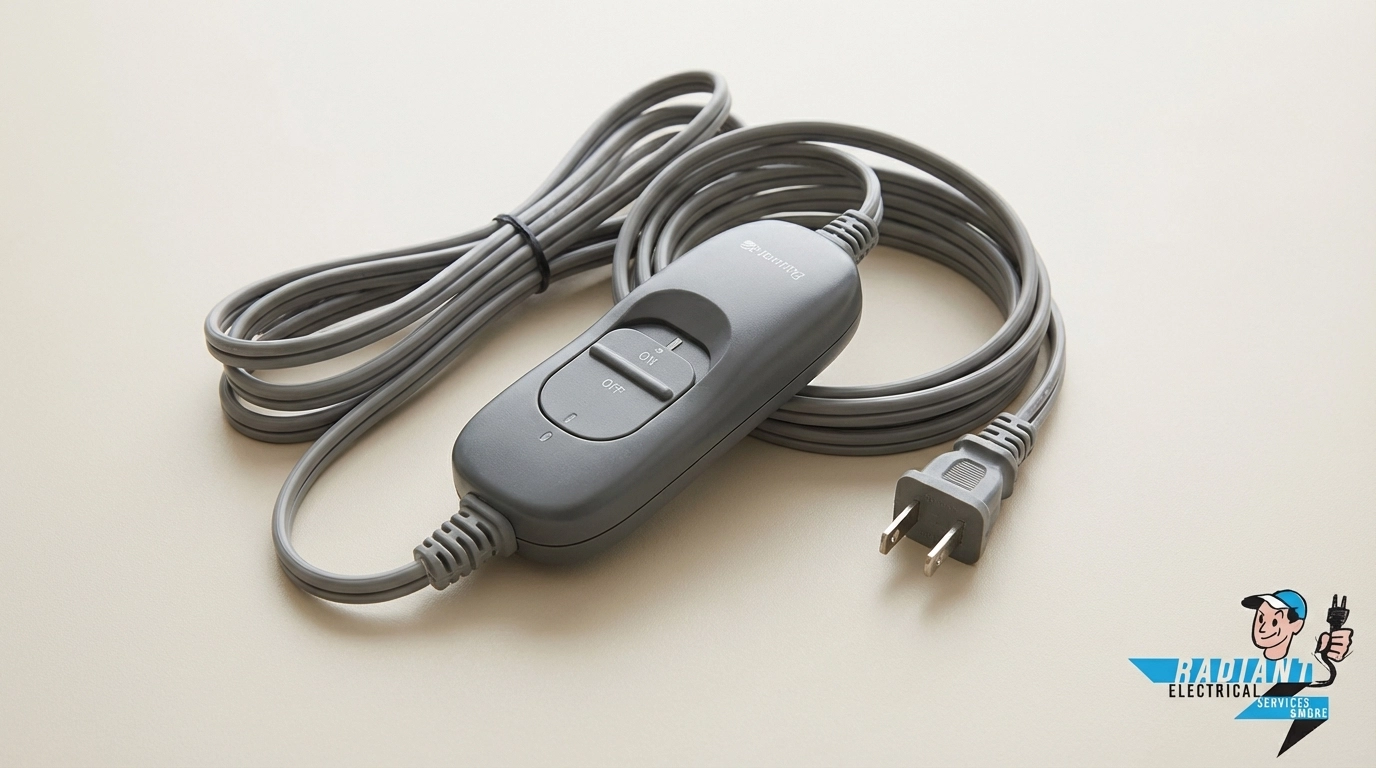
These cozy winter essentials seem harmless. But heating pads and electric blankets cause hundreds of fires every year: particularly units that are more than 10 years old.
When to Replace Them:
- The blanket or pad is over 10 years old
- You see frayed cords or loose connections
- The fabric shows scorch marks or discoloration
- The heating element feels uneven (hot spots and cold spots)
Safe Usage Guidelines:
- Never fold, bunch up, or place heavy items on top of an electric blanket while it's running
- Unplug immediately after use: don't just turn it off
- Look for UL-certified products from reputable manufacturers
- Inspect the cord where it connects to the blanket: this is where most damage occurs
Think of it this way: the heating element inside these products is essentially a thin wire designed to warm up. When you fold or compress it, you're forcing that wire to overheat in concentrated spots. Over time, that leads to insulation breakdown and potential fire.
Pre-Winter Electrical Inspection Checklist
Before the coldest months hit Lawrenceville and the surrounding areas, take 30 minutes to walk through your home and check these items:
Outlets and Switches
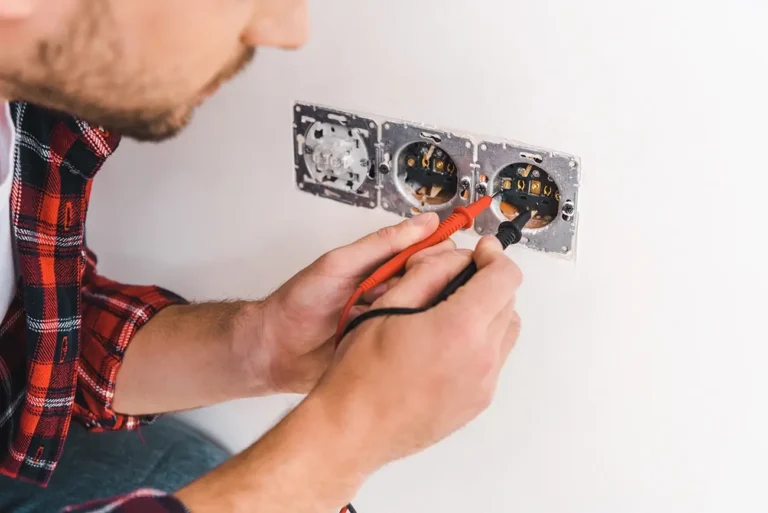
Touch every outlet and light switch in your home. They should feel cool to the touch. Any warmth, discoloration, or cracking is a signal that something's wrong inside the wall.
Extension Cords and Power Strips
Inspect every extension cord for damage. Look for cracked insulation, exposed wiring, or burn marks. Never run extension cords under rugs or furniture: this traps heat and accelerates wear.
GFCI Outlets
Those outlets with the "Test" and "Reset" buttons in your kitchen, bathroom, garage, and basement? They're called GFCI outlets (Ground Fault Circuit Interrupter). Here's what that really means: they're designed to shut off power instantly if they detect a ground fault, which can prevent serious electrical shock.
Test each one by pressing the "Test" button. You should hear a click, and the outlet should lose power. Press "Reset" to restore it. If this doesn't work, the outlet needs replacement.
When to Call a Professional
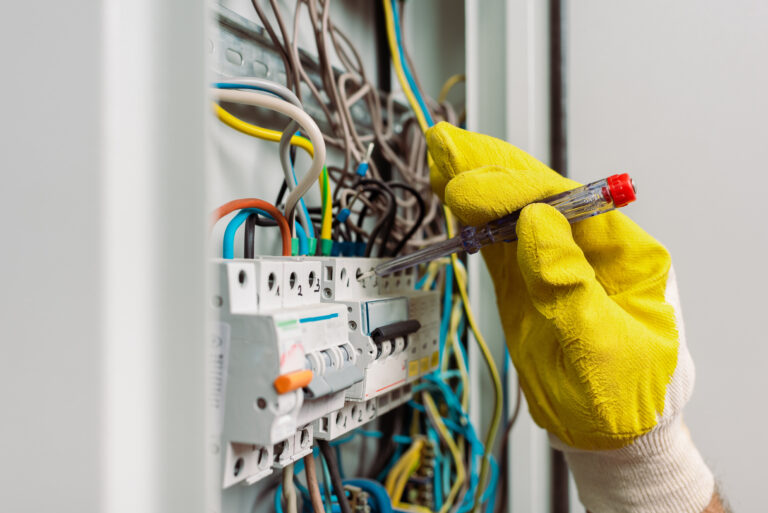
If you notice any warning signs: or if your home hasn't had an electrical inspection in several years: it's worth having a licensed electrician take a look. Many issues hide behind walls where you can't see them.
Check out our guide on finding reliable electricians in Marietta, GA for tips on what to look for.
Outdoor Electrical Safety in Cold Weather
Winter weather in Metro Atlanta isn't just about cold temperatures. Ice storms, fallen branches, and moisture all create unique electrical hazards outside your home.
Weatherproof Your Outdoor Outlets
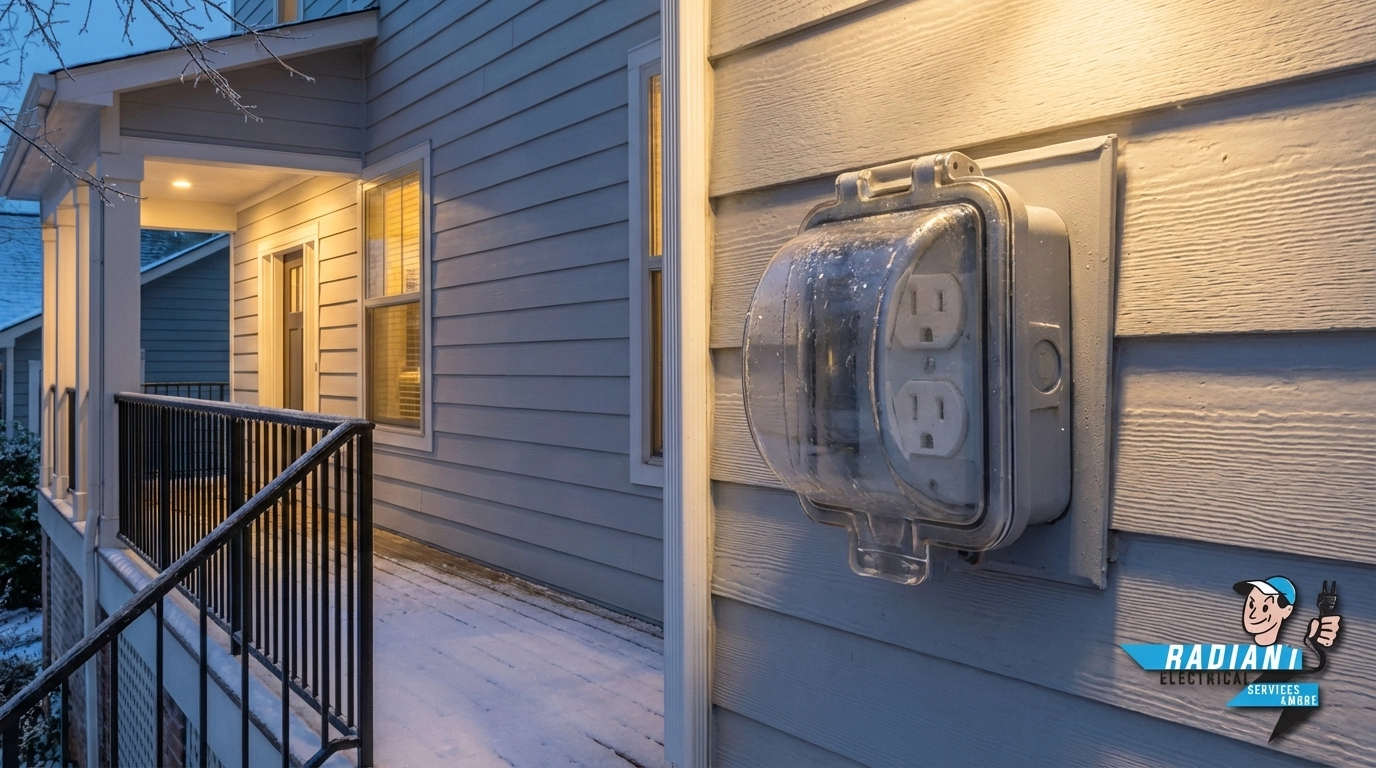
All outdoor outlets should have weatherproof covers: not just the standard plastic plates you see inside. Moisture and electricity don't mix, and winter precipitation can seep into unprotected outlets.
Clear Snow and Ice from Fixtures
Outdoor lighting fixtures, outlet covers, and electrical boxes should be cleared of accumulated snow and ice. The freeze-thaw cycle can crack housings and allow moisture inside.
Downed Power Lines
This is critical: if you see a downed power line after a storm, stay at least 30 feet away. Assume it's live and dangerous. Call 911 immediately. Never attempt to move it yourself, and don't let children or pets near the area.
Power Outages and Generator Safety
Georgia winters bring occasional ice storms that knock out power across Gwinnett County. If you're using a portable generator during outages, improper use can be deadly.
Carbon Monoxide: The Invisible Danger
Generators produce carbon monoxide: a colorless, odorless gas that can be fatal in enclosed spaces. Always run your generator outdoors, far away from windows, doors, and vents. Never inside a garage, even with the door open.
Transfer Switches Are Essential
Never connect a generator directly to your home's wiring without a proper transfer switch installed by a licensed electrician. Without it, you risk backfeeding electricity into the power lines: endangering utility workers and potentially causing fires.
Interested in a more permanent solution? Learn about whole house generators and how they're professionally installed with built-in safety features.
Skip the Candles
During power outages, reach for battery-powered flashlights instead of candles. Open flames near curtains, papers, or furniture create unnecessary fire risk: especially when you're already dealing with a stressful situation.
The Bottom Line
Winter electrical safety isn't complicated. It comes down to understanding how your home's system handles increased demand, recognizing warning signs early, and following straightforward guidelines for high-risk devices like space heaters and electric blankets.
If you're in Gwinnett County, Lawrenceville, Marietta, or anywhere across Metro Atlanta and have questions about your home's electrical system: or if you've noticed any of the warning signs mentioned above: Radiant Electric is here to help.
Schedule an electrical safety inspection before the next freeze hits. Your home: and your family( will thank you.)