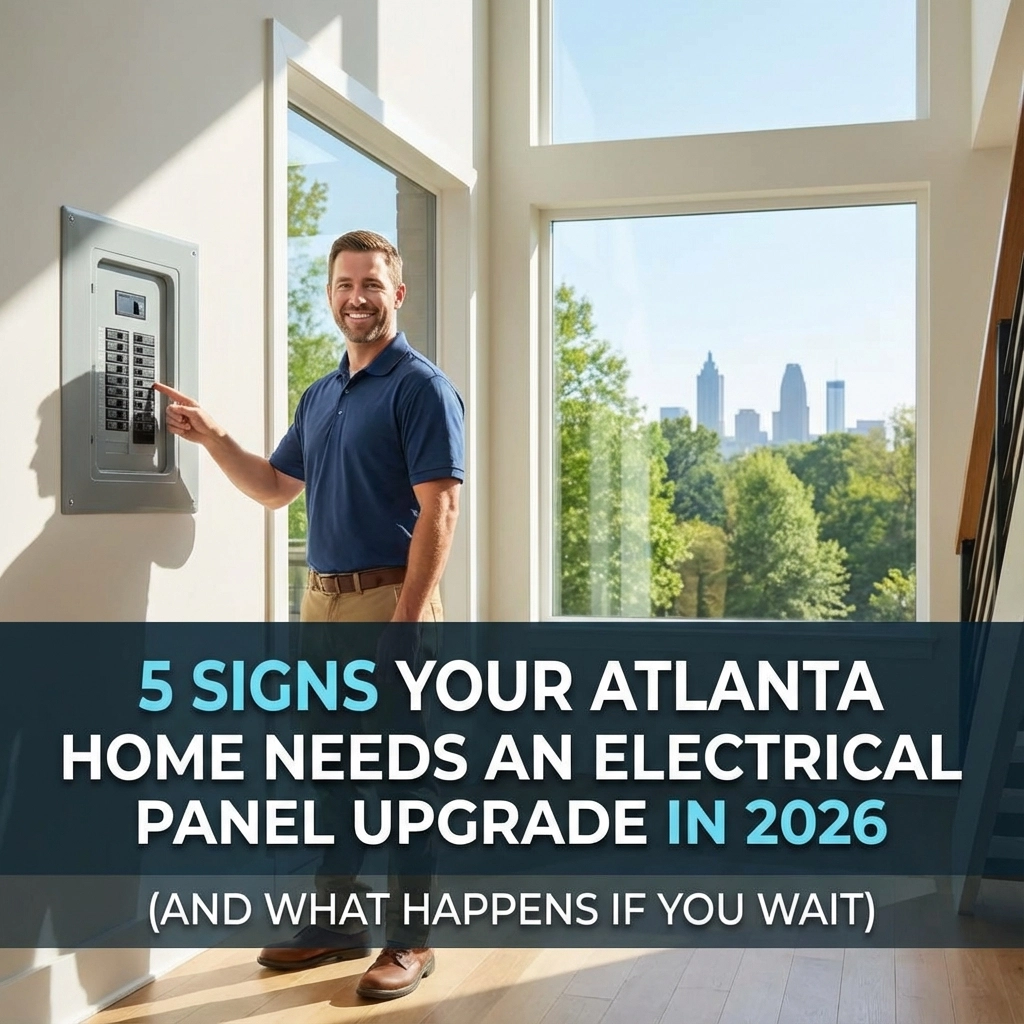
5 Signs Your Atlanta Home Needs an Electrical Panel Upgrade in 2026 (And What Happens If You Wait)
Picture this: You're hosting a family gathering in your Gwinnett County home. The dishwasher is running, someone starts the microwave to heat leftovers, and suddenly: click: half your kitchen goes dark. You shuffle to the basement to flip that breaker again, wondering why this keeps happening.
This isn't about scaring anyone. It's about recognizing the signals your electrical system sends when it's struggling to keep up with modern life. Your electrical panel, the command center for your home's power, might be telling you it's time for an upgrade.
Most homeowners think occasional breaker trips are just "one of those things" you deal with in older homes. The reality? These signals often indicate your electrical system is working overtime: and potentially creating safety risks you can't see.
Sign #1: Circuit Breakers Trip Frequently
Here's what that really means: Circuit breakers are safety devices designed to shut off power when they detect too much electrical current flowing through a circuit. Think of them like guardrails on a mountain highway: they're there to prevent dangerous situations.
When breakers trip occasionally, they're doing their job. When they trip frequently: say, every time you run the air conditioning and microwave simultaneously: your electrical panel is essentially saying "I can't safely handle this load."
Specific examples you might recognize:
- Kitchen outlets shutting off when you use multiple appliances
- Bathroom circuits tripping when the hair dryer and curling iron run together
- Living room breakers failing when the TV, gaming system, and space heater operate simultaneously
Most people think the solution is just "don't use everything at once." While that might work temporarily, it signals your panel lacks the capacity for normal modern living. Today's homes typically need 200-amp service, but many Metro Atlanta homes built before 2000 still operate on 100-amp or even 60-amp panels.
The takeaway: Frequent trips aren't just inconvenient: they indicate your home's electrical infrastructure can't safely support your family's power needs.
Sign #2: Lights Flicker or Dim When Appliances Start
When you notice lights dimming throughout your home as the air conditioning kicks on or the dishwasher starts, your electrical panel is struggling to distribute power effectively across all circuits.
Here's what's actually happening: Large appliances require significant power to start up. If your panel can't provide adequate electricity to both the appliance and your lighting circuits simultaneously, the lights will dim or flicker as power gets diverted.
Concrete warning signs include:
- Lights dimming when the HVAC system cycles on
- Flickering throughout the house when someone uses power tools in the garage
- Bathroom lights dimming when the electric water heater activates
This isn't just about convenience lighting. Consistent voltage fluctuations can damage sensitive electronics like computers, smart TVs, and modern appliances with digital controls. Your refrigerator, washer, and other major investments could suffer shortened lifespans due to inconsistent power delivery.
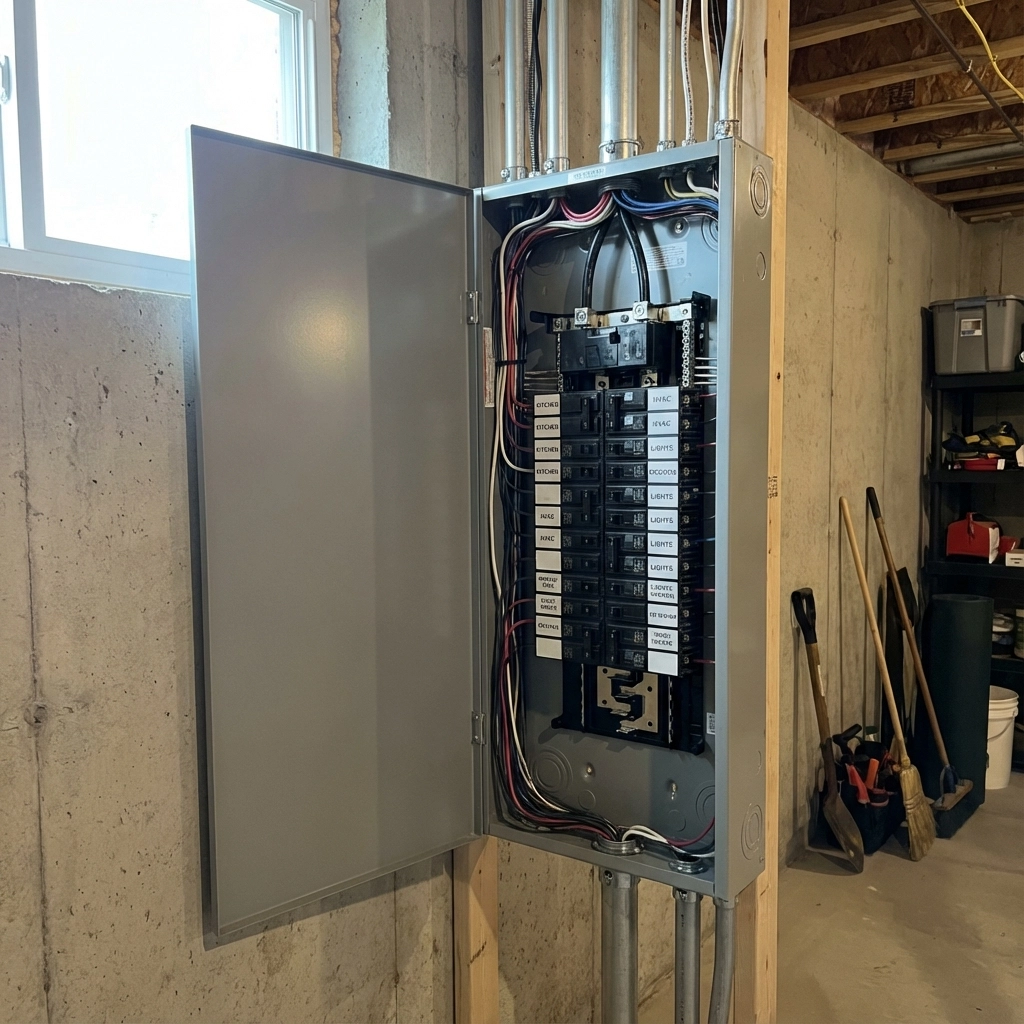
The bottom line: Flickering lights signal your panel can't maintain steady voltage across all circuits: a clear capacity limitation that affects both safety and your expensive electronics.
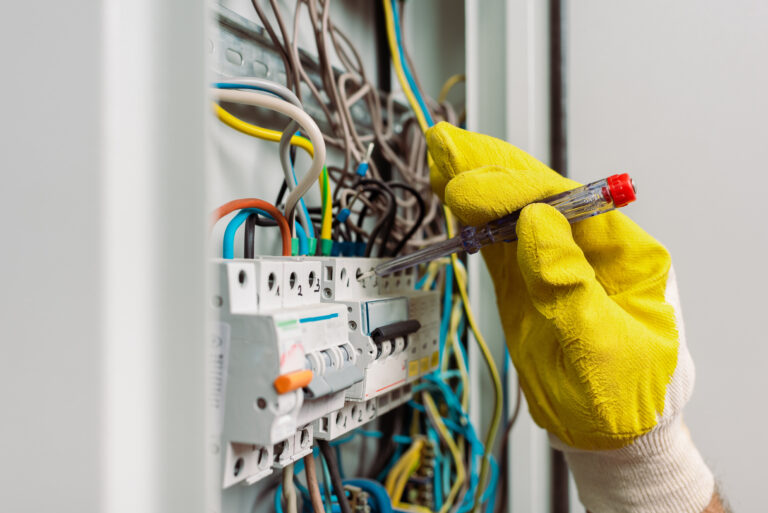
Sign #3: Burning Smells, Buzzing, or Unusual Sounds From the Panel
Any strange odors or sounds coming from your electrical panel demand immediate attention. This isn't a "wait and see" situation.
Burning smells typically indicate:
- Overheating wires or connections inside the panel
- Arcing between loose electrical connections
- Insulation breakdown due to excessive heat
Buzzing or crackling sounds suggest:
- Loose connections vibrating under electrical load
- Arcing electricity jumping between components
- Circuit breakers struggling to handle current flow
Think of it like this: Your electrical panel should operate silently and without any detectable odors. When it starts making noise or producing smells, something inside is literally breaking down under stress.
Homeowners often believe these symptoms will resolve themselves or that they can safely ignore them temporarily. The reality is that electrical components generating heat and sparks create fire risks that worsen over time.
Critical point: If you detect burning odors or hear unusual sounds from your panel, shut off power immediately and contact a licensed electrician. These symptoms indicate active electrical hazards requiring professional assessment.
Sign #4: Your Panel Uses Outdated Technology
Many Atlanta-area homes still rely on electrical panels installed in the 1980s or 1990s: technology that predates modern safety standards and power requirements.
Specific outdated panel types to identify:
- Fuse boxes with screw-in fuses (typically found in homes built before 1960)
- Federal Pacific Electric panels (installed between 1950-1980, known for breaker failure issues)
- Zinsco panels (manufactured through the 1970s, prone to overheating)
- Any panel over 25 years old with fewer than 200-amp capacity
Here's what most people don't realize: Electrical codes and safety standards have evolved significantly over the past three decades. Modern panels include safety features like AFCI (Arc Fault Circuit Interrupter) and GFCI (Ground Fault Circuit Interrupter) protection that prevent electrical fires and electrocution.
Modern homes require significantly more power than previous generations:
- Multiple large-screen TVs and entertainment systems
- Central air conditioning and heating systems
- Electric vehicle charging stations
- Smart home devices and security systems
- High-efficiency appliances with digital controls
An outdated panel can't safely accommodate these power demands or provide modern safety protections.
The reality check: If your panel technology is older than your smartphone, it's likely inadequate for today's electrical safety standards and power requirements.
Sign #5: Heavy Reliance on Extension Cords and Power Strips
When you find yourself running extension cords through hallways or daisy-chaining power strips to operate normal household equipment, your electrical system lacks adequate outlets and circuits.
This situation creates multiple safety concerns:
- Overloading circuits beyond their safe capacity
- Fire hazards from overheated temporary wiring
- Tripping hazards from cords crossing walkways
- Electrical shock risks from damaged or improperly rated extension cords
Common scenarios that signal inadequate electrical infrastructure:
- Using power strips for permanent appliances like microwaves or space heaters
- Running extension cords to provide additional outlets in bedrooms or living areas
- Connecting multiple high-draw devices through temporary wiring
- Unable to plug in normal appliances without unplugging something else
Most homeowners think this is just a matter of convenience. The underlying issue is that your electrical panel and home wiring system lack sufficient circuits to safely distribute power where you need it.
Here's the key insight: Permanent electrical needs require permanent electrical solutions: additional circuits and outlets installed according to current electrical codes.
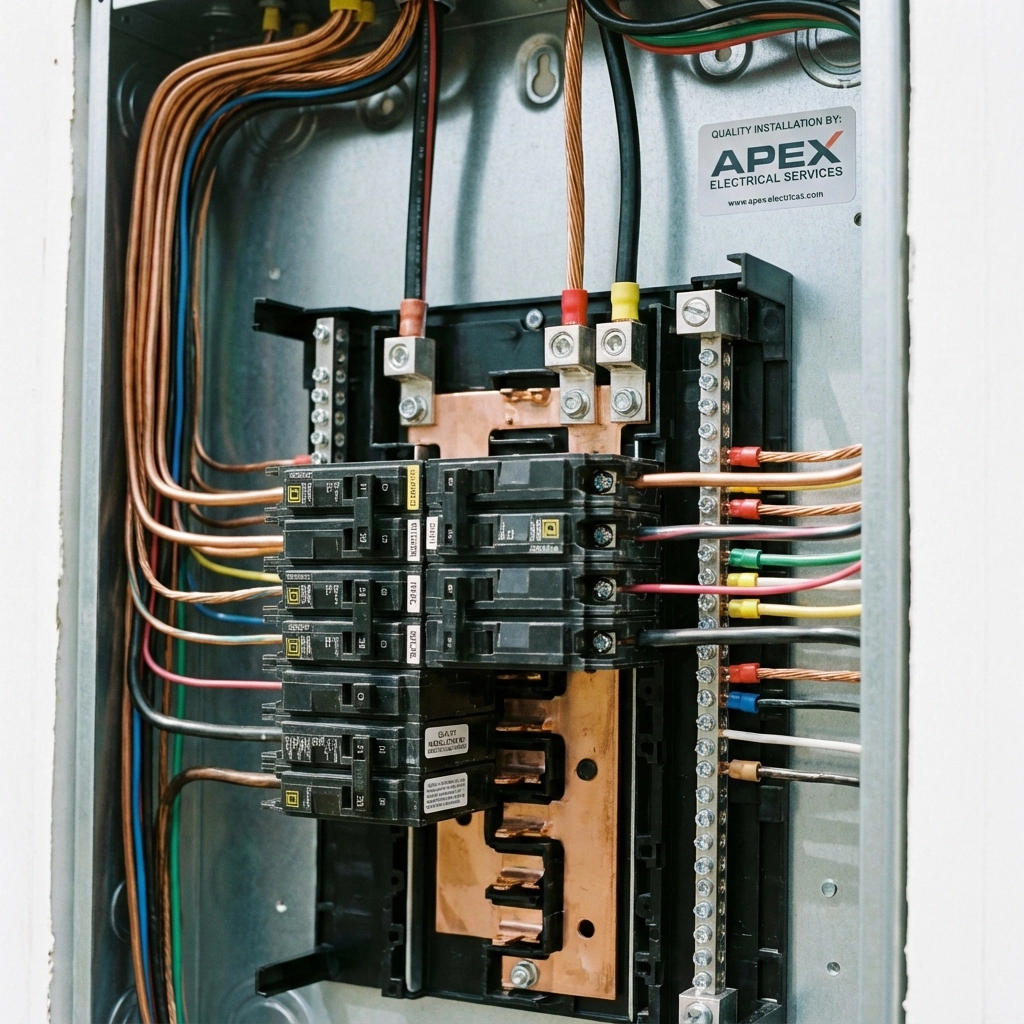
What Happens If You Wait: The Real Consequences
Delaying an electrical panel upgrade isn't just about living with inconvenience. The risks compound over time and create genuine safety hazards for your family.
Safety Risks Escalate
Overloaded electrical systems cause approximately 13% of home fires in the United States, according to the National Fire Protection Association. When your panel operates beyond its safe capacity, the risk of electrical fires increases significantly.
Specific hazards include:
- Wire insulation breakdown from excessive heat
- Loose connections creating dangerous arcing
- Circuit breakers failing to trip when they should
- Electrical components overheating inside walls where you can't see them
Modern Convenience Becomes Impossible
Your inability to safely power today's lifestyle will only worsen as technology advances. Consider what you can't add to an inadequate electrical system:
- Electric vehicle charging stations (require dedicated 240V circuits)
- Whole-house generators (need significant electrical integration)
- High-efficiency HVAC systems (often require additional circuits)
- Kitchen remodeling projects (modern kitchens need multiple dedicated circuits)
- Solar panel installations (require electrical panel upgrades in most cases)
Insurance and Resale Value Implications
Many homeowner's insurance companies now require electrical inspections for policies on homes with older electrical systems. Outdated panels can affect coverage or result in higher premiums.
When selling your home, potential buyers' inspectors will identify electrical deficiencies, potentially affecting your sale price or requiring costly updates before closing.
Code Compliance Issues
Atlanta and Gwinnett County building codes require electrical systems to meet current safety standards for any major renovations or additions. If your panel doesn't comply with current codes, you'll face mandatory upgrades for any permitted electrical work.
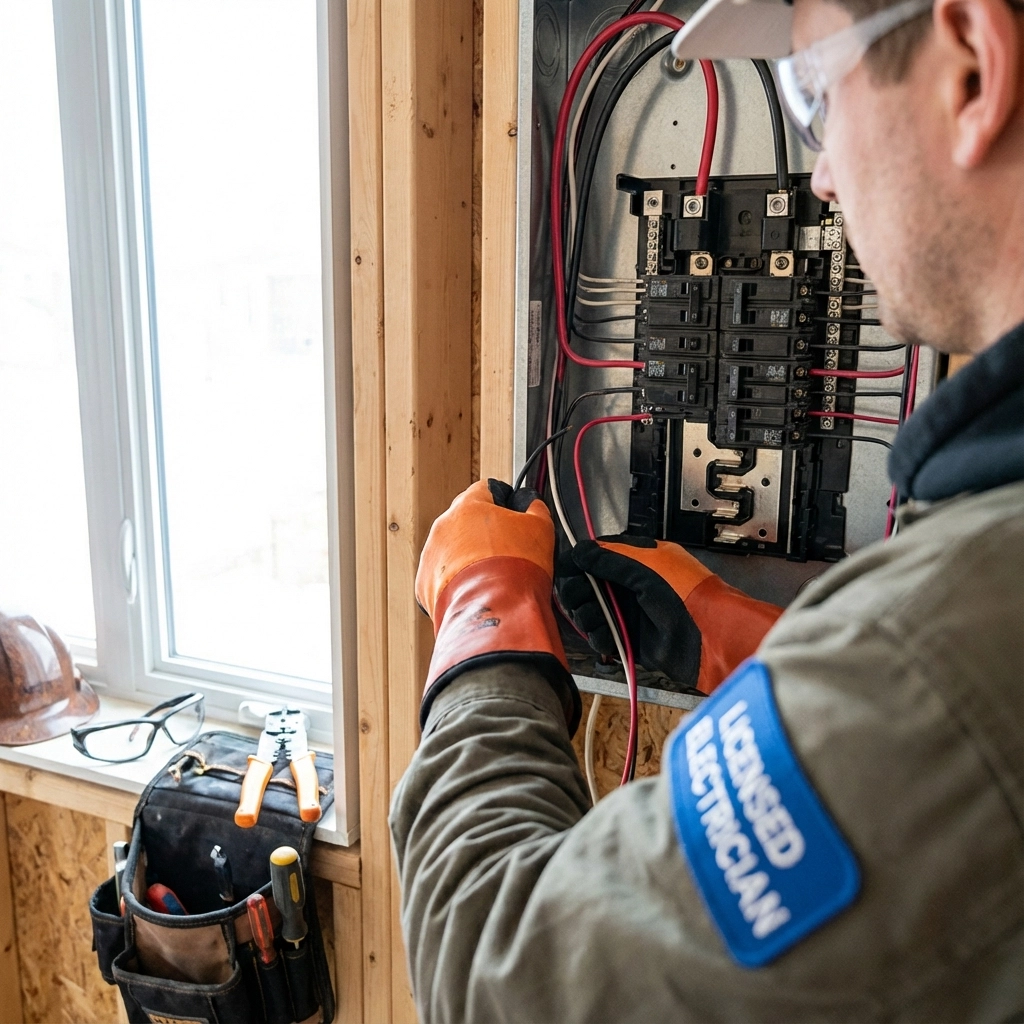
Atlanta-Specific Considerations
Metro Atlanta's rapid growth and older housing stock create unique electrical challenges. Many neighborhoods feature homes built between 1970-2000 with electrical systems designed for much lower power demands than today's lifestyle requires.
Local factors affecting electrical panel needs:
- Georgia's hot, humid summers increase air conditioning loads
- Growing adoption of electric vehicles requiring charging infrastructure
- Smart home technology integration demanding consistent power quality
- Updated electrical codes requiring enhanced safety features
The good news? Atlanta's electrical infrastructure and professional services can easily support panel upgrades. Local electrical codes align with national safety standards, and qualified electricians understand the specific challenges of upgrading older Metro Atlanta homes.
Next Steps: What to Do If You Recognize These Signs
If you've identified one or more warning signs in your home, here's your action plan:
Immediate steps:
- Document the issues – Note when breakers trip, which circuits are affected, and any sounds or smells from your panel
- Avoid overloading circuits – Distribute electrical loads across different circuits when possible
- Schedule a professional inspection – A licensed electrician can assess your system's capacity and safety
Professional evaluation should include:
- Load calculation to determine if your current panel meets your power needs
- Safety inspection of existing wiring and connections
- Code compliance review for current Atlanta electrical standards
- Recommendations for panel upgrades or electrical system improvements
Questions to ask during your consultation:
- Does my current panel meet modern safety codes?
- What's the maximum safe electrical load for my existing system?
- How would a panel upgrade affect my home's resale value?
- What permits and inspections are required for upgrade work?
Don't wait until electrical problems become safety emergencies. Professional assessment costs far less than dealing with electrical fires, damaged appliances, or emergency repairs.
Your electrical panel works quietly behind the scenes, but these five warning signs give you clear signals when it's struggling. Recognizing them early and taking action protects your family's safety while ensuring your home can support modern electrical demands.
Ready for peace of mind about your home's electrical safety? Contact Radiant Electric for a comprehensive electrical panel inspection. Our licensed electricians serve Metro Atlanta and Gwinnett County with professional assessments and code-compliant upgrade solutions.