7 Signs Your Electrical Panel Needs Attention Before Winter Weather Hits Lawrenceville and Marietta
You're running a space heater in the bedroom while the washing machine cycles through a load of blankets. The furnace kicks on. Someone turns on the microwave. And then, click, everything goes dark.
Sound familiar?
If you've lived through a few Georgia winters in Lawrenceville, Marietta, or anywhere across Metro Atlanta, you've probably experienced this scenario at least once. And while it's tempting to just flip the breaker back on and move along with your day, that tripped breaker might be telling you something important.
This isn't about scaring anyone. Your electrical panel is designed with safety features that protect you. But those safety features are also signals, little warnings that your home's electrical system might need some attention before the real cold weather arrives.
Here's what to watch for.
1. Your Breakers Keep Tripping When Temperatures Drop
Here's the thing about winter in Gwinnett County: it doesn't just get cold, it gets busy electrically. Your HVAC system works overtime. Space heaters come out of storage. Holiday lights go up. And suddenly, your electrical panel is handling way more demand than it sees during the mild spring months.
If your breakers are tripping more frequently during cold snaps, your system is telling you it's overloaded. The breaker trip is actually a good thing, it's preventing wires from overheating and potentially causing a fire. But repeated trips mean you're consistently pushing your panel past its comfort zone.
What to do: Track which breaker trips and when. If it's the same circuit every time (say, the one running your bedroom and bathroom), that circuit might be undersized for your current needs. A licensed electrician can evaluate whether you need circuit upgrades or a panel replacement.
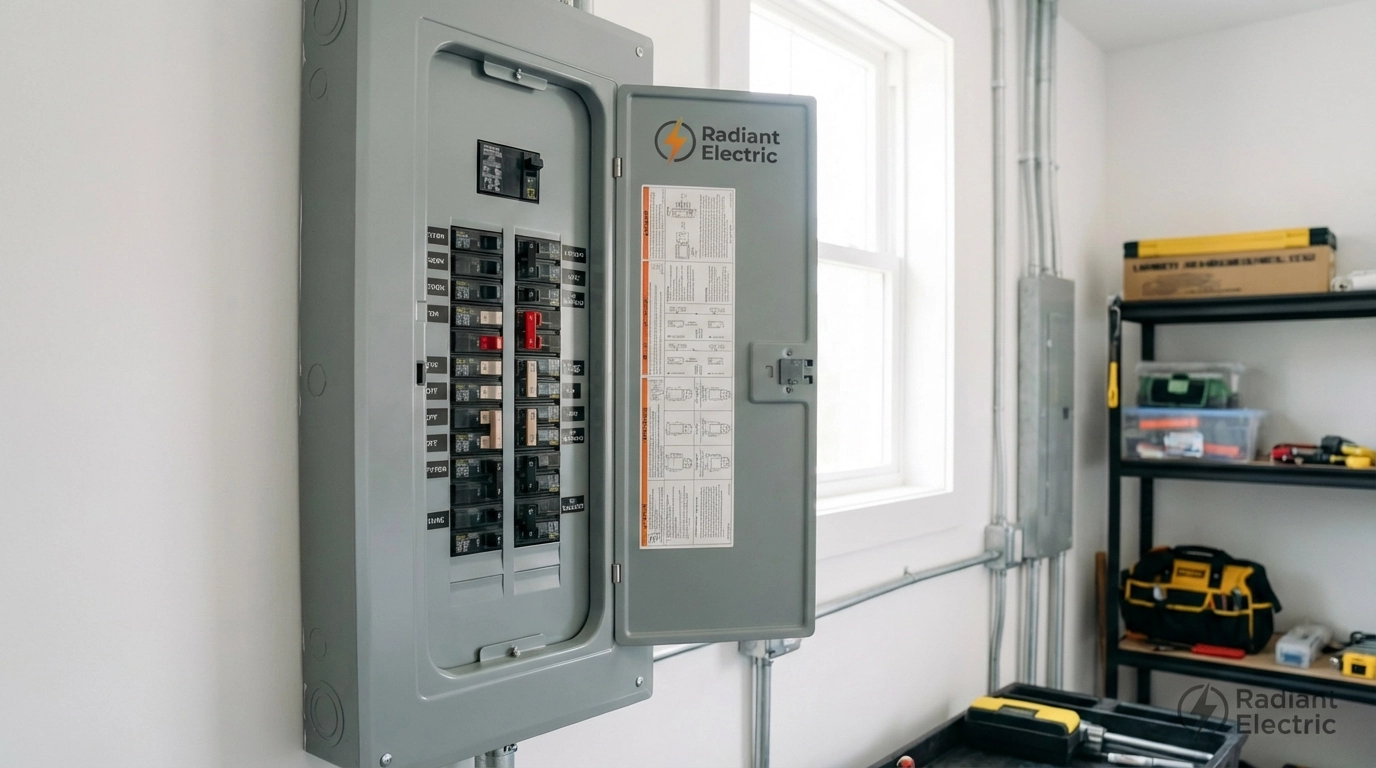
2. Lights Flicker or Dim When Appliances Turn On
Picture this: you turn on the vacuum cleaner, and the kitchen lights dim for a second. Or the bedroom lamp flickers every time the furnace kicks on.
Most people think this is just a quirk of older homes. It's not.
Flickering and dimming lights indicate voltage fluctuations. Here's what that really means: your electrical panel is struggling to distribute power evenly across your home. When a high-draw appliance (like a furnace, dryer, or space heater) demands electricity, the panel can't keep up, and other circuits suffer.
This often points to an undersized panel, aging breakers, or loose internal connections: all of which become more problematic in winter when electrical demand spikes by 30-50%.
The takeaway: Occasional, minor flickering during major appliance startup isn't always an emergency. But if it's frequent, noticeable, or getting worse, schedule an inspection before winter peaks.
3. The Panel Feels Warm (or Hot) to the Touch
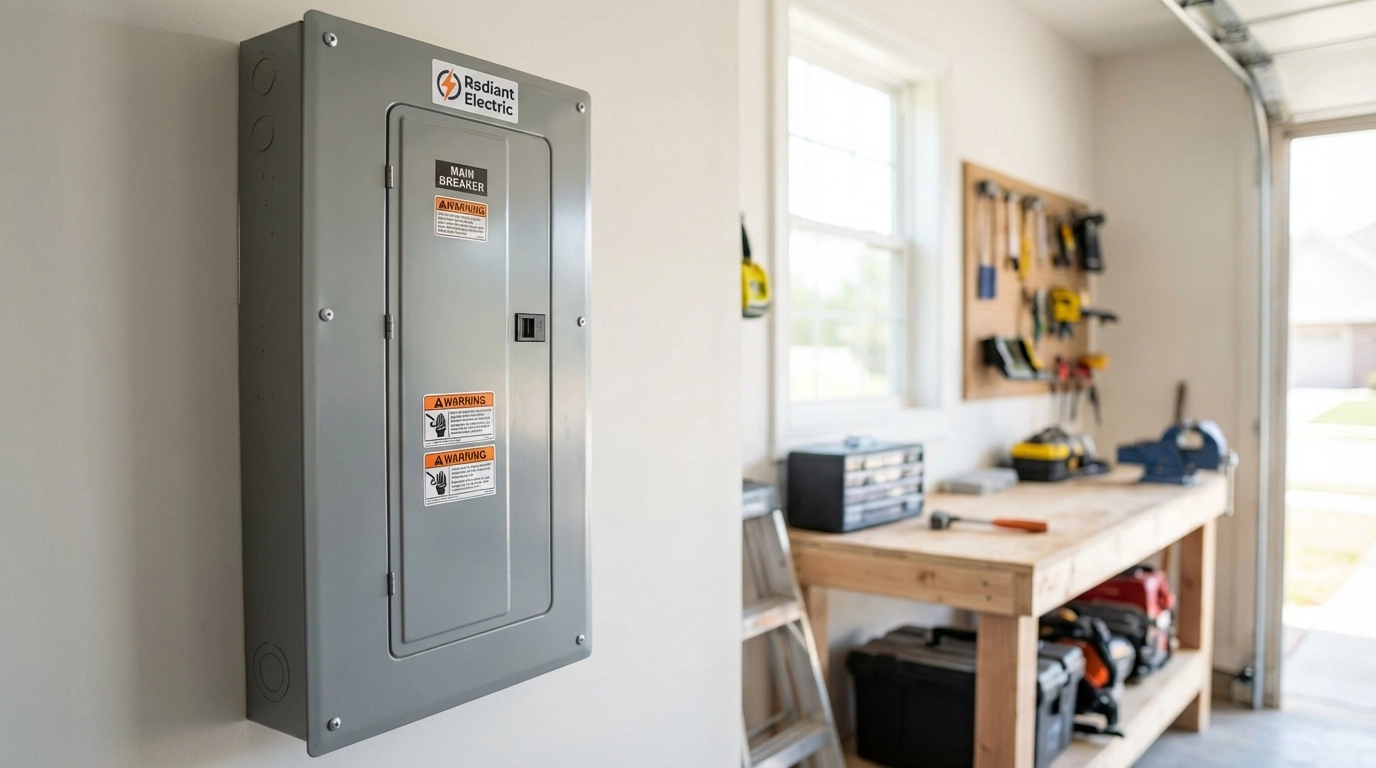
Your electrical panel should never feel warm. Not slightly warm. Not "a little toasty." Not anything above room temperature.
If you place your hand near your panel and feel heat radiating from it, that's a serious warning sign. Heat buildup indicates resistance in the electrical system: meaning electricity isn't flowing smoothly. It could be overloaded circuits, failing breakers, or damaged internal components.
Here's why this matters: heat is one of the most common precursors to electrical fires. And winter is when this issue becomes most dangerous because your system is already working harder than usual.
Do this now: Walk over to your electrical panel. Carefully place the back of your hand near (not on) the panel door. Any warmth? Call a licensed electrician immediately. This isn't a wait-and-see situation.
4. You Smell Burning or See Scorch Marks
This one might seem obvious, but you'd be surprised how many homeowners in Marietta and Lawrenceville dismiss a faint burning smell as "something from the kitchen" or "the heater warming up."
If you smell burning plastic, melted insulation, or anything acrid coming from near your electrical panel, take it seriously. The same goes for visible scorch marks around breakers or on the panel door itself.
What's happening is that something inside is overheating. Maybe it's a failing breaker. Maybe it's damaged wiring. Either way, winter power demand amplifies existing weaknesses. A minor issue that barely showed up in August can escalate quickly in January when your system is under maximum stress.
Critical guidance: If you detect burning smells from your panel, do not ignore it. Do not wait until Monday. Contact a professional electrician right away. This is genuinely urgent.
5. You Hear Buzzing, Crackling, or Popping Sounds
A healthy electrical panel is quiet. Maybe you hear a faint hum if you press your ear right up against it, but that's about it.
Buzzing, crackling, sizzling, or popping sounds are different. These noises typically indicate:
- Loose connections inside the panel
- Arcing electricity jumping between contact points
- Failing breakers that aren't making proper contact
Cold weather makes these problems worse. Materials inside your panel expand and contract with temperature changes, and connections that were barely adequate in summer can become dangerously loose in winter.
Arcing is especially concerning because it produces heat and sparks. Inside an enclosed metal box surrounded by wires? That's a significant fire risk.
What you should do: If your panel makes any sound beyond a soft electrical hum, don't open it yourself. Call a licensed electrician to inspect it before the next freeze rolls through Metro Atlanta.
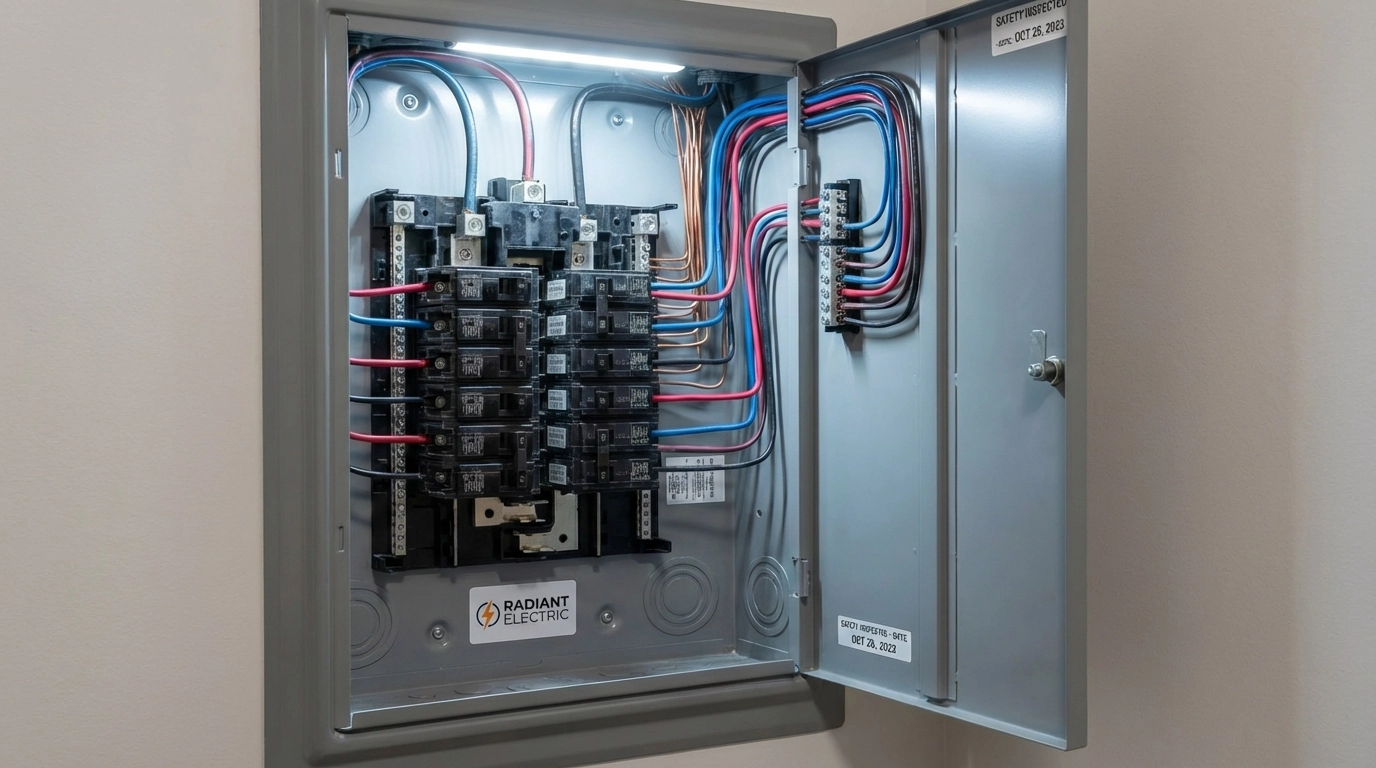
6. There's Moisture, Rust, or Frost Around the Panel
This sign is easy to miss because most homeowners don't spend much time examining their electrical panels. But if you take a close look and see:
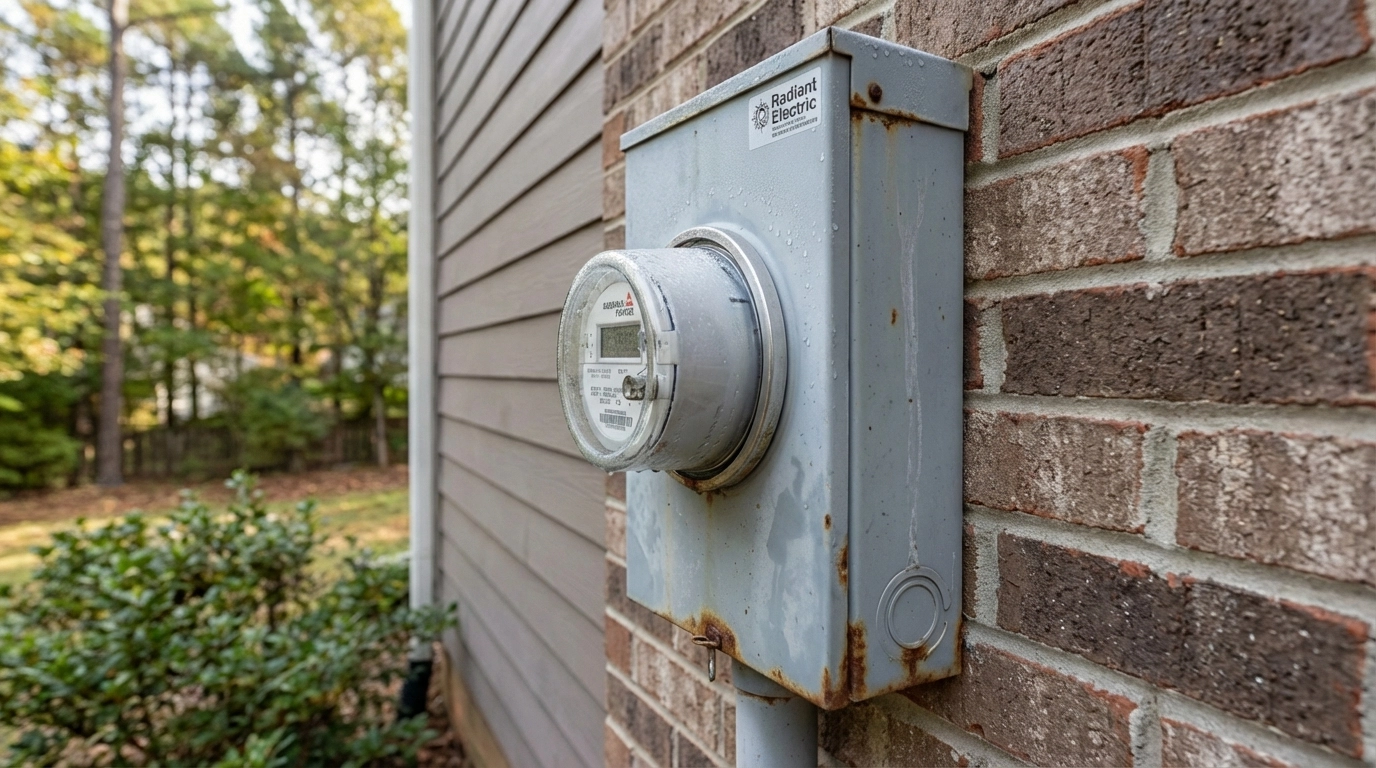
- Rust or corrosion on the panel door
- Frost or condensation on or around the panel
- Water stains on the wall nearby
…you've got a moisture problem that needs attention.
Here's what that really means: water and electricity are a dangerous combination. Moisture increases the risk of short circuits and electrical arcing, especially during deep freezes when condensation can form and refreeze inside the panel housing.
Homes in Gwinnett County and across Metro Atlanta often have panels installed in garages, basements, or utility rooms where humidity fluctuates. If your panel is in one of these locations, a quick visual inspection before winter is well worth your time.
Pro tip: Look for white or greenish deposits on breakers or wiring: that's corrosion from moisture exposure and a clear sign you need professional evaluation.
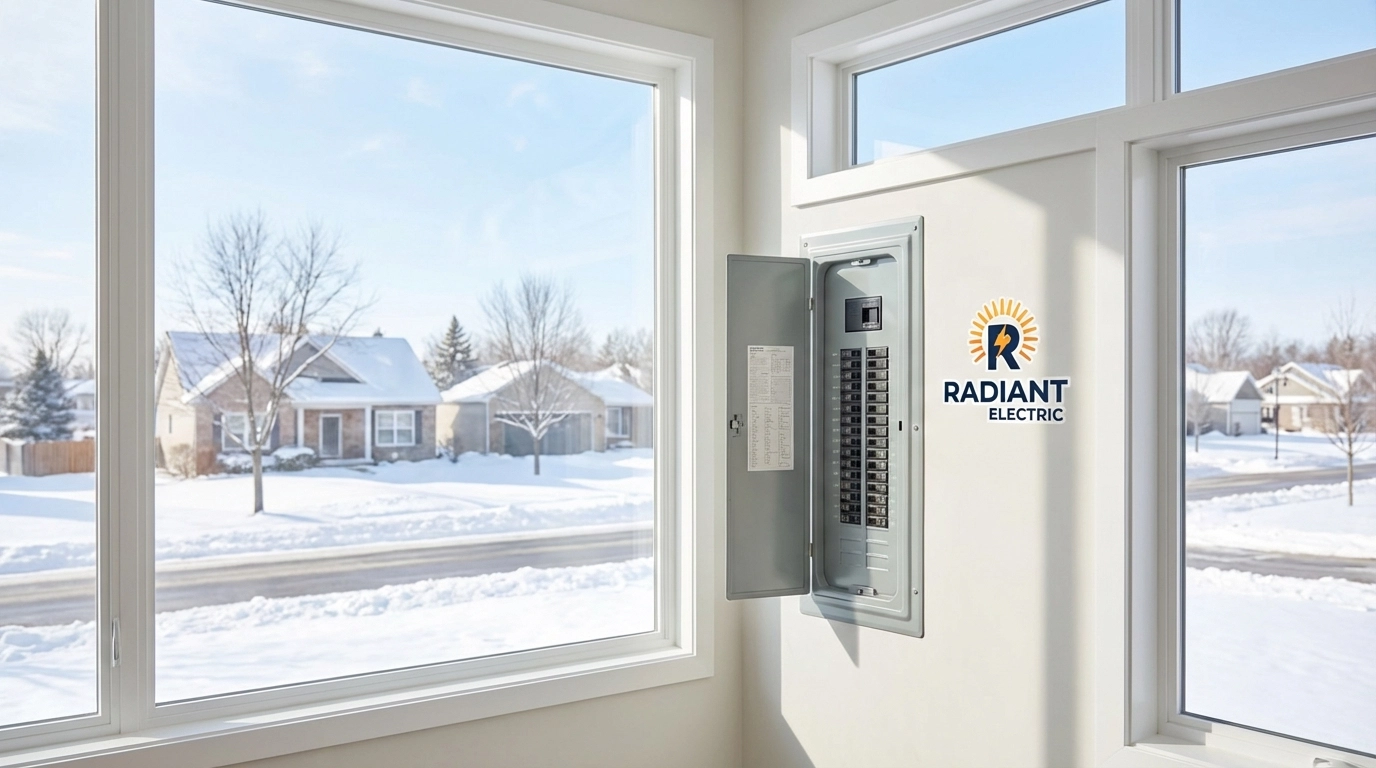
7. Your Electrical Panel Is More Than 25 Years Old
Here's a question most Lawrenceville and Marietta homeowners haven't considered: How old is your electrical panel?
The average lifespan of an electrical panel is 25 to 40 years. If your home was built before 2000 and still has its original panel, it's likely approaching: or past: the end of its reliable service life.
Older panels struggle more during winter, and it's often not because of seasonal fluctuations. It's because homes today use significantly more electricity than they did in the 1990s. We have more devices, bigger appliances, home offices, EV chargers, and smart home systems all pulling power.
An aging panel that was adequate for a 1995 household simply can't keep up with 2026 electrical demands, especially during peak winter usage.
Consider this: If your panel is older than 25 years, November and early winter are the ideal times to schedule an inspection: before freezing temperatures create emergency situations.
For more on panel upgrades specifically, check out our guide on 5 Signs Your Atlanta Home Needs an Electrical Panel Upgrade in 2026.
Winter-Ready Homes Start with Safe Electrical Systems
None of these signs mean your house is about to burn down. That's not what this is about.
What these warning signs do tell you is that your electrical system might need professional attention before Georgia's winter weather puts it under maximum stress. Catching issues now: while temperatures are manageable and schedules are open: is far better than dealing with an emergency during a January ice storm.
If you've noticed any of these signals in your Lawrenceville, Marietta, or Metro Atlanta home, now is the time to act. A professional inspection takes the guesswork out of the equation and gives you peace of mind heading into the coldest months.
Ready to get your electrical panel inspected before winter hits? Contact Radiant Electric to schedule your evaluation today. We serve homeowners throughout Gwinnett County and Metro Atlanta with honest, professional electrical services: no pressure, just expertise.