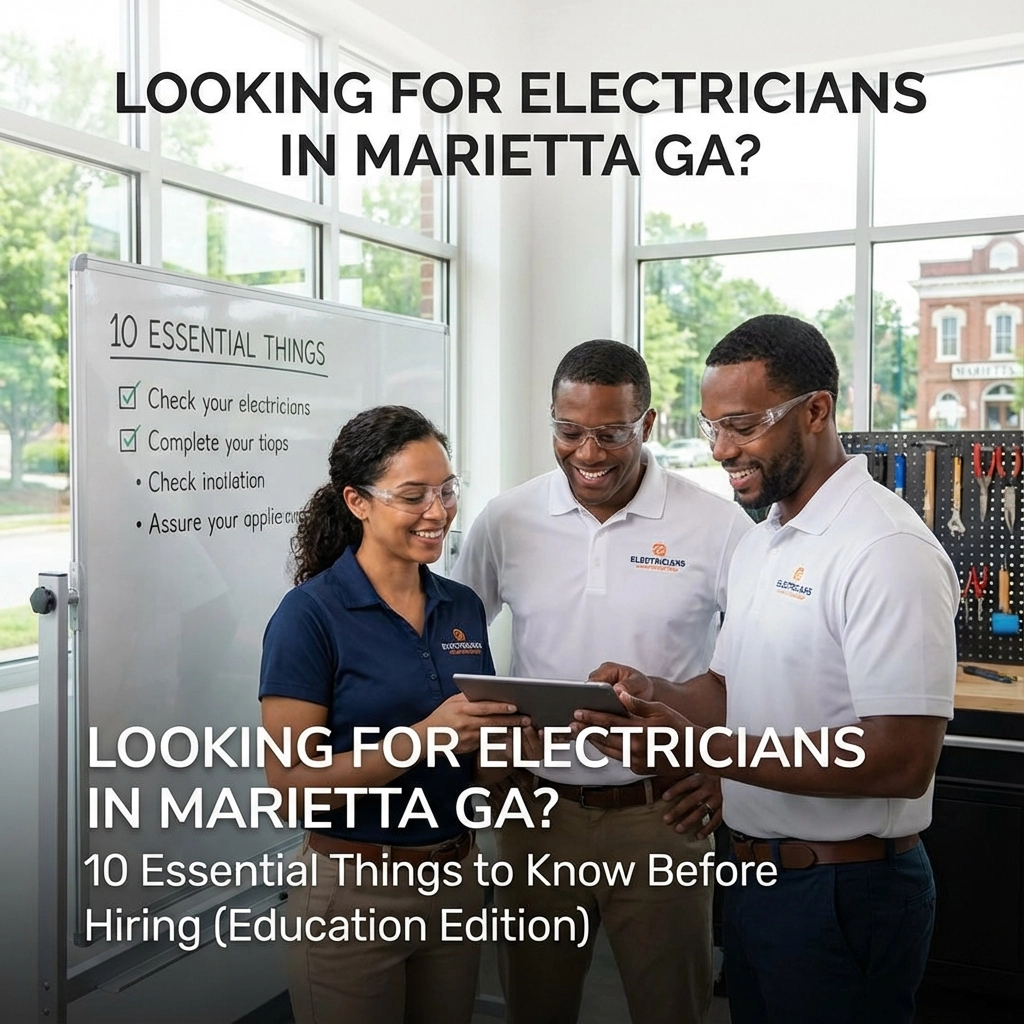
Looking For Electricians in Marietta GA? 10 Essential Things to Know Before Hiring (Education Edition)
When you're dealing with electrical issues in your Marietta home, finding the right electrician isn't just about getting the job done: it's about safety, quality, and peace of mind. Most homeowners think all electricians are basically the same, but here's the reality: the education, training, and qualifications behind that license can vary dramatically.
This isn't about scaring anyone. It's about giving you the knowledge to make an informed decision when electrical problems strike. Whether you're in Marietta, nearby Smyrna, or anywhere across Gwinnett County, understanding what separates a truly qualified electrician from someone just getting by can save you money, headaches, and potentially dangerous situations.
1. Verify They Meet Georgia's Minimum Education Requirements
Every licensed electrician in Georgia must be at least 21 years old and hold a high school diploma or GED. Here's what that really means: they've demonstrated basic educational competency before even beginning their electrical training.
But here's where it gets interesting: many electricians go beyond these minimums. Look for electricians who've pursued additional education through technical schools or community colleges. In the Metro Atlanta area, programs at schools like Gwinnett Technical College provide advanced electrical theory that goes well beyond basic requirements.
Key takeaway: Ask about their foundational education. A high school diploma is the bare minimum, but additional technical education often signals commitment to the trade.
2. Understand the Massive Training Investment Behind Their License
Most people think becoming an electrician is quick and easy. The reality? Licensed electricians in Georgia must complete 8,000 hours of hands-on training and 576 hours of classroom instruction. That's roughly four years of intensive education and practice.
Here's what those numbers actually mean: 8,000 hours equals about 4,800 typical workdays of learning on the job. The 576 classroom hours cover electrical theory, safety protocols, code requirements, and advanced system troubleshooting. This isn't casual weekend training: it's comprehensive professional development.
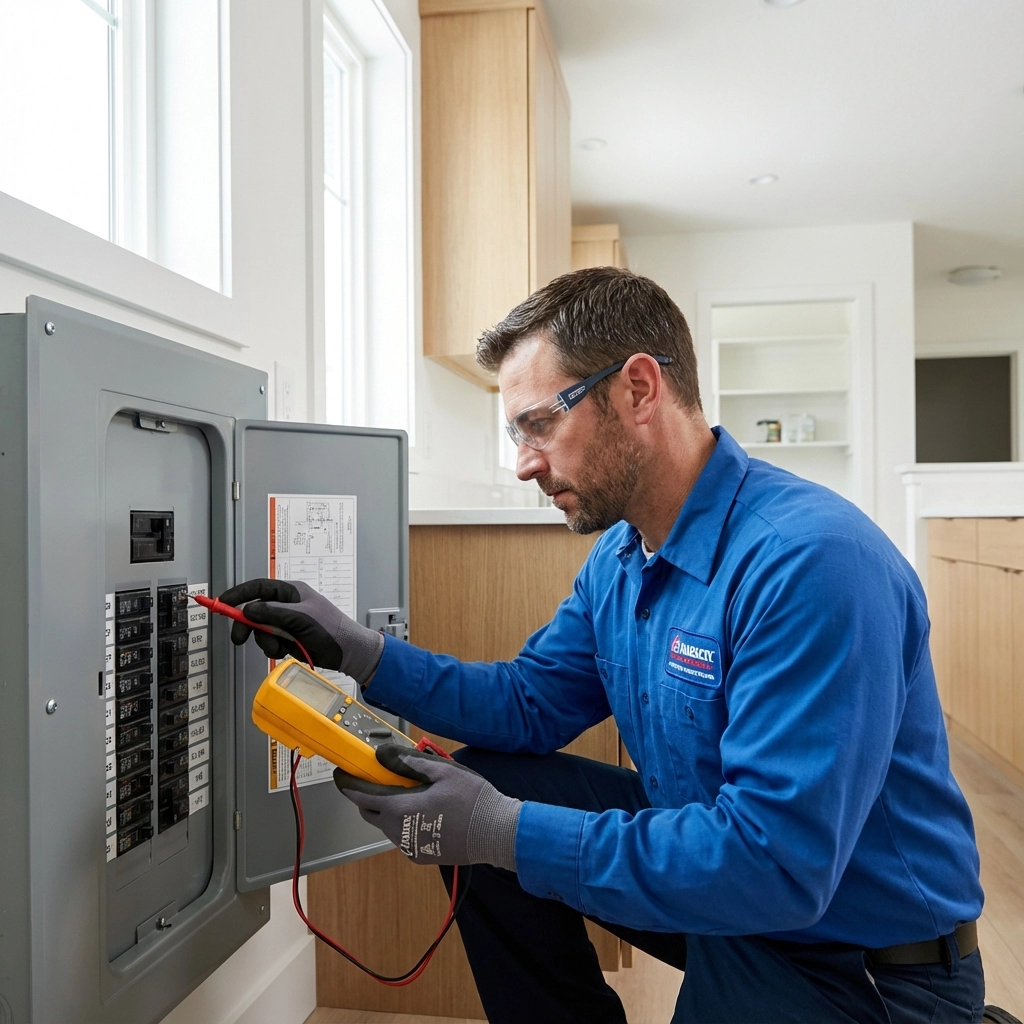
When you're comparing electricians in Marietta, ask about their apprenticeship program. Those who completed programs through organizations like the Independent Electrical Contractors (IEC) or IBEW Local Union 613 hold nationally recognized credentials that demonstrate standardized, high-quality training.
3. Know the Two Types of Electrical Licenses in Georgia
Georgia classifies electricians as electrical contractors with two main license types: Class I and Class II. Most homeowners don't realize there's a difference, but it matters for your project.
Class I contractors handle standard residential and commercial electrical systems. Class II contractors have additional qualifications and experience working with systems over 200 amperes: think larger commercial buildings or homes with extensive electrical demands.
For most Marietta homeowners, either license type will handle your needs, but understanding the distinction helps you gauge their experience level. A Class II contractor has demonstrated ability to work on more complex systems, which often translates to broader troubleshooting skills even on simpler residential projects.
4. Confirm They Passed Georgia's Rigorous Licensing Exam
Here's something that might surprise you: Georgia's electrical licensing exam isn't a simple multiple-choice test you can cram for over a weekend. The exam contains 155-162 questions depending on license type, covering electrical circuits, safety protocols, transformers, controls, and interior electrical systems.
The passing score requirement is 70%, and the exam is administered by PSI, a national testing organization that maintains consistent standards. Many candidates need multiple attempts to pass, which means your electrician had to demonstrate real knowledge, not just basic familiarity with electrical work.
Ask potential electricians about their exam experience. Those who passed on the first attempt or scored well above the minimum often possess deeper understanding of electrical principles.
5. Verify Four Years of Documented Professional Experience
Beyond education and testing, Georgia requires electrical contractor license applicants to provide documented proof of four years of electrician experience, plus three professional references with at least one from another licensed electrical contractor.
This requirement exists because electrical work involves judgment calls that only come from real-world experience. Book knowledge teaches you how circuits should work; hands-on experience teaches you how to troubleshoot when they don't work as expected.
When interviewing electricians for your Marietta project, ask about their experience timeline and reference availability. Established professionals should readily provide this information, while those hesitant to discuss their background might be newer to the field than you'd prefer for complex electrical issues.
6. Check Their Continuing Education Compliance
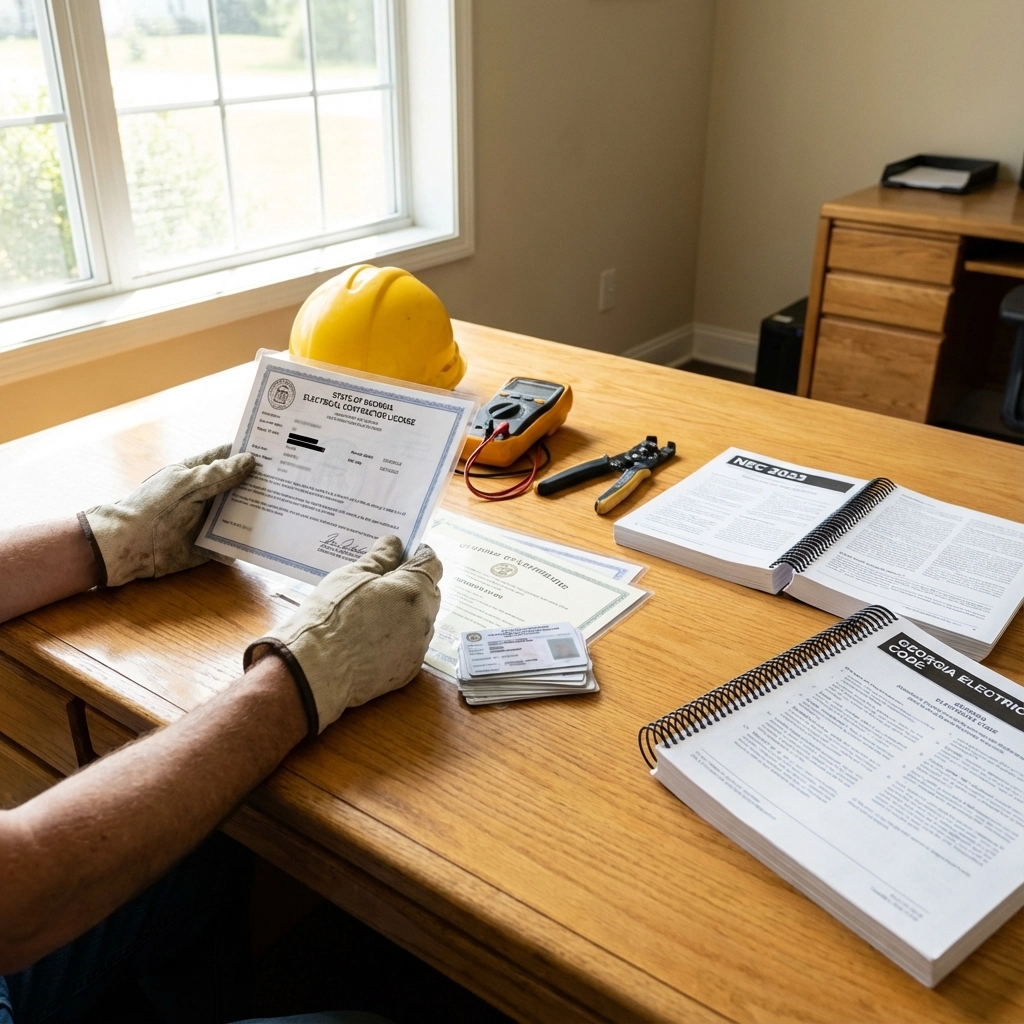
Here's where many homeowners get caught off guard: electrical licenses aren't "set it and forget it" credentials. Georgia requires licensed electricians to complete 4 hours of continuing education annually: 8 hours total every two-year renewal period.
This ongoing education requirement ensures electricians stay current with evolving electrical codes, new safety protocols, and advancing technology. The National Electrical Code updates every three years, and local jurisdictions often adopt additional requirements.
Ask potential electricians about their recent continuing education courses. Those who exceed minimum requirements or pursue advanced topics like smart home technology, energy efficiency, or commercial systems demonstrate commitment to professional growth.
7. Understand License Renewal Dates and Current Status
Georgia electrical licenses must be renewed by June 30 of every even-numbered year. This might seem like administrative detail, but it's actually crucial information for homeowners.
An expired license means the electrician legally cannot perform electrical work in Georgia. More importantly, insurance coverage and warranty protection often depend on current licensing status. If something goes wrong with electrical work performed by someone with an expired license, you might discover your homeowner's insurance won't cover resulting damages.
Before hiring any electrician in Marietta or surrounding Gwinnett County areas, verify their license status through the Georgia Construction Industry Licensing Board website. Current licenses indicate ongoing compliance with state requirements and professional standards.
8. Look for Nationally Recognized Apprenticeship Program Completion
While Georgia sets minimum training requirements, many electricians complete apprenticeship programs that exceed state minimums. Programs through the Independent Electrical Contractors (IEC) or International Brotherhood of Electrical Workers (IBEW) provide standardized training recognized across the United States.
These programs often include advanced coursework in electrical theory, motor controls, programmable logic controllers, and specialized commercial applications. Electricians from these programs typically possess broader skill sets and deeper understanding of electrical principles.
For homeowners in Metro Atlanta, this often translates to more efficient troubleshooting and higher-quality installations, even on basic residential projects.
9. Ask About Their Specialty Training and Advanced Education
Beyond basic licensing requirements, many electricians pursue specialized training in areas like home automation, solar installation, electric vehicle charging systems, or energy efficiency upgrades.
In the rapidly evolving electrical field, these specializations matter. Smart home systems, LED lighting upgrades, and EV charger installations require knowledge beyond traditional residential wiring. Electricians who invest in ongoing education typically provide more comprehensive service and better long-term value.
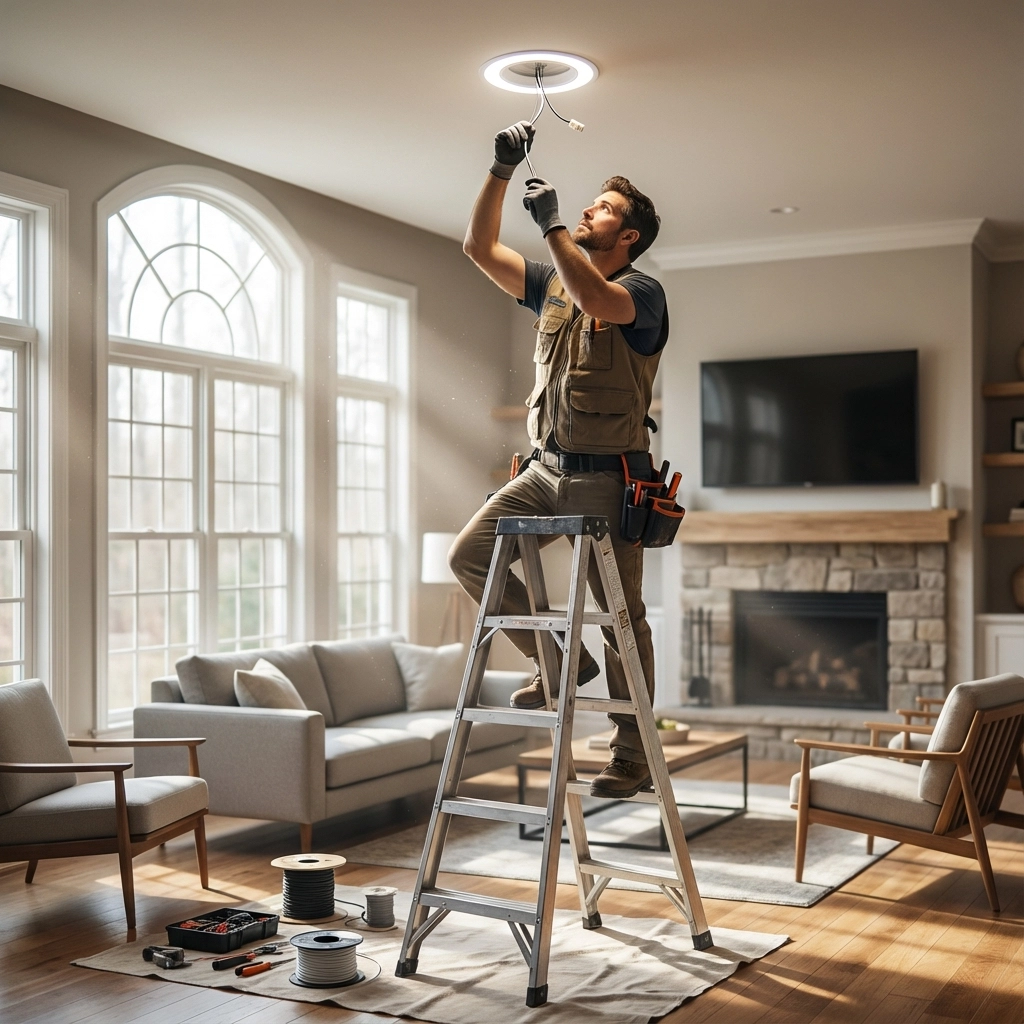
When evaluating electricians for your Marietta home, ask about any specialty certifications or advanced training they've completed. This information helps you match the right professional to your specific project needs.
10. Understand What Sets Professional Operations Apart
Education and licensing create the foundation, but professional electrical companies build on that foundation with additional protections and services. Look for electricians who provide comprehensive insurance coverage, written warranties on work performed, and transparent pricing structures.
At Radiant Electric, we combine Georgia-licensed expertise with full insurance coverage, same-day repair capabilities, and warranty-backed service across Marietta, Gwinnett County, and Metro Atlanta. Our team's ongoing education includes advanced training in energy-efficient solutions, smart home integration, and modern safety protocols.
The difference between adequate and exceptional electrical service often comes down to the company's commitment to professional standards beyond minimum licensing requirements.
Ready to Experience Professional Electrical Service?
Understanding electrician education and qualifications helps you make informed decisions, but you shouldn't have to verify credentials and research backgrounds every time electrical issues arise in your Marietta home.
Get a free estimate from Radiant Electric's fully licensed, insured team. We provide transparent pricing, same-day service when possible, and warranty-backed work across Marietta, Gwinnett County, and surrounding Metro Atlanta communities.
Whether you need electrical inspections, panel upgrades, lighting installations, or emergency repairs, our team's extensive training and ongoing education ensure your project receives professional-grade service from start to finish.
Contact Radiant Electric today for reliable electrical solutions backed by education, experience, and local expertise.