Why Everyone in Marietta Is Talking About EV Charger Installation (And You Should Too)
Let's be honest: not literally everyone in Marietta is talking about EV charger installation. But here's what is happening: your neighbors are quietly installing home charging stations, property values are shifting based on EV readiness, and more families are making the switch to electric vehicles than you might realize.
This isn't about jumping on a trend or keeping up with the Joneses. It's about understanding a practical shift that's already happening in metro Atlanta and figuring out if it makes sense for your home and family.
The Real Story Behind EV Charger Installation in Marietta
Walk through any Marietta neighborhood and you'll spot the telltale signs. That sleek charging port mounted on garage walls. The discrete electrical boxes appearing next to driveways. Tesla Model Ys and Chevy Bolts parked where gas-powered SUVs used to sit.
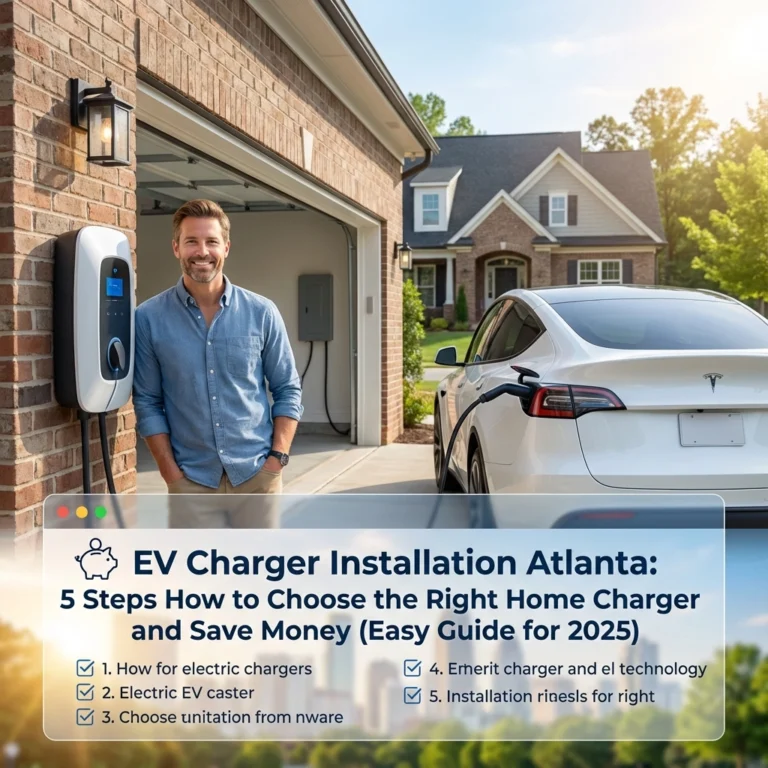
Here's what's really driving this change: convenience beats everything else. Homeowners who've installed EV chargers aren't doing it to make a statement: they're doing it because charging at home is ridiculously convenient compared to hunting down public charging stations.
Think about it this way. When your phone battery hits 20%, do you drive to a charging station or plug it in at home? Same logic applies to electric vehicles, except the stakes are higher when you're talking about getting to work tomorrow morning.

Why Marietta Homeowners Are Actually Installing EV Chargers
It's not about being environmentally conscious (though that's a nice bonus). The real reasons are much more practical:
Your daily routine gets simpler. No more gas station stops, no more checking fuel prices, no more detours when you're running late. You park, you plug in, you wake up with a "full tank" every morning.
Your property value gets protected. Real estate agents are already seeing buyers specifically ask about EV charging capability. Installing a charger now positions your home for the market shift that's already happening, not one that might happen someday.
You avoid the public charging hassle. Have you tried using public charging stations during a road trip? Half the time they're broken, occupied, or charging at glacial speeds. Home charging eliminates that uncertainty completely.
The math actually works out. Georgia Power's residential rates make home charging significantly cheaper than gasoline, especially when you charge overnight during off-peak hours.
What Most People Get Wrong About EV Charger Installation
Most homeowners think installing an EV charger is either impossibly complex or ridiculously simple. The reality sits somewhere in the middle, and understanding that difference could save you thousands of dollars and major headaches.
Misconception #1: Any electrician can handle EV charger installation
Not exactly true. While any licensed electrician in Marietta has the basic skills, EV charger installation requires specific knowledge about charging levels, electrical load calculations, and manufacturer requirements. You want an electrician who's done dozens of these installations, not someone figuring it out as they go.
Here's what that really means: A standard electrician might install your charger correctly, but an experienced EV specialist will also evaluate your electrical panel capacity, recommend the optimal charging speed for your needs, and ensure everything meets current codes that are rapidly evolving.

Misconception #2: All EV chargers are basically the same
This one trips up almost everyone. EV chargers come in different "levels" with dramatically different installation requirements:
- Level 1 chargers plug into standard household outlets but charge painfully slowly (3-5 miles of range per hour)
- Level 2 chargers require 240V connections like your dryer and charge much faster (25-40 miles of range per hour)
- Level 3 chargers are the commercial fast-chargers you see at shopping centers and aren't practical for home installation
Most Marietta homeowners need Level 2 installation, which means dedicated 240V wiring and potentially electrical panel upgrades.
Misconception #3: Installation is a simple weekend project
Even if you're handy with electrical work, EV charger installation isn't a DIY project. Georgia electrical codes require permits and inspections for 240V installations. Plus, most EV manufacturers void warranties if the charger isn't professionally installed with proper documentation.
More importantly, incorrect installation can create fire hazards, damage your vehicle's charging system, or trip your main breaker every time you try to charge.
The Technical Stuff You Need to Know (In Plain English)
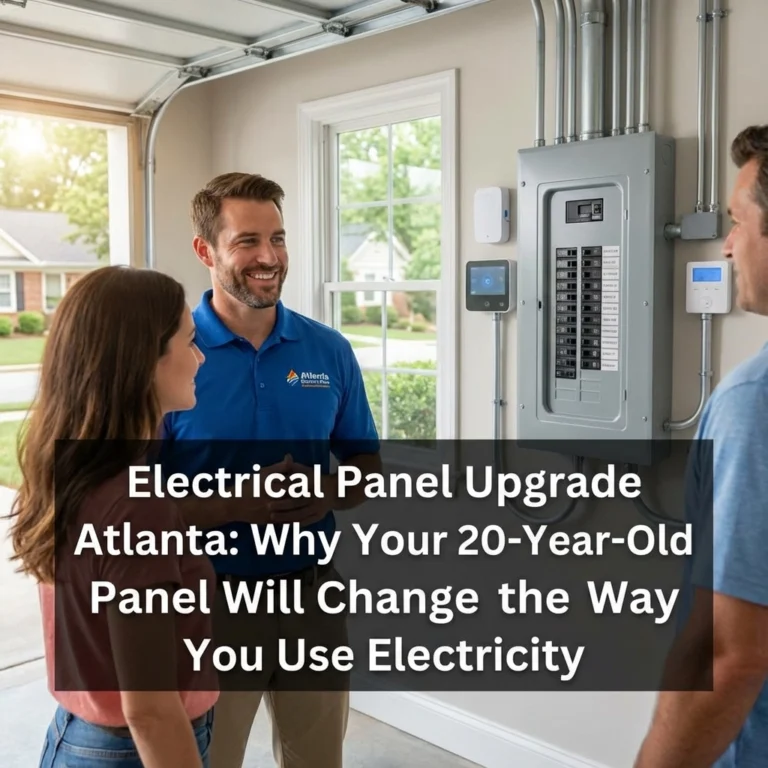
Your electrical panel capacity matters more than you think. Most homes built before 2010 have 100-amp or 150-amp electrical panels. Adding an EV charger that draws 40-50 amps might push your system beyond its limits, especially if you're running air conditioning, electric dryers, and other high-draw appliances simultaneously.
Here's what that really means: An experienced electrician will perform a load calculation to determine if your current panel can handle an EV charger or if you need an upgrade. Panel upgrades typically add $1,500-$3,000 to installation costs, but they're necessary for safe operation.
Charging speed affects installation complexity. A 40-amp charger installs faster and costs less than a 60-amp charger, but the 60-amp unit charges your vehicle significantly faster. The trade-off depends on your driving patterns and how quickly you need your car recharged each night.
Location impacts installation costs dramatically. Installing a charger on the garage wall directly adjacent to your electrical panel might cost $800-$1,200. Installing the same charger on the opposite side of your house could cost $2,000-$3,500 due to additional wiring requirements.

What Professional Installation Actually Includes
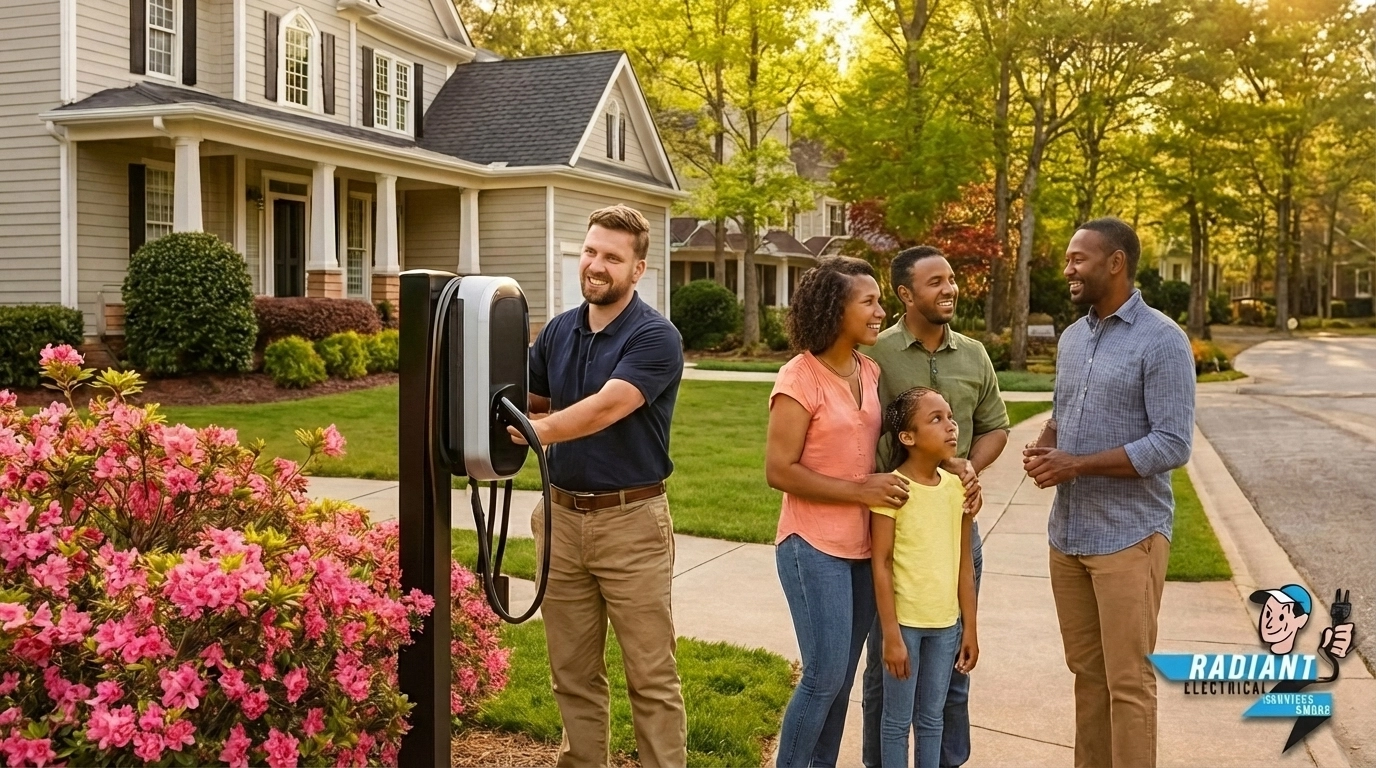
When you hire qualified electricians in Marietta GA for EV charger installation, here's what you should expect:
Electrical system evaluation to determine if your current setup can safely handle the additional load without compromising your home's electrical safety.
Permit acquisition and inspection coordination to ensure everything meets current Georgia electrical codes and your local municipality requirements.
Proper mounting and weatherproofing if you're installing an outdoor charger, including GFCI protection to prevent electrical hazards.
Load balancing configuration to prevent your EV charger from overloading your electrical system when other high-draw appliances are running.
Documentation and warranty registration to maintain your charger's warranty coverage and provide records for future home sales.
Professional installation typically takes 2-4 hours for straightforward installations, or a full day if electrical panel upgrades are required.
The Real Cost Breakdown for Marietta Homeowners
Basic Level 2 charger installation: $800-$1,500 including equipment, permits, and labor when your electrical panel has adequate capacity and the installation location is convenient.
Installation with electrical panel upgrade: $2,500-$4,500 total when your current panel needs upgrading to safely handle the additional electrical load.
Complex installations: $3,000-$6,000 for situations requiring trenching, long wire runs, or multiple code compliance modifications.
Ongoing costs: Essentially zero maintenance for quality chargers, plus roughly $30-60 monthly in additional electricity costs depending on your driving patterns and Georgia Power rates.
Most homeowners see payback within 2-3 years compared to gasoline costs, even accounting for installation expenses.
How to Choose the Right Electrician in Marietta
Look for EV-specific experience. Ask potential electricians how many EV chargers they've installed in the past year. You want someone who's done at least 50+ installations, not someone treating your project as a learning experience.
Verify licensing and insurance. Georgia requires electrical contractors to carry specific licensing and insurance coverage. Don't skip this verification step, even for smaller projects.
Get detailed written estimates that include equipment, labor, permits, and potential electrical upgrades. Vague estimates often lead to surprise costs during installation.
Check manufacturer certifications. Major charger manufacturers like Tesla, ChargePoint, and JuiceBox offer installer certification programs. Certified installers are more likely to complete installations correctly and maintain warranty coverage.
Your Next Steps
If you're considering EV charger installation, start with an electrical system evaluation. Most qualified electricians in Marietta will provide free assessments to determine your home's readiness and provide accurate installation estimates.
Don't wait until after you buy an electric vehicle. Installing charging infrastructure beforehand eliminates the stress of coordinating installation while you're learning to live with an EV.
The conversation about EV chargers in Marietta isn't really about keeping up with trends: it's about recognizing a practical shift that's already happening and positioning your home accordingly. Whether you're planning to buy an electric vehicle next month or next decade, understanding your options now gives you better control over timing and costs.
Contact Radiant Electric for a professional evaluation of your home's EV charging potential and get clear answers about what installation would actually involve for your specific situation.