Why Whole House Generators Are a Winter Essential for Atlanta Homes
Picture this: it's 2 AM, temperatures have dipped into the low 20s, and you wake up to a house that's suddenly gone silent. No hum of the furnace. No glow from your thermostat. Just darkness and a creeping chill that tells you the power's out: and it might not come back anytime soon.
For homeowners across Atlanta, Gwinnett County, Lawrenceville, and Marietta, this scenario isn't hypothetical. It happens every winter when ice storms roll through and knock out power to thousands of homes.
This isn't about scaring anyone. It's about understanding why whole house generators have become one of the smartest investments for Atlanta homeowners: and what you need to know before winter weather catches you off guard.
Why Atlanta Winters Are More Dangerous Than You Think
Most people assume Atlanta gets a pass on harsh winters. And sure, compared to cities up north, our winters are mild. But here's what that mild reputation hides: Atlanta's power grid isn't built for ice.
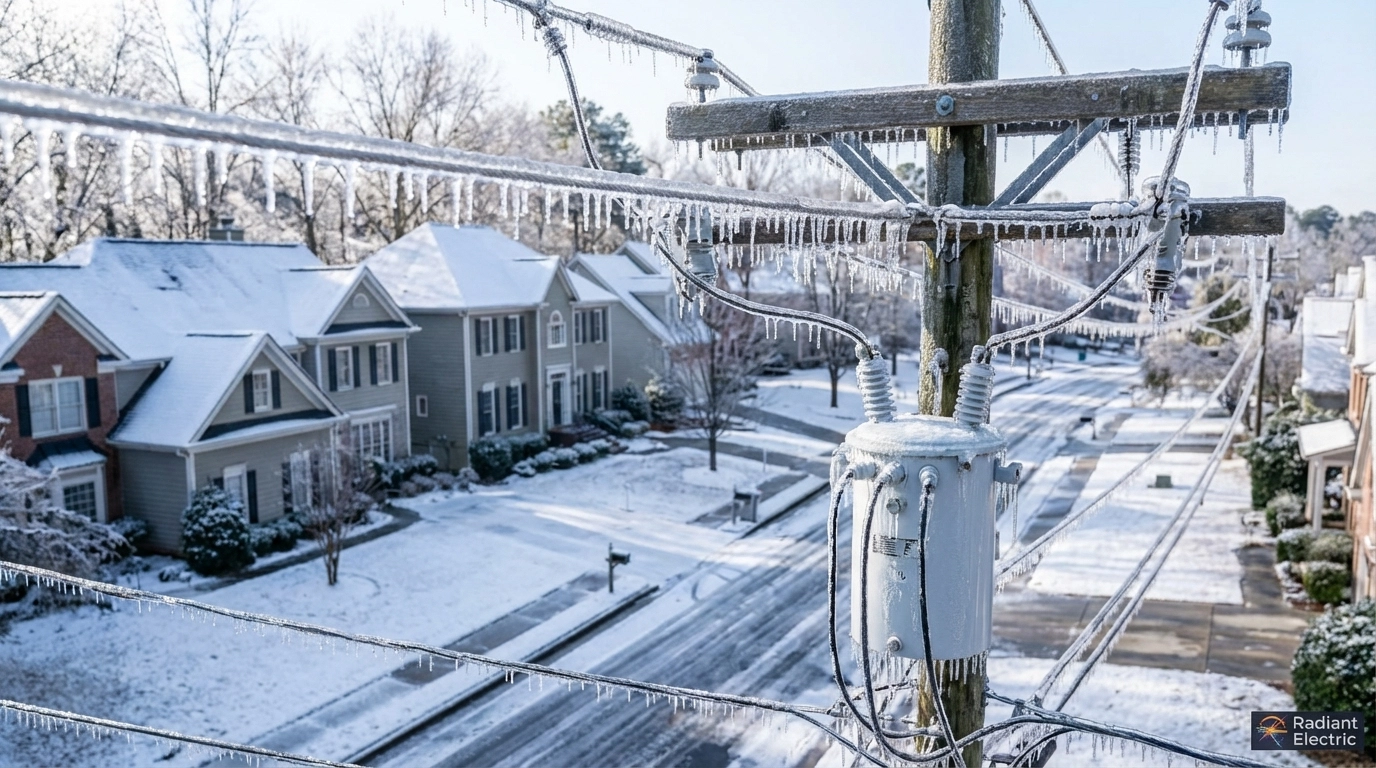
When winter storms hit Metro Atlanta, they don't usually bring feet of snow. They bring freezing rain. Ice. The kind of weather that coats power lines, weighs down tree branches, and snaps infrastructure that wasn't designed for these conditions.
The result? Extended outages that can last for days.
Here's what that really means for your home:
- Your heating system shuts down completely. Even gas furnaces need electricity to run the blower and thermostat.
- Pipes can freeze within hours. Once indoor temperatures drop below 32°F, you're on a countdown to burst pipes: one of the most expensive home repairs you can face.
- Food spoils. Your refrigerator and freezer have about 4-24 hours before everything inside becomes a loss.
- Medical equipment stops working. CPAP machines, oxygen concentrators, and medication that requires refrigeration become immediate concerns.
The tricky part? Unlike summer thunderstorms that knock out power for a few hours, winter ice storms often cause damage that takes utility crews much longer to repair. We're talking multiple days without power in some neighborhoods across Gwinnett County and Marietta.
What a Whole House Generator Actually Does
Homeowners often believe that a whole house generator is just a bigger version of those portable generators you see at hardware stores. That's not quite right.
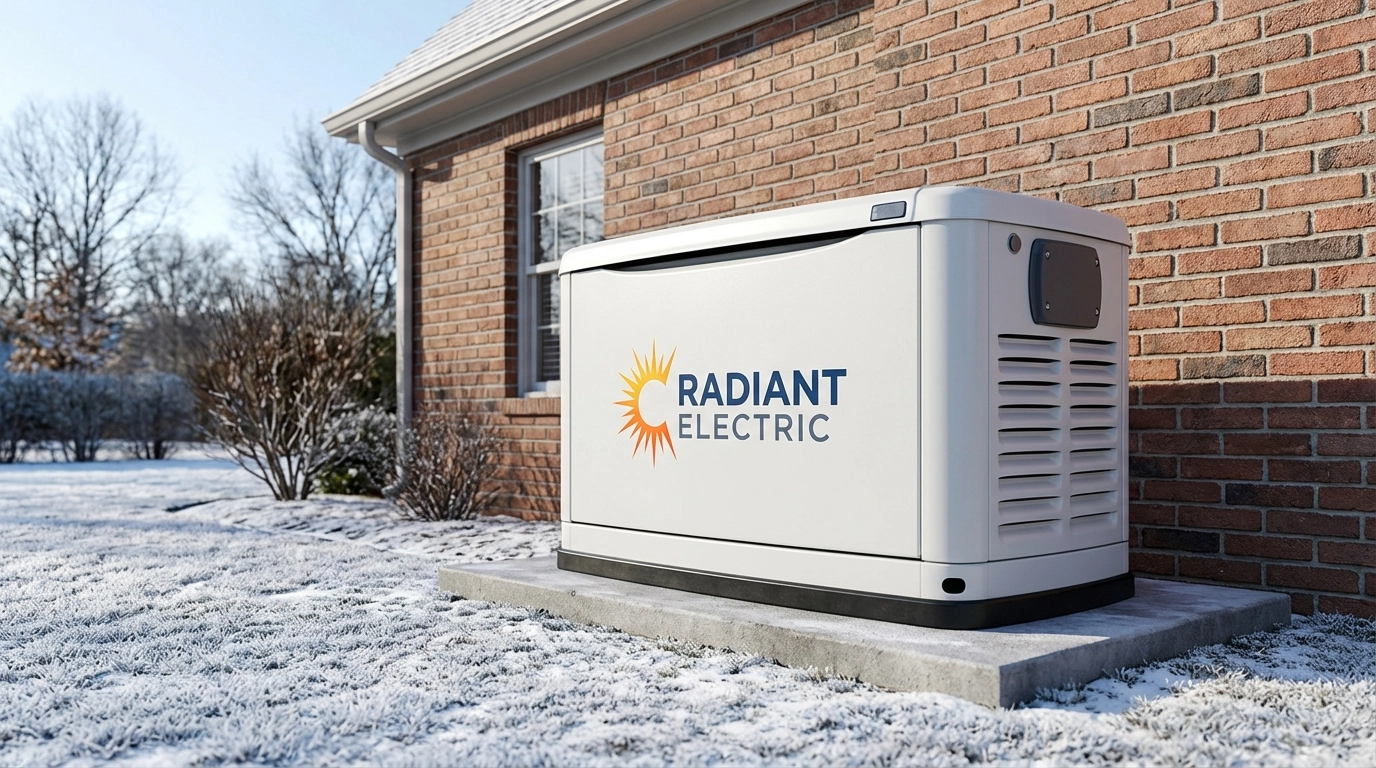
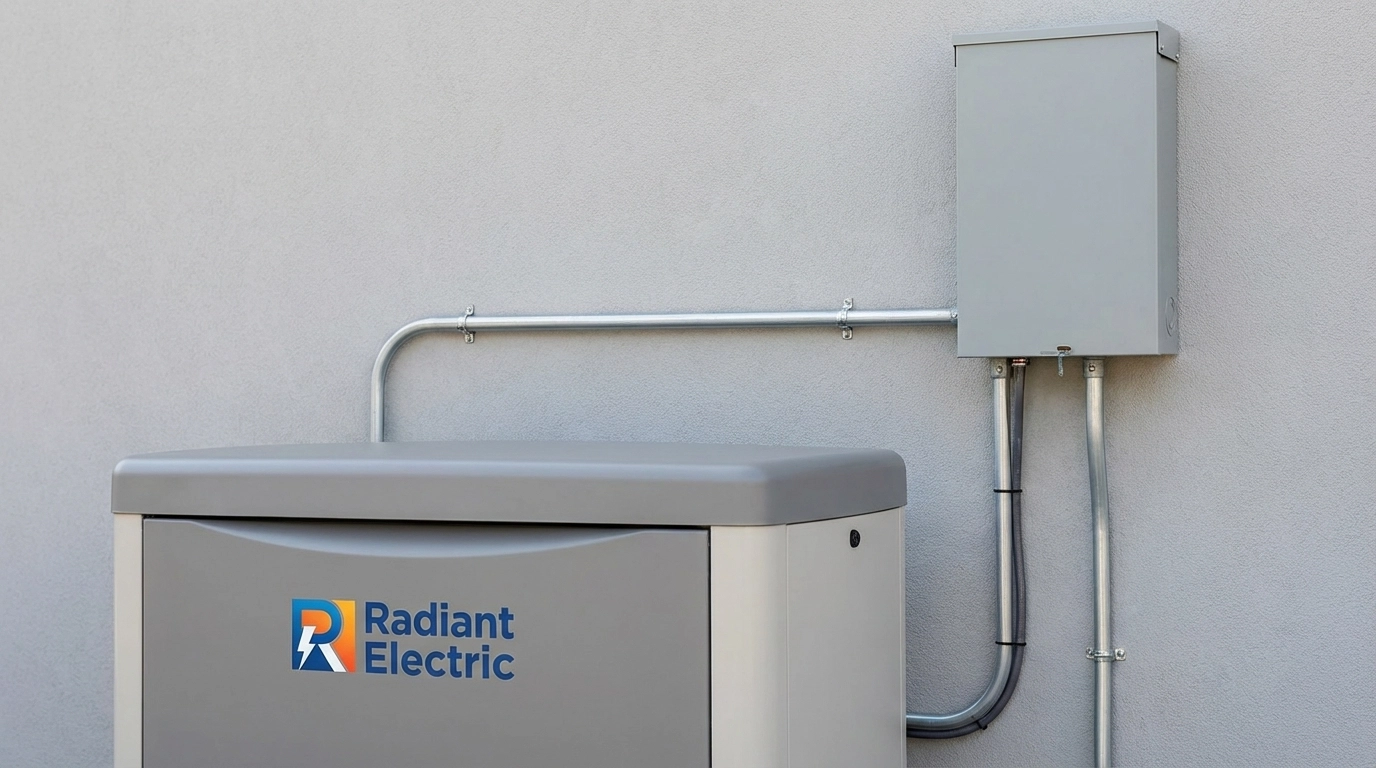
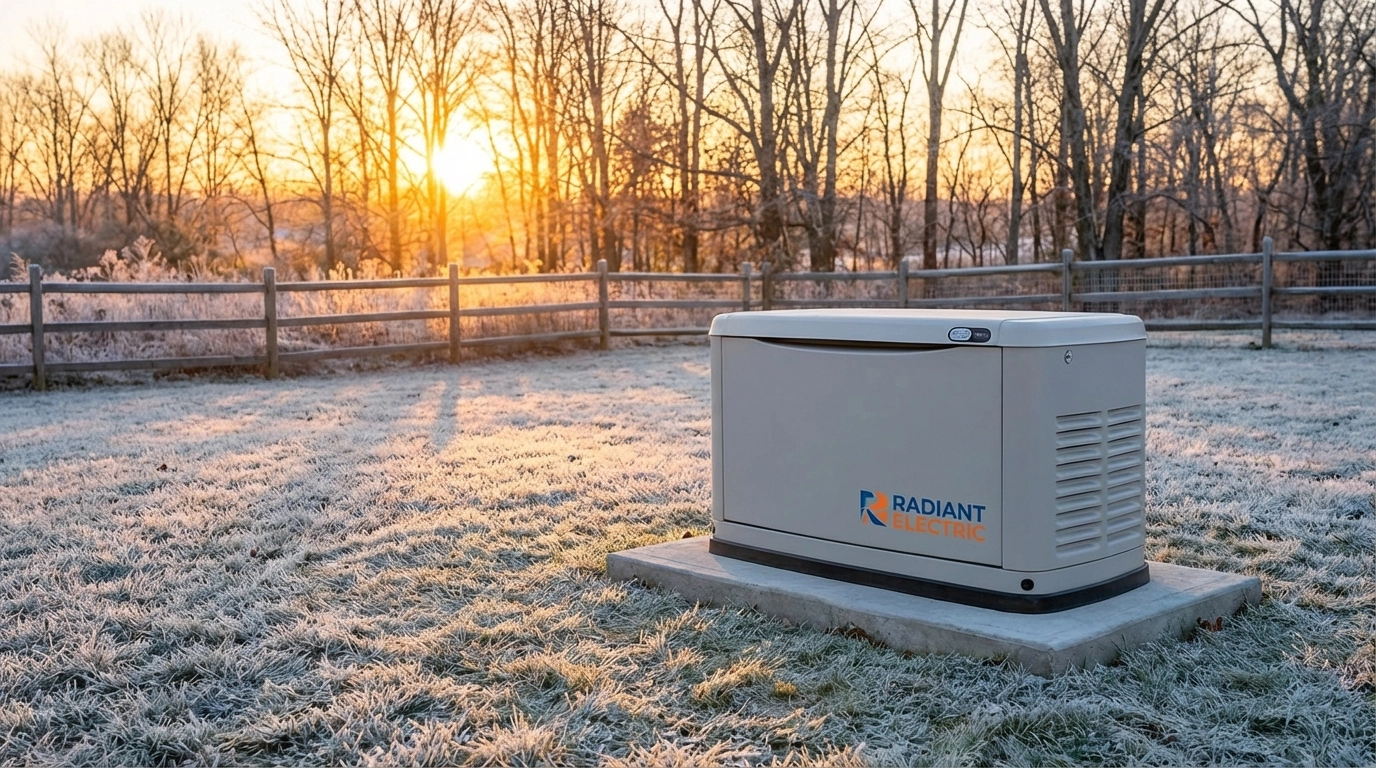
A whole house generator: sometimes called a standby generator: is a permanently installed unit that sits outside your home and connects directly to your electrical panel. When the power goes out, it detects the outage automatically and kicks on within seconds.
No running outside in the dark. No extension cords snaking through your house. No refueling a gas tank every few hours.
Here's the key difference: a whole house generator powers your entire electrical system. That means your heating system, lights, refrigerator, sump pump, security system, garage door, and yes: even your Wi-Fi: all stay running like nothing happened.
Think of it like this: a portable generator is a bucket you use to bail water out of a sinking boat. A whole house generator is a working bilge pump that handles the problem automatically while you stay dry.
The Real Benefits for Atlanta Homeowners
So why are more homeowners in Atlanta, Lawrenceville, and the surrounding areas investing in whole house generators? Here's what you're actually getting:
1. Frozen Pipe Prevention
This is the big one. When your heating system goes down during a freeze, your pipes are at serious risk. Burst pipes can cause tens of thousands of dollars in water damage: and that's before you factor in mold remediation.
A whole house generator keeps your furnace or heat pump running, maintaining safe indoor temperatures that protect your plumbing. It's one of the most cost-effective forms of home insurance you can buy.
2. Continuous Comfort and Safety
During the 2014 ice storm that paralyzed Metro Atlanta, some neighborhoods went without power for nearly a week. Families with young children, elderly relatives, or health conditions faced genuine safety concerns.
A generator ensures your home stays warm, your lights stay on, and your family stays safe: even when the grid fails.
3. Sump Pump Protection
Here's something most homeowners don't think about: winter storms bring ice, and ice eventually melts. If your sump pump loses power during a storm, you could wake up to a flooded basement once temperatures rise.
A whole house generator keeps your sump pump operational through the entire storm cycle: from freeze to thaw.
4. Peace of Mind When You're Away
Traveling during the winter months? A whole house generator protects your home even when you're not there. No worrying about whether your pipes are freezing or your security system went offline.
5. Home Value Boost
Whole house generators are increasingly seen as premium home features in Metro Atlanta. If you ever decide to sell, that generator can be a genuine selling point: especially for buyers who've lived through a few Georgia ice storms themselves.
For more ways to increase your home's value through electrical upgrades, check out our guide to electrical upgrades in Gwinnett County.
What Size Generator Does Your Atlanta Home Need?
This is where things get practical. Generator sizing isn't one-size-fits-all, and getting it wrong means either overpaying for capacity you don't need or buying a unit that can't handle your critical systems.
For a typical 2,500-square-foot Atlanta home, a 20kW whole house generator usually provides sufficient power for essential winter needs. That includes:
- Heating system (furnace or heat pump)
- Refrigerator and freezer
- Sump pump
- Lighting throughout the home
- Security system
- A few additional circuits for convenience
Larger homes or homes with electric heating, multiple HVAC zones, or high-demand appliances may need 22kW to 26kW units.
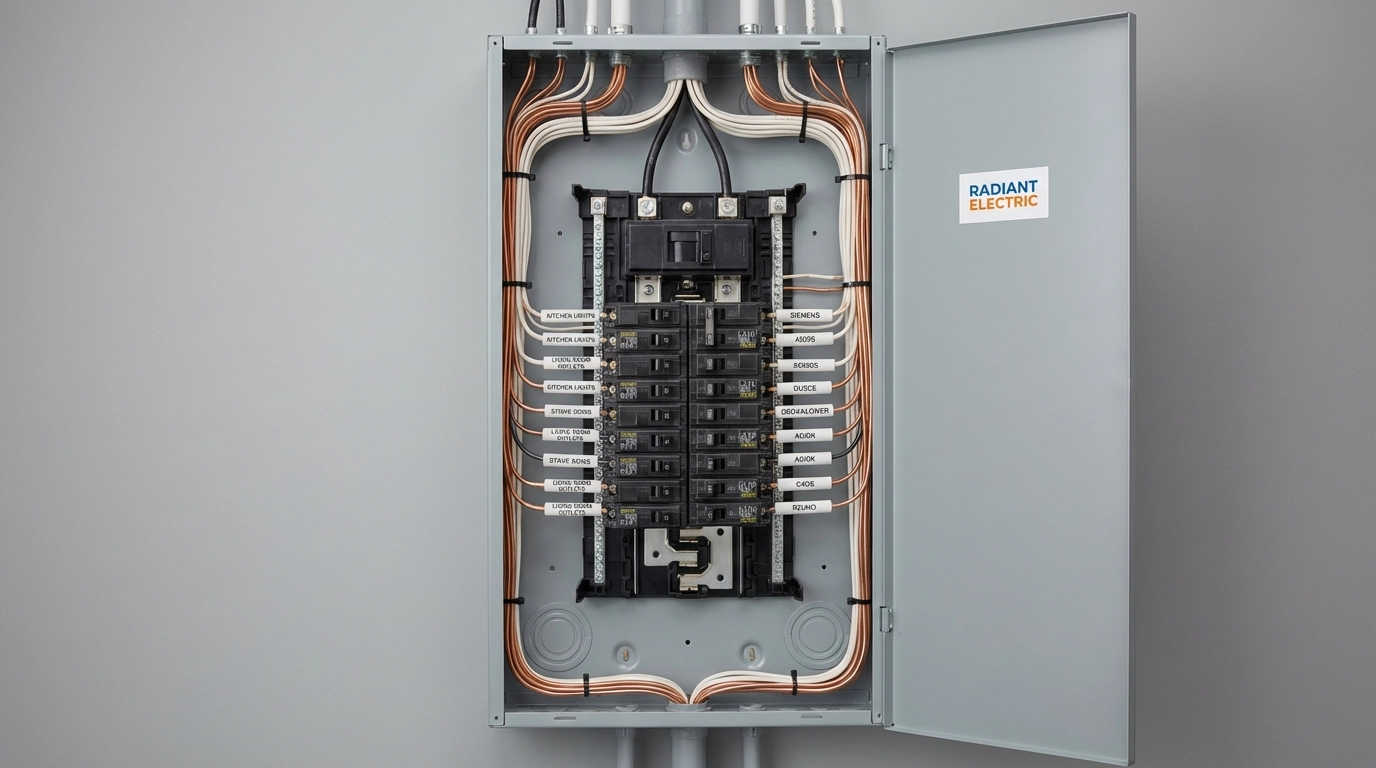
Here's the bottom line: proper sizing requires a professional load calculation. An electrician will assess your electrical panel, identify your critical circuits, and recommend a generator that matches your actual needs: not just a guess based on square footage.
If your electrical panel is older, you may need an upgrade before installation. Learn more about signs your panel needs attention.
What to Look for When Choosing a Generator in Metro Atlanta
Not all generators: or installers: are created equal. Here's what to consider:
Fuel Type
Most whole house generators in the Atlanta area run on natural gas or propane. Natural gas is convenient if you already have a gas line to your home: no fuel storage needed. Propane requires a tank but works well for homes without natural gas service.
Transfer Switch Quality
The transfer switch is the device that automatically disconnects your home from the grid and connects it to the generator. A high-quality automatic transfer switch (ATS) ensures seamless transitions and protects your home from dangerous backfeed situations.
Local Code Compliance
Gwinnett County, Lawrenceville, Marietta, and Atlanta all have specific permit requirements for generator installation. Working with a licensed local electrician ensures your installation meets all codes and passes inspection.
Warranty and Service
Generators require regular maintenance: typically an annual service visit. Choose a unit with a solid warranty and make sure your installer offers ongoing maintenance support.
Common Misconceptions About Whole House Generators
"I can just use a portable generator."
You can: but portable generators require manual setup, constant refueling, and can only power a limited number of devices through extension cords. They're also a leading cause of carbon monoxide poisoning when used incorrectly.
"Generators are too expensive."
The upfront cost is real, but consider what you're protecting. A single burst pipe repair can cost $5,000-$15,000. A flooded basement? Even more. Many homeowners find that a generator pays for itself after just one major storm event.
"The power doesn't go out that often."
It doesn't: until it does. And when it does during a winter freeze, the consequences are immediate. Generator installation isn't about frequent outages; it's about protecting against the big ones.
For more on preparing your home for storm season, read our post on whole house generator mistakes and how to fix them.
The Bottom Line
A whole house generator isn't a luxury: it's a safeguard. For homeowners across Atlanta, Gwinnett County, Lawrenceville, and Marietta, it's the difference between riding out a winter storm in comfort and facing a cold, stressful emergency.
The best time to install a generator is before you need one. Once storm season hits, demand spikes and installation timelines stretch out. Planning ahead means you'll be protected when the next ice storm rolls through.
Ready to protect your home this winter? The team at Radiant Electric specializes in whole house generator installation throughout Metro Atlanta. Contact us today for a free consultation and load assessment: we'll help you find the right solution for your home and budget.