Top Electrical Upgrades to Boost Home Value in Gwinnett County (2026 Guide)
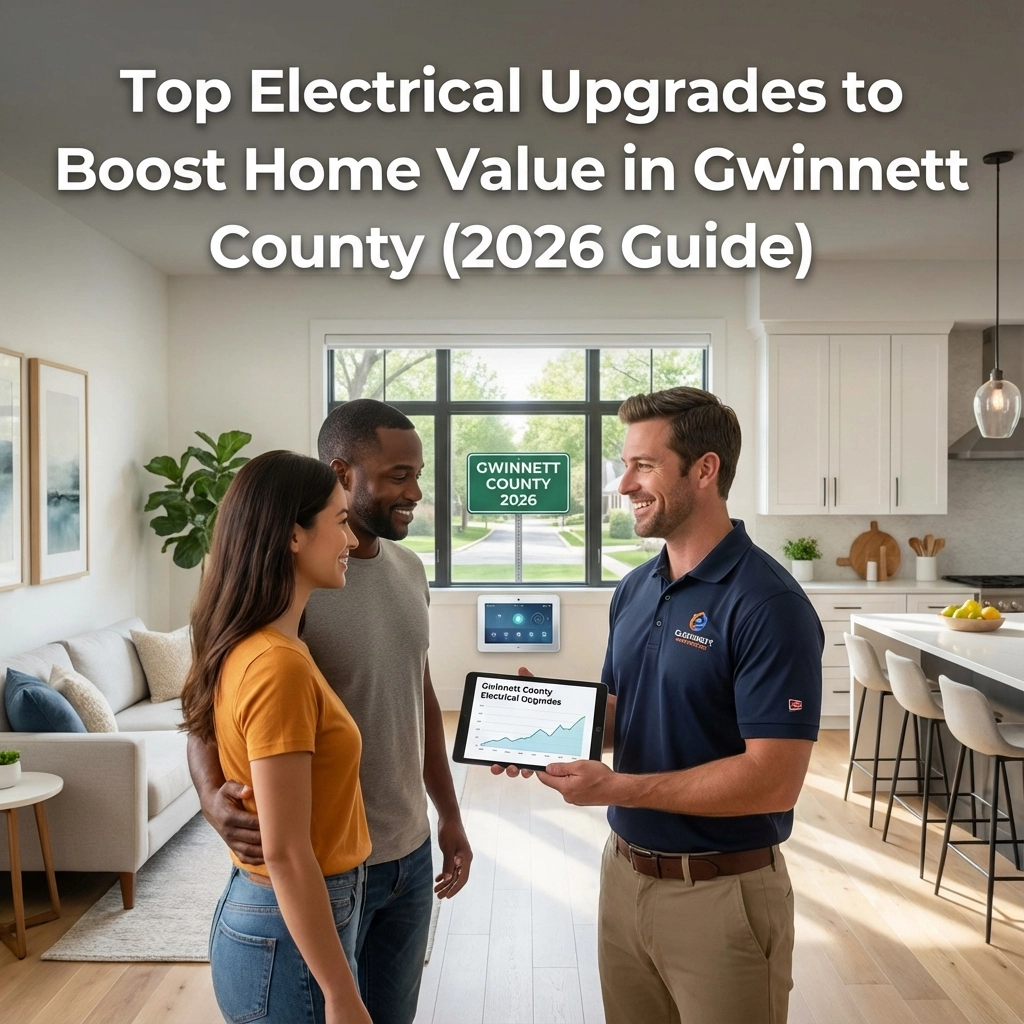
When you're thinking about selling your Gwinnett County home or simply want to increase its value, electrical upgrades often deliver some of the highest returns on investment. This isn't about scaring anyone into expensive renovations: it's about making smart improvements that today's buyers actively seek out.
Most homeowners think electrical work is just about keeping the lights on, but modern buyers expect much more. They want energy efficiency, convenience features, and the peace of mind that comes with updated, code-compliant systems. Here's what really moves the needle in 2026's competitive Gwinnett County market.
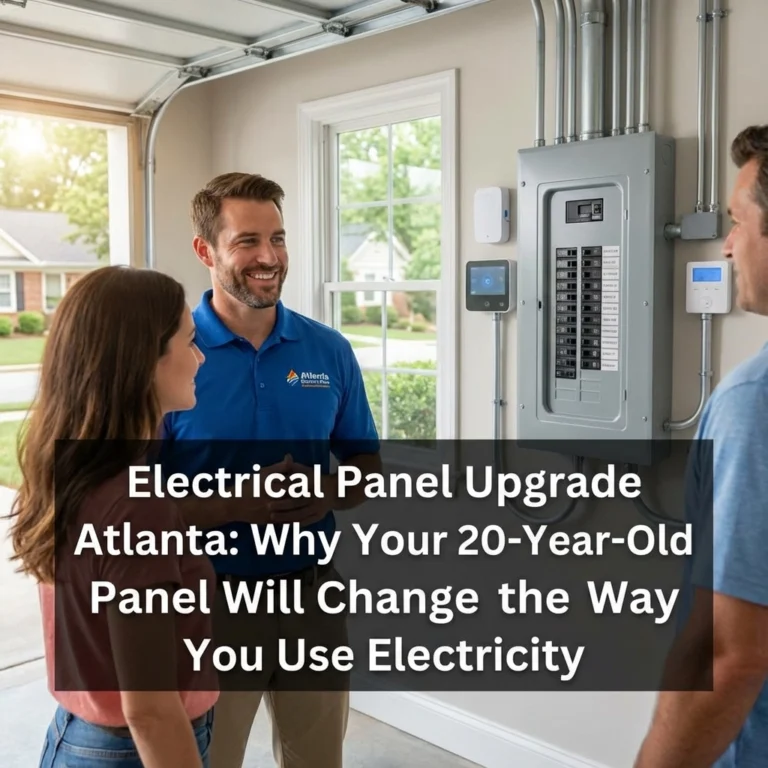
1. Electrical Panel Upgrade: The Foundation of Modern Living
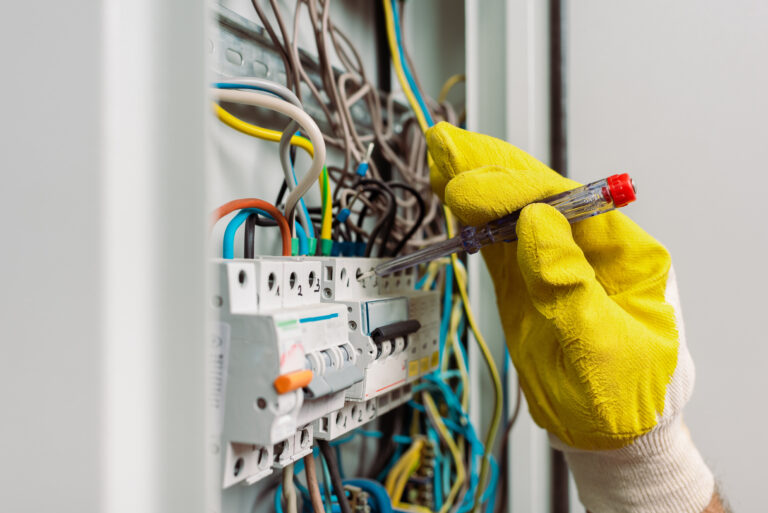
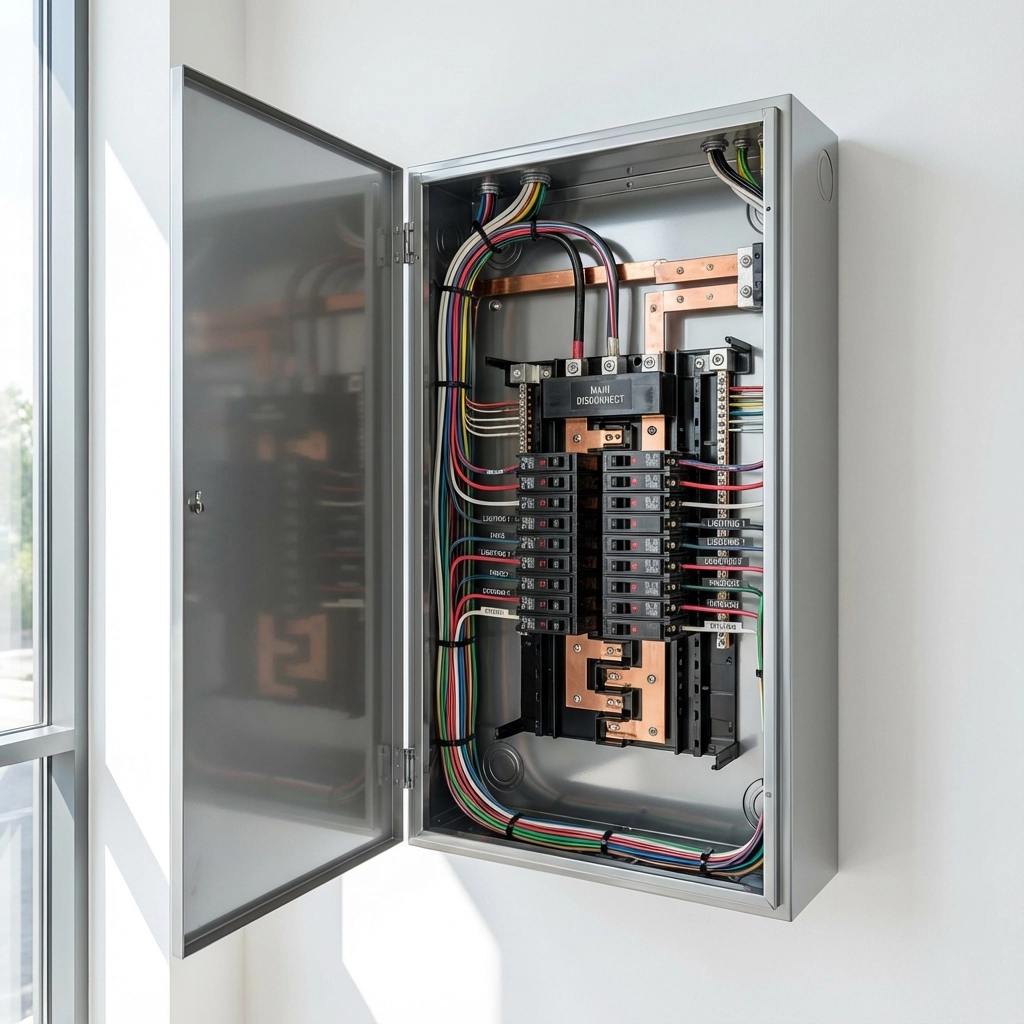
Your electrical panel is like the heart of your home's electrical system. If you're still running on a 100-amp service or have an outdated panel from the 1980s or earlier, you're likely limiting your home's appeal to serious buyers.
Why Panel Upgrades Add Value:
Modern homes need 200-amp service to handle today's electrical demands. Think about it: between multiple computers, large appliances, HVAC systems, and charging stations, today's families use significantly more electricity than homes were designed for decades ago. A 200-amp panel upgrade typically costs $2,000-$4,000 but can add $8,000-$12,000 in perceived value.
Gwinnett County Code Considerations:
All panel upgrades in Gwinnett County require permits and inspections. The county follows the National Electrical Code (NEC) with some local amendments, so working with a licensed electrician familiar with local requirements isn't optional: it's essential for both safety and resale value.
What This Really Means for You:
Buyers see an updated panel as a green light that your home can handle their lifestyle without immediate expensive upgrades. It's one of those behind-the-scenes improvements that removes a major concern from buyers' minds.
2. LED Lighting and Smart Controls: Efficiency Meets Convenience
Most people think lighting upgrades are just about changing bulbs, but comprehensive LED conversion with smart controls is what sets homes apart in today's market.
The Value Equation:
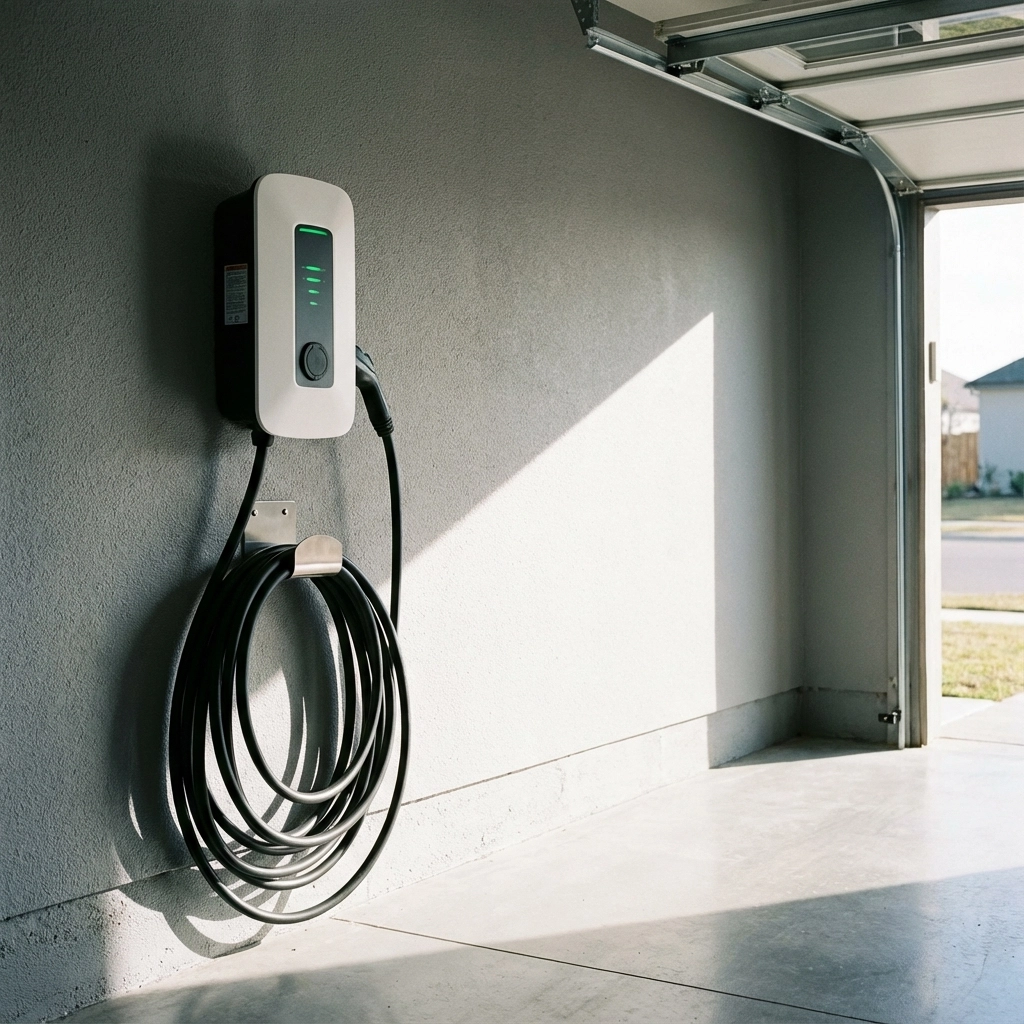
LED lighting uses 75% less energy than traditional incandescent bulbs and lasts 25 times longer. When you combine this with smart switches and dimmers, you're offering buyers both immediate cost savings and modern convenience. A whole-home LED conversion typically costs $800-$1,500 but can reduce electricity bills by $100-$200 annually.
Smart Lighting Features That Sell Homes:
- Motion sensors in bathrooms and closets
- Programmable outdoor lighting for security
- Dimmer switches throughout main living areas
- Smart switches controllable by phone or voice commands
Beyond Basic Bulb Replacement:
The real value comes from thoughtful lighting design. Under-cabinet LED strips in kitchens, accent lighting in living areas, and landscape lighting that highlights your home's architecture: these details make buyers envision themselves living comfortably in your space.
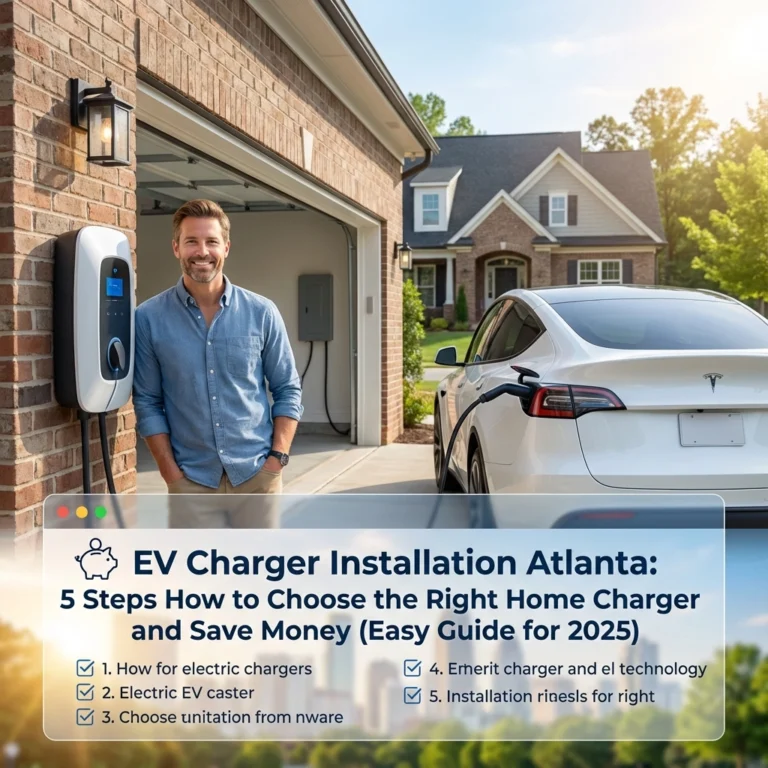
3. EV Charger Installation: Future-Proofing for Electric Vehicles
Here's what most homeowners don't realize: EV adoption in Georgia is accelerating rapidly, and having charging capability already installed gives your home a significant competitive edge.
The Numbers That Matter:
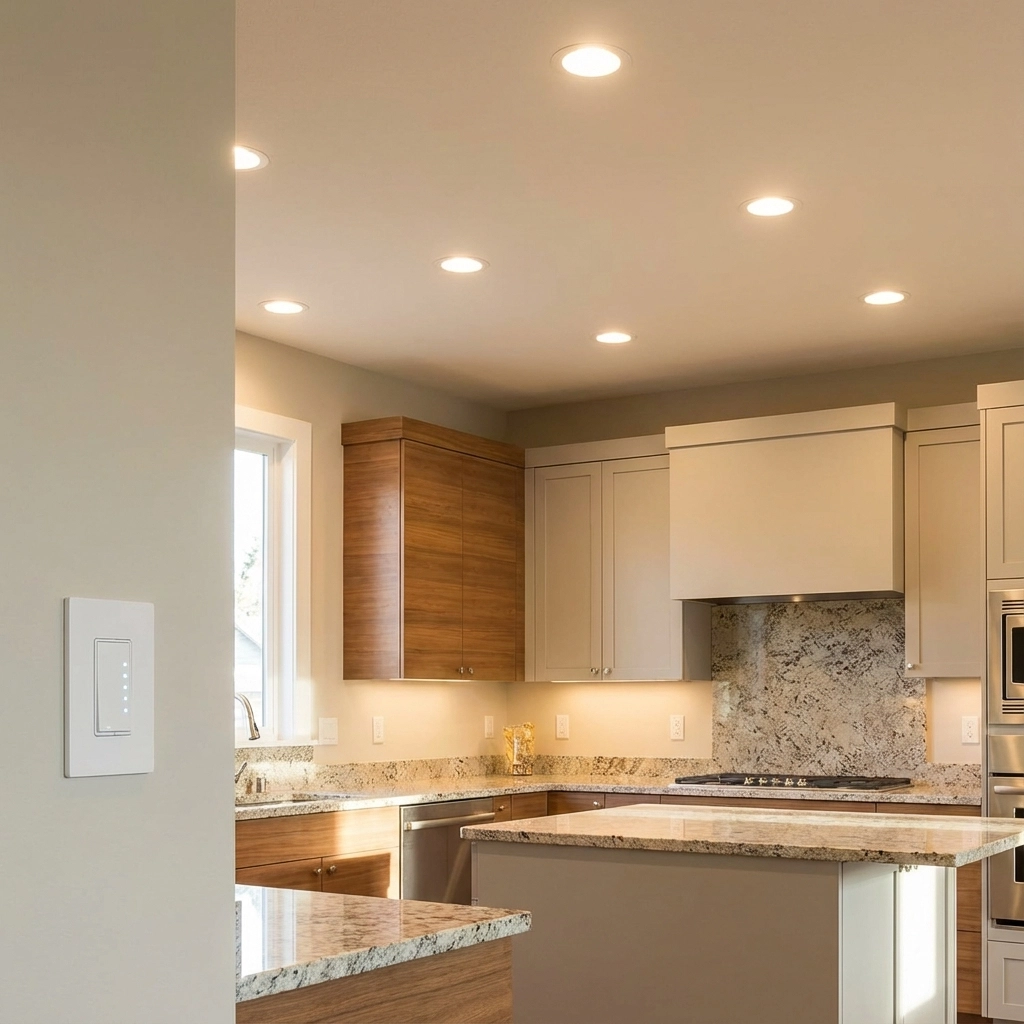
Installing a Level 2 EV charger (240-volt outlet) costs $800-$1,500, but homes with EV charging sell for an average of 4-7% more than comparable homes without this feature. On a $400,000 Gwinnett County home, that's potentially $16,000-$28,000 in added value.
Why This Upgrade Is Strategic:
Even if you don't drive an electric vehicle now, buyers are thinking ahead. They see EV charging as essential future infrastructure, like high-speed internet was a decade ago. Installing the electrical infrastructure now: while you're already doing other electrical work: is much cheaper than retrofitting later.
Local Installation Requirements:
Gwinnett County requires permits for 240-volt outlet installation, and the charger location must meet setback requirements from property lines. The electrical panel must have sufficient capacity, which ties back to why panel upgrades and EV charger installation often make sense as a package deal.
4. Smart Home Wiring and Automation: The Technology Buyers Expect
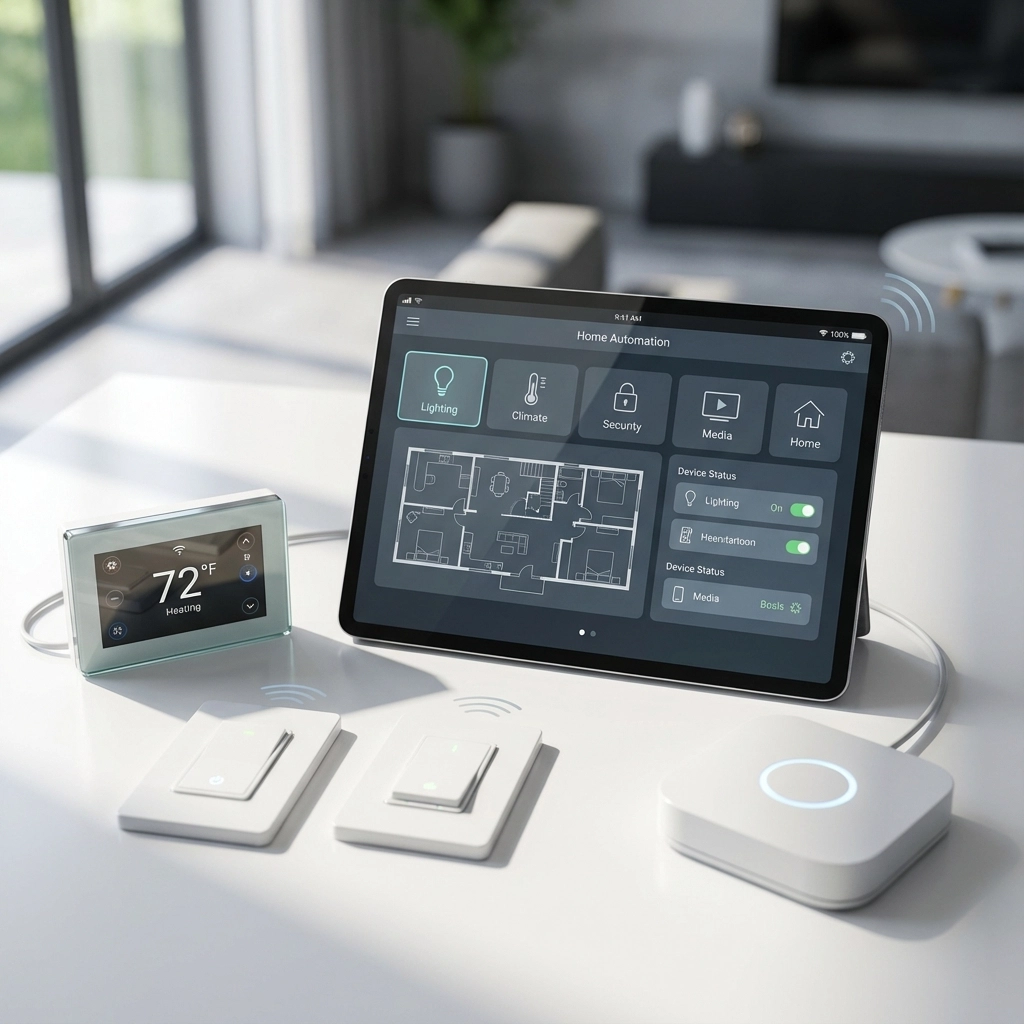
Smart home technology isn't a luxury anymore: it's an expectation, especially for homes in Gwinnett County's competitive market. But the key is proper infrastructure, not just adding smart devices to outdated wiring.
Core Smart Home Electrical Features:
- Dedicated circuits for home automation hubs
- CAT6 ethernet wiring for reliable connectivity
- Smart thermostats with proper C-wire installation
- Whole-home surge protection for expensive electronics
- Smart doorbell with transformer upgrade if needed
The Infrastructure Investment:
Basic smart home wiring typically costs $2,000-$5,000 depending on home size, but it positions your property as move-in ready for tech-savvy buyers. They won't need to tear into walls later to add the infrastructure their devices require.
What This Really Means:
Buyers test smart features during home tours. When they see lights respond to voice commands, thermostats that learn their preferences, and security systems that integrate seamlessly, they're experiencing the lifestyle your home enables: not just the house itself.
5. Whole-House Generator Connection: Peace of Mind in an Uncertain World
Gwinnett County residents know that severe weather can knock out power for hours or even days. A whole-house generator connection shows buyers you've thought about their comfort and security during outages.
The Value Proposition:
While the generator itself is a significant investment ($3,000-$6,000 for the unit plus installation), the electrical infrastructure: transfer switch, dedicated circuit, and proper grounding: adds substantial value even if you don't install the actual generator. Buyers can add the generator later but appreciate that the electrical groundwork is complete.
Critical Code Compliance:
Generator installations in Gwinnett County must meet strict electrical and gas code requirements. The transfer switch prevents back-feeding electricity into power lines (which is extremely dangerous for utility workers), and all installations require both electrical and gas permits.
Practical Benefits Buyers Understand:
Refrigerated food stays fresh, home security systems stay operational, and families can maintain normal routines during extended outages. For buyers with medical equipment, home offices, or young children, generator capability often moves from "nice to have" to "must have."
Why Professional Installation Matters for Home Value
Here's something most homeowners overlook: buyers and home inspectors scrutinize electrical work more closely than almost any other home system. DIY electrical work or hiring unlicensed contractors can actually decrease your home value if the work doesn't meet code requirements.
The Inspection Reality:
Professional electrical work with proper permits creates a paper trail that reassures buyers and mortgage lenders. Work done without permits raises red flags during home inspections and can delay or derail sales.
Code Compliance Adds Value:
Electrical work that meets or exceeds current Gwinnett County codes doesn't just provide safety: it demonstrates to buyers that your home is properly maintained and up-to-date with current standards.
Making Smart Investment Decisions
Not every electrical upgrade makes financial sense for every home. The key is understanding your local market and targeting improvements that align with buyer expectations in your price range and neighborhood.
Prioritizing Your Upgrades:
Start with safety and functionality (panel upgrades), then move to efficiency (LED lighting), followed by convenience features (smart home wiring, EV charging). Generator connections often make the most sense if you're already upgrading your electrical panel.
Professional Assessment:
Before investing in any major electrical upgrades, have a licensed electrician assess your current system. They can identify which improvements will provide the best return on investment for your specific situation and ensure all work meets Gwinnett County requirements.
Getting Started with Your Electrical Upgrades
The electrical upgrades that boost home value most in Gwinnett County aren't just about adding features: they're about demonstrating that your home can support modern living without requiring immediate additional investment from buyers.
Whether you're planning to sell soon or simply want to increase your home's long-term value, electrical upgrades offer some of the most reliable returns on investment. The key is working with experienced professionals who understand both current technology and local code requirements.
At Radiant Electric, we provide free quotes for all major electrical upgrades and help Gwinnett County homeowners make informed decisions about which improvements will add the most value to their specific properties. Our team stays current with local codes and can handle everything from permits to final inspections, ensuring your investment adds real value to your home.
Ready to explore which electrical upgrades make the most sense for your Gwinnett County home? Contact our team for a free consultation and quote. We'll assess your current electrical system and recommend upgrades that align with your budget and home value goals.