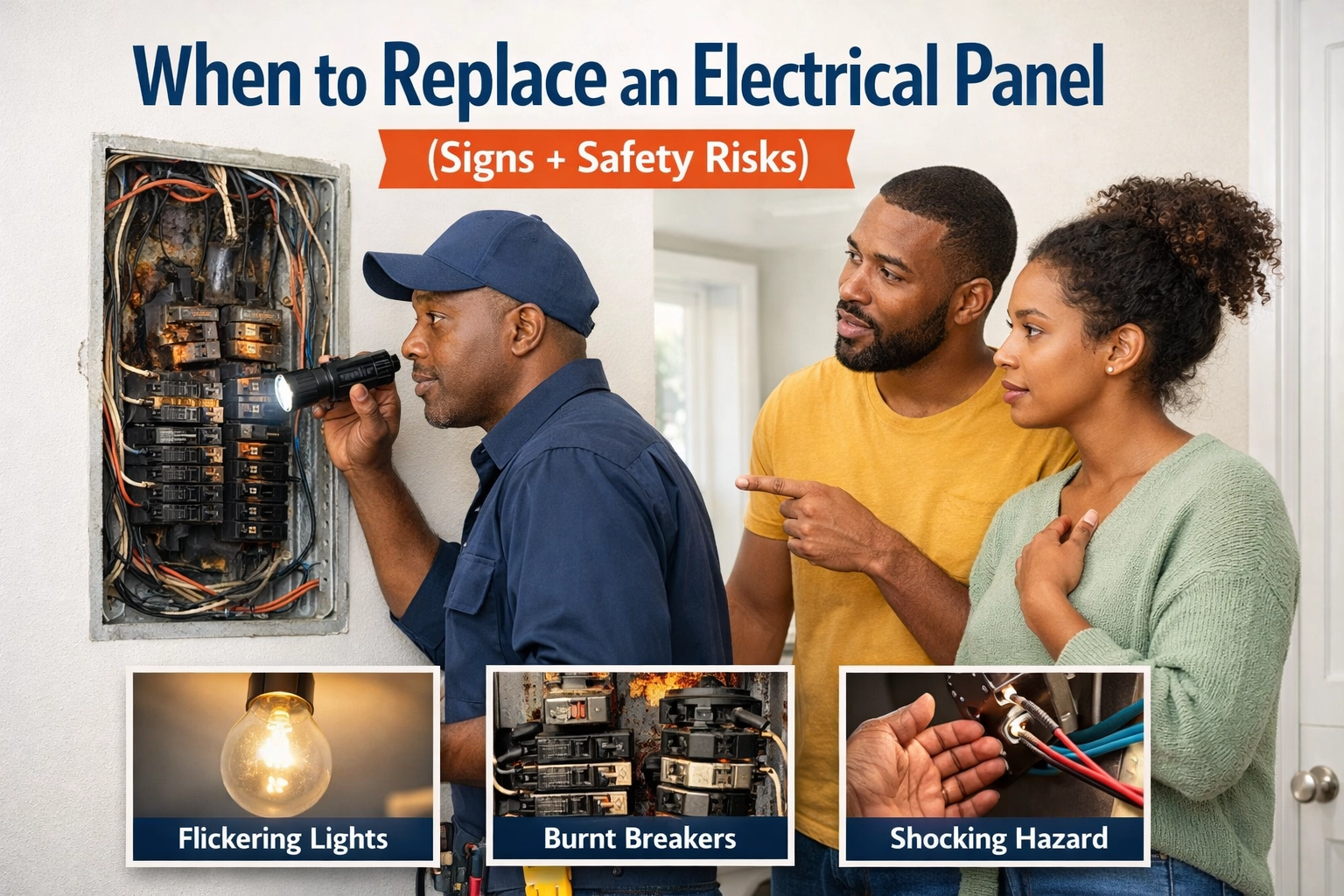
When to Replace an Electrical Panel (Signs + Safety Risks)
You're in the kitchen making dinner when the microwave kicks on and suddenly: click: the lights go out in half the house. Again. You head to the garage, flip the breaker back on, and wonder if this is just a quirk of your home or something more serious.
If this sounds familiar, your electrical panel might be trying to tell you something important.
This isn't about scaring anyone. Your electrical panel is simply the heart of your home's power system, and like anything mechanical, it has a lifespan. Understanding when it's time for an electrical panel upgrade in Atlanta can save you from bigger headaches down the road: and keep your family safe.
What Does Your Electrical Panel Actually Do?
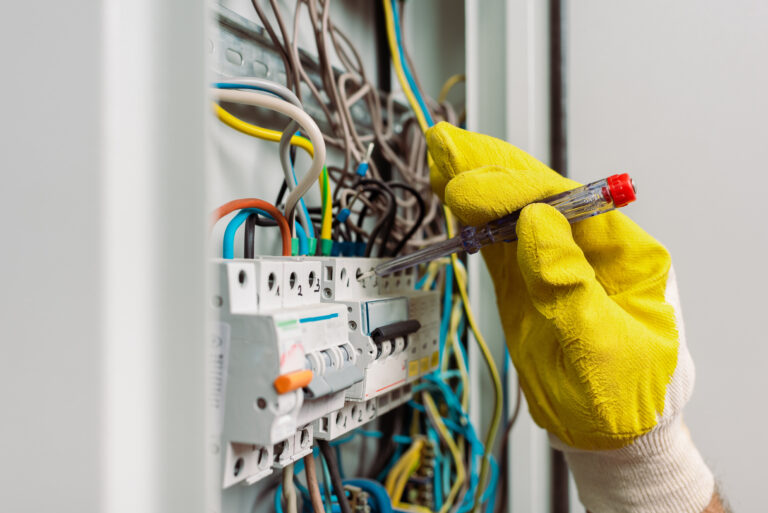
Think of your electrical panel as a traffic controller for electricity. It takes power from the utility company and distributes it throughout your home in organized circuits. Each circuit breaker acts as a safety valve: if too much electricity flows through a circuit, the breaker "trips" and cuts the power before wires overheat.
Here's what that really means for you: when your panel works correctly, you don't think about it. When it doesn't, you'll notice.
Most panels are designed to last between 25 and 40 years. But here's the catch: homes built decades ago weren't designed to handle today's electrical demands. We're talking smart TVs, multiple computers, air conditioning systems, electric vehicle chargers, and kitchen appliances that didn't exist when your panel was installed.
8 Warning Signs Your Panel Needs Attention
1. Circuit Breakers Trip Frequently
Occasional trips are normal. That's your panel doing its job. But if Marcus from Gwinnett County is resetting the same breaker every week, that's a different story.
Constant tripping means your system is overloaded or experiencing internal wear. The panel can't manage your home's electrical demand efficiently, and each trip accelerates component wear. It's like running a car engine in the red zone: eventually, something gives.
2. Burning Smells or Unusual Sounds
This one's non-negotiable. Any buzzing, sizzling, crackling sounds, or faint burning smells near your panel require immediate attention.
These signs indicate loose wiring or something called "arcing", basically, electricity jumping where it shouldn't. Arcing generates extreme heat and can ignite surrounding materials quickly. If you notice these signs, don't wait. Call a licensed electrician right away.
3. Scorch Marks or Discoloration
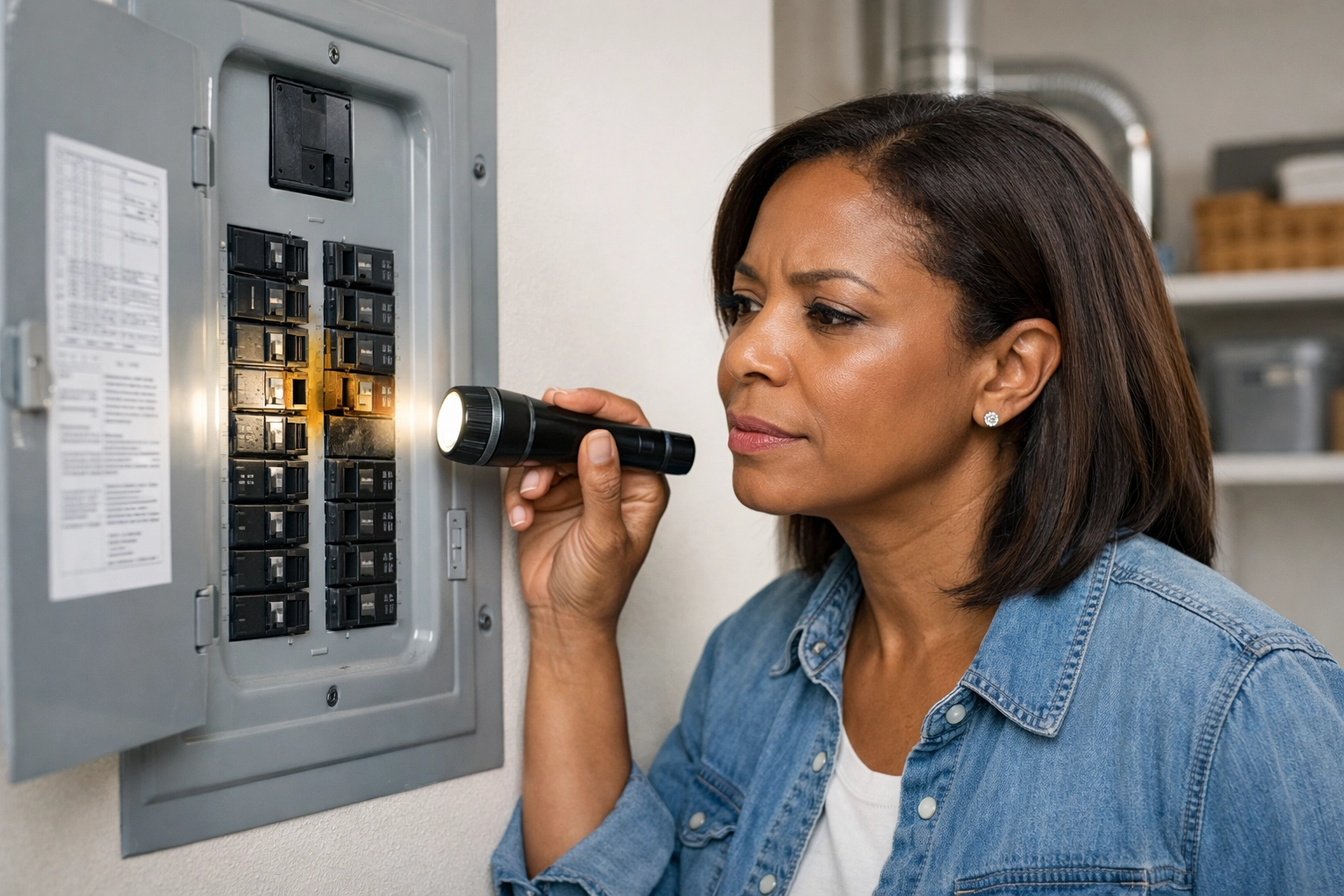
Open your panel door and take a look. See any blackened areas, melted plastic, or scorch marks? That's evidence that overheating or arcing has already occurred.
Tamika, a homeowner in Sandy Springs, noticed brown discoloration around one of her breakers during a routine check. Turns out, a loose connection had been generating heat for months. Catching it early prevented a much more serious situation.
4. The Panel Feels Warm or Hot
Your panel should feel room temperature. A warm or hot panel is abnormal and usually signals overloaded circuits or failing internal components.
Place your hand near (not on) the panel. Feel unusual warmth? That excess heat accelerates wear on everything inside and increases the risk of failure.
5. Flickering or Dimming Lights
When your lights dim every time the AC kicks on or flicker randomly throughout the day, pay attention. This instability suggests your panel's breakers or wiring are failing: or your home's electrical system simply doesn't have enough capacity for modern use.
Most people think flickering lights are just annoying. The reality? They indicate your system can't deliver consistent voltage, which can damage sensitive electronics over time.
6. Rust and Corrosion
Georgia humidity is no joke. Moisture can work its way into electrical panels, causing rust and corrosion that weaken wiring and metal connections.
Once corrosion spreads inside a panel, replacement is typically the safest choice. Corroded components don't conduct electricity properly and create unpredictable failure points.
7. You Still Have a Fuse Box
Fuse boxes were standard in homes built before the 1960s. While they worked fine for the electrical demands of that era, they simply cannot safely handle what modern families need.
If your home still uses fuses instead of circuit breakers, an electrical panel upgrade in Atlanta should be on your priority list. Beyond safety concerns, many insurance companies charge higher premiums: or won't cover homes with fuse boxes at all.
8. Your Panel is a Known Problem Brand
Some panel brands manufactured in past decades have documented design flaws. Federal Pacific Electric (FPE) and Zinsco panels, for example, may fail to trip when circuits overload. That defeats the entire purpose of having breakers.
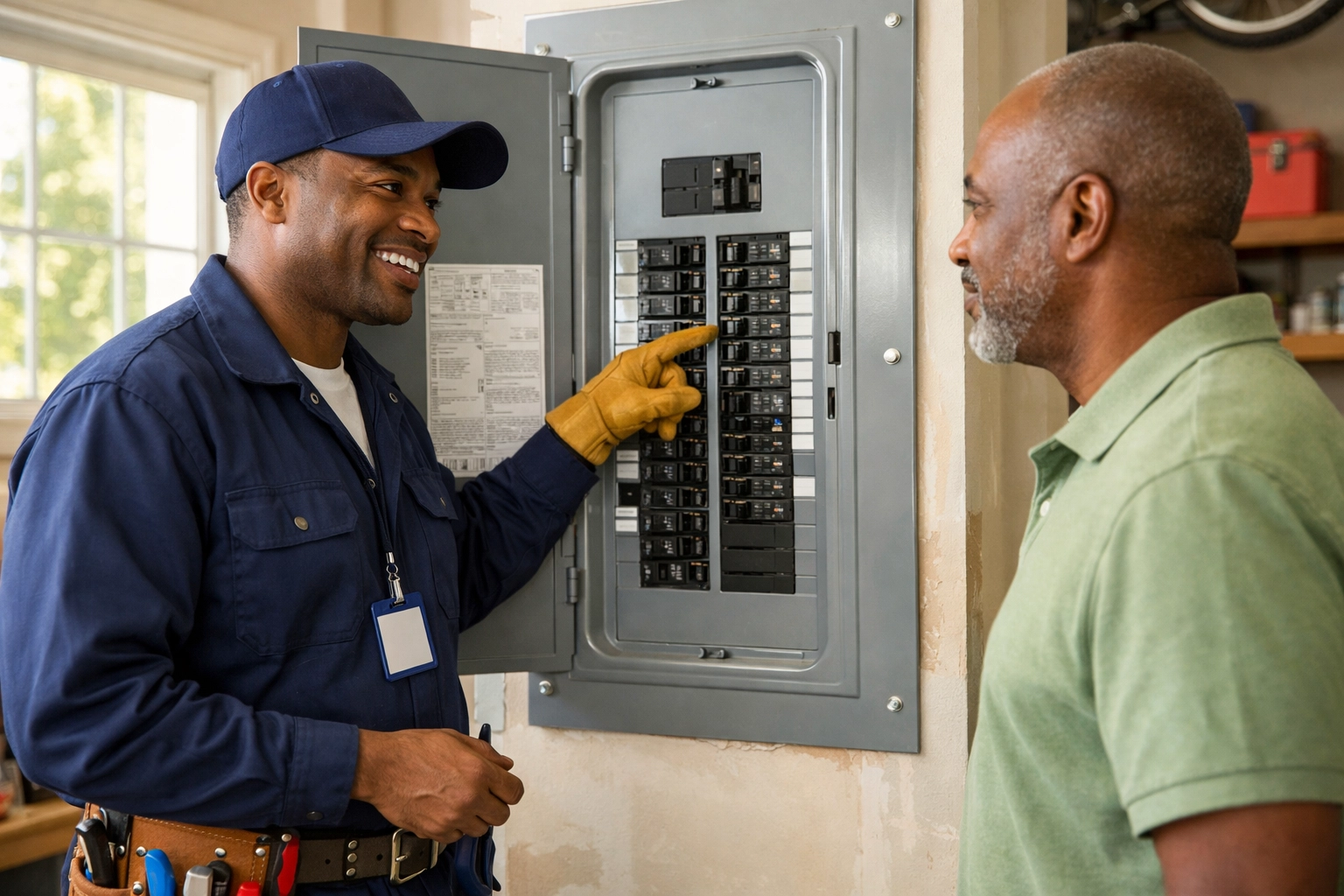
If you're not sure what brand you have, a licensed electrician can identify it during an inspection.
The Real Safety Risks of Outdated Panels
Understanding why these warning signs matter helps you make informed decisions. Here's what's actually at stake:
Fire hazard tops the list. Aging panels with loose wiring, overloaded circuits, and failing breakers generate heat. That heat can ignite surrounding materials: insulation, wood framing, stored items near the panel. Electrical issues contribute to thousands of residential fires every year.
Voltage instability from an undersized panel creates warming wires and unnecessary energy loss. Your appliances work harder, your energy bills climb, and sensitive electronics like computers and smart home devices can suffer damage.
Shock hazards exist with older split-bus panels that have multiple main breakers instead of a single disconnect. This setup makes it impossible to turn off all power during electrical work, putting anyone working on your system at risk.
Insurance and code compliance issues can surface when you try to sell your home or file a claim. Many homes in Gwinnett County and throughout Metro Atlanta have panels that no longer meet current electrical codes.
What to Expect During a Panel Upgrade
Knowing what's involved helps remove the mystery. Here's the general process:
- Inspection and assessment – A licensed electrician evaluates your current panel, your home's electrical needs, and any code requirements
- Permit acquisition – Panel replacements require permits in most jurisdictions, including Gwinnett County
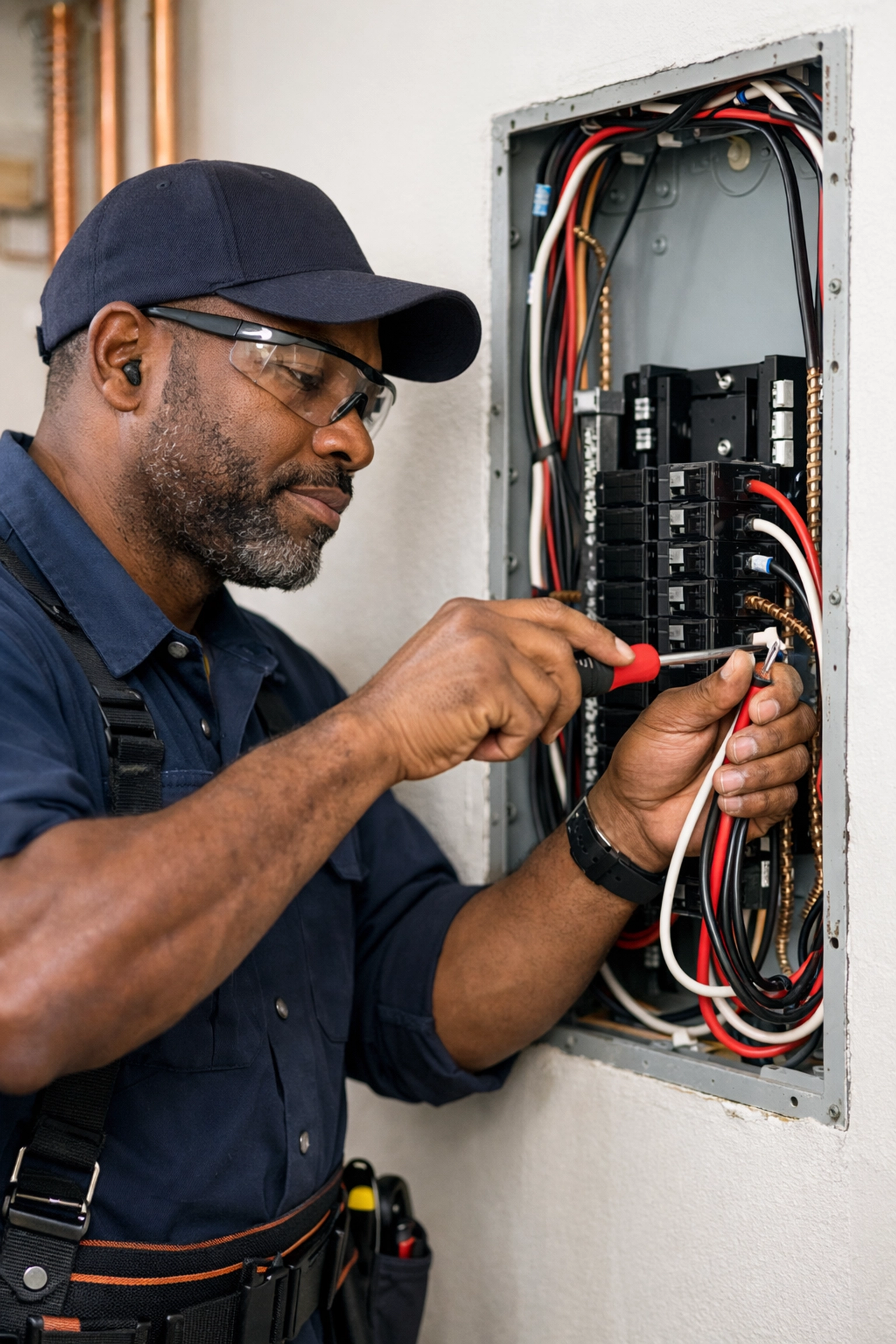
- Installation – The electrician disconnects power, removes the old panel, installs the new one, and connects all circuits
- Inspection and approval – A local inspector verifies the work meets code
- Power restoration – Once approved, your new panel goes live
The whole process typically takes one day for straightforward replacements, though homes needing additional upgrades may require more time.
When Should You Call a Professional?
Some situations call for immediate action:
- Call now if you smell burning, see sparks, or notice scorch marks
- Schedule soon if breakers trip frequently or your panel feels warm
- Plan ahead if your panel is over 25 years old, you have a fuse box, or you're adding major appliances like an EV charger
Darnell and Keisha recently purchased a 1980s home in Lawrenceville. During their home inspection, the inspector flagged the original panel as undersized for their plans to add a home office and hot tub. Getting the panel upgraded before moving in meant they started fresh with a system ready for their lifestyle.
Making the Right Choice for Your Home
Your electrical panel isn't glamorous. It sits in your garage or basement, quietly doing its job. But when warning signs appear, they deserve your attention.
The bottom line: if your panel shows any of the warning signs we've discussed: frequent trips, unusual sounds or smells, visible damage, or simply old age: it's time for a professional evaluation.
An electrical panel upgrade in Atlanta is an investment in your home's safety, efficiency, and future capability. Whether you're in Gwinnett County, Marietta, or anywhere in Metro Atlanta, having a panel that meets your family's needs gives you peace of mind every time you flip a switch.
Ready to find out where your panel stands? Contact Radiant Electric for a professional assessment. We'll give you straight answers about what your home needs: no pressure, just expertise you can trust.