Smart Home Wiring 101: Future-Proofing Your Atlanta House
Imagine Marcus, a homeowner in a beautiful 1940s bungalow in the heart of Atlanta. He just bought the latest, top-of-the-line smart lighting system and a video doorbell he’s been eyeing for months. He’s excited to get everything synced up so he can control his porch lights from his phone while he’s finishing up work in Midtown.
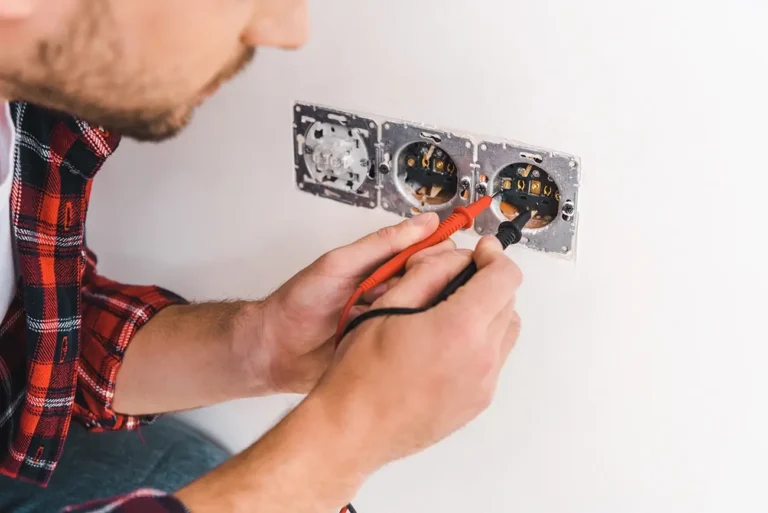
But as soon as he opens the back of his existing light switch, he hits a wall. There are only two wires, and his new smart switch requires three. Then, he tries to install the doorbell, only to realize the old transformer tucked away in the basement doesn't have enough "juice" to power the camera. Marcus is now looking at a weekend of frustration instead of a futuristic home.
This is a scenario many homeowners face when trying to modernize older properties. Before you dive into the world of smart tech, you have to make sure your home's "skeleton": the wiring: is ready for the weight of 2026 technology.
It’s Not About Scaring Anyone: It’s About Education
Before we go any further, this isn't about scaring anyone. Your home isn't necessarily a "ticking time bomb" just because it was built a few decades ago. However, the way we use electricity today is vastly different from how we used it in the 1970s or even the early 2000s. We are asking our homes to do more than they were ever designed to do.
Think of your electrical system like the plumbing in your house. If you try to force the water volume of a fire hose through a small garden pipe, something is eventually going to give. Modern smart home technology requires a steady, clean flow of "water" (electricity) and a secondary "communication line" to work correctly.
The Brain: Your Electrical Panel
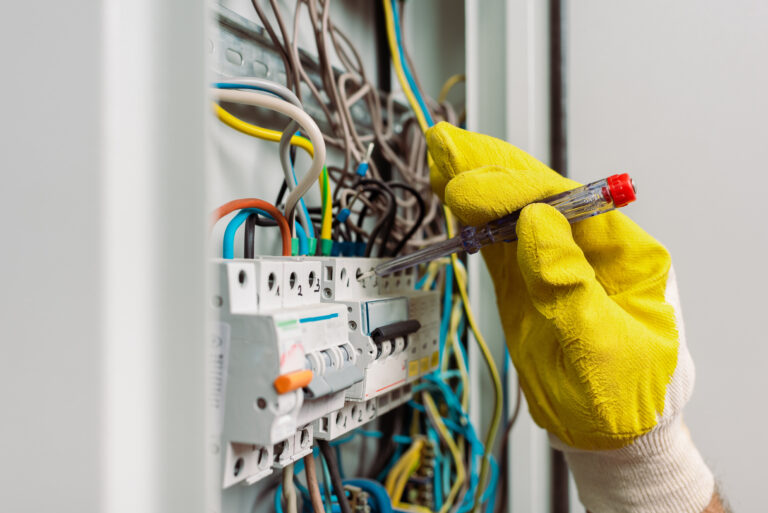
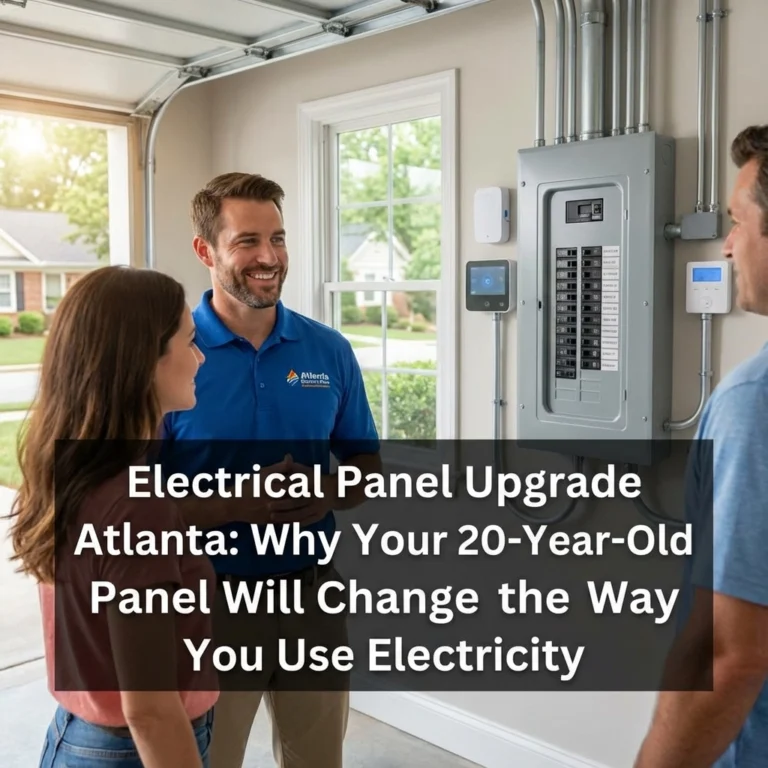
The most important part of future-proofing is your electrical panel. This is the brain of your home. If the brain is overwhelmed, the rest of the body can't function.
Most older Atlanta homes have panels that provide 100 or 150 amps of power. Here’s what that really means: "Amps" are basically the total amount of electricity your home can pull from the grid at any one time. In 2026, with electric vehicles (EVs), high-efficiency heat pumps, and dozens of smart devices, a 100-amp panel is like trying to run a marathon while breathing through a straw.
If you find yourself frequently looking for home electrical repair in Atlanta because a breaker trips every time you use the microwave and the hair dryer at the same time, your "brain" is telling you it’s tired. A 200-amp upgrade is often the first step in true future-proofing. It gives you the "headroom" to add smart appliances without worrying about the lights flickering every time the refrigerator kicks on.
The Neutral Wire: The Smart Home’s Secret Sauce
Remember Marcus and his light switch? The reason he couldn't install his smart dimmer was likely a missing neutral wire.
In traditional electrical systems, the "hot" wire brings power to the switch, and the "load" wire carries it to the light bulb. When the switch is off, the circuit is broken, and no power flows. But a smart switch is essentially a tiny computer. It needs to stay "awake" even when your lights are off so it can listen for your phone's command to turn them back on.
The analogy: Imagine a stovetop coil. The "hot" wire is the heat coming in. For the coil to stay "smart" and keep a digital clock running, it needs a constant, separate return path for electricity: that’s the neutral wire.
Many homes built before the mid-80s don't have neutral wires at every switch box. If you’re planning a renovation, asking an electrician in Decatur to pull neutral wires to your switch boxes is one of the best "future-proofing" moves you can make.
Data is the New Electricity
While we often focus on the power lines, a smart home is only as good as its connection. While Wi-Fi has improved significantly, it’s still prone to interference from thick Atlanta brick walls and "noise" from other electronics.
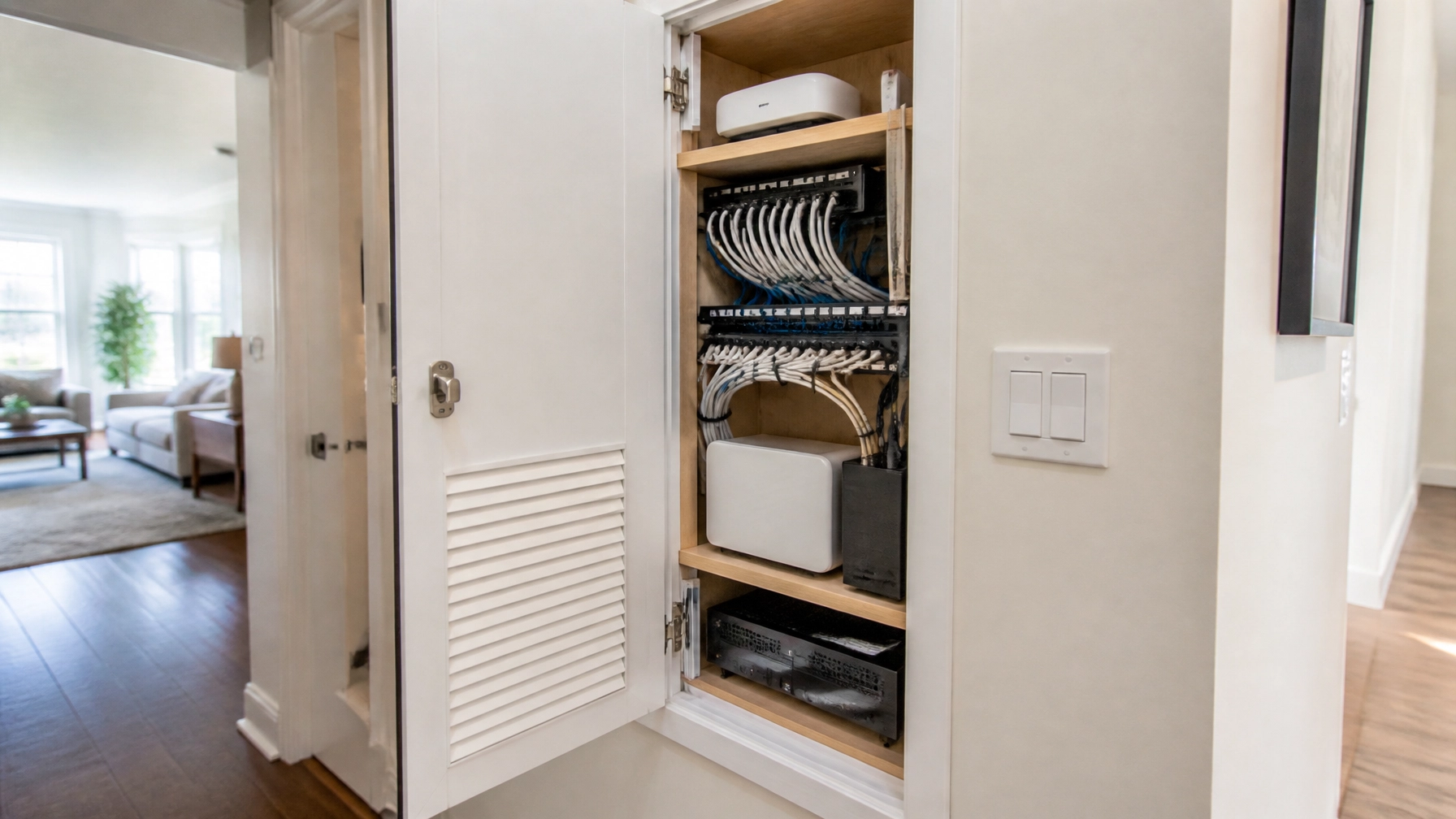
True future-proofing involves structured wiring. This means running physical data cables (like Cat6 or Cat7) to key areas of your home.
- Cat6/Cat7 Cables: Think of these as super-highways for information.
- Why you need them: Even if you use Wi-Fi for your phone, your 4K smart TV, your home office computer, and your security cameras should be "hardwired." This takes the load off your Wi-Fi, making it faster for everything else.
If you are already opening up walls for a home electrical repair in Atlanta, consider running "smurf tube" (flexible blue plastic conduit). This allows you to pull new types of wires through the walls in ten years without ever having to touch the drywall again.

Signals vs. Failures: Listening to Your Home
Most people think electrical problems happen all at once in a shower of sparks. In reality, your home usually sends "signals" long before a failure occurs. We should view these as helpful warnings rather than catastrophes.
- The "Dimming" Signal: If your lights dim slightly when the AC starts, it’s a signal that your system is struggling to handle the "inrush" of power. This can eventually damage sensitive smart electronics.
- The "Warm" Signal: If a wall outlet feels warm to the touch after you’ve had something plugged in, that’s a warning. Inside the wall, the wires are heating up like a stovetop coil because the connection is loose or the wire is too thin for the load.
- The "Ghost" Signal: Smart bulbs that flicker or turn on and off by themselves aren't haunted. They are usually reacting to "dirty power" or electromagnetic interference from older appliances on the same circuit.
If you see these signals, it’s time to call for a professional evaluation. An electrician in Lawrenceville can often perform a safety inspection to catch these issues before they require a major overhaul.
Smart Home Wiring Do's and Don'ts
Building a future-ready home requires a mix of strategy and safety. Here is a quick guide to keep you on track:
- DO: Install Deep Junction Boxes. Smart switches are much "fatter" than traditional ones because they contain computer chips. If your wall boxes are shallow, you’ll struggle to fit the wires back in, which can lead to pinched wires and short circuits.
- DON'T: Overload a Single Circuit. Just because you can plug ten smart devices into one outlet using a power strip doesn't mean you should. A standard 15-amp circuit can handle about 1,440 watts safely. A high-end gaming PC and a laser printer can eat most of that up instantly.
- DO: Invest in Whole-Home Surge Protection. Smart appliances have delicate circuit boards. A single lightning strike or a power surge from the grid can fry thousands of dollars of tech in a millisecond. A whole-home surge protector at the main panel is your first line of defense.
- DON'T: Ignore "Tingling" Sensations. If you feel a tiny buzz or tingle when touching a metal appliance, stop using it immediately. This is a sign of a grounding issue, which is critical for both safety and the proper functioning of smart sensors.

The 2026 Checklist: Is Your Atlanta Home Ready?
As we move further into 2026, the standard for a "modern" home has shifted. To ensure your property remains valuable and functional, consider this checklist for your next upgrade:
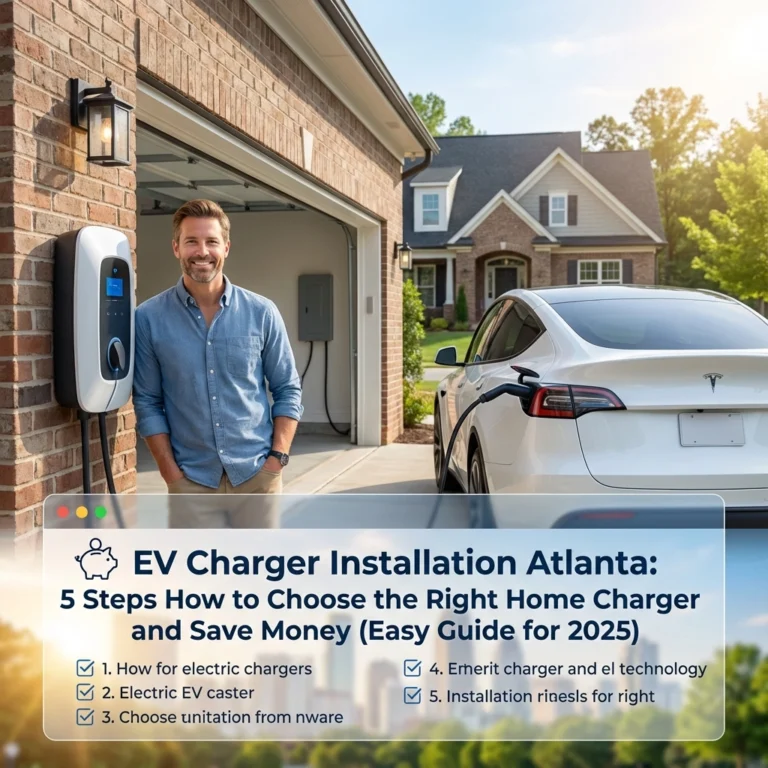
- Dedicated Circuits: High-draw items like EV chargers, smart ovens, and even your "hub" closet (where your router and servers live) should have their own dedicated lines.
- USB-C Outlets: Replace standard outlets in kitchens and bedrooms with units that have built-in USB-C ports. This eliminates the need for bulky "bricks" and provides a cleaner look.
- Smart Lighting Hubs: Instead of 50 individual Wi-Fi bulbs, use smart switches that talk to a central hub. This is more reliable and keeps your internet from getting bogged down.
- Exterior Power: Don't forget the outside! Future-proofing means having accessible power for smart security cameras and landscape lighting without having to run extension cords through windows.
Takeaway: Build for Tomorrow, Today
Your home’s electrical system is the foundation of your digital life. While it’s tempting to just buy the latest gadgets and hope for the best, taking the time to address the underlying wiring is what separates a "frustrating" home from a "smart" one.
Whether you are dealing with a specific home electrical repair in Atlanta or planning a total tech overhaul, remember that safety and capacity come first. By upgrading your panel, ensuring you have neutral wires, and investing in surge protection, you aren't just fixing a problem: you’re building a home that is ready for whatever the next decade of technology brings.