Preparing Your Electrical System for Winter Storms in Metro Atlanta: What Every Homeowner Needs to Know
You're sitting in your living room in Lawrenceville when the weather alert pops up on your phone. Another winter storm heading toward Metro Atlanta. Temperatures dropping. Possible ice accumulation. And suddenly you're wondering: Is my home actually ready for this?
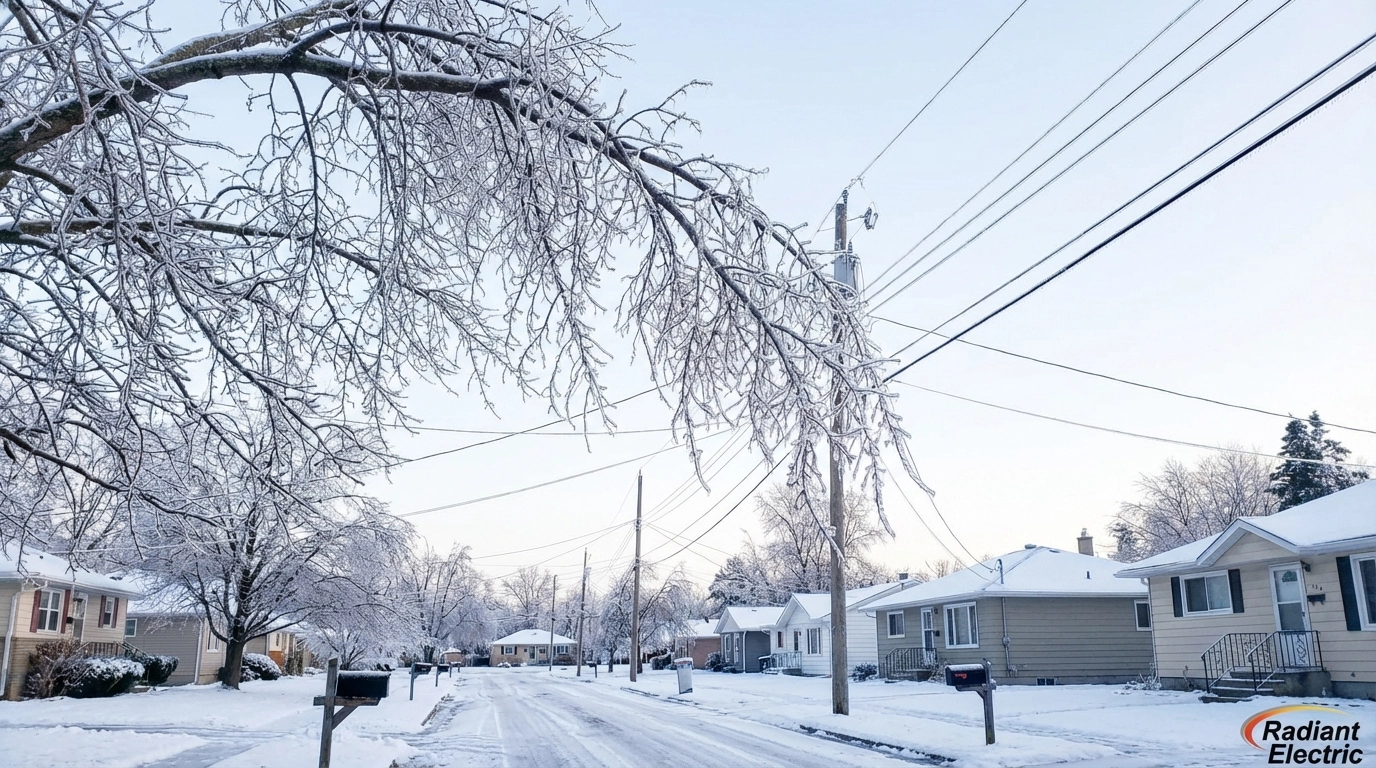
This isn't about scaring anyone. Winter storms in Georgia might not look like the blizzards up north, but they bring their own challenges, especially for your electrical system. Ice-coated trees and power lines are the number one cause of outages in our area, and most homeowners don't realize how much they can do before the storm hits to protect their homes and families.
Here's what you actually need to know.
Why Metro Atlanta Winter Storms Are Different
Most people think Georgia winters are mild. And compared to Minnesota, sure. But here's the thing: our storms often bring ice instead of snow. That ice accumulates on power lines and tree branches, and when those branches snap, they take the lines down with them.
Gwinnett County, Marietta, and the surrounding Metro Atlanta areas see this pattern every year. The result? Power outages that can last anywhere from a few hours to several days.
Your electrical system becomes the lifeline of your home during these events. Heat, lights, refrigeration, communication, it all depends on power. And the time to prepare isn't when you're watching ice form on your windows.
Backup Power: Your First Line of Defense
When the grid goes down, backup power isn't a luxury. It's a necessity. You've got two main options to consider.
Portable Generators
Portable generators are the most common backup solution, but they come with serious safety rules you cannot ignore:
- Never run a generator inside your home, garage, or any enclosed space. Carbon monoxide is odorless and deadly. Keep generators at least 15 feet away from your home.
- Check the oil before every use. Running a generator without proper oil levels will destroy it fast.
- Don't overload it. Add up the wattage of everything you plan to plug in. Your refrigerator alone uses around 100-400 watts running, but spikes to 1,200+ watts when the compressor kicks on.
- Use heavy-duty, grounded extension cords. Those flimsy indoor cords aren't designed for this job.
Here's the most important part: if you want to connect a generator directly to your home's electrical system, you need a transfer switch installed by a qualified electrician. Without it, you risk back-feeding electricity into the power lines, which can electrocute utility workers trying to restore power in your neighborhood.
Whole House Generators
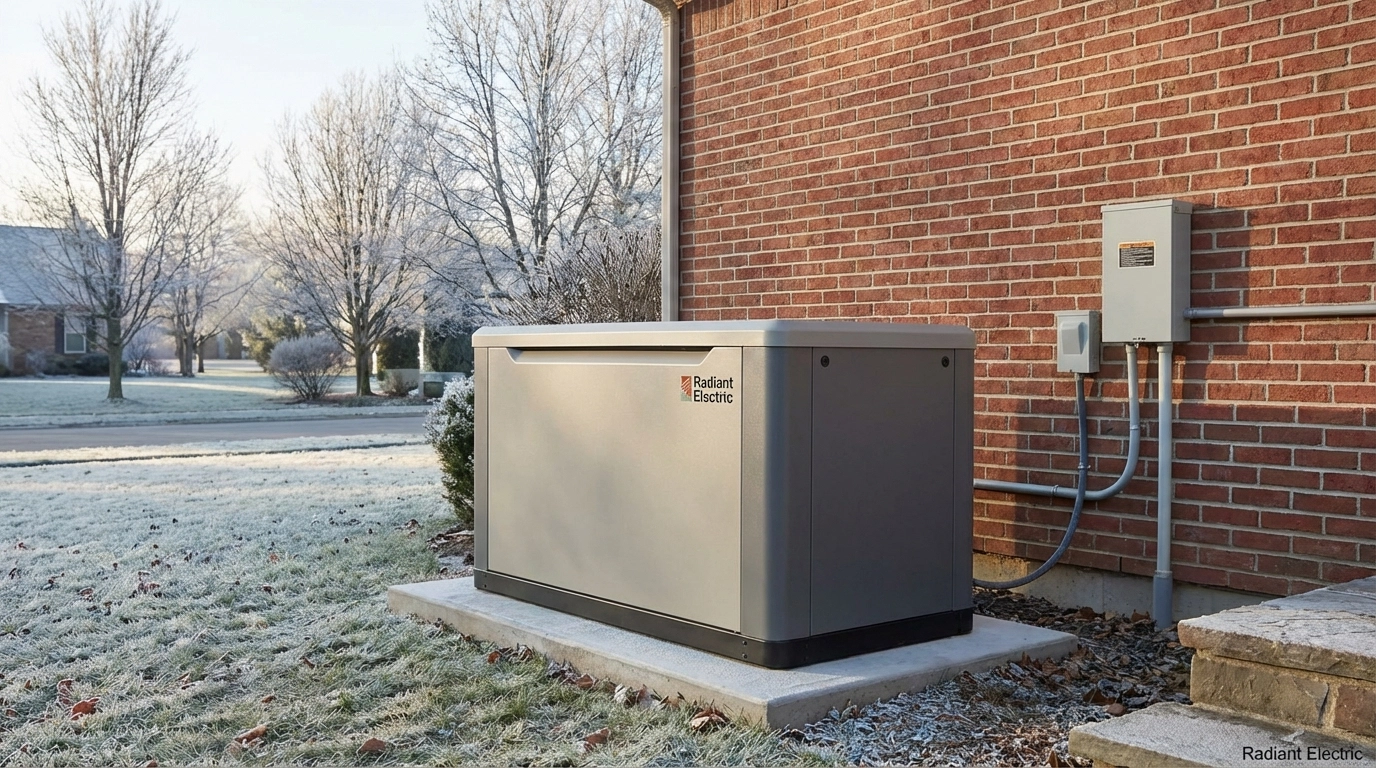
If you want seamless, automatic backup power, a whole house generator is the way to go. These units detect when the power goes out and kick on within seconds. No extension cords. No running outside in the ice to pull-start anything.
They're a bigger investment upfront, but for homeowners in Gwinnett County and Marietta who work from home or have medical equipment that requires power, they're often worth every penny.
Related reading: Whole House Generator Atlanta: 7 Mistakes You're Making with Storm Prep
Is Your Electrical Panel Ready?
Here's something most homeowners don't think about until it's too late: your electrical panel.
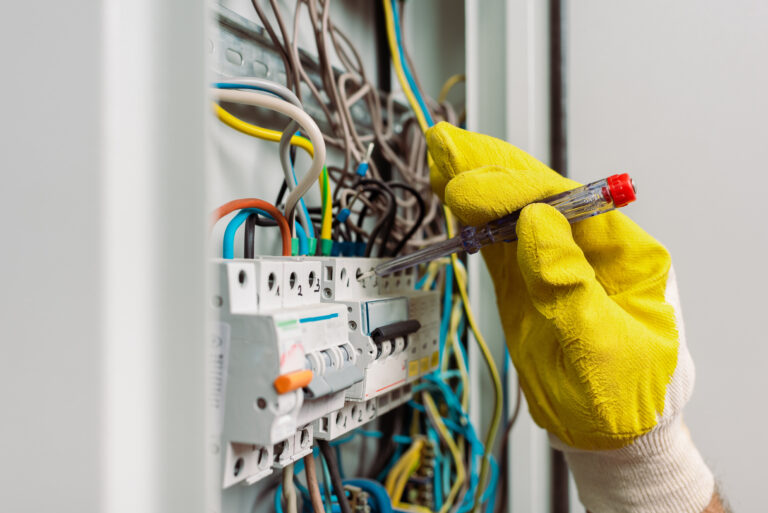
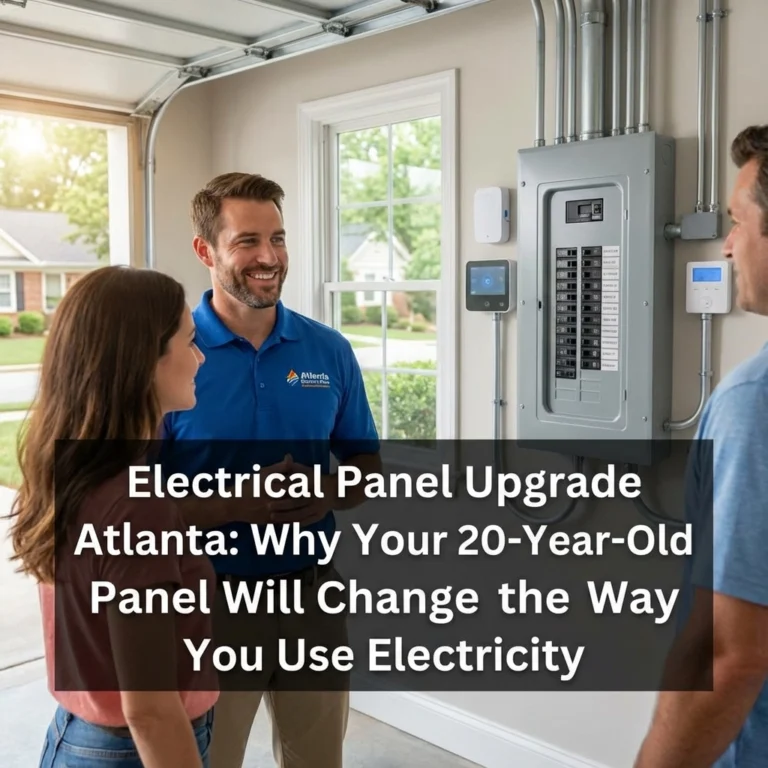
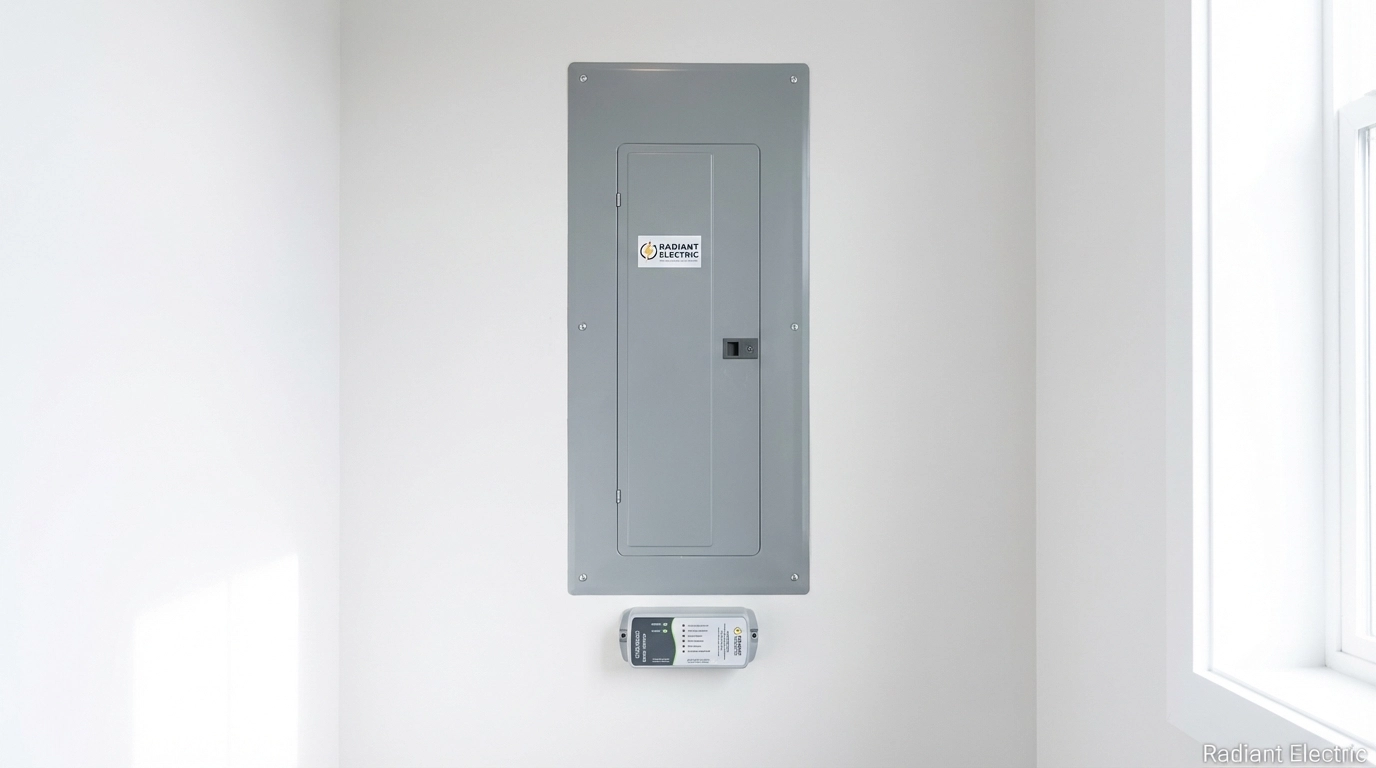
Your panel is the heart of your home's electrical system. It distributes power to every circuit in your house. And if it's outdated, overloaded, or showing signs of wear, a winter storm can push it past its limits.
Warning signs your panel needs attention:
- Breakers trip frequently. This means circuits are overloaded or something's failing.
- You hear buzzing or crackling sounds. Electrical components should be silent.
- The panel feels warm to the touch. Heat means resistance, and resistance means trouble.
- You still have a fuse box. Fuse boxes were great in the 1960s. Not so much now.
- Your panel is rated under 200 amps. Modern homes with multiple appliances, HVAC systems, and electronics often need more capacity.
If your panel is struggling under normal conditions, imagine what happens when you're running space heaters, electric blankets, and everything else during a cold snap.
Learn more: 5 Signs Your Atlanta Home Needs an Electrical Panel Upgrade in 2026
Space Heater Safety: The Hidden Risk
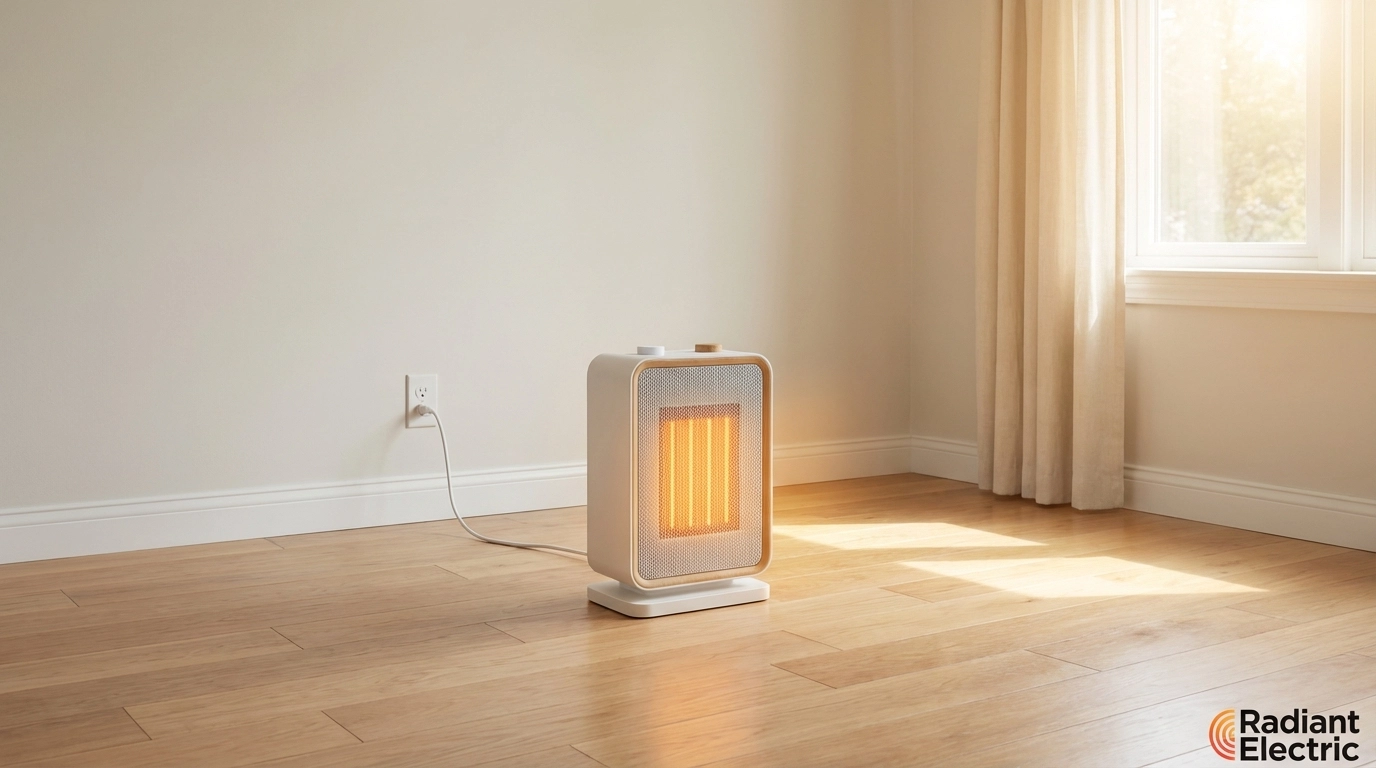
When the power flickers or the main heating system struggles, space heaters come out of closets all over Metro Atlanta. They're helpful, but they're also one of the leading causes of house fires in winter.
Safe space heater practices:
- Choose models with automatic shut-off switches that activate if the unit tips over or overheats.
- Keep heaters at least three feet away from furniture, curtains, bedding, and anything flammable.
- Plug space heaters directly into wall outlets, never into extension cords or power strips.
- Don't leave them running while you sleep or leave the room.
Here's what that really means: space heaters draw a lot of power. Plugging them into power strips or extension cords can cause those cords to overheat. Think of it like running too much water through a garden hose, eventually, something gives.
Building Your Emergency Kit
Electrical preparedness isn't just about your home's wiring. It's about having the right supplies when the lights go out.
Your three-day ready kit should include:
- Flashlights (use these instead of candles to prevent fire risk)
- Extra batteries, more than you think you need
- Portable battery chargers, fully charged before the storm
- Battery-operated or hand-crank radio
- Non-perishable food and manual can opener
- Bottled water (one gallon per person per day)
- Medications and first aid supplies
- Extra blankets, sleeping bags, and warm clothing
- Hand and foot warmers
Pro tip: charge all your devices and portable battery packs before the storm arrives. Once the power's out, you'll wish you had.
Protecting Your Pipes (Yes, This Is Electrical Too)
Frozen pipes might seem like a plumbing issue, but preventing them often involves your electrical system.
During extreme cold:
- Let faucets drip slightly to keep water moving through pipes.
- Open cabinet doors under sinks to let warm air reach uninsulated pipes.
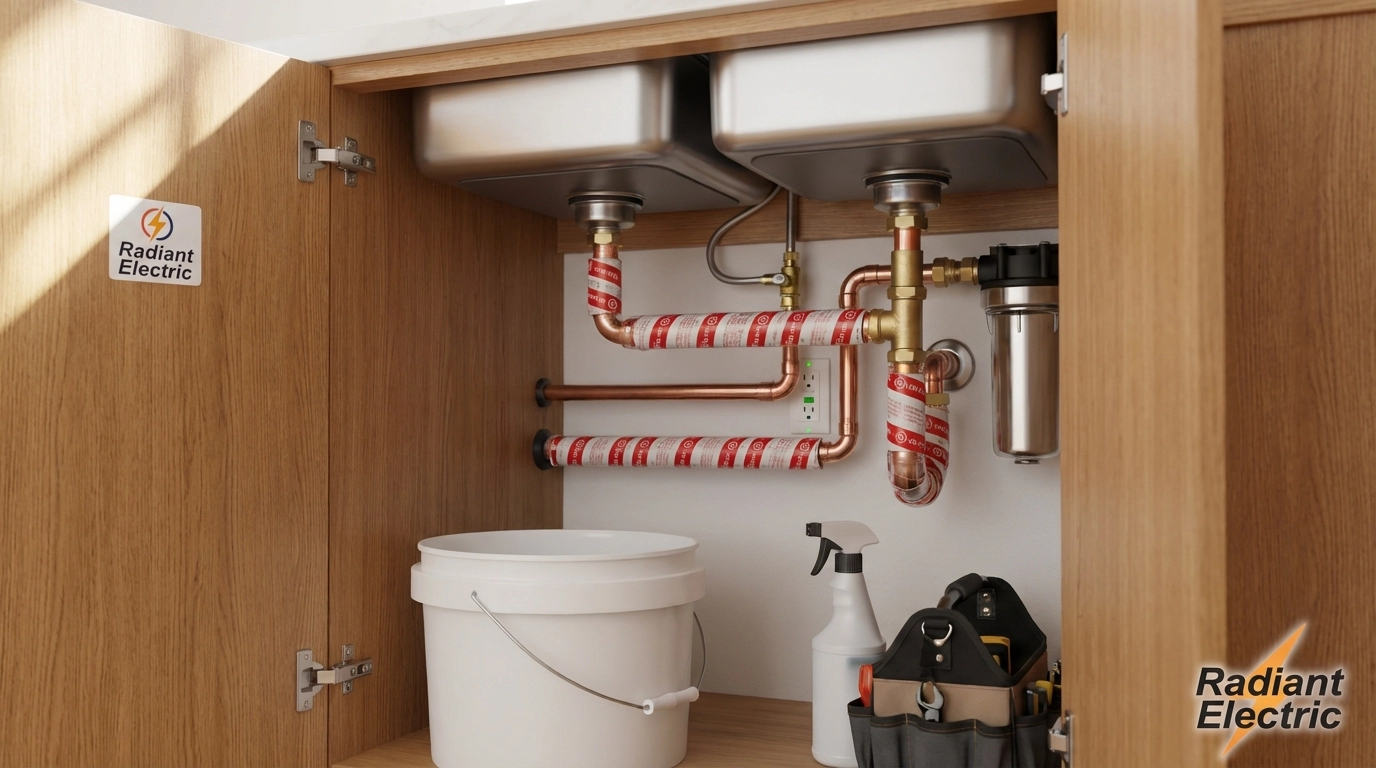
- Consider heat tape on vulnerable pipes: this is an electrical solution that wraps around pipes and keeps them from freezing.
If your pipes freeze and burst, you're not just dealing with water damage. You're dealing with potential electrical hazards from water contacting outlets, wiring, and appliances.
When to Call a Professional
Some storm prep you can handle yourself. Other tasks require a licensed electrician.
Call a professional for:
- Installing a transfer switch for your generator
- Upgrading your electrical panel
- Adding dedicated circuits for space heaters or backup systems
- Inspecting your system after any storm damage
- Installing whole house generators or surge protection
Attempting electrical work without proper training isn't just risky: it can void your insurance, violate local codes, and put your family in danger.
Need help fast? Emergency Electrician Atlanta: The Simple Trick to Never Get Caught Without Power
Your Winter Storm Prep Checklist
Here's a quick summary to keep handy:
- Test your generator and check oil levels
- Charge all portable battery packs
- Inspect your electrical panel for warning signs
- Stock flashlights and extra batteries
- Review space heater safety with your household
- Assemble a three-day emergency kit
- Schedule a professional inspection if anything seems off
Ready to Prepare Your Home?
Winter storms in Gwinnett County, Lawrenceville, Marietta, and across Metro Atlanta are unpredictable. But your readiness doesn't have to be.
If you're unsure about your electrical panel, want to discuss backup power options, or just want peace of mind before the next storm, the team at Radiant Electric is here to help.
Contact Radiant Electric today to schedule your winter electrical inspection and make sure your home is ready for whatever Georgia weather throws at you.