Emergency Electrician Atlanta: The Simple Trick to Never Get Caught Without Power During Georgia's Grid Strain
Georgia's electrical grid faces unprecedented challenges in 2026. Summer heat waves push demand to breaking points, severe weather events knock out power lines, and aging infrastructure struggles to keep pace with Atlanta's explosive growth. While most homeowners wait until the lights go out to think about backup power, there's a simple trick that separates prepared families from those left scrambling in the dark.
The trick isn't complicated, expensive, or time-consuming. It's simply this: think like your power will go out, not if it will go out.
This mindset shift changes everything about how you approach your home's electrical system. Instead of reacting to emergencies, you prepare for them. Instead of hoping your 20-year-old electrical panel can handle another storm, you upgrade it before it fails.
Why Georgia's Grid Strain Affects Every Atlanta Homeowner
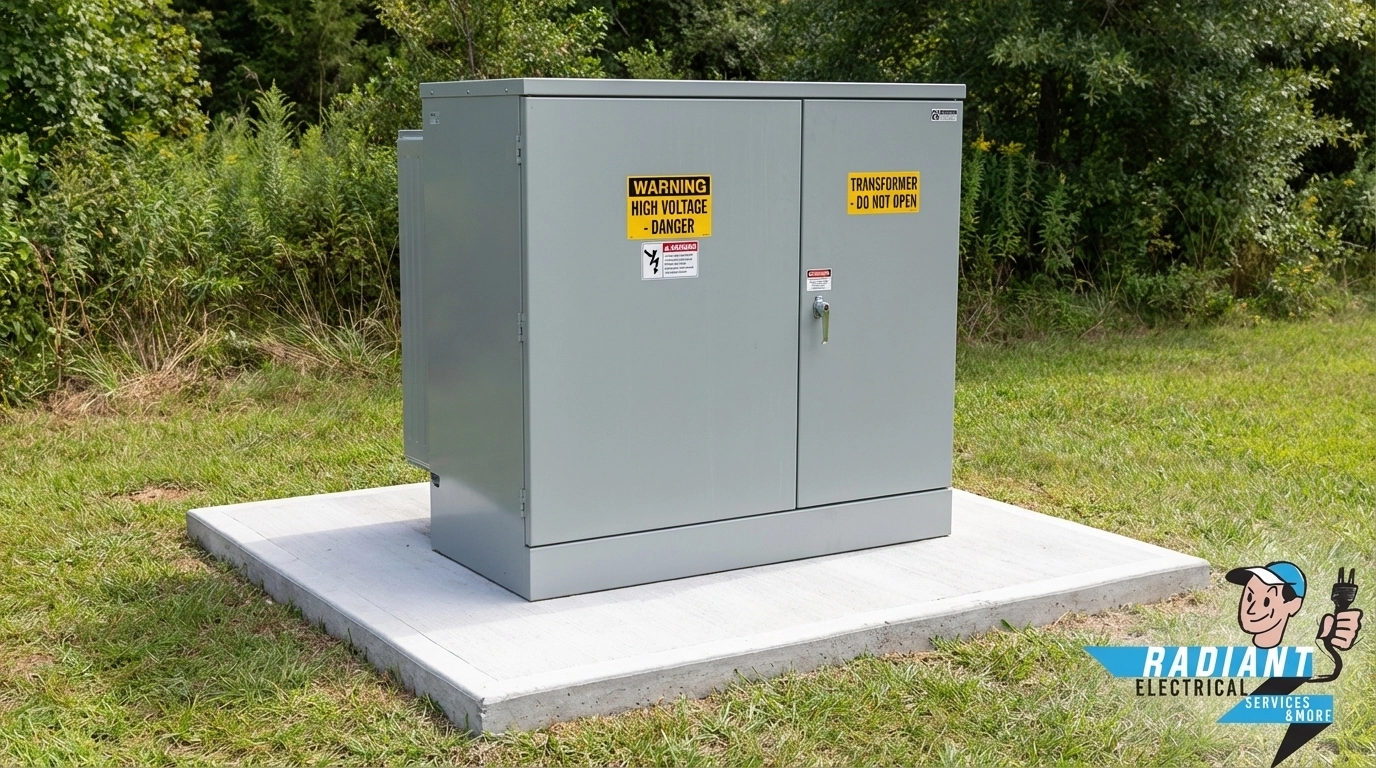
Atlanta's electrical infrastructure wasn't designed for 2026's demands. When the metro area's population exploded over the past decade, the supporting electrical grid played catch-up. Add climate change bringing more severe weather patterns, and you have a recipe for frequent power disruptions.
Gwinnett County alone has experienced 40% more power outages in the past two years compared to the previous decade. Cities like Lawrenceville, Duluth, and Suwanee see regular brownouts during peak summer months when air conditioning demand spikes.
Here's what most people don't realize: these aren't random events. They're predictable consequences of an overloaded system. The homeowners who never lose power during neighborhood outages aren't just lucky: they're prepared.
The Simple Trick: Three-Layer Protection Strategy
The most effective approach combines three protection layers that work together seamlessly. Each layer serves a specific purpose, and together they create a virtually bulletproof defense against power loss.
Layer 1: Surge Protection That Actually Works
Most homeowners think the power strips from the hardware store provide adequate surge protection. They don't. When Georgia Power's grid experiences voltage spikes: which happens dozens of times each month: those cheap surge protectors might save your TV but won't protect your entire electrical system.
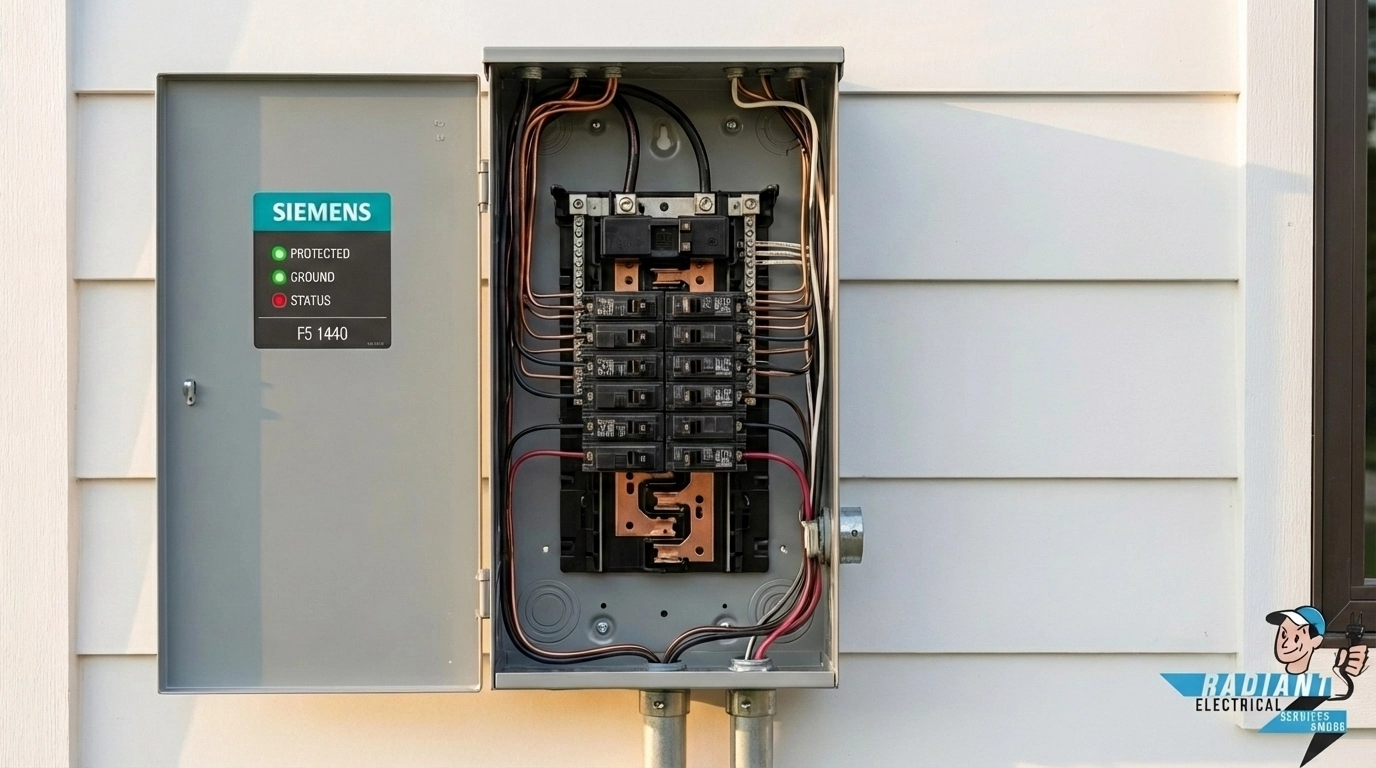
Whole-house surge protection installed at your electrical panel stops power surges before they enter your home's wiring. This isn't about protecting individual devices; it's about protecting the thousands of dollars worth of electrical infrastructure inside your walls.
A quality whole-house surge protector costs less than replacing a single major appliance damaged by power surges. More importantly, it prevents the electrical fires that damaged wiring can cause months after a surge event.
Layer 2: Electrical Panel Upgrades for Modern Demands
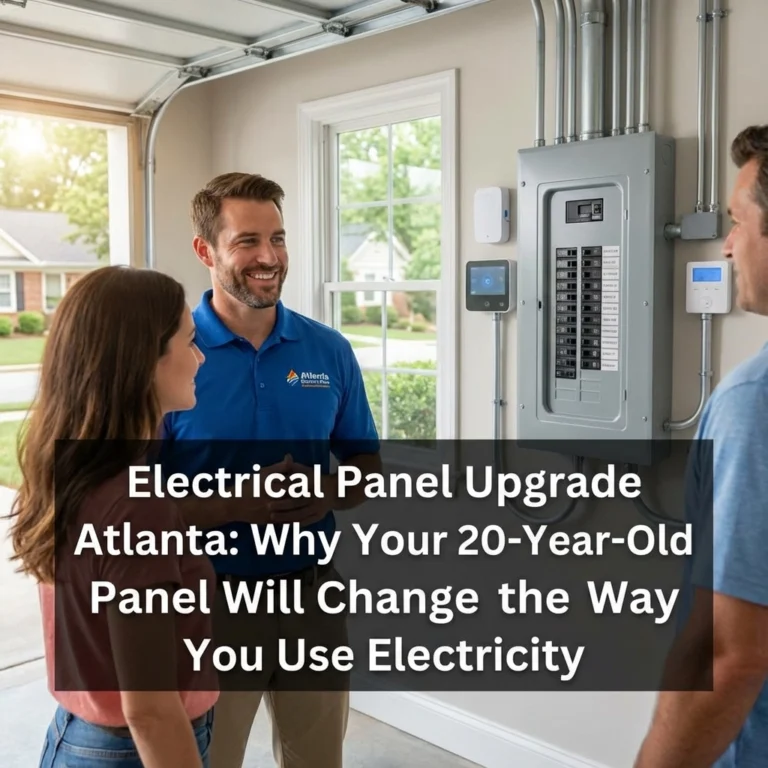
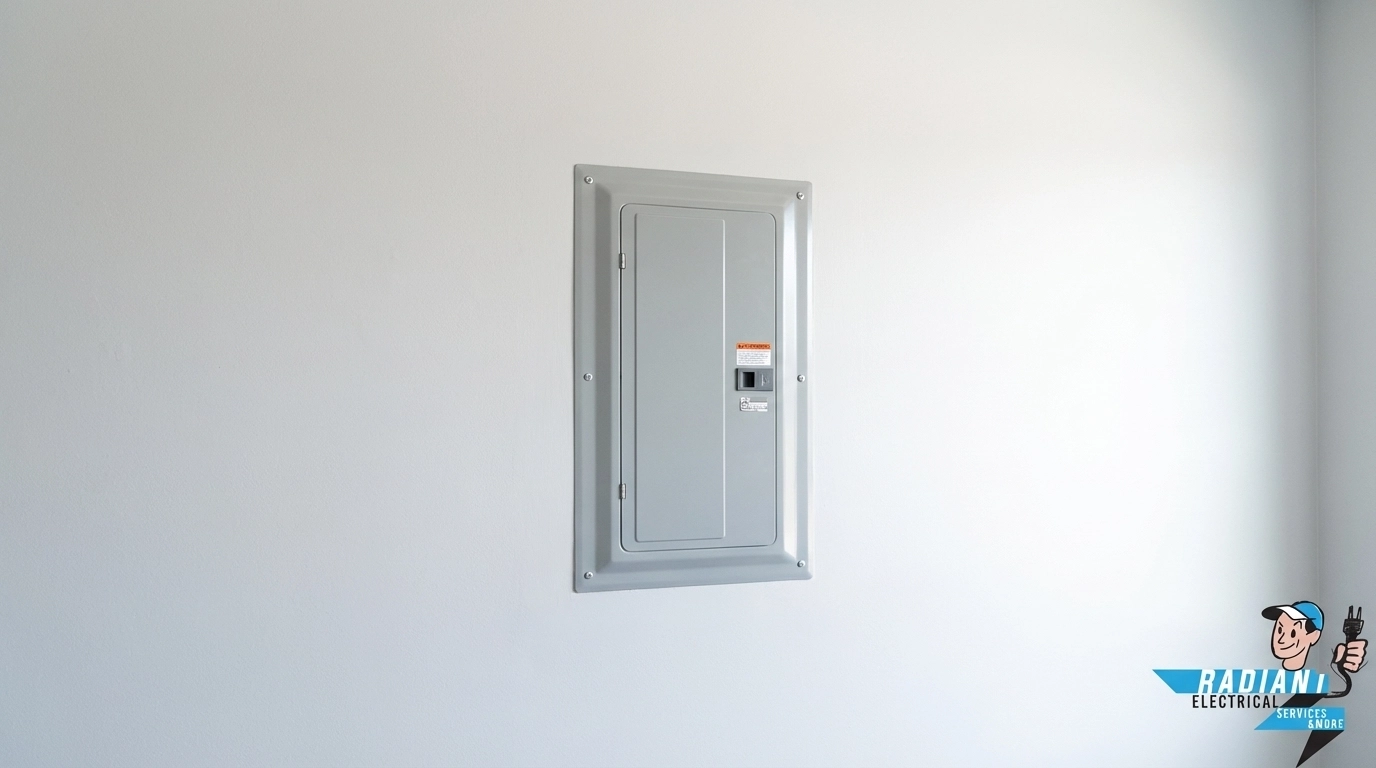
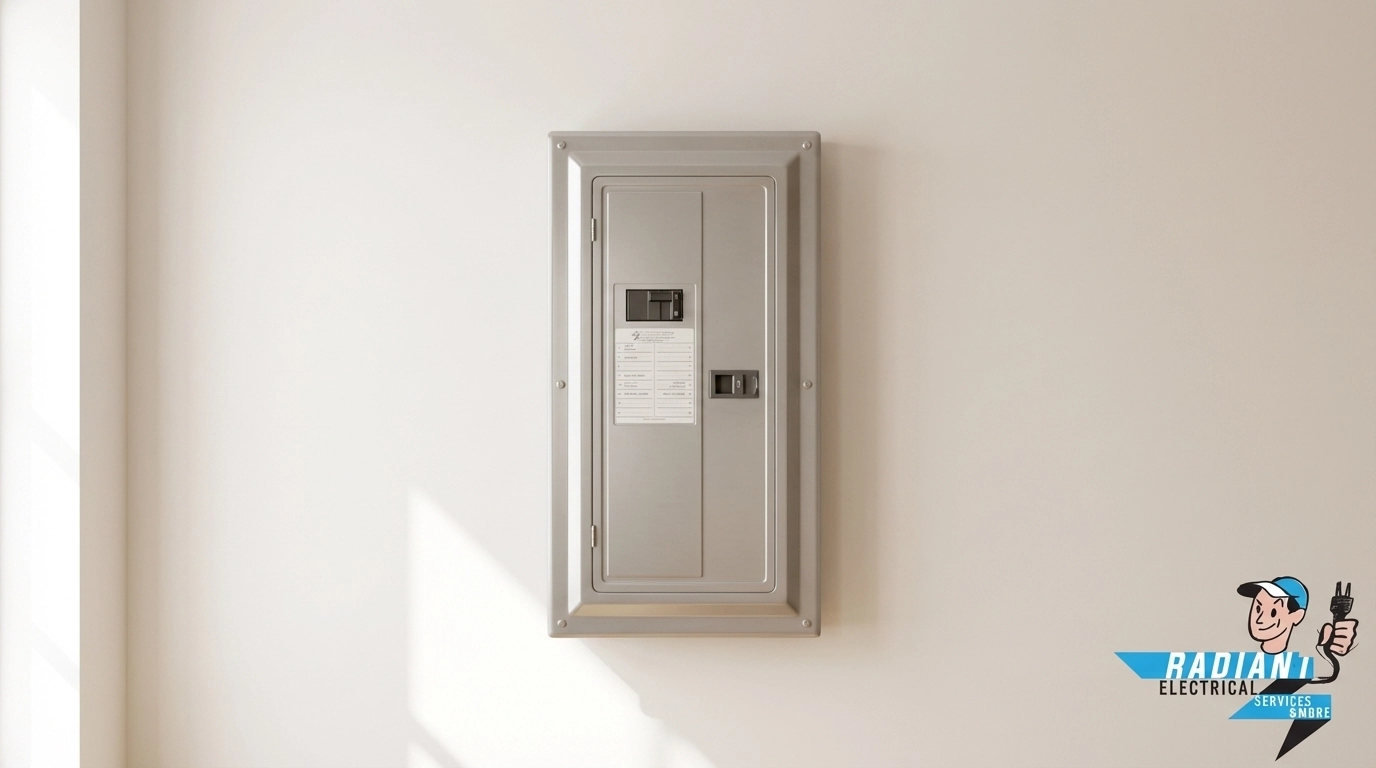
Your electrical panel is your home's power distribution center. If it's more than 15 years old, it wasn't designed for today's electrical loads. Modern homes require significantly more power than panels installed even a decade ago could safely provide.
Signs your panel needs upgrading include:
- Circuit breakers that trip frequently
- Lights that dim when large appliances start
- Outlets that feel warm to the touch
- Burning smells near the electrical panel
- Rust or corrosion on panel components
An upgraded electrical panel doesn't just prevent power loss: it prevents electrical fires. Old panels struggling with modern loads generate heat, and heat in electrical systems leads to dangerous situations.
For homeowners in Marietta, Smyrna, and Sandy Springs, panel upgrades often reveal code violations from previous work. Professional electricians can identify and correct these safety hazards before they become emergencies.
Layer 3: Backup Power Solutions
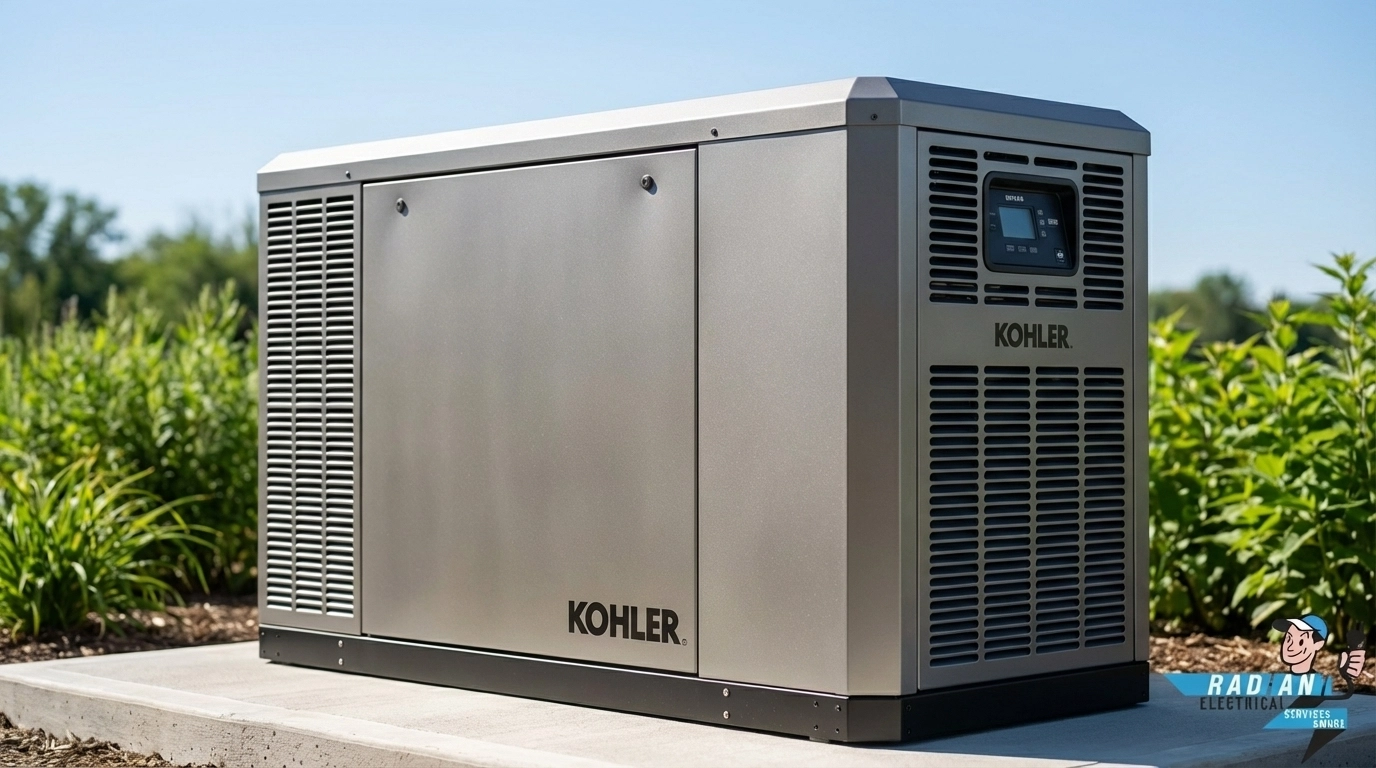
This is where preparation truly separates from hope. Backup power systems ensure your home maintains electricity even when the grid fails completely.
Whole-house generators provide seamless power during outages. When utility power fails, these systems automatically start and restore electricity to your entire home within seconds. Your refrigerator keeps running, your security system stays active, and your family's routine continues uninterrupted.
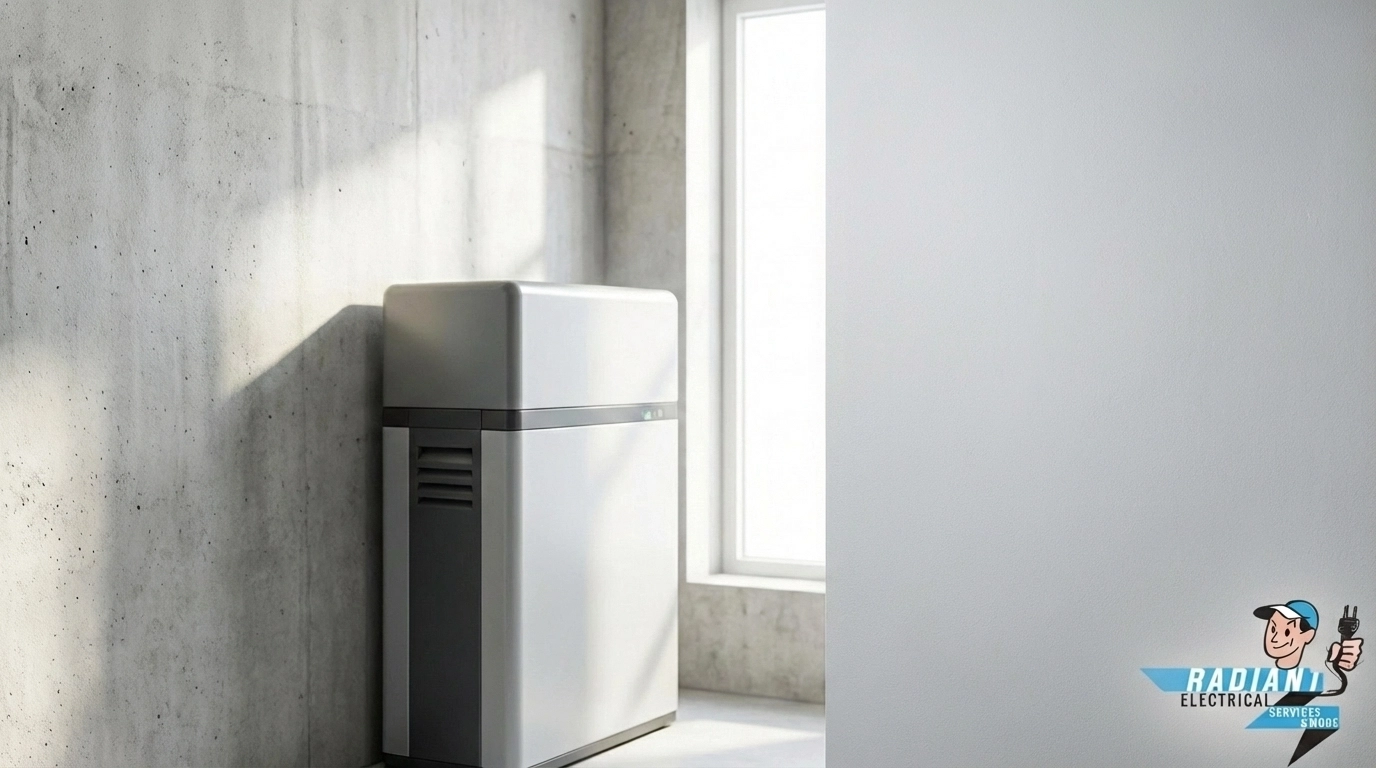
For homeowners who don't need whole-house coverage, battery backup systems can power essential circuits during outages. These systems work silently, require minimal maintenance, and provide immediate power when the grid fails.
Why Emergency Electricians Can't Save You During Major Outages
Emergency electrician services are essential for immediate safety hazards, but they can't restore power when the entire neighborhood is dark. During widespread outages, even the fastest emergency response teams focus on dangerous situations first: exposed wires, electrical fires, and immediate safety threats.
If your power goes out because your electrical panel failed, an emergency electrician can help. If your power goes out because Georgia Power's transmission lines are down, no emergency electrician can restore electricity to your home faster than the utility company.
This is why preparation matters more than reaction speed.
The Cost of Not Preparing vs. The Investment in Protection
Consider the real costs of power outages in Atlanta's climate:
Food Loss: A summer power outage lasting more than four hours spoils everything in your refrigerator and freezer. For most families, that's $300-500 in groceries.
Productivity Loss: Working from home becomes impossible without power. Even one day of lost productivity costs more than basic surge protection.
Comfort Systems: No air conditioning during Georgia summers isn't just uncomfortable: it's potentially dangerous for elderly family members or young children.
Security Concerns: Home security systems, garage door openers, and exterior lighting all depend on electricity. Power outages create security vulnerabilities that criminals often exploit.
A comprehensive electrical protection system costs less than most people spend on their cars' extended warranties, yet it protects something far more valuable: your home and family's safety.
Implementation Strategy for Atlanta-Area Homeowners
The key to successful electrical protection is proper sequencing. Start with the most critical protection layer and build from there.
Phase 1: Professional Electrical Assessment
Have a licensed electrician evaluate your current electrical system. This assessment identifies immediate safety hazards and determines which protection layers your home needs most urgently.
Phase 2: Essential Safety Upgrades
Address any code violations or safety hazards first. This might include electrical panel upgrades, GFCI outlet installation, or correcting DIY electrical work that doesn't meet current codes.
Phase 3: Protection System Installation
Install whole-house surge protection and plan backup power solutions based on your family's specific needs and budget.
For residents of Norcross, Snellville, and Decatur, local electrical codes may require specific installation methods or additional safety measures. Professional electricians familiar with local requirements ensure all work meets current standards.
Professional Installation: Why DIY Electrical Work Fails
Electrical protection systems require precise installation to function properly. Improperly installed surge protectors can actually increase fire risk. Incorrectly wired backup power systems can back-feed electricity into utility lines, creating deadly hazards for utility workers.
Professional electrical contractors understand local codes, have proper licensing and insurance, and use commercial-grade equipment designed for Georgia's climate and electrical conditions.
More importantly, professional installation includes warranty coverage and ongoing support. When severe weather threatens Atlanta, you want confidence that your protection systems will function exactly as designed.
Taking Action Before the Next Outage
The next major power outage in the Atlanta metro area isn't a question of if: it's when. Homeowners who implement the three-layer protection strategy before that outage occurs will maintain power, comfort, and security while their neighbors deal with spoiled food, dead cell phones, and sweltering heat.
The simple trick to never getting caught without power isn't really a trick at all. It's the wisdom of preparing for predictable problems before they become emergencies.
Don't wait for the next storm, grid failure, or equipment breakdown to think about electrical protection. The best time to install backup power and surge protection is when you don't need them yet.
Ready to protect your Atlanta-area home from power outages and electrical emergencies? Contact Radiant Electric today for a comprehensive electrical assessment. Our licensed electricians serve Gwinnett County, Lawrenceville, Duluth, Suwanee, and surrounding communities with expert electrical services designed to keep your family safe and powered up. Call us at your convenience( before the lights go out.)