Lawrenceville Homeowners: Is Your Electrician Actually Up to Code?
Marcus, a local homeowner in Lawrenceville, recently decided to upgrade the kitchen in his beautiful 1970s split-level home. He’d lived there for years, raising his family and keeping up with the lawn, but the electrical system was something he rarely thought about: until he bought a new high-end induction range. When the delivery team arrived, they took one look at his outlet and the panel in the garage and shook their heads. "This isn't going to work," they told him. Marcus realized that while his home had been perfect for decades, the world of power had changed around him.
This is a common scenario for many people searching for electric companies in Lawrenceville GA. Whether you live in a historic gem near the Downtown Square or a classic suburban home off Sugarloaf Parkway, your house is likely sending you signals about its electrical health every day.
Before we dive into the technical details, I want to be very clear: this isn't about scaring anyone. Most electrical issues aren't immediate catastrophes; they are simply signals that your home’s "nervous system" needs an update to handle the demands of 2026 life. Understanding these codes is about ensuring your home stays as comfortable and safe as the day you moved in.
Why "Up to Code" Isn't Just Red Tape
When we talk about the National Electrical Code (NEC), it sounds like a thick, dusty book used only by inspectors. Here’s what that really means: it is a set of evolving safety rules designed to prevent fires and shocks. Think of it like the seatbelt and airbag standards in your car. A car from 1985 is still a car, but it doesn't have the same safety features as a 2026 model.
In Lawrenceville, we follow the Georgia state electrical code, which is based on these national standards. As we move through 2026, the focus has shifted heavily toward protecting sensitive electronics and preventing the types of tiny electrical "arcs" that can cause heat build-up behind your walls.
The Three Big Red Flags in Older Lawrenceville Homes
1. The Overworked Electrical Panel
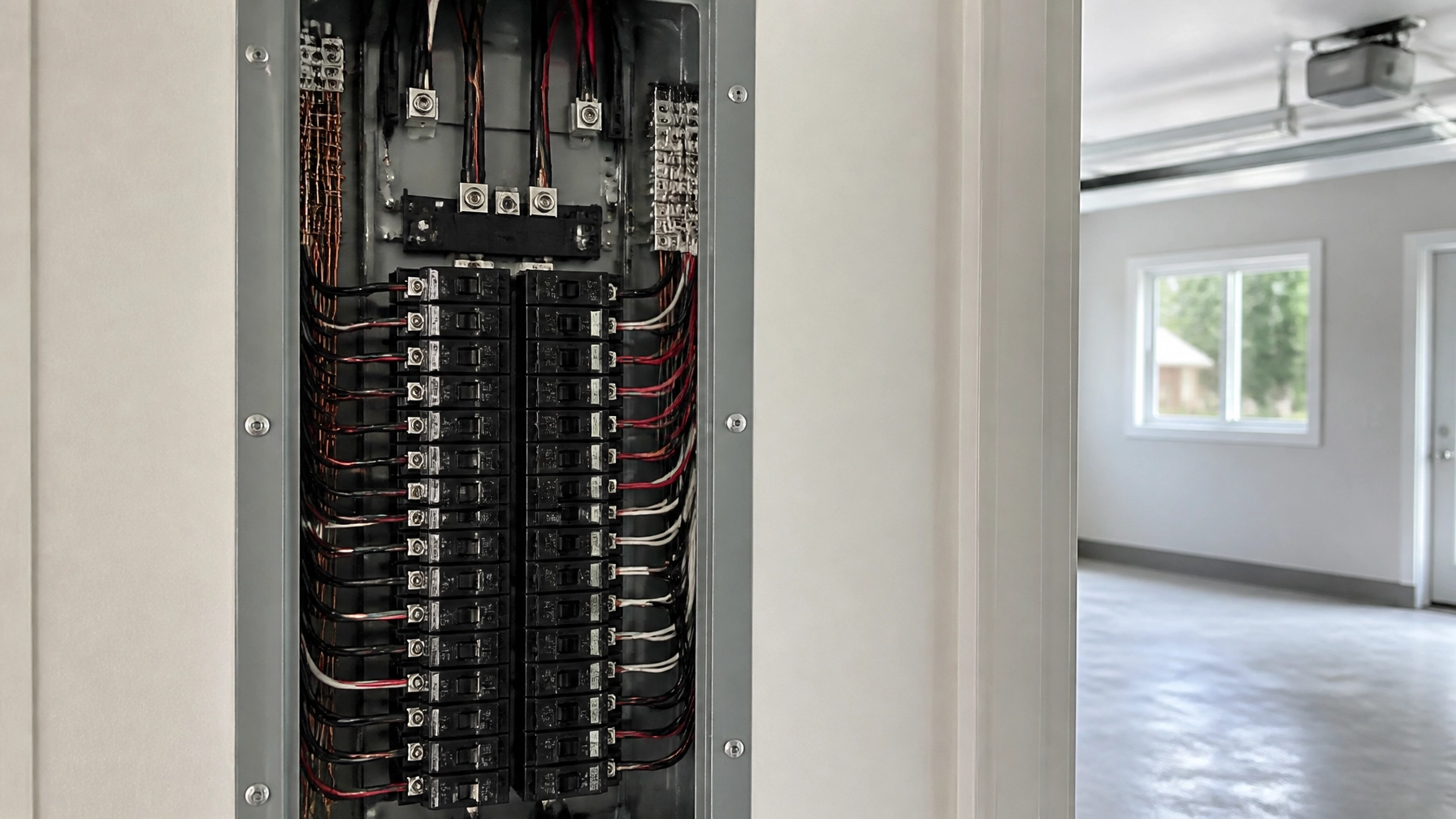
Many homes in our area were built when the biggest power draws were a refrigerator and a few light bulbs. Today, we have multiple TVs, high-powered computers, EV chargers, and sophisticated HVAC systems.

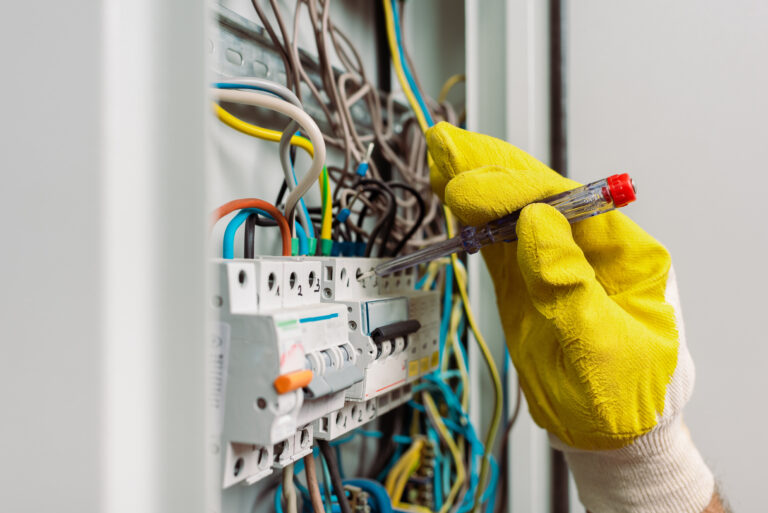
If you find yourself frequently walking to the garage or basement to flip a breaker back on, that’s a signal. Most homeowners believe a tripping breaker is a sign of a "broken" switch. In reality, the breaker is doing exactly what it was designed to do: it’s stopping the wires from overheating. However, if it happens often, your panel is telling you it can no longer handle your family's lifestyle. In 2026, modern panels are designed to distribute this load more efficiently and safely.
2. Missing GFCI and AFCI Protection
You’ve likely seen outlets with the "Test" and "Reset" buttons. These are Ground-Fault Circuit-Interrupters (GFCIs).

Here’s the analogy: a GFCI is like a lifeguard at a pool. It’s watching for any "leak" of electricity (like if water touches an appliance) and shuts the power off in a fraction of a second. Under current codes, these are required in kitchens, bathrooms, garages, and outdoors. If your kitchen still has standard two-prong or three-prong outlets without those buttons near the sink, you are essentially swimming without a lifeguard.
There is also a newer hero in town called the AFCI (Arc-Fault Circuit-Interrupter). While GFCIs protect you from shocks, AFCIs protect your home from fires. They detect "arcing": small sparks caused by frayed wires or loose connections: and shut down the circuit before those sparks can start a fire. Most modern codes now require these for almost every room in the house.
3. The "Daisy Chain" of Extension Cords
Take a walk through your living room. Do you have a power strip plugged into an extension cord, which is then plugged into a wall? Homeowners often believe this is just a minor inconvenience of an old house.
From a code perspective, this is a major warning sign. Extension cords are designed for temporary use, not as permanent wiring. When you "daisy chain" them, you are forcing more electricity through a thin cord than it was meant to carry. It’s like trying to push the contents of a fire hose through a straw; eventually, something has to give. If you don't have enough outlets, it's a signal that your home’s wiring needs a professional layout to meet current safety standards.
The 2026 Standard: What You Should Know
As we look at the latest updates, there are a few specific things that professional electric companies in Lawrenceville GA are looking for right now:
- Tamper-Resistant Outlets: If you have small children or grandchildren visiting, these are a must. They have internal shutters that prevent anything other than a two-pronged plug from being inserted.
- Whole-Home Surge Protection: With the amount of expensive tech in our homes today: from smart fridges to $2,000 laptops: a simple power strip isn't enough. Modern codes often recommend or require surge protection at the main panel to protect every device in the house from external power spikes.
- Dedicated Circuits for Major Appliances: That new air fryer or treadmill might be "tripping the lights" because it’s sharing a circuit with too many other things. Modern codes require dedicated "lanes" for these high-power devices.

Practical Guidance: The Do's and Don'ts
To keep your Lawrenceville home in top shape, here are the behavioral changes that make the biggest difference:
DO:
- Test your GFCIs monthly. Press the "Test" button to make sure the power actually cuts out. It’s a five-second habit that saves lives.
- Check your outdoor outlets. Ensure they have "in-use" covers: the clear plastic bubbles that keep rain out even when something is plugged in.
- Label your panel. Knowing exactly which breaker controls which room is vital during an electrical emergency.
DON'T:
- Ignore flickering lights. Most people think it’s just a loose bulb. Often, it’s a sign of a loose wire in the wall or a failing connection in your panel.
- Paint over your outlets. It looks nice during a DIY renovation, but paint can get inside the contact points, leading to overheating and poor connections.
- Remove the third prong. That round "ground" prong on your plugs is the "exit ramp" for excess electricity. Cutting it off to fit into an old two-prong outlet is like removing the brakes from your car.
Investing in Your Peace of Mind
When you look for an electrician in Lawrenceville, GA, you aren't just paying for someone to swap out a piece of plastic. You are investing in a system that works silently behind your walls to keep your family safe.
If you are planning a renovation or simply haven't had your home's electrical "vitals" checked in the last decade, it’s worth having a professional safety inspection. Modernizing your home to meet current codes isn't just about passing an inspection; it’s about ensuring that your home remains the safe, comfortable haven it was always meant to be.

Key Takeaway: Electrical codes are safety signals designed to protect your home from the hidden risks of modern power demands. Keeping your Lawrenceville home up to code is the best way to ensure your family's safety and your home's longevity.