
Are You Ready for 2025's New Electrical Codes? What Every Marietta Homeowner Needs to Know
Picture this: You're planning a kitchen renovation, excited about new countertops and cabinets. Your contractor mentions that all your outlets need upgrading to meet "new 2025 codes." Suddenly, your simple refresh just got more complicated: and expensive.
Here's what's happening: Georgia adopted major electrical code changes that took effect January 1, 2025, with additional updates in August. This isn't about scaring anyone: these changes are designed to make your home safer. But if you're planning any electrical work in Marietta, you absolutely need to understand what's required now.
Whether you're renovating, building an addition, or just curious about your home's electrical safety, these code updates affect every residential project permitted after January 1, 2025. Let's break down exactly what changed and what it means for your wallet and your family's safety.
The Big Picture: Georgia Goes All-In on the 2023 National Electrical Code
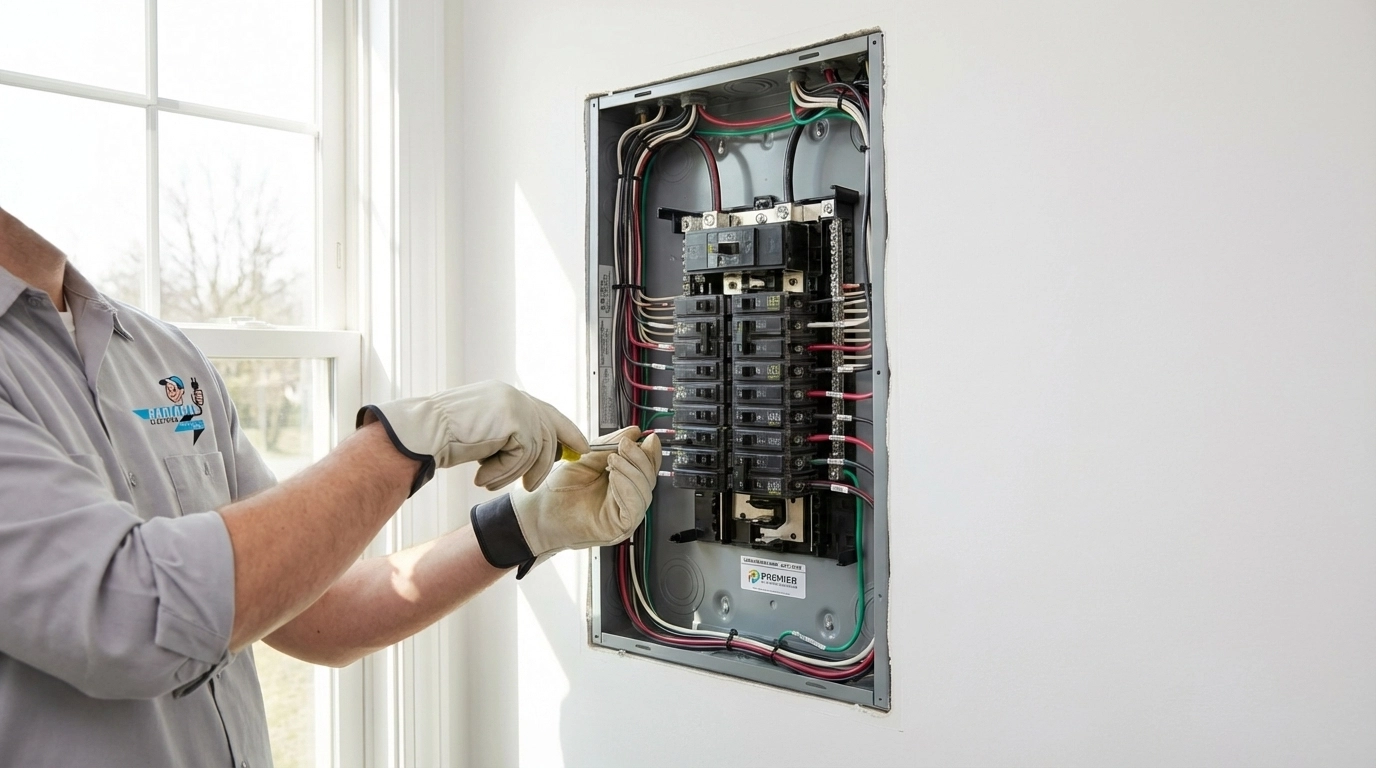
Georgia adopted the 2023 National Electrical Code (NEC) with no state amendments, effective January 1, 2025. Here's what that really means: Every electrical project in Marietta now follows the most current national safety standards, period.
Most homeowners think electrical codes change slowly, but the 2023 NEC introduced some of the most significant residential safety upgrades in decades. The focus? Preventing electrical fires, reducing shock hazards, and protecting your home from power surges.
Then in August 2025, Georgia made additional clarifications that actually reduced some requirements for specific appliances. This shows the state is committed to practical safety: adding protection where it matters most while avoiding unnecessary complications.
GFCI Protection: The Game-Changer That's Everywhere Now
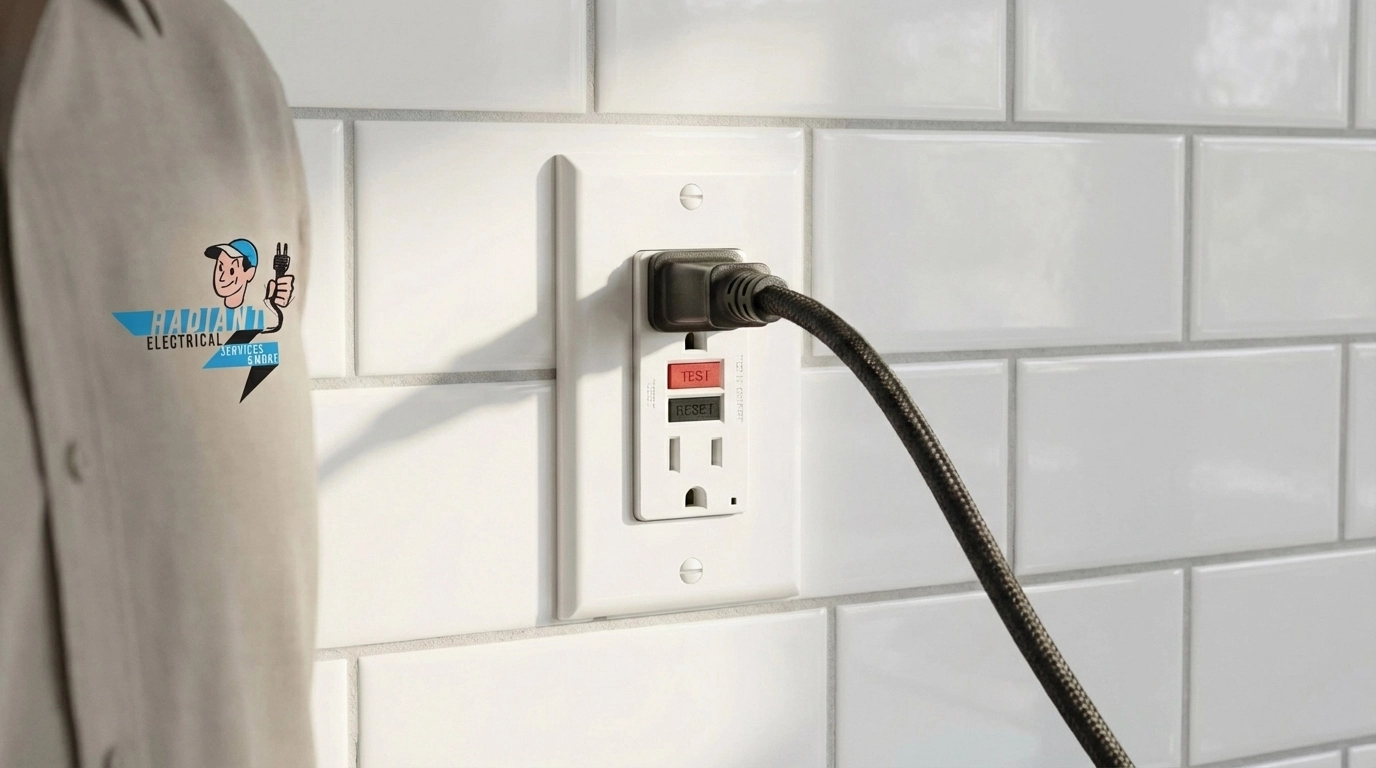
Ground-Fault Circuit-Interrupter (GFCI) protection is the biggest change you'll notice. Here's what GFCIs actually do: They detect when electricity is flowing where it shouldn't (like through water or your body) and shut off power in milliseconds, literally fast enough to prevent electrocution.
Previously, GFCIs were mainly required in bathrooms, kitchens, and outdoor areas. Now? They're required almost everywhere in your home for 125-250 volt receptacles.
Where You Need GFCI Protection Now:
Bathrooms: Every single outlet, including exhaust fan outlets (with very limited exceptions for factory-installed receptacles). No more choosing which bathroom outlet gets GFCI protection: it's all of them.
Kitchens: This is huge. All kitchen receptacles now need GFCI protection, including outlets for your refrigerator, range, microwave, and garbage disposal. Previously, many of these were exempt.
The 6-Foot Rule: Any outlet within 6 feet of a sink edge needs GFCI protection. This includes that handy outlet next to your utility sink in the laundry room or basement.
Garages and Outbuildings: Zero exceptions now. Every outlet in your garage, shed, or detached workshop needs GFCI protection.
Basements and Crawl Spaces: All outlets except those specifically for fire alarm and security systems.
Outdoor Areas: This was already required, but now it's explicitly expanded to include all outdoor receptacles.
Laundry Areas: Every outlet in any space used for laundry, regardless of what the room is officially called.
The August 2025 Relief: What's NOT Required Anymore
Here's some good news from the August amendments: GFCI protection is no longer required for electric ranges, wall-mounted ovens, counter-mounted cooking units, clothes dryers, and microwave ovens.
This change recognizes that these major appliances have their own built-in safety features and rarely cause the types of accidents GFCIs prevent. It saves homeowners money while keeping the focus on outlets where GFCI protection provides real safety benefits.
Dedicated Circuits: Your Home Needs More Electrical Highways
Think of your electrical circuits like highways. Previously, you could have multiple "destinations" sharing the same electrical highway. The new codes require dedicated highways for specific high-demand areas.
Here's why this matters: When multiple outlets share a circuit, you risk overloading it. That leads to tripped breakers, flickering lights, and potential fire hazards. Dedicated circuits eliminate these problems.
Required Dedicated Circuits:
Laundry Room: One 20-amp, 120-volt circuit exclusively for laundry room outlets. Nothing else can be on this circuit: not even a light fixture. Your washer, dryer, and any other laundry room outlets get their own dedicated power supply.
Bathrooms: One 20-amp, 120-volt circuit for bathroom receptacle outlets at countertops and similar work surfaces. Again, this circuit can't power anything else. This prevents your hair dryer from competing with other appliances for power.
Garage: Each vehicle bay gets one 20-amp, 120-volt circuit exclusively for receptacle outlets in that bay. This ensures you have reliable power for car chargers, workshop tools, or other garage equipment.
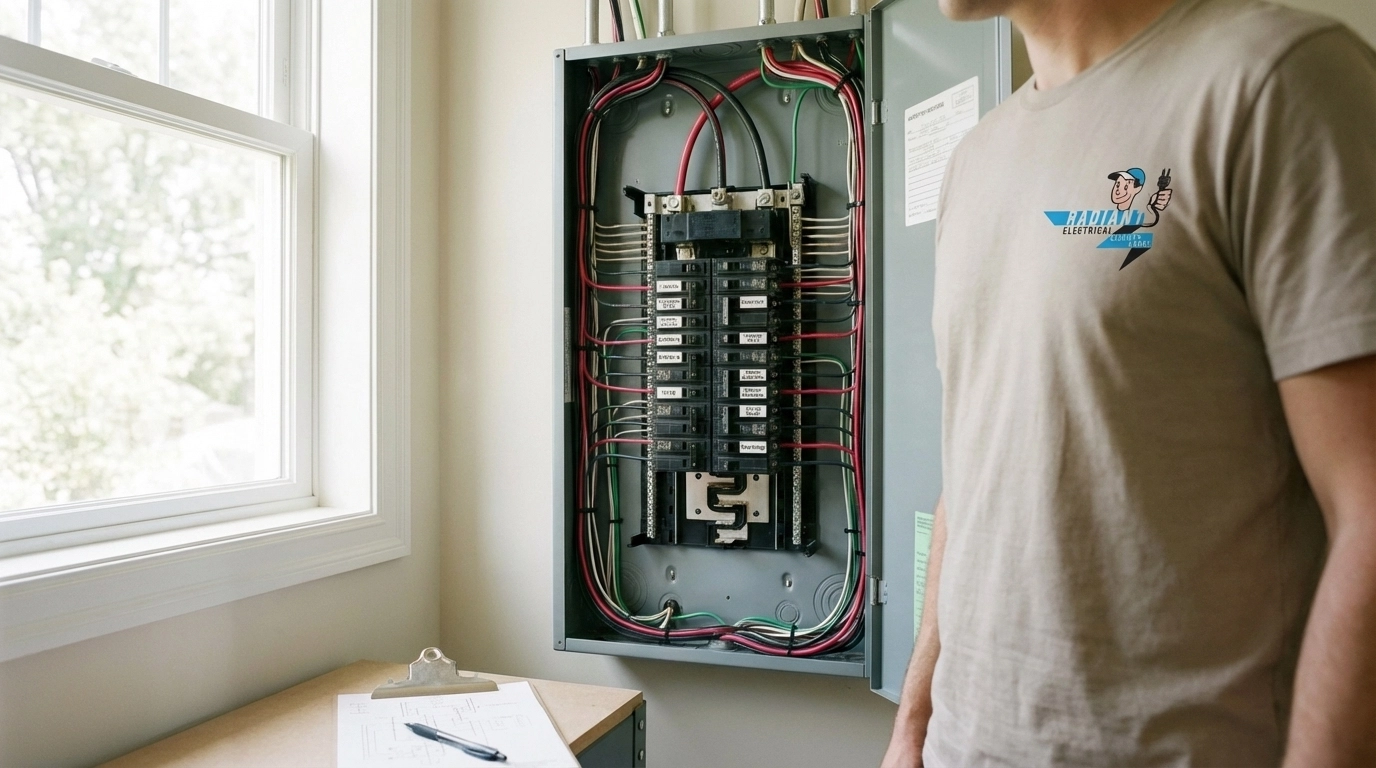
What this means practically: If you're renovating any of these areas, expect additional electrical work beyond just swapping outlets. Your electrician might need to run new wiring from your panel to create these dedicated circuits.
Surge Protection: Defending Your Home's Electrical System
Power surges don't just come from lightning strikes. They happen dozens of times per day from appliances cycling on and off, utility grid switching, and electrical faults. The new codes recognize that modern homes are packed with sensitive electronics that need protection.
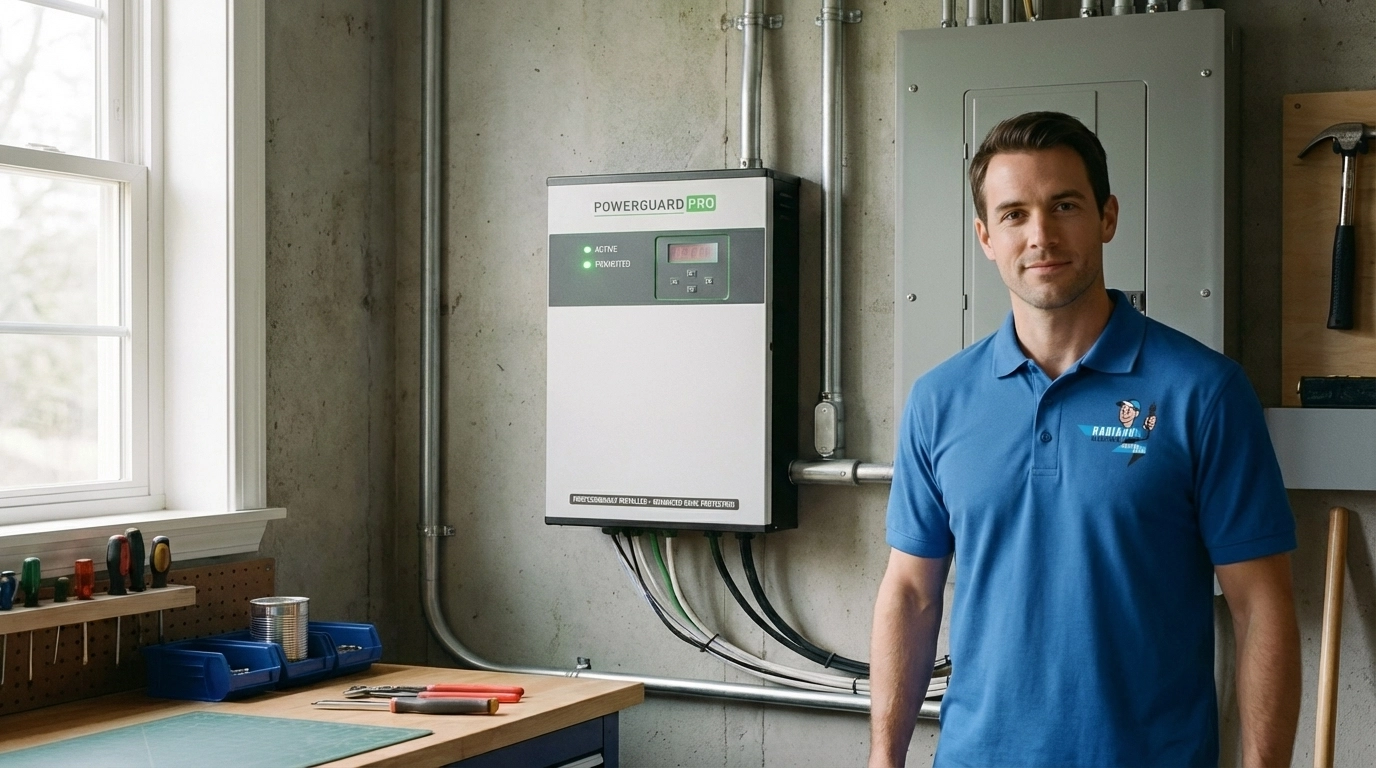
New requirement: Surge protection devices are now mandatory for feeders supplying power from services to dwelling units. This includes single-family homes, townhomes, and apartments.
Here's what that really means: You need a surge protector installed at your main electrical panel (or adjacent to it) that can handle at least 10,000 amperes of discharge current. This isn't a power strip: it's a whole-house protection system.
Think of it like this: If your home's electrical system is a castle, surge protection is the moat that stops electrical attacks before they reach your valuable electronics.
What These Changes Mean for Your Next Project
If you're planning any electrical work in Marietta: from adding a single outlet to a full kitchen remodel: these codes apply to projects permitted after January 1, 2025.
Kitchen renovations will require GFCI protection for all outlets, including that outlet behind your refrigerator. Bathroom updates mean every outlet needs GFCI protection and dedicated circuit consideration. Garage workshops require GFCI outlets throughout and dedicated circuits for each bay.
Basement finishing projects now need GFCI protection for all outlets and careful circuit planning. Laundry room upgrades require dedicated circuits and GFCI protection.
Budget Impact: Plan for Additional Costs
These safety upgrades aren't free. GFCI outlets cost more than standard outlets. Dedicated circuits require additional wiring and potentially new breakers. Whole-house surge protection adds to material costs.
But here's the reality: These upgrades significantly reduce fire risk, prevent electrocution, and protect your electronics. Insurance companies are taking notice: some offer discounts for homes meeting current electrical codes.
Most homeowners find that the peace of mind and increased home value offset the upfront costs. Plus, if you're financing a renovation, these safety improvements often qualify for favorable loan terms.
Making Sure Your Electrician Knows the Rules
Not all electricians are equally familiar with the 2025 code changes. When getting quotes for electrical work, ask specific questions:
- "How will you handle the new GFCI requirements for this project?"
- "Do we need dedicated circuits for any of this work?"
- "Is whole-house surge protection required for what we're doing?"
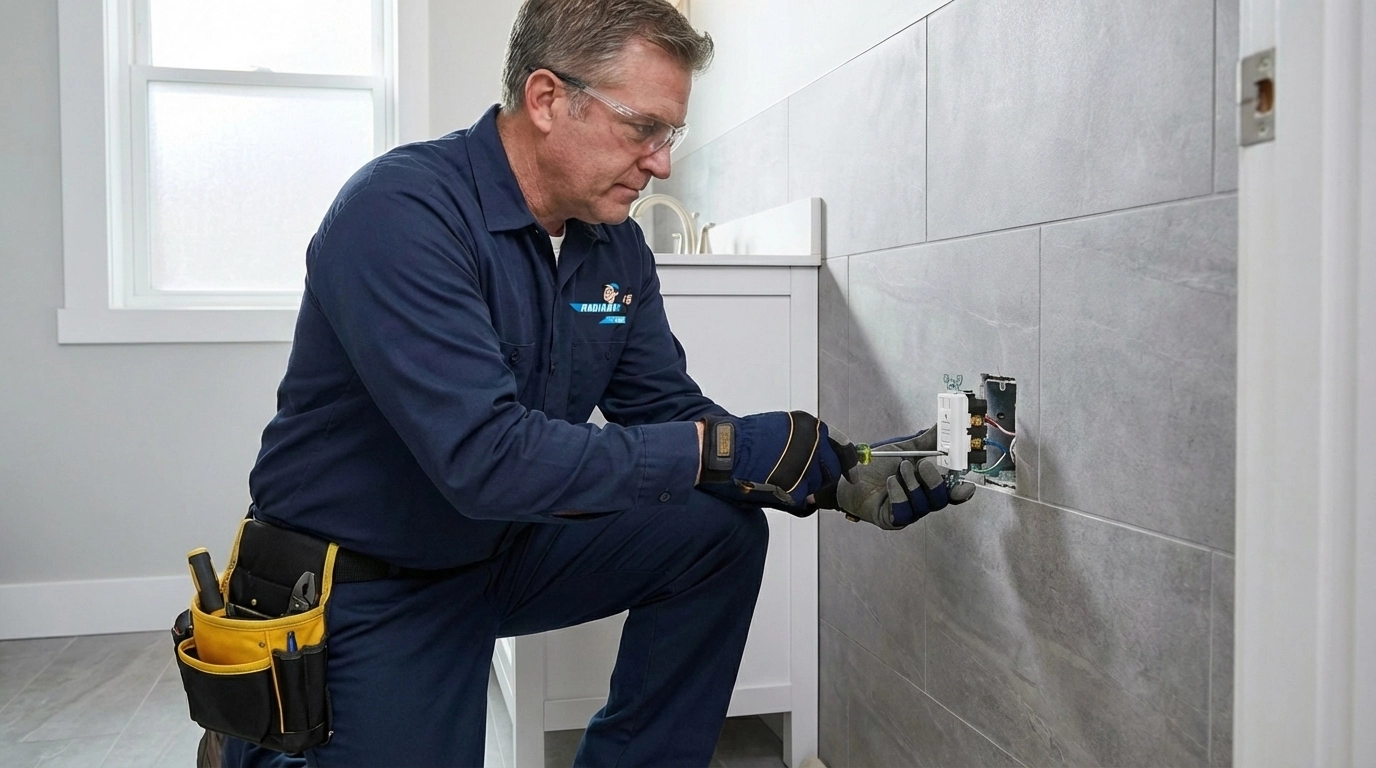
A knowledgeable electrician should be able to explain exactly which new requirements apply to your specific project and why.
The Bottom Line: Safety and Compliance Go Hand-in-Hand
These code changes represent the most comprehensive electrical safety upgrade for residential properties in years. While they might add complexity and cost to your next electrical project, they're designed to prevent the electrical fires, shocks, and equipment damage that cost homeowners thousands of dollars annually.
The key is planning ahead. If you're considering electrical work, factor these requirements into your budget and timeline from the start. The last thing you want is surprise code requirements derailing your renovation halfway through.
Remember: These codes apply to all new electrical work, but they don't require you to upgrade existing outlets that are working properly. However, if you're touching an electrical circuit for any reason, the entire circuit typically needs to be brought up to current code standards.
Need help navigating the 2025 electrical code changes for your Marietta home? Radiant Electric's licensed electricians stay current with all code requirements and can assess your project's specific needs. We serve Marietta, Gwinnett County, and throughout Metro Atlanta with upfront pricing and no surprises. Whether you need code compliance consultation, GFCI upgrades, dedicated circuit installation, or whole-house surge protection, we'll make sure your project meets all current safety standards. Contact Radiant Electric today for your free estimate and let us help you plan your next electrical project the right way.