EV Charger Installation Atlanta: 7 Mistakes You're Making (And How to Fix Them Before 2030)
You've made the smart move to go electric, but now you're staring at your garage wondering how to get that sleek new EV charged at home. Here's the thing: most Atlanta homeowners are making the same critical mistakes when installing EV chargers, and these errors aren't just inconvenient. They're expensive, dangerous, and sometimes downright deadly.
This isn't about scaring anyone. It's about helping you avoid the costly mistakes that leave homeowners with tripped breakers, fire hazards, or worse: a charger that doesn't work at all. Let's break down the seven biggest mistakes people make and exactly how to fix them before Georgia's EV infrastructure boom really takes off in the next few years.
Mistake #1: Overloading Your Electrical System (The Silent Circuit Killer)
Most people think they can just plug their EV charger into any outlet and call it a day. Here's what that really means: your home's electrical panel has a finite capacity, and adding a high-powered EV charger without proper planning is like trying to run a dishwasher, dryer, and space heater on the same circuit. Something's going to give.
When your EV charger draws more power than your electrical system can handle, you'll start tripping breakers constantly. In worst-case scenarios, you're looking at overheated wires and electrical fires.
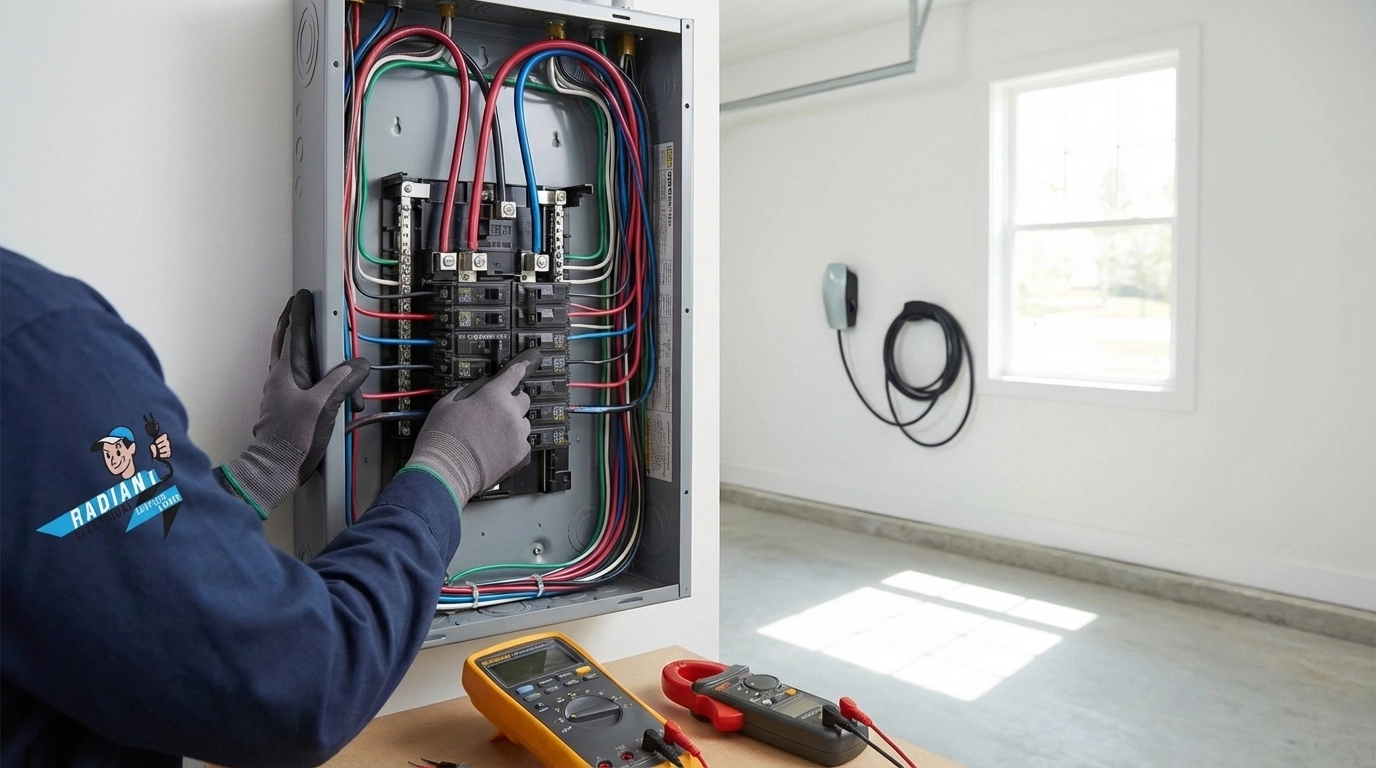
The Fix: Before any installation, have a licensed electrician evaluate your home's electrical panel capacity. You might need to upgrade your electrical service from 100 amps to 200 amps, or install a dedicated 240-volt circuit specifically for your EV charger. The good news? Georgia Power offers $250 rebates for charging station installations, so this upgrade might cost less than you think.
Your takeaway: Never assume your current electrical system can handle an EV charger without a professional assessment.
Mistake #2: Cutting Corners on Wiring and Grounding
Homeowners often believe that all electrical wire is basically the same. Wrong. Using the wrong wire gauge for your EV charger's amperage requirements is like trying to drink a milkshake through a coffee stirrer: it creates resistance, heat buildup, and eventually failure.
Improper grounding is even worse. Without correct grounding and GFCI protection, you're risking electrical shock every time you plug in your car.
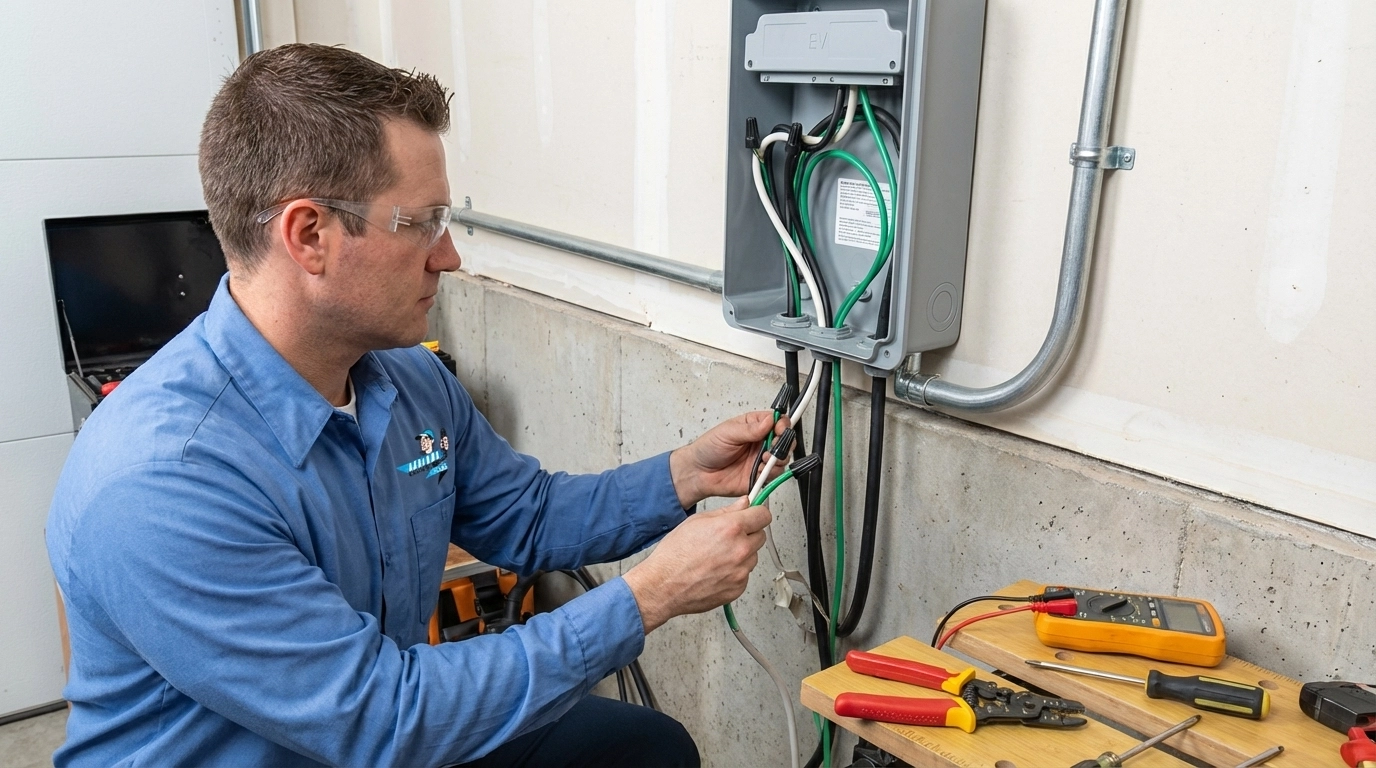
The Fix: Match your wire gauge exactly to your charger's amperage specifications. A 40-amp charger needs 8-gauge wire, period. Your installation must include proper grounding that meets National Electrical Code standards, plus ground fault circuit interrupter (GFCI) protection. This isn't optional: it's literally life-saving equipment.
Your takeaway: The right wiring isn't expensive, but fixing the wrong wiring definitely is.
Mistake #3: Skipping Permits and Local Code Compliance
"I don't need a permit for electrical work in my own home." This is probably the most expensive misconception Atlanta homeowners have. Georgia and Atlanta have specific electrical codes for EV charger installations, and ignoring them can result in fines, insurance headaches, or having to rip out and redo the entire installation.
The Fix: Research Atlanta's zoning laws, safety requirements, and local electrical equipment standards before starting your project. Pull the required permits and have a licensed electrician handle the installation to ensure code compliance. This coordination also makes working with your utility provider much smoother throughout the process.
Your takeaway: A $200 permit beats a $5,000 do-over every single time.
Mistake #4: Choosing the Wrong Charger Level (The Overnight Charging Myth)
Many homeowners think a Level 1 charger: the one that plugs into a regular 120-volt outlet: will fully charge their EV overnight. Here's the reality: Level 1 chargers add about 3-5 miles of range per hour. If you drive 40 miles daily, you'll need 8-13 hours just to break even.
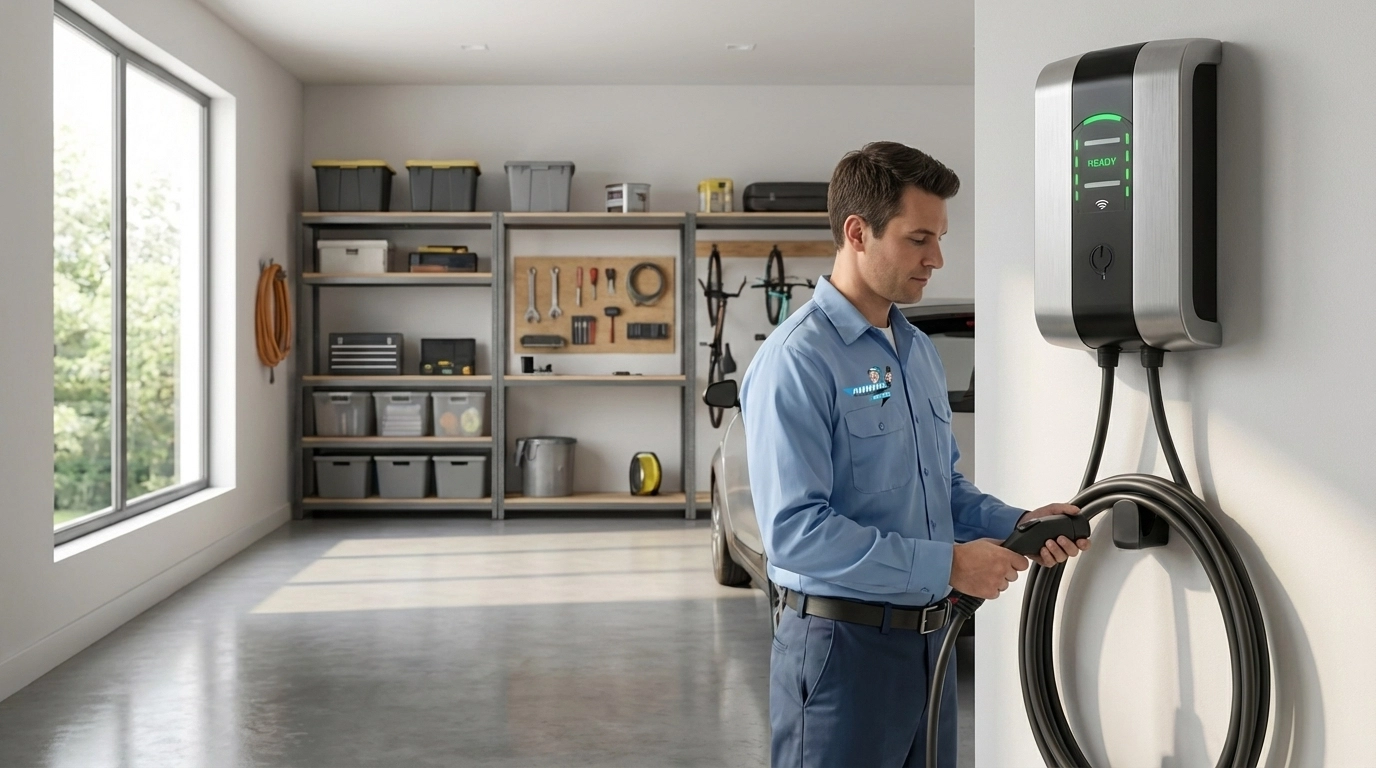
The Fix: For residential installations where you want reliable overnight charging, install a Level 2 charger instead. These 240-volt units add 20-60 miles of range per hour, meaning you'll wake up to a fully charged car every morning. If budget is tight right now, plan for a Level 2 upgrade as soon as finances allow.
Your takeaway: Level 1 chargers work for emergency charging, but Level 2 chargers work for real life.
Mistake #5: Poor Location Planning (The Extension Cord Trap)
Placing your charger too far from where you actually park forces you to use extension cords. Here's what that really means: extension cords with high-power devices like EV chargers create resistance, heat buildup, and fire hazards. Plus, outdoor installations exposed to Atlanta's unpredictable weather need hardwired connections, not plug-in setups.
The Fix: Plan your charger location to minimize cable length while keeping it convenient for daily use. If your charger will face rain exposure, have it hardwired directly to the circuit rather than using a wall outlet: this meets NEC requirements and prevents water damage. Consider locations like your garage, an exterior wall near your driveway, or a dedicated parking area with existing electrical infrastructure nearby.
Your takeaway: Convenience today beats expensive repairs tomorrow.
Mistake #6: Hiring Unqualified Installers or Going DIY
Most people think electrical work is just connecting wires together. The reality? Bad electrical connections can start fires, cause shocks, damage your EV's expensive battery system, and void your charger's warranty. DIY EV charger installation might save money upfront, but it often costs thousands more in repairs, insurance claims, and safety hazards.
The Fix: Hire a licensed electrician who's familiar with Atlanta's local codes and EV charger installations specifically. This investment ensures safety compliance, protects your homeowner's insurance coverage, and prevents costly repairs down the line. Professional installation costs more upfront but saves money long-term through proper setup and warranty protection.
Your takeaway: A licensed electrician's expertise pays for itself the first time something goes wrong.
Mistake #7: Miscalculating Your Home's Electrical Load
New EV owners often underestimate power requirements or forget about other high-power devices sharing the same circuit. For Level 1 chargers, you must verify what other outlets share the same breaker. Running your EV charger simultaneously with power tools, space heaters, or large appliances will trip breakers constantly.
Here's a real example: your garage outlet might share a circuit with your basement dehumidifier and outdoor holiday lights. Add an EV charger pulling 12 amps, and you're looking at constant electrical problems.
The Fix: Before installing any charger, map out which outlets connect to the same circuit breaker. For Level 2 installations, work with a licensed electrician to calculate your home's total electrical load requirements. They'll determine whether your current electrical infrastructure can support the charger or if you need service upgrades.
Your takeaway: Know your electrical limits before you hit them.
Don't Let These Mistakes Cost You Thousands
EV charger installation mistakes aren't just inconvenient: they're expensive and dangerous. The good news? Every single one of these problems is completely preventable with proper planning and professional installation.
Ready to get your EV charger installed the right way the first time? Radiant Electric's licensed electricians specialize in EV charger installations throughout Gwinnett County and Metro Atlanta. We handle permits, code compliance, electrical upgrades, and warranty-protected installations that keep you charging safely for years to come.
Whether you need a simple Level 2 installation, electrical panel upgrades, or troubleshooting for an existing charger that's giving you problems, our expert team has the experience to get it done right. Don't risk your family's safety or your investment with shortcuts: contact Radiant Electric today for your free consultation and estimate.
Call us now or visit radiantelectricatl.com to schedule your professional EV charger installation. Your electric future starts with the right electrical foundation.