10 Pro Electrical Tips to Keep Your Metro Atlanta Home Safe and Efficient
Here’s the thing about electrical safety in your home, it’s not about scaring you or making you paranoid about every outlet and light switch. It’s about knowing what to look for and making smart choices that keep your family safe and your energy bills manageable.
After years of working with homeowners across Gwinnett County, Marietta, and the surrounding areas, we’ve seen the same issues pop up again and again. The good news? Most electrical problems are totally preventable once you know what you’re dealing with.
10 Pro Electrical Tips to Keep Your Metro Atlanta Home Safe and Efficient
1. Stop Overloading Your Outlets (Seriously, This Matters)
Walk into any Metro Atlanta home and you’ll probably see at least one outlet with a power strip that’s plugged into another power strip, with five different devices drawing power all at once. This is the leading cause of residential electrical fires.
Here’s what that really means: Every outlet in your home is designed to handle a specific amount of electrical current. When you daisy-chain power strips or plug multiple high-wattage appliances into a single outlet, you’re forcing that outlet to carry more electricity than it was built to handle. The wires heat up, think of them like stovetop coils, and that heat can ignite surrounding materials.
The rule to remember: Only plug one heat-producing appliance into an outlet at a time. That means your space heater, hair dryer, electric kettle, or microwave gets its own dedicated outlet. No sharing.
If you’re constantly running out of outlets, that’s a signal your home needs additional circuits installed. A qualified electrician in Marietta or your area can add dedicated circuits to safely handle your power needs without the fire risk.
Touch your outlets periodically. They should always be cool or slightly warm, never hot. A hot outlet is screaming for attention.
2. Install and Actually Test Your GFCI Outlets
Most people think GFCI outlets are just a fancy electrical code requirement. They’re actually your first line of defense against electrocution in wet areas.
Ground Fault Circuit Interrupters (GFCIs) detect when electricity is flowing somewhere it shouldn’t, like through your body if you drop a hair dryer in water. They shut off the power in milliseconds, which is literally the difference between a scary moment and a tragedy.
Where you need them: Bathrooms, kitchens, garages, outdoor outlets, crawlspaces, and unfinished basements. According to the National Electrical Code, these locations require GFCI protection because they’re prone to water exposure.
Here’s what nobody tells you: GFCIs can fail, and when they do, you have zero protection. Test them monthly by pressing the “TEST” button on the outlet. You should hear a click and the “RESET” button should pop out. Press “RESET” to restore power. If nothing happens when you test, that GFCI has failed and needs immediate replacement.
3. Keep Water and Electricity Completely Separated
This seems obvious, but Georgia thunderstorms and our humid climate make water intrusion a constant concern for electrical systems. Any electrical cord or device should be at least three feet away from bathtubs, sinks, toilets, and spill-prone areas.
Your outdoor outlets need weatherproof covers, not just the decorative ones, but actual in-use weatherproof covers that protect the outlet even when something is plugged in. Every outdoor outlet must also be GFCI-protected to handle rain, sprinklers, and pressure washing.

If you’re dealing with crawlspace moisture issues (common in Metro Atlanta), make sure your electrical components down there are properly sealed and elevated. Water and electricity create shock hazards and fire risks simultaneously.
4. Know Your Electrical Panel Like You Know Your Kitchen
Right now, could you walk to your electrical panel and point it out? Do you know which breaker controls which rooms? If the answer is no, you’re not alone, but you need to fix this today.
In an emergency, you need to kill power to a specific area immediately. Maybe your teenager stuck a fork in an outlet (it happens), or there’s smoke coming from an appliance, or you’re smelling that distinct electrical burning odor. Every second counts.
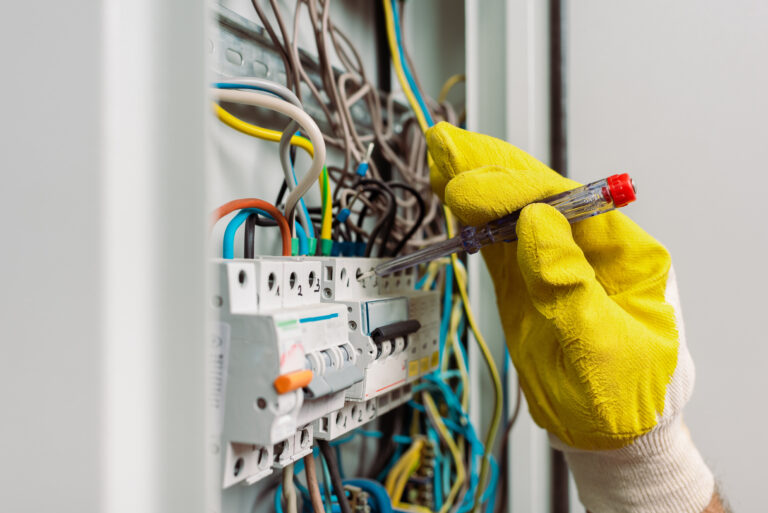
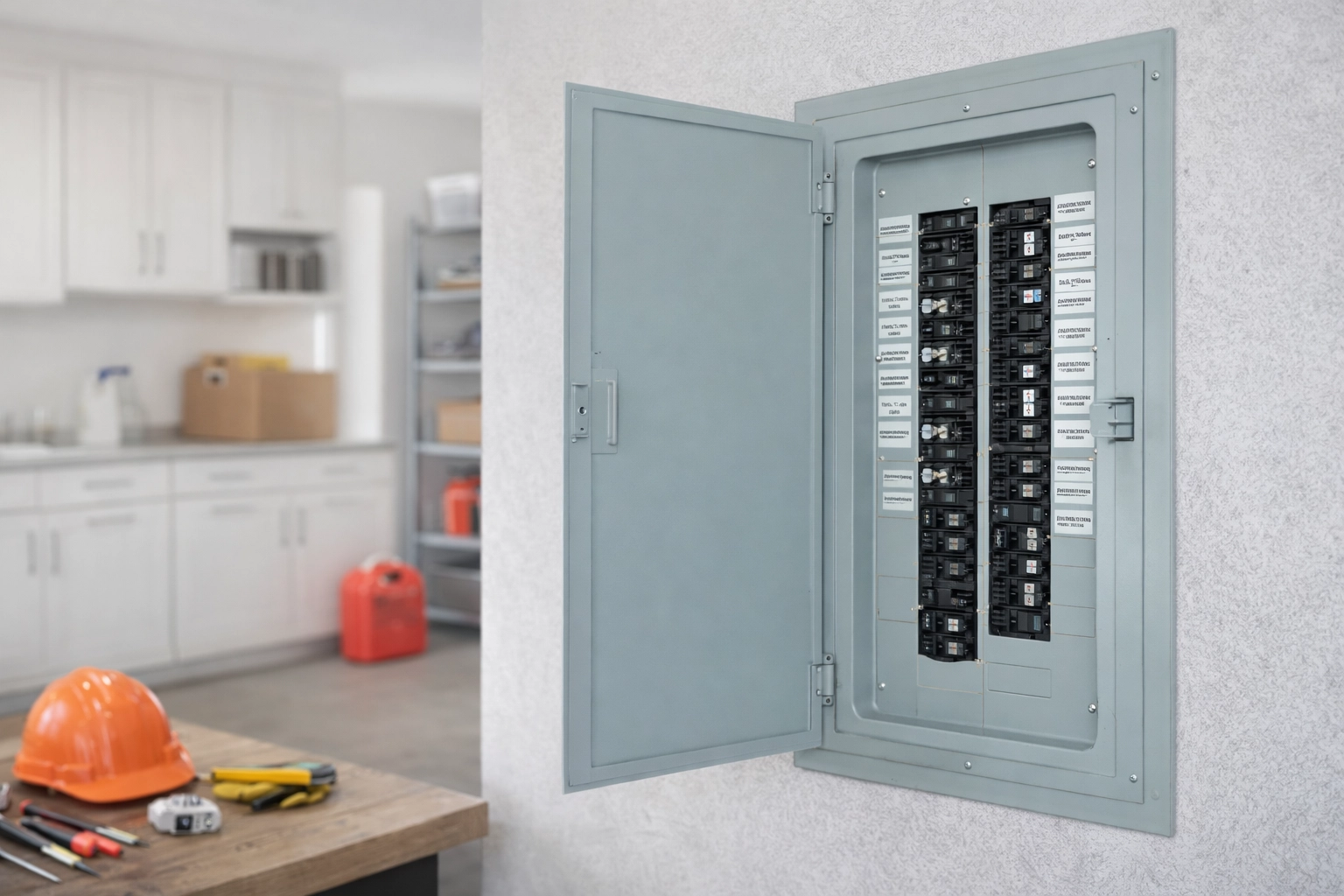
Here’s your action item: Spend 30 minutes mapping your circuits. Flip one breaker off at a time and check which outlets, lights, and appliances lose power. Label each breaker clearly in the panel. Use a label maker or just clear handwriting and good tape.
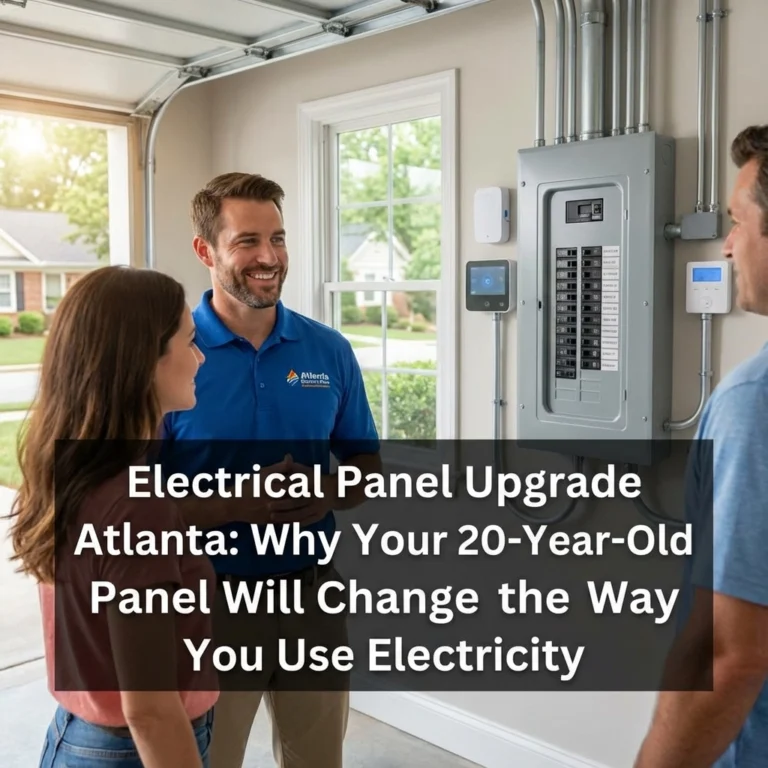
While you’re at it, check if your panel is outdated. Many older Metro Atlanta homes still have 100-amp panels that can’t handle modern electrical demands. If you’re experiencing frequent breaker trips, dimming lights, or buzzing sounds from the panel, you might need an electrical panel upgrade in Atlanta. Modern homes typically need 200-amp service to handle HVAC systems, electric vehicles, and all your other devices.
5. Inspect Cords and Outlets Regularly
Most homeowners never look at their electrical cords until something goes wrong. That’s a mistake because damaged cords give you plenty of warning before they cause fires.
What you’re looking for:
- Fraying or exposed wires at either end of the cord
- Cracks in the cord insulation
- Discoloration (browning or blackening) near plugs
- Burn marks on outlets
- Loose outlets that don’t grip plugs tightly
Never run cords under rugs or through doorways where they get pinched. The insulation breaks down over time, and eventually bare wires make contact with each other or with flammable materials. Plus, cords under rugs can’t cool properly, remember, they generate heat when carrying current.
Check behind furniture periodically too. We’ve responded to home electrical repair calls in Atlanta where cords had been pinched behind heavy furniture for years, slowly degrading until they finally sparked.
6. Handle Cords the Right Way (Your Parents Were Right)
Those cord-handling rules your parents taught you? They matter more than you realized.
Always unplug by gripping the plug head, never yank the cord. When you pull on the cord itself, you’re stressing the internal wire connections at the plug. Over time, those connections loosen, creating resistance. Resistance generates heat. Heat causes fires.
Never modify a three-prong plug by removing the ground prong to make it fit a two-prong outlet. That ground prong literally protects you from electrocution by providing a safe path for stray electricity. If you need to use a three-prong device with a two-prong outlet, use a proper grounding adapter and make sure the outlet’s electrical box is actually grounded (this requires a professional to verify).
And please, never use nails or staples to secure cords along walls or baseboards. You’re puncturing the insulation and creating shock and fire hazards. Use cable clips or adhesive cable management strips instead.

7. Install Whole-Home Surge Protection
Georgia storms are spectacular: and brutal on your electronics and appliances. Every lightning strike within miles of your home sends voltage spikes through the power lines. Even distant strikes can cause surges that damage sensitive electronics.
Most people think a power strip with surge protection is enough. It’s not. Those basic power strips can handle small surges, but they’re worthless against the major voltage spikes from lightning or power grid switching.
A whole-home surge protector installs at your electrical panel and protects everything in your home simultaneously. According to the Electrical Safety Foundation International, these devices can clamp down on surges of 40,000+ volts, protecting your HVAC system, appliances, entertainment systems, and smart home devices.
Think of it as insurance for your electrical system. One direct lightning strike could fry $10,000+ worth of equipment without whole-home protection. The protection device costs a fraction of that.
8. Give Appliances Room to Breathe
Electronics generate heat: sometimes lots of it. Televisions, gaming consoles, cable boxes, computers, and even phone chargers all produce heat during normal operation. That heat needs somewhere to go, or the components overheat and fail (or worse, ignite nearby combustibles).
The rule: Leave at least three inches of clearance on all sides of heat-generating devices. Never stack electronics directly on top of each other. Don’t stuff them in enclosed cabinets without ventilation. And definitely don’t drape clothes, blankets, or toys over warm appliances.
We see this constantly with entertainment centers: people buy these beautiful closed cabinets to hide all their electronics, then wonder why their cable box keeps overheating and shutting down. Electronics need airflow like you need oxygen.
9. Replace Hot or Damaged Outlets Immediately
Touch the outlets in your home right now. Go ahead, we’ll wait.
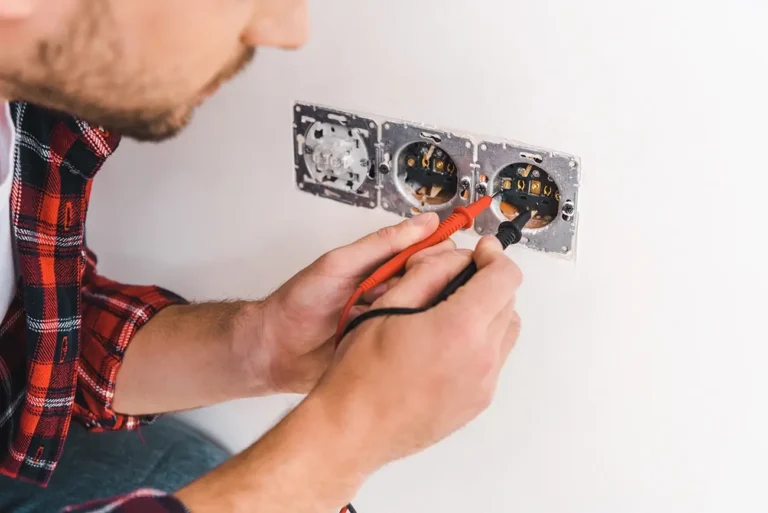
If any of them feel hot: not warm, but actually hot: unplug everything from that outlet immediately and don’t use it until a professional evaluates it. A hot outlet means something is wrong with the wiring: loose connections, deteriorated wires, or damaged internal components.

Loose outlets are another red flag. If plugs fall out easily or the outlet moves when you plug something in, the internal connections are wearing out. Over time, those loose connections create arcing: tiny electrical sparks that generate intense localized heat.
Don’t attempt electrical repairs yourself unless you’re a licensed electrician. The risks aren’t worth it, and Georgia building codes require permits and inspections for most electrical work anyway. When you need repairs, work with licensed professionals who know Metro Atlanta’s specific electrical requirements.
10. Childproof Outlets and Maintain Your Smoke Detectors
If you have young children or grandchildren visiting your Metro Atlanta home, outlet safety caps are non-negotiable. Kids are naturally curious, and those outlet holes are exactly the right size for small fingers or metal objects.
Tamper-resistant outlets (required in all new construction since 2008) have internal shutters that only open when both prongs of a plug are inserted simultaneously. If you have an older home, either install tamper-resistant outlets or use quality outlet caps on every accessible outlet.
About smoke detectors: Install one in every bedroom, outside each sleeping area, and on every level of your home, including the basement. The National Fire Protection Association reports that smoke alarms cut the risk of dying in a home fire in half.
Test them monthly: just press the test button and listen for the loud alarm. Replace batteries annually (do it when daylight saving time changes, easy to remember). Replace the entire smoke detector every ten years regardless of whether it seems to be working.
The Bottom Line for Metro Atlanta Homeowners
Electrical safety isn’t complicated, but it does require attention. You don’t need to become an expert: you just need to recognize warning signs and know when to call professionals.
If you’re experiencing frequent breaker trips, flickering lights, buzzing sounds, burning smells, or any of the other issues we’ve discussed, don’t wait. These are signals that something needs attention now, not next month. Need help with generator installation for storm preparedness? We’ve got you covered there too.
Your electrical system is the backbone of your home. Treat it with respect, pay attention to warning signs, and invest in preventive maintenance. Your family’s safety and your home’s efficiency depend on it.
Stay safe out there, Metro Atlanta. ⚡