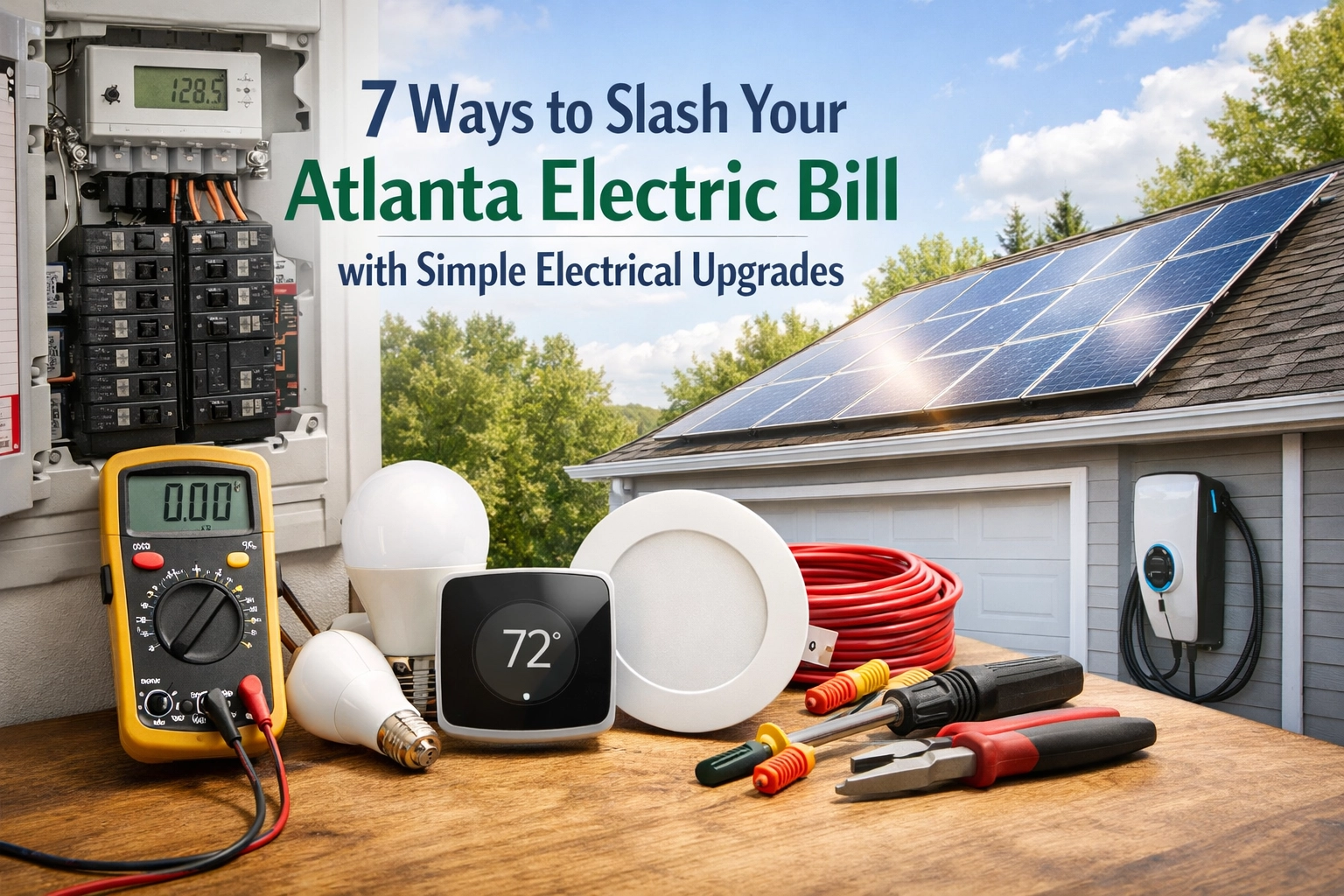
7 Ways to Slash Your Atlanta Electric Bill with Simple Electrical Upgrades
If you've opened your Georgia Power bill lately and felt that familiar sting, you're not alone. Atlanta summers are brutal, and keeping your home comfortable can cost a small fortune. But here's the thing, most homeowners are literally throwing money away because their electrical systems are stuck in the past.
This isn't about scaring anyone into expensive renovations. These are straightforward electrical upgrades that actually pay for themselves through lower monthly bills. We're talking about changes that make sense for Metro Atlanta's climate and energy costs.
1. Switch to LED Lighting Throughout Your Home
Your old incandescent bulbs are energy vampires. They convert about 90% of their energy into heat rather than light, which means you're essentially paying to heat your home while simultaneously running your AC to cool it down. That's backwards.
LED bulbs use 75% less electricity and last 25 times longer than traditional bulbs. Here's what that really means: A 60-watt incandescent bulb replaced with a 10-watt LED gives you the same light while using a fraction of the power.

The math on this is straightforward. If you have 20 light fixtures in your home running 5 hours daily, switching to LEDs saves roughly $225 per year. The bulbs pay for themselves in about 3-4 months, then it's pure savings for the next decade.
Most people think LEDs are expensive upfront, but prices have dropped significantly. You can retrofit your entire home for a few hundred dollars, and that's money you'll recover before summer hits its peak.
For homes with recessed lighting, track lighting, or outdoor fixtures that run frequently, the savings multiply. An experienced electrician in Marietta can help you identify which fixtures will give you the biggest return and handle any wiring updates needed for dimmer compatibility.
2. Upgrade Your Electrical Panel for Modern Efficiency
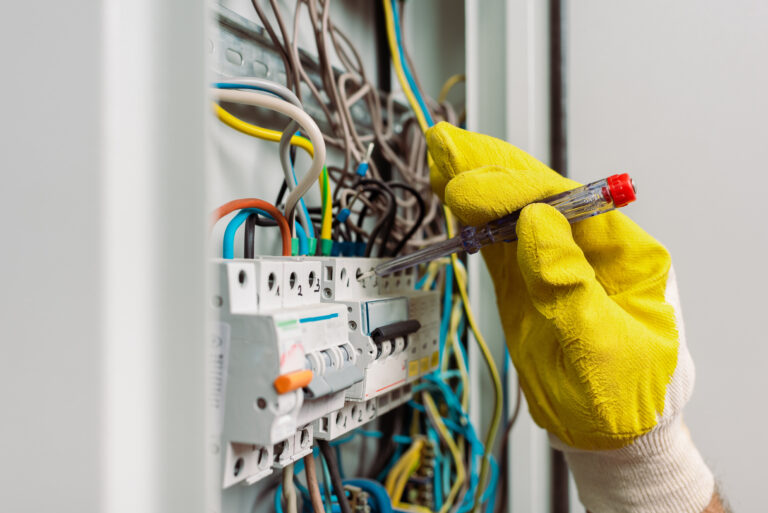
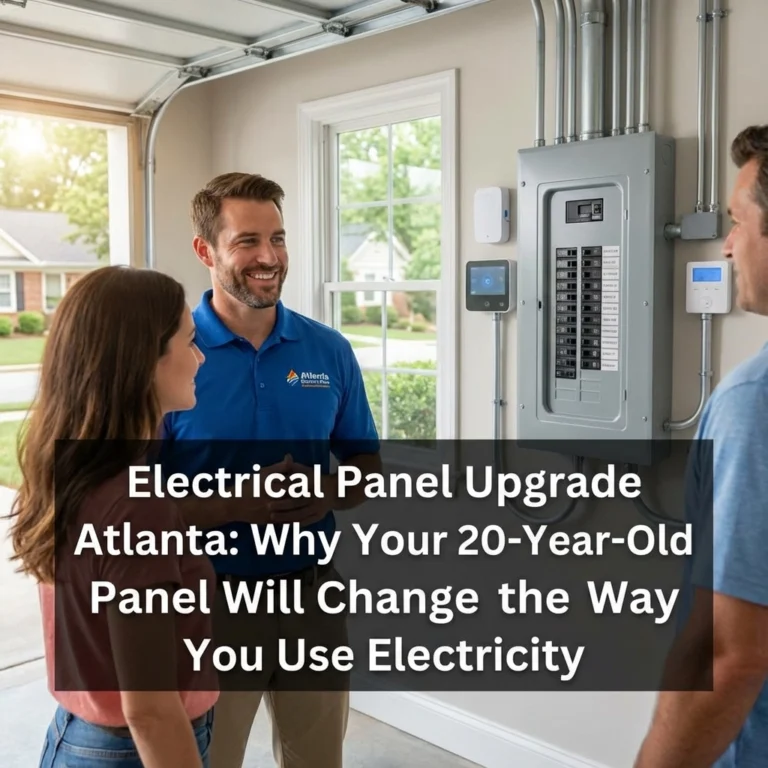
Your electrical panel is the heart of your home's power distribution. Older panels, especially those 30+ years old, weren't designed for today's electrical loads. They're inefficient, prone to overloading, and can actually waste energy through poor connections and outdated breaker technology.
An electrical panel upgrade in Atlanta does more than just add capacity. Modern panels provide:
- Better load balancing that prevents circuits from working harder than necessary
- AFCI and GFCI protection that reduces phantom power drain
- Support for whole-home surge protection that extends appliance lifespan
- Compatibility with solar panels and home battery systems
Think of it like this: An old panel is like trying to run a modern computer on a 20-year-old power supply. Sure, it might work, but it's inefficient and limits what you can do.
If you're planning any major electrical work, adding an EV charger, installing smart home systems, or upgrading appliances, tackle the panel first. It's the foundation for everything else. You can explore professional electrical panel services to see what modern systems can handle.
3. Install a Smart or Programmable Thermostat
Your HVAC system accounts for roughly 50-60% of your Atlanta electric bill. That's not a typo, half or more of what you pay Georgia Power goes toward heating and cooling.
A smart thermostat learns your schedule and adjusts automatically. When you're at work, it lets the temperature drift a few degrees. Before you get home, it pre-cools the house during off-peak hours when electricity rates are lower.

Here's the critical part most homeowners miss: These devices work best when properly connected to your home's electrical system. A loose C-wire connection or incompatible wiring can cause the thermostat to draw power incorrectly or lose its programming.
The average Atlanta household saves 10-15% on cooling costs with a properly installed smart thermostat. During June, July, and August, when bills can hit $300-400, that's $30-60 monthly savings from a device that costs about $200.
Look for models that integrate with your utility's demand response programs. Georgia Power offers rebates for specific smart thermostat models, which further reduces your upfront cost.
4. Add Smart Switches and Motion Sensors
Lights left on in empty rooms are silent budget killers. Basement lights, garage fixtures, closet bulbs, they add up faster than you'd think.
Motion sensor switches automatically turn lights off when rooms are unoccupied. Smart switches let you control and schedule lighting from your phone, which means you can turn off forgotten lights from anywhere.
The beauty of these upgrades is targeted savings. You don't need to outfit every room. Focus on:
- Bathrooms where exhaust fans run unnecessarily
- Outdoor lighting that stays on all day
- Garage and basement areas with frequent in-and-out traffic
- Kids' rooms where lights somehow stay on 24/7
A quality motion sensor switch costs $20-40 per location. If you have five problem areas wasting an average of 3 hours of unnecessary lighting daily, you're looking at roughly $75 annually in wasted electricity. The sensors pay for themselves in less than two years.
Installation is straightforward for someone comfortable with basic electrical work, but if you're dealing with three-way switches or need to add neutral wires, calling a professional for home electrical repair in Atlanta ensures everything works correctly from day one.
5. Replace Energy-Hogging Appliances with Energy Star Models
Your refrigerator runs 24/7. Your washer, dryer, and dishwasher cycle multiple times weekly. If these appliances are more than 10 years old, they're using significantly more electricity than necessary.

Energy Star appliances meet strict efficiency guidelines set by the EPA. A modern Energy Star refrigerator uses about 40% less energy than models from 2001. That's a difference of roughly $80-100 annually per appliance.
Here's what that really means for Atlanta homeowners: Replacing a 15-year-old refrigerator, washing machine, and dishwasher could save $200-300 yearly. Yes, the appliances cost more upfront, but financing options and utility rebates make the transition affordable.
Check the yellow EnergyGuide labels when shopping. They show estimated annual operating costs based on average use. Compare that to what you're currently paying, and the decision becomes clear.
Most people don't realize that older appliances also strain your electrical system. Outdated motors draw more power during startup, which can trip breakers and create inefficiencies throughout your panel. Upgrading appliances and your electrical system together maximizes savings.
6. Optimize Your Home's Electrical Outlets and Circuits
Phantom power drain: electricity consumed by devices that are "off" but still plugged in: costs the average household $100-200 annually. Entertainment centers, computer setups, kitchen appliances with digital displays, and chargers all draw power continuously.
Smart power strips with auto-shutoff features cut power to devices in standby mode. Advanced models can detect when primary devices (like TVs or computers) turn off and automatically cut power to peripherals.
The bigger opportunity is circuit optimization. Many Atlanta homes have circuits loaded inefficiently, causing some to work harder than others. This creates resistance, generates heat, and wastes energy.
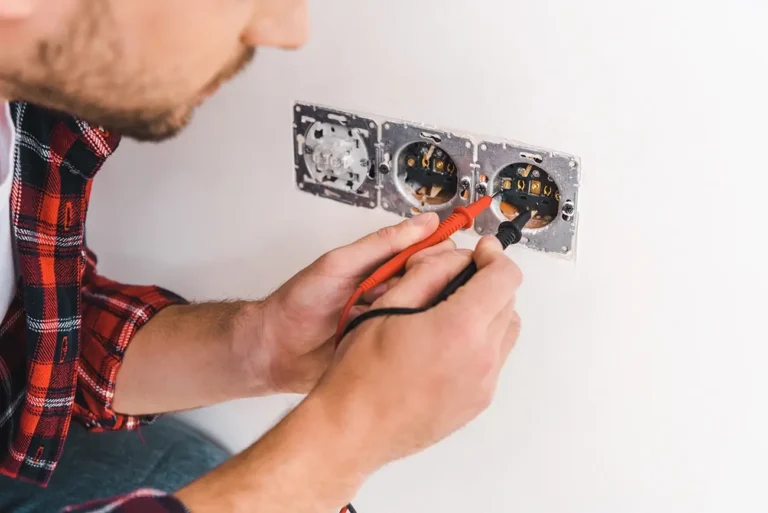
During an electrical inspection, a qualified electrician can:
- Rebalance circuits for even load distribution
- Identify outdated outlets with poor connections
- Replace old receptacles that create resistance
- Install dedicated circuits for major appliances
Think of it like rotating tires on a car: proper distribution extends life and improves efficiency. The same principle applies to your electrical system.
7. Install Ceiling Fans with Proper Electrical Support
Ceiling fans let you raise your thermostat setting by 4-6 degrees without sacrificing comfort. That seemingly small adjustment can reduce cooling costs by 20-30% during Atlanta's long, hot summers.
But here's the catch: Fans need proper electrical support. An undersized junction box, incorrect wiring, or inadequate circuit capacity creates safety hazards and reduces efficiency.
Modern smart ceiling fans integrate with home automation systems and automatically adjust speed based on room temperature. Some include lighting that replaces outdated fixtures, giving you dual benefits from a single upgrade.
Installation matters more than most homeowners realize. A fan that wobbles or hums is probably wired incorrectly or hung from inadequate support. This causes the motor to work harder, draws extra electricity, and shortens the fan's lifespan.
If you're adding fans to rooms that never had them, you'll need new electrical boxes rated for fan support and potentially new circuits depending on your current capacity. Professional installation ensures everything meets code and operates at peak efficiency.
Making These Upgrades Work Together
The real power comes from combining these upgrades strategically. A new electrical panel supports smart thermostats, Energy Star appliances, and additional circuits for ceiling fans. LED lighting reduces heat generation, which means your AC works less hard. Motion sensors and smart switches work together to eliminate waste.
Start with the changes that address your biggest pain points. If your summer bills spike dramatically, prioritize cooling-related upgrades like thermostats and fans. If you notice lights left on constantly, focus on smart switches and LEDs first.
For Metro Atlanta homeowners, timing matters. Making electrical upgrades in spring: before cooling season hits: ensures you capture maximum savings during the most expensive months. Fall upgrades pay off during holiday season when homes use more electricity for lighting and entertaining.
These aren't just feel-good efficiency measures. They're concrete improvements that reduce your monthly bills while making your home more comfortable and increasing its resale value. Every dollar you save on electricity is a dollar you didn't have to earn, and in Atlanta's competitive housing market, energy-efficient electrical systems are selling points that buyers actively seek.
Whether you're in Marietta, Duluth, Norcross, or anywhere in Metro Atlanta, these upgrades make financial sense. The question isn't whether to make them( it's which ones to tackle first.)