
Remodeling or Updating Your Home? Electrical Code Requirements Every Atlanta Homeowner Needs to Know
Planning a kitchen renovation? Adding a bathroom? Maybe converting that garage into a home office? Here's the thing most homeowners don't realize until they're knee-deep in permits: electrical codes have changed significantly in 2025, and what was acceptable just two years ago might not fly today.
This isn't about scaring anyone: it's about making sure your project goes smoothly and keeps your family safe. Atlanta follows the National Electrical Code (NEC) with specific Georgia amendments, and understanding these requirements upfront can save you thousands in rework and delays.
The Big Changes You Need to Know About
GFCI Protection Just Got Simpler (Sort Of)
Ground-Fault Circuit-Interrupter protection: those outlets with the test and reset buttons: have seen major updates. As of January 2025, GFCI protection is now required for virtually all 125-volt through 250-volt receptacles in specific areas of your home.
Here's what that really means: if water and electricity could potentially meet, you need GFCI protection. Period.
But here's where it gets interesting. In August 2025, the code actually simplified some requirements. Your electric range, wall-mounted oven, cooktop, clothes dryer, and microwave no longer need GFCI-protected receptacles. However: and this is important: if you're installing new regular outlets near these appliances in the kitchen, those outlets still need GFCI protection.

Where GFCI Protection is Absolutely Required
Most people think GFCI protection is just for bathrooms and outdoor outlets. That's outdated thinking. Here's the complete list for your 2025 remodel:
Bathrooms: Every single receptacle, regardless of where it's located in the bathroom space. Even if there's a door separating areas, it doesn't matter.
Kitchens: This is where it gets comprehensive. All receptacles need GFCI protection, including those for your refrigerator, garbage disposal, and any outlet within 6 feet of a sink edge.
Garages and Accessory Buildings: No exceptions here. Every receptacle in these spaces needs GFCI protection.
Outdoor Areas: All outdoor outlets and anything in boathouses or near pools.
Laundry Areas, Basements, and Crawl Spaces: Required everywhere except for dedicated fire alarm and security system receptacles.
Wet and Damp Indoor Locations: Think mudrooms, enclosed porches, or anywhere moisture is regularly present.
Kitchen Renovations: The New Rules
Kitchen electrical requirements have become more specific, but also more practical. If you're doing any kitchen work, you'll need at least two separate 20-amp, 120-volt circuits just for small appliances. This includes your kitchen, dining room, breakfast nook, and pantry.
Here's a common misconception: homeowners often think they can share these circuits with other areas of the house. You can't. These circuits are dedicated to kitchen small appliance use only.
The good news? If you're adding outlets to a kitchen island or peninsula, you now have more flexibility. The August 2025 amendments allow outlets to be installed on the side of countertops, not just the expensive pop-up varieties that were previously required.

Bathroom and Laundry Area Requirements
Bathrooms Need Dedicated Power
Every bathroom needs at least one dedicated 20-amp, 120-volt circuit that serves only bathroom receptacles. You cannot share this circuit with outlets in other rooms, lighting, or ventilation fans.
Laundry Areas Get Their Own Circuit Too
Your laundry area must have at least one 20-amp, 120-volt circuit dedicated exclusively to laundry receptacles. Again, this circuit cannot serve any other outlets in your home.
This might seem like overkill, but here's why it matters: these appliances draw significant power, and sharing circuits leads to tripped breakers and potential fire hazards.
AFCI Protection: What Changed
Arc-Fault Circuit-Interrupter protection, which detects dangerous electrical arcing, has been scaled back in some areas. As of August 2025, AFCI protection is no longer required in kitchens and laundry areas.
What does this mean for your renovation budget? Potentially significant savings, since AFCI breakers cost more than standard breakers. However, your electrician will still need to evaluate whether AFCI protection is required for other circuits in your remodel.

The Permit Process: What You Must Know
Before you start any electrical work, you need permits from the local authority. This isn't optional, and here's something critical: all projects submitted for permit after May 27, 2025, must comply with the newest codes, including the 2024 International Residential Code with Georgia amendments.
Most homeowners believe they can do minor electrical work without permits. That's a costly mistake. Even seemingly simple tasks like adding an outlet or switching circuits often require permits in Atlanta.
Why You Need a Licensed Electrician
Atlanta's electrical codes are uniform throughout the city, but they're complex. Licensed electricians understand not just the basic requirements, but the specific interpretations and amendments that apply locally.
Here's what many homeowners don't realize: electrical violations discovered during inspection can shut down your entire renovation project. It's not just about fixing the electrical issue: you might need to remove completed work in other areas to access the electrical problems.
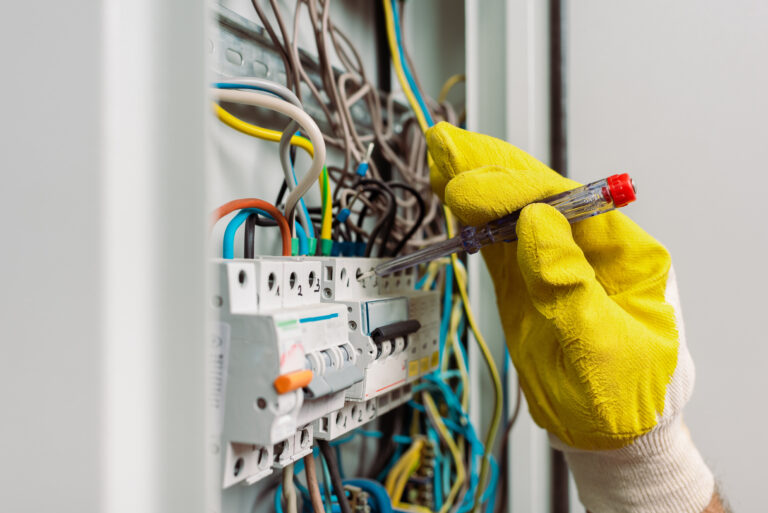
A licensed electrician also understands proper grounding requirements, wire sizing specifications, and outlet placement standards that prevent overloads and fire hazards. These aren't areas where "close enough" works.

Surge Protection Considerations
If you're upgrading your electrical service or working on multi-unit properties like townhomes, surge protection has become increasingly important. However, recent amendments have exempted one- and two-family dwellings from mandates for whole-house surge protection devices.
This doesn't mean surge protection isn't valuable: it just means it's not required by code for single-family homes. Given Atlanta's frequent thunderstorms, many electricians still recommend whole-home surge protection during major renovations.
Common Code Violations to Avoid
Sharing Dedicated Circuits: Don't connect your bathroom outlet circuit to bedroom outlets or kitchen circuits to dining room lighting. Each required dedicated circuit must serve only its intended purpose.
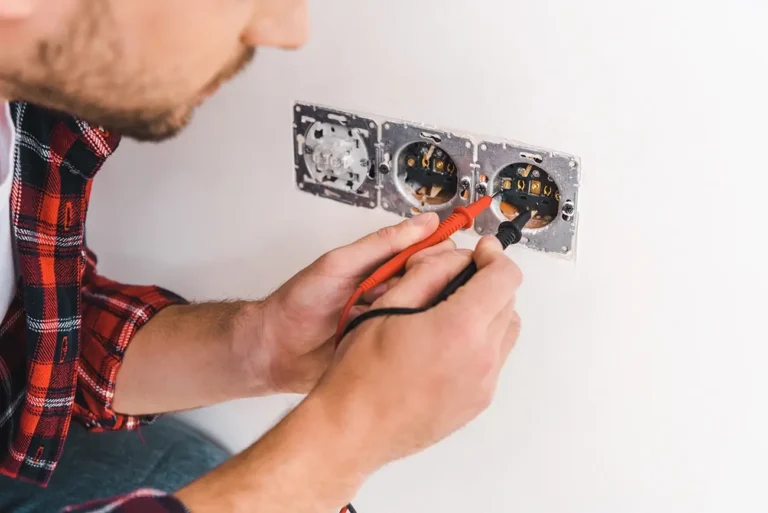
Incorrect GFCI Installation: GFCI outlets must be properly wired and tested. Simply installing a GFCI outlet doesn't guarantee proper protection if the wiring is incorrect.
Inadequate Wire Sizing: Using 14-gauge wire on 20-amp circuits or improper wire types for specific applications will fail inspection every time.
Missing Permits: Thinking you can hide electrical work behind walls without proper permits and inspection is a recipe for problems when you sell your home.
Planning Your Remodel Right
Start by consulting with a licensed electrician before finalizing your renovation plans. Electrical requirements might influence your layout decisions, and it's much easier to adjust plans early than to rework completed installations.
Verify current code requirements with your local permitting authority at the project's start. While Atlanta follows uniform electrical codes throughout the city, having official confirmation protects your project timeline.
Budget for proper electrical work upfront. Trying to save money with shortcuts or unlicensed work almost always costs more in the long run when code violations are discovered.

The electrical codes exist to protect your family and property. Understanding these requirements before you start your renovation ensures your project moves smoothly and results in a safer, more valuable home.
Working with experienced professionals like Radiant Electric means your renovation will meet all current codes while maximizing your home's safety and functionality. Don't let electrical code surprises derail your dream renovation: get the expert guidance you need from day one.
Ready to start your remodel the right way? Contact Radiant Electric today for a consultation that ensures your project meets all current Atlanta electrical codes while staying on schedule and on budget.