
Electrical Safety Checklist for New Homeowners in Gwinnett County (move-in inspection items)
You've got the keys. The moving truck is scheduled. You're about to become a Gwinnett County homeowner: congratulations!
But before you start unpacking boxes and hanging photos, there's one critical task that often gets overlooked in the excitement: checking your new home's electrical system.
This isn't about scaring anyone. It's about making sure your family stays safe and your investment stays protected from day one. Think of this checklist as your move-in companion: a straightforward guide to inspecting the electrical essentials before you settle in.
Why a Move-In Electrical Inspection Matters
Here's the thing most new homeowners don't realize: even if your home passed a general inspection, electrical issues can still slip through. Inspectors have limited time. They're looking at roofs, foundations, HVAC systems, and plumbing all in one visit.
A dedicated electrical walkthrough lets you catch problems before they become emergencies. We're talking about things like overloaded circuits, outdated wiring, or safety devices that aren't working properly.
In Gwinnett County specifically, we see a mix of newer construction and homes built in the 1980s and 1990s. Each era has its own electrical quirks. Knowing what to look for can save you thousands in repairs: and potentially prevent dangerous situations.
Start at the Electrical Panel
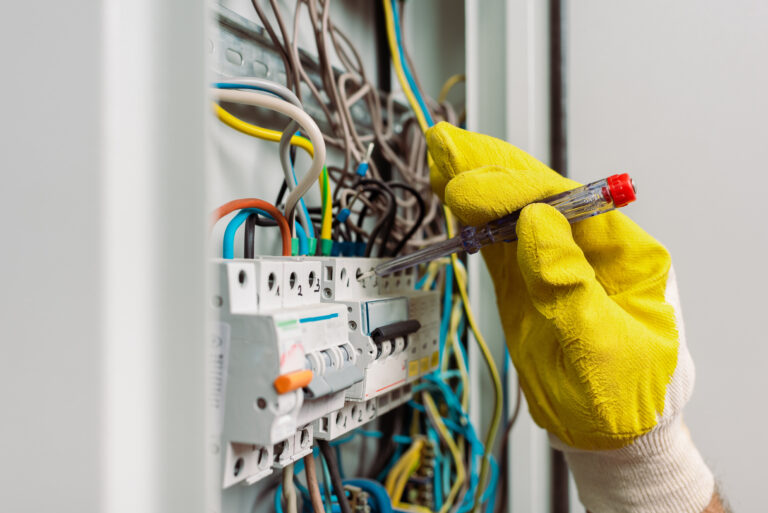
Your electrical panel is command central for your entire home. It's usually located in the garage, basement, or a utility closet.
Here's what to check:
- Open the panel door and look for any visible rust, corrosion, or burn marks
- Listen for buzzing sounds: this can indicate overloaded circuits or failing components
- Feel for heat around the panel (it should be room temperature, not warm)
- Check the brand: panels labeled Federal Pacific or Zinsco have known safety issues and often fail to trip when they should

Every breaker should be clearly labeled. If yours aren't, grab a marker and start mapping them out. Turn off each breaker one at a time and note which rooms or outlets it controls. This takes about 30 minutes and will save you major headaches during future repairs or emergencies.
The takeaway: Your panel should look clean, organized, and clearly labeled with no signs of heat damage or corrosion.
Test Every GFCI Outlet
GFCI stands for Ground Fault Circuit Interrupter. Here's what that really means: these outlets detect when electricity is flowing where it shouldn't (like through water or your body) and shut off power instantly.
You'll find GFCI outlets in:
- Kitchens (within 6 feet of sinks)
- Bathrooms
- Laundry rooms
- Garages
- Outdoor areas
- Basements
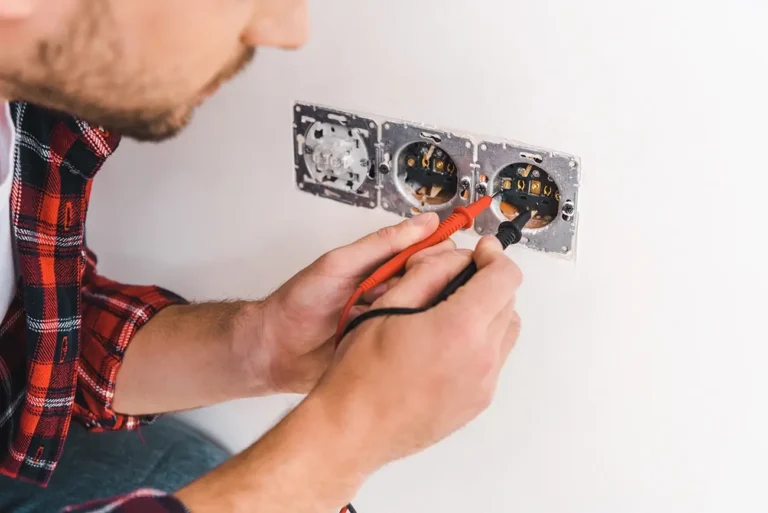
Each GFCI outlet has two buttons: TEST and RESET. Press TEST: you should hear a click and the outlet should lose power. Press RESET to restore it.
If a GFCI doesn't trip when you press TEST, it's not protecting you. Add it to your repair list immediately.
Most Gwinnett County homes built after 1990 should have GFCIs in all the right places. Older homes? Not always. And that's a problem you'll want to address before anyone's plugging in a hair dryer near the bathroom sink.
Check Smoke and Carbon Monoxide Detectors
This one seems obvious, but you'd be surprised how often it's skipped.
Walk through every room and:
- Press the test button on each detector
- Check the manufacturing date (usually on the back): smoke detectors expire after 10 years, CO detectors after 5-7 years
- Replace batteries even if they seem fine
Gwinnett County follows Georgia's requirements for smoke detectors on every level of your home and inside each sleeping area. Carbon monoxide detectors are required if you have gas appliances or an attached garage.
Pro tip: Make a calendar reminder to test these monthly. It takes two minutes and could save lives.

Room-by-Room Outlet Inspection
Now it's time to walk through every room with fresh eyes.
Kitchen
Your kitchen has the highest electrical demands in your home. Look for:
- At least two dedicated circuits for countertop outlets (these prevent overloads when you're running the coffee maker and toaster simultaneously)
- GFCI protection on all outlets near the sink
- Dedicated circuits for your refrigerator, dishwasher, and microwave
If outlets near the sink aren't GFCI-protected, that's a code violation and a genuine safety hazard.
Bathrooms
Every bathroom outlet should be GFCI-protected. Period. Water and electricity don't mix, and bathrooms are where that risk is highest.
Check that:
- All outlets have GFCI protection
- Light fixtures appear moisture-resistant
- Exhaust fans work properly (these prevent moisture buildup that can damage wiring over time)
Bedrooms and Living Areas
These rooms are typically straightforward, but still worth checking:
- Outlets should be spaced no more than 12 feet apart along walls
- Light switches at each entry point should control at least one light or outlet
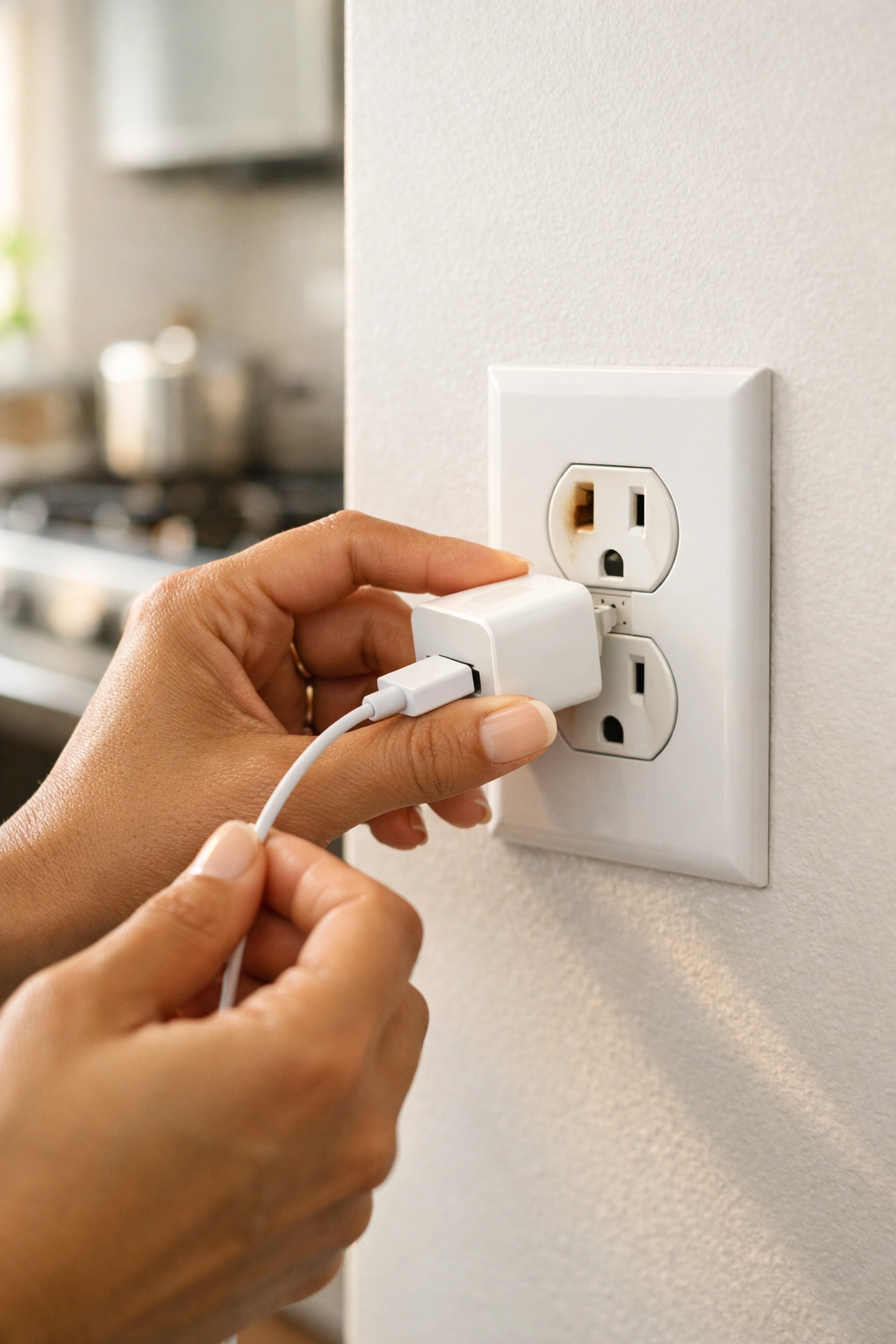
- No outlets should feel warm to the touch or show discoloration
Garage and Outdoor Areas
Garages and outdoor spaces need extra protection because of moisture and temperature changes.
Verify that:
- All garage outlets have GFCI protection
- Outdoor outlets have weatherproof covers (the kind that close completely when a cord is plugged in)
- Exterior lighting fixtures show no signs of frayed wires or water damage
Warning Signs That Need Immediate Attention
Some electrical issues can wait. Others can't.
Call a licensed electrician right away if you notice:
- Breakers that trip repeatedly (this signals an overloaded circuit or a more serious wiring problem)
- Outlets or switches that are warm to the touch
- Burning smells near outlets, switches, or the panel
- Flickering lights throughout multiple rooms
- Sparks when you plug something in
- Two-prong outlets in a home that should have three-prong (indicates missing ground wires)
These aren't just inconveniences. They're your home's electrical system sending distress signals. Ignoring them can lead to fires, shock hazards, or expensive damage.
The Older Home Factor
If your new Gwinnett County home was built before 1980, pay extra attention.
Older homes may have:
- Aluminum wiring (common in 1960s-1970s construction): this requires special outlets and connections
- Knob-and-tube wiring (rare in metro Atlanta, but occasionally found): this is outdated and often uninsurable
- Undersized panels that can't handle modern electrical demands
- Ungrounded outlets that lack the safety features required today
None of these are automatic deal-breakers, but they do require professional assessment and potentially significant upgrades.
When to Call a Professional
Your move-in checklist can catch the obvious issues. But some things require trained eyes and specialized equipment.
Consider scheduling a professional electrical inspection if:
- Your home is more than 25 years old
- The seller couldn't provide documentation of recent electrical work
- You're planning major appliance additions (like an EV charger or hot tub)
- You noticed any warning signs during your walkthrough
- The home has been vacant for an extended period
A licensed electrician can verify that your home meets current Gwinnett County building standards and the National Electrical Code. They'll also catch hidden issues like overloaded circuits, improper wiring connections, or code violations that a visual inspection won't reveal.
At Radiant Electric, we perform comprehensive electrical inspections for new Gwinnett County homeowners every week. We know exactly what to look for in homes across Lawrenceville, Duluth, Suwanee, and the surrounding areas.
Your Move-In Electrical Checklist at a Glance
Before you unpack that first box:
- Inspect and label your electrical panel
- Test all GFCI outlets
- Check smoke and CO detector batteries and expiration dates
- Walk through each room testing outlets and switches
- Look for warning signs (heat, discoloration, buzzing, burning smells)
- Note any two-prong outlets or missing safety features
- Schedule a professional inspection if needed
Taking 30-45 minutes to complete this checklist gives you peace of mind and a clear picture of your new home's electrical health.
Start Your Gwinnett County Homeownership on the Right Foot
Moving into a new home should be exciting: not stressful. By checking these electrical essentials before you settle in, you're protecting your family, your belongings, and your investment.
Have questions about what you found during your inspection? The team at Radiant Electric is here to help Gwinnett County homeowners navigate everything from simple repairs to full panel upgrades. Give us a call: we'd love to help you start this new chapter safely.