
Boost Your Home's Safety Instantly with These 5 Electrical Repair Tips for Atlanta Homeowners
You walk into your bathroom, flip on the light, and notice that little button on your outlet has popped out again. You press it back in without a second thought. Or maybe you've noticed that one outlet in your kitchen feels slightly warm when you unplug your coffee maker. These small moments happen every day in Atlanta homes, and most of the time, homeowners brush them off as nothing.
Here's the thing: your home's electrical system is constantly communicating with you. Those warm outlets, tripped buttons, and flickering lights aren't random quirks. They're signals. And understanding what they mean could be the difference between a minor fix and a major problem.
This isn't about scaring anyone. It's about giving you the knowledge to protect your home and family with simple checks you can do right now. When it comes to home electrical repair Atlanta residents often wait until something goes wrong. But a few minutes of attention today can save you hours of headaches, and potentially thousands of dollars, down the road.
Tip #1: Test Your GFCI Outlets Every Single Month
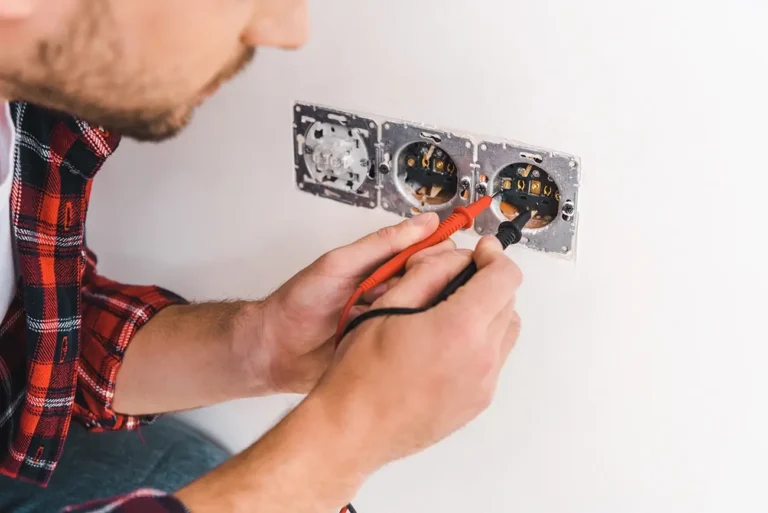
You've seen them before, those outlets with the two little buttons labeled "TEST" and "RESET." They're usually in your bathroom, kitchen, garage, or anywhere near water. These are Ground Fault Circuit Interrupters, or GFCIs, and they exist for one critical reason: to protect you from electrical shock.
Here's what that really means: A GFCI monitors the flow of electricity through a circuit. If it detects even the slightest imbalance, say, electricity taking an unintended path through water or through you, it cuts the power in a fraction of a second. We're talking about 1/40th of a second. That speed saves lives.
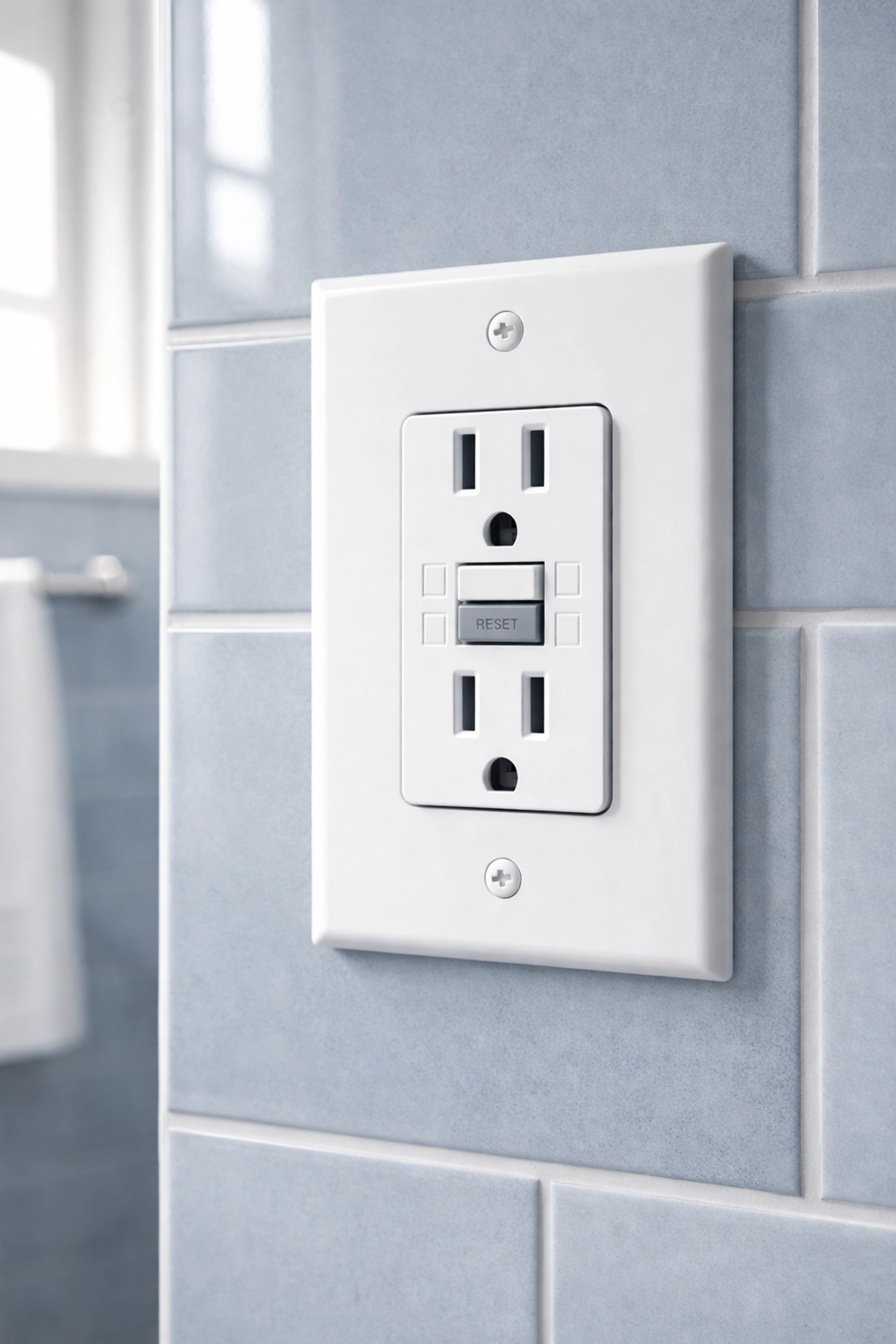
How to test your GFCIs:
- Press the "TEST" button firmly
- You should hear a click, and the "RESET" button should pop out
- The outlet should now have no power (test by plugging in a lamp or phone charger)
- Press "RESET" to restore power
If pressing "TEST" doesn't trip the outlet, or if the outlet still has power after testing, that GFCI is not protecting you. It needs replacement immediately.
Most people think these outlets last forever. They don't. GFCIs have a typical lifespan of 10-15 years, and Atlanta's humidity can accelerate wear. Make testing a monthly habit, pick the first of every month and spend two minutes walking through your home.
The takeaway: A working GFCI is your first line of defense against electrical shock. Test monthly, replace when necessary.
Tip #2: Inspect Every Cord in Your Home (Yes, Every One)
Take a look behind your entertainment center right now. Pull out your phone charger from under the couch cushion. Check the cord running to your bedroom lamp. What do you see?
Frayed wires, cracked insulation, exposed copper: these aren't cosmetic issues. They're fire hazards hiding in plain sight. Damaged cords create resistance in the electrical flow, and resistance generates heat. Think of it like a garden hose with a kink: pressure builds up at the problem spot.
Warning signs to look for:
- Visible wire strands poking through the outer coating
- Cracks, splits, or discoloration in the cord's insulation
- Burn marks or melted plastic near the plug
- Cords that feel unusually warm during use
- Plugs that are bent, loose, or have blackened prongs
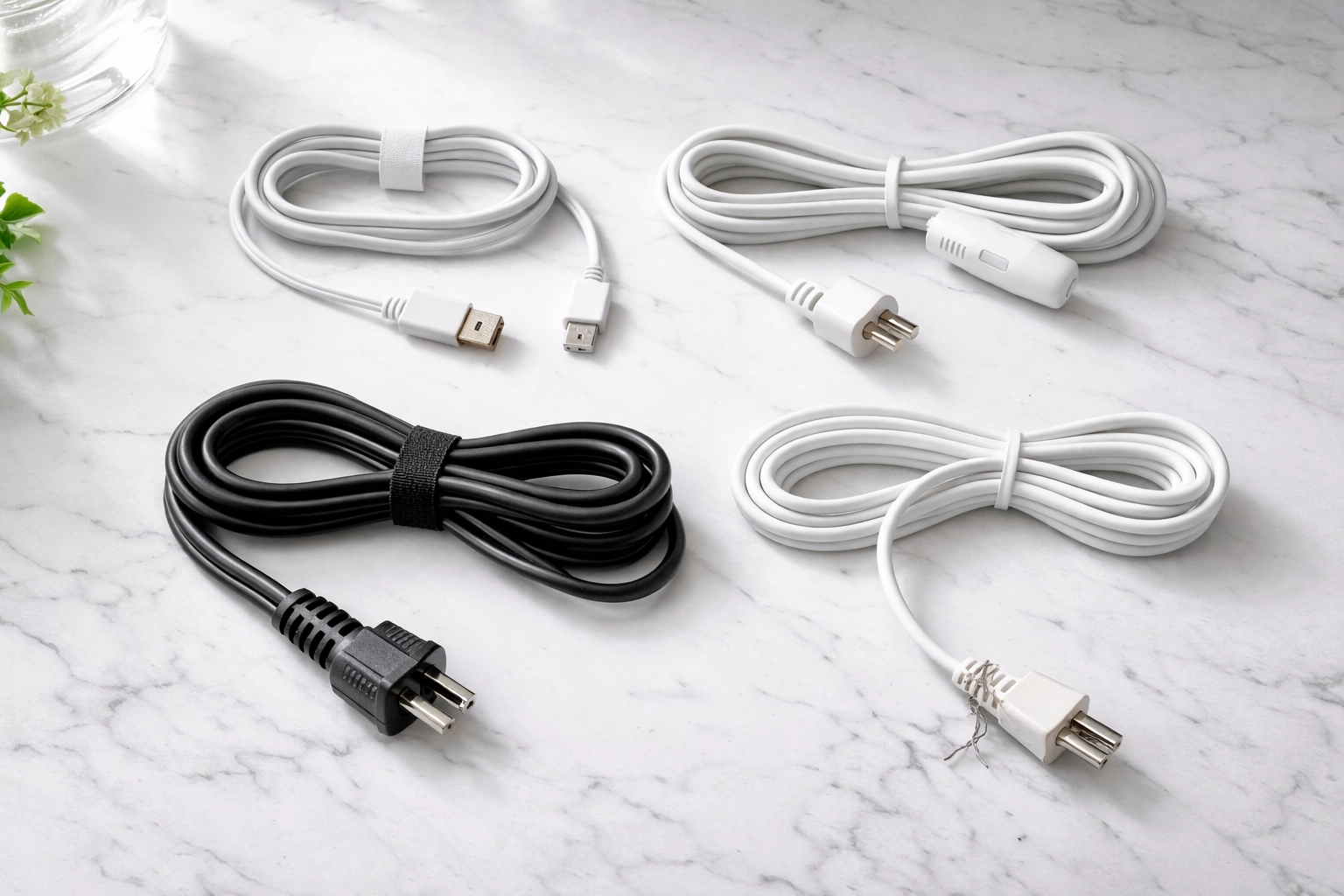
Here's a common misconception: wrapping damaged cords with electrical tape fixes the problem. It doesn't. Tape is a temporary bandage at best, and at worst, it gives you false confidence while the hazard remains. Damaged cords need to be replaced entirely.
Behavioral guidance for cord safety:
- Do unplug cords by grasping the plug itself, not the cord
- Do keep cords away from heat sources and high-traffic areas
- Don't run cords under rugs or carpets (this traps heat)
- Don't staple, nail, or pinch cords to walls or baseboards
- Don't clip off the third prong to fit a two-prong outlet
That third prong isn't optional decoration. It's a grounding connection that redirects stray electricity safely into the earth instead of into you.
The takeaway: A five-minute cord inspection throughout your home can identify hazards before they become emergencies.
Tip #3: Know Your Electrical Panel (And What It's Telling You)
Your electrical panel is the heart of your home's electrical system. It distributes power to every room, every outlet, every light fixture. Yet most Atlanta homeowners couldn't find theirs without a treasure map.
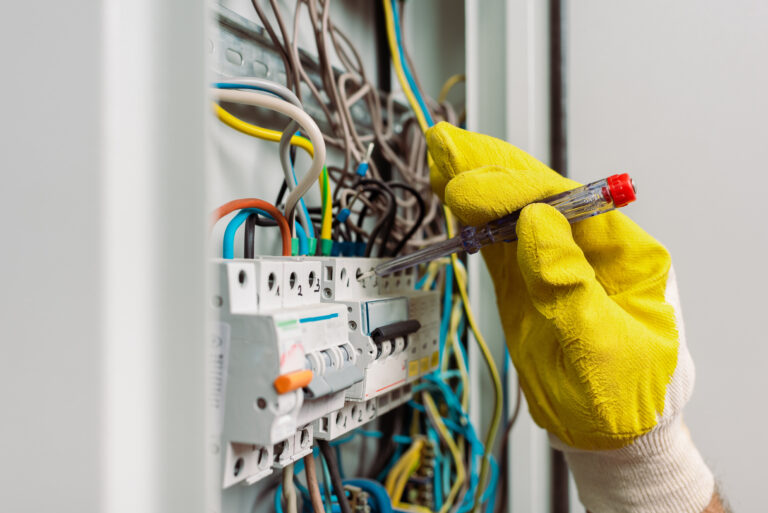
Start by locating your panel. It's typically in a garage, basement, utility room, or on an exterior wall. Open the door and take a look. You'll see rows of switches called circuit breakers. Each one controls a specific section of your home's electrical system.
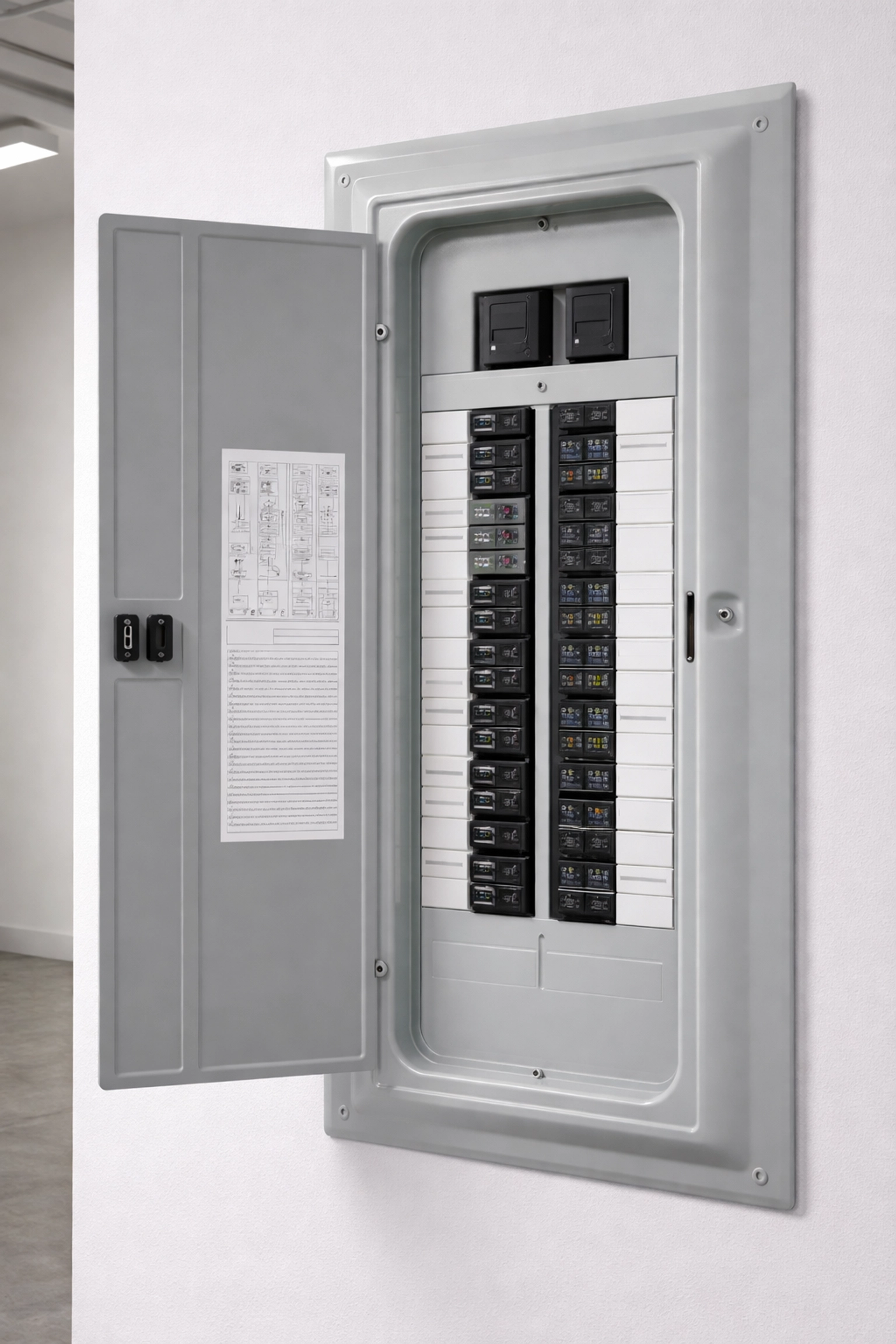
Signs your panel needs professional attention:
- Breakers that trip repeatedly (more than once a month)
- A burning smell near the panel
- Visible rust, corrosion, or scorch marks
- Buzzing, crackling, or humming sounds
- Breakers that won't stay in the "ON" position
Most people think a tripped breaker is just an annoyance: reset it and move on. But a breaker trips for a reason. It's telling you that circuit experienced more electrical load than it can safely handle. One trip? Probably not a big deal. Repeated trips on the same circuit? That's a signal worth investigating.
If your home was built before 1980, pay extra attention. Older Atlanta homes sometimes have outdated wiring systems: like aluminum wiring or knob-and-tube wiring: that don't meet modern safety standards. These systems aren't automatically dangerous, but they do require regular professional evaluation.
The takeaway: Your panel speaks a language of clicks, trips, and warning signs. Learning that language helps you catch problems early.
Tip #4: Stop Overloading Your Outlets
Here's a scenario you might recognize: a power strip plugged into an outlet, with every socket filled: TV, gaming console, sound bar, streaming device, lamp, and phone charger. Seems normal, right?
It's actually one of the most common electrical hazards in American homes.
Every outlet has a capacity limit. Most standard residential outlets are rated for 15 amps. Exceed that capacity, and you're generating excess heat. That heat builds up inside your walls, in places you can't see or feel until it's too late.
High-draw appliances that should NEVER share outlets:
- Space heaters
- Hair dryers
- Portable air conditioners
- Toasters and toaster ovens
- Microwaves
- Irons
These appliances should be plugged directly into wall outlets: never into extension cords or power strips. And they should have that outlet to themselves while in use.
Safe practices for managing electrical load:
- Unplug appliances when not in use (this also saves energy)
- Spread high-draw devices across multiple circuits
- Use power strips with built-in surge protection for electronics
- Never daisy-chain power strips (plugging one into another)
If you find yourself constantly needing more outlets, that's not a problem to solve with more power strips. It's a signal that your home may benefit from additional circuits: a straightforward upgrade that a qualified electrician can assess.
The takeaway: Respect your outlets' limits. When in doubt, spread your electrical load across multiple circuits.
Tip #5: Know When to Call a Professional
Some electrical tasks are genuinely DIY-friendly: replacing a light bulb, testing a GFCI, or inspecting cords. But home electrical repair Atlanta homeowners sometimes attempt goes well beyond safe territory.
Call a licensed electrician immediately if you notice:
- Outlets or switches that are warm or hot to the touch
- Persistent burning odors with no identifiable source
- Sparks when plugging in or unplugging devices
- Lights that flicker throughout multiple rooms
- Any signs of electrical damage after storms
Electrical work isn't like painting a room or fixing a leaky faucet. Mistakes can cause fires, injuries, or fatal shocks. Georgia law requires electrical work to be performed by licensed professionals for good reason.
If your Atlanta home is due for an inspection: or if any of the warning signs in this post sound familiar: Radiant Electric's team can provide a thorough evaluation and honest recommendations.
The takeaway: Professional electricians exist because electrical systems demand expertise. When signals point to serious issues, calling for help isn't an expense: it's an investment in safety.
Your Home Is Talking. Are You Listening?
Electrical safety doesn't require becoming an expert. It requires attention. Test your GFCIs monthly. Inspect your cords seasonally. Know where your panel is and what normal looks like. Respect your outlets' limits. And recognize when a professional's expertise is the smartest choice.
These five practices take minimal time but deliver maximum peace of mind. Your home's electrical system works hard every single day. A little awareness goes a long way toward keeping it: and everyone inside: safe.
For Atlanta homeowners ready for a professional safety evaluation, contact Radiant Electric to schedule an inspection with our licensed team.