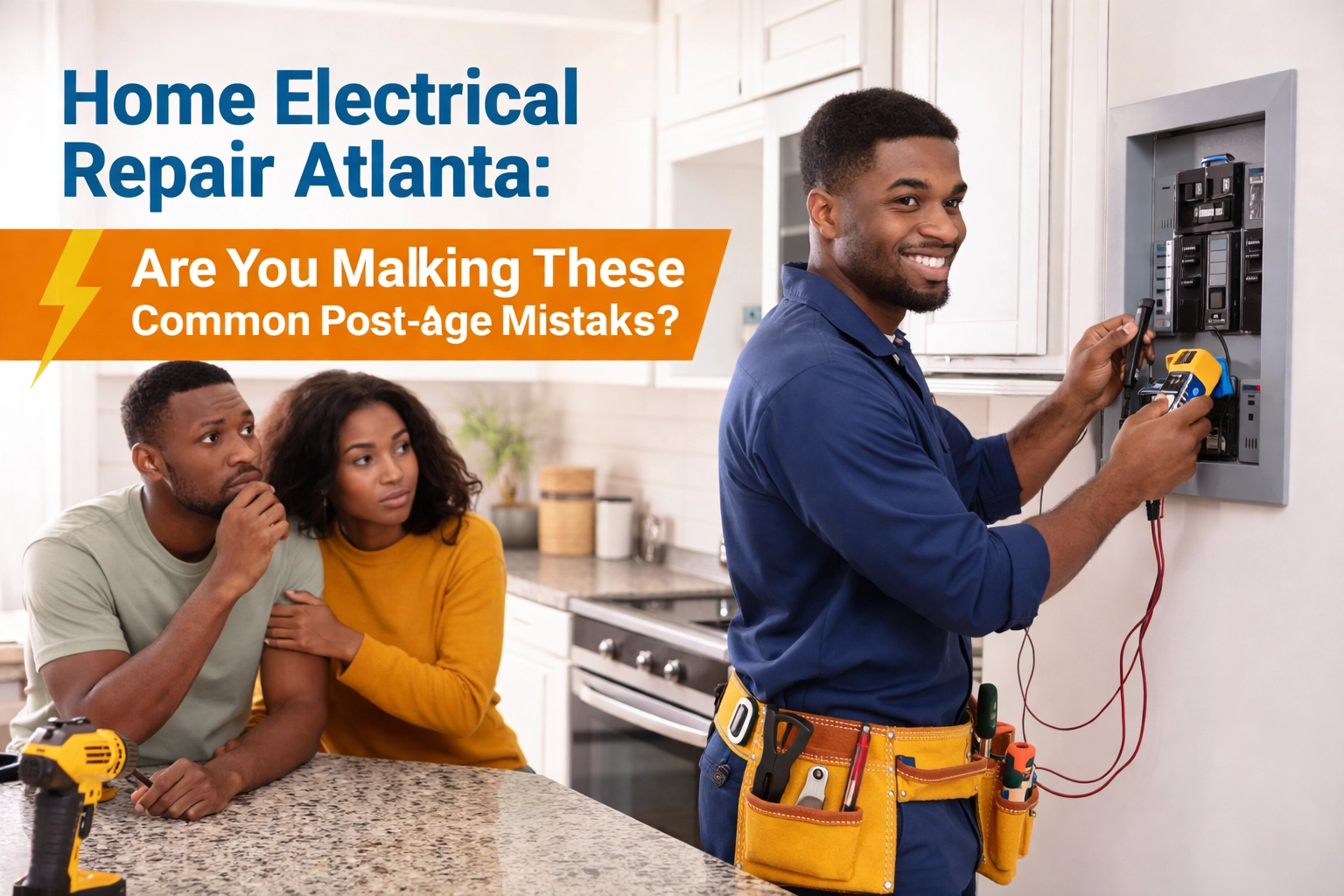
Home Electrical Repair Atlanta: Are You Making These Common Post-Outage Mistakes?
The power finally comes back on after a storm. You hear the refrigerator hum to life, the AC kicks in, and you breathe a sigh of relief. Everything's back to normal, right?
Not so fast.
What happens in the hours and days after a power outage can actually cause more damage to your home's electrical system than the outage itself. And this isn't about scaring anyone, it's about making sure you know what to look for so you can protect your home, your appliances, and your family.
Whether you're in Lawrenceville dealing with summer storm damage or in Sandy Springs after a winter ice event, understanding these common post-outage mistakes could save you thousands in home electrical repair Atlanta costs down the road.
Mistake #1: Leaving Everything Plugged In During the Outage
Here's a scenario that plays out in homes across metro Atlanta every storm season:
Marcus and Denise live in a split-level in Lawrenceville. When the power goes out, they grab flashlights and wait it out. The TV stays plugged in. The computer stays plugged in. The microwave, the gaming console, the phone chargers, everything stays exactly where it was.
Then the power surges back on.
Here's what that really means: When electricity is restored, it often comes back with a spike, a sudden burst of power that can be significantly higher than normal voltage. That surge travels through every cord connected to an outlet and can degrade the internal circuitry of your electronics, damage sensitive appliances, and even stress your home's electrical panel.
What you should do instead:
- Unplug major electronics and appliances when you know an outage is coming
- If the outage catches you off guard, unplug what you can while waiting for power to return
- Keep only essential items (like your refrigerator) plugged in, and consider a surge protector for those
The bottom line: unplugging before power returns is one of the simplest ways to protect your home.

Mistake #2: Ignoring Your Electrical Panel After Power Returns
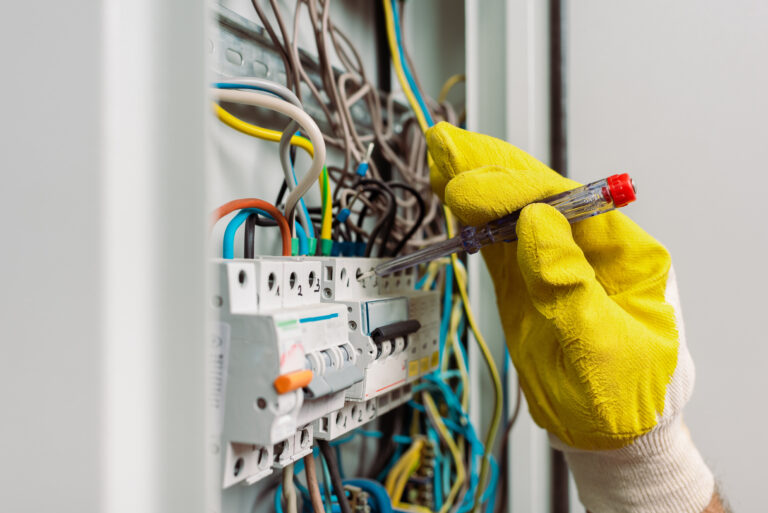
Your circuit breaker panel is the command center of your home's electrical system. And after an outage, it needs attention.
Tanya, a homeowner in Sandy Springs, called us last spring because half her kitchen outlets weren't working three days after a major storm. She assumed the power company hadn't fully restored service to her street. Turns out, two of her breakers had tripped during the outage and just needed to be reset.
How to check your panel:
- Open your electrical panel (usually in your garage, basement, or utility room)
- Look for any breakers that aren't fully in the "ON" position, tripped breakers often sit in the middle or slightly toward "OFF"
- To reset, push the breaker firmly to "OFF" first, then flip it back to "ON"
Most homeowners think if the power's back, everything should work automatically. That's not always the case. A quick panel check takes two minutes and can save you a service call.
Important: If a breaker trips again immediately after you reset it, stop. That's a signal something deeper is going on, and you need a professional to take a look.
Mistake #3: Forgetting About Your GFCI Outlets
You know those outlets in your kitchen and bathroom with the little "TEST" and "RESET" buttons? Those are Ground Fault Circuit Interrupter outlets, GFCIs for short. They're designed to shut off power instantly if they detect a ground fault (basically, electricity going somewhere it shouldn't).
Here's the thing: GFCIs often trip during power outages and surges. And unlike regular outlets, they don't reset themselves.

Where to find them:
- Kitchens (near the sink)
- Bathrooms
- Garages
- Outdoor outlets
- Laundry rooms
How to reset them:
Simply press the "RESET" button firmly. You should hear a click. If the button won't stay in, or if it trips again immediately, that outlet needs professional attention.
We've had homeowners in both Lawrenceville and Sandy Springs call us thinking they needed full home electrical repair Atlanta work, when the solution was literally pressing a button. Check your GFCIs first, it's a quick win.
Mistake #4: Attempting DIY Repairs with the Wrong Materials
After a power outage causes visible damage, maybe a burnt outlet or a sparking switch, it's tempting to head to the hardware store and fix it yourself.
We get it. You want your home back to normal.
But DIY electrical repairs with incompatible materials are one of the most dangerous mistakes we see. Using the wrong wire gauge, non-certified components, or improvised fixes creates serious fire hazards.
Real example: A homeowner tried to repair a damaged outlet using wire he had left over from a speaker installation project. Speaker wire is not rated for household electrical current. That shortcut could have caused a house fire.
The rule is simple: If a repair involves anything beyond resetting a breaker or pressing the GFCI button, call a licensed electrician. Your safety is worth more than the cost of a service call.

Mistake #5: Assuming the Outlet Is the Problem
Picture this: the power's back on, but your living room lamp won't turn on. You jiggle the plug, try different positions, maybe even consider replacing the outlet.
Before you go that far, try this:
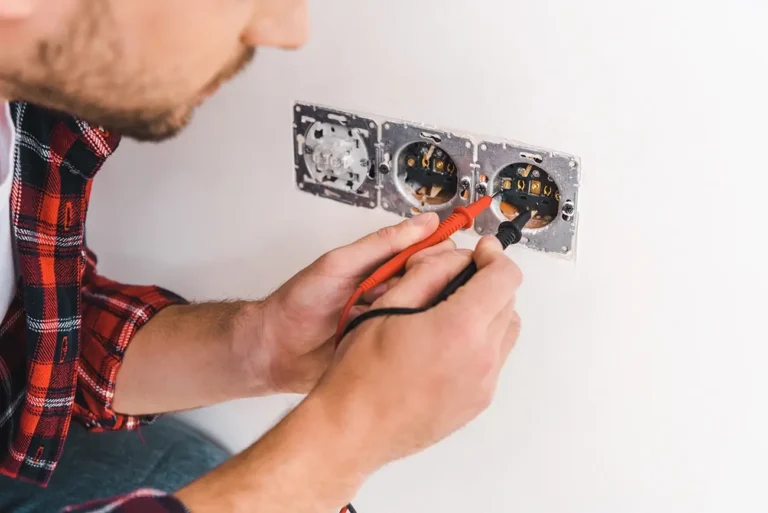
- Test a different device in that outlet. Plug in something you know works, a phone charger, a small fan, and see if it powers on.
- Test the original device in a different outlet. Take that lamp to another room and plug it in.
This simple two-step process helps you figure out whether the issue is the outlet or the device itself. Power surges during restoration can fry individual appliances while leaving the outlet perfectly functional.
If the outlet truly isn't working after these tests, check whether it's connected to a GFCI elsewhere in your home (yes, outlets can be wired together). If that's not the issue, it's time to call a pro.
Mistake #6: Poor Surge Protection Planning
Here's what most people think about surge protectors: "I have a power strip with a surge protector built in. I'm covered."
Not quite.
Many inexpensive power strips offer minimal surge protection. And if the surge protector isn't properly grounded: meaning the outlet it's plugged into doesn't have proper grounding: it won't protect anything at all.
What you should know:
- Whole-home surge protectors installed at your electrical panel offer the best protection
- Individual surge protectors work best as a second layer of defense
- Surge protectors wear out over time: if yours has taken multiple hits, it may no longer be effective
After a major outage, it's worth having an electrician verify your surge protection setup is actually doing its job.

When to Call a Professional
Some post-outage issues are quick fixes. Others are signals that something more serious needs attention.
Call a licensed electrician if:
- A circuit breaker trips repeatedly after being reset
- You notice a burning smell near outlets or your panel
- Outlets or switches feel warm to the touch
- You see scorch marks or discoloration around outlets
- Lights flicker persistently after power returns
- Any appliance sparks when plugged in
At Radiant Electric, we provide 24/7 emergency electrical services across metro Atlanta, including Lawrenceville, Sandy Springs, and surrounding areas. If something doesn't feel right after an outage, don't wait: electrical issues can escalate quickly.
Protect Your Home Before the Next Outage
Power outages are inevitable in Atlanta. Between summer thunderstorms and the occasional ice storm, your home's electrical system takes a beating. But the damage doesn't have to compound.
Quick post-outage checklist:
- ✅ Check your electrical panel for tripped breakers
- ✅ Reset all GFCI outlets
- ✅ Test outlets before assuming they're damaged
- ✅ Inspect surge protectors
- ✅ Look for warning signs like burning smells or warm outlets
- ✅ Call a professional for anything beyond basic resets
Taking these steps after every outage keeps your electrical system healthy and catches small problems before they become expensive repairs.
Need home electrical repair Atlanta services or want a post-outage inspection? Contact Radiant Electric to schedule an appointment. We're here to help you keep your home safe and powered up( no matter what the weather brings.)