Emergency Electrician Atlanta: 5 Post-Storm Warning Signs That Mean Call a Pro Immediately
The storm has passed. The wind has died down. You step outside to assess the damage, and everything looks okay: but looks can be deceiving when it comes to your home's electrical system.
This isn't about scaring anyone. It's about making sure you know exactly what to look for after severe weather rolls through Metro Atlanta, Gwinnett County, Lawrenceville, or Marietta. Because some electrical problems don't announce themselves with sparks and smoke. They hide behind walls, inside panels, and under flooded basements: waiting to become serious hazards.
Knowing when to call an emergency electrician in Atlanta could literally save your family's life. Here are the five warning signs that mean you need professional help immediately.
Warning Sign #1: Downed or Low-Hanging Power Lines
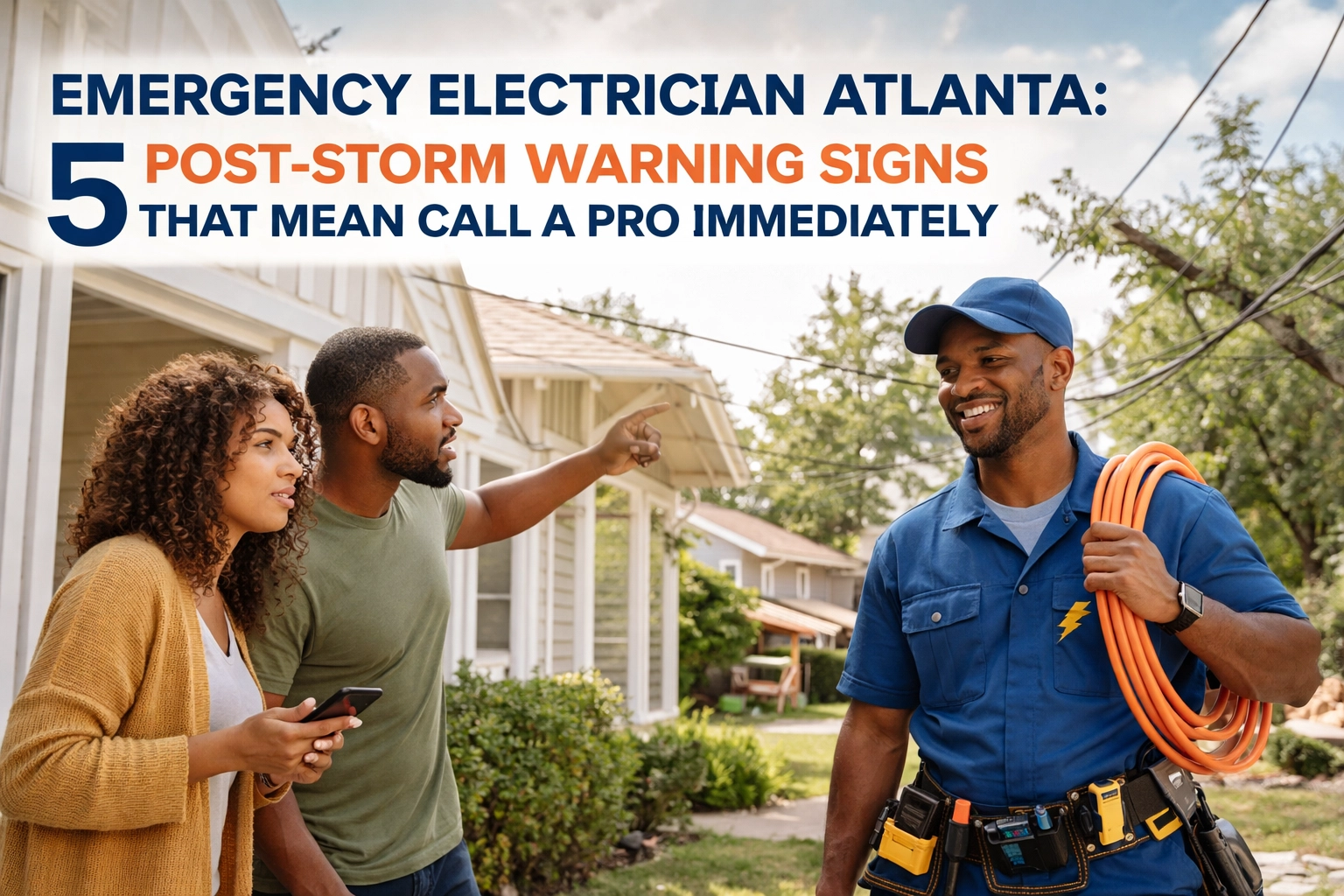
This one seems obvious, but every year, homeowners make dangerous assumptions about power lines after storms.
Here's what you need to know: A downed power line can still be live even if it's not sparking. It doesn't have to be moving or making noise to carry thousands of volts of electricity. And if that line is touching the ground, the electricity can travel through the soil, water, or any conductive surface nearby.
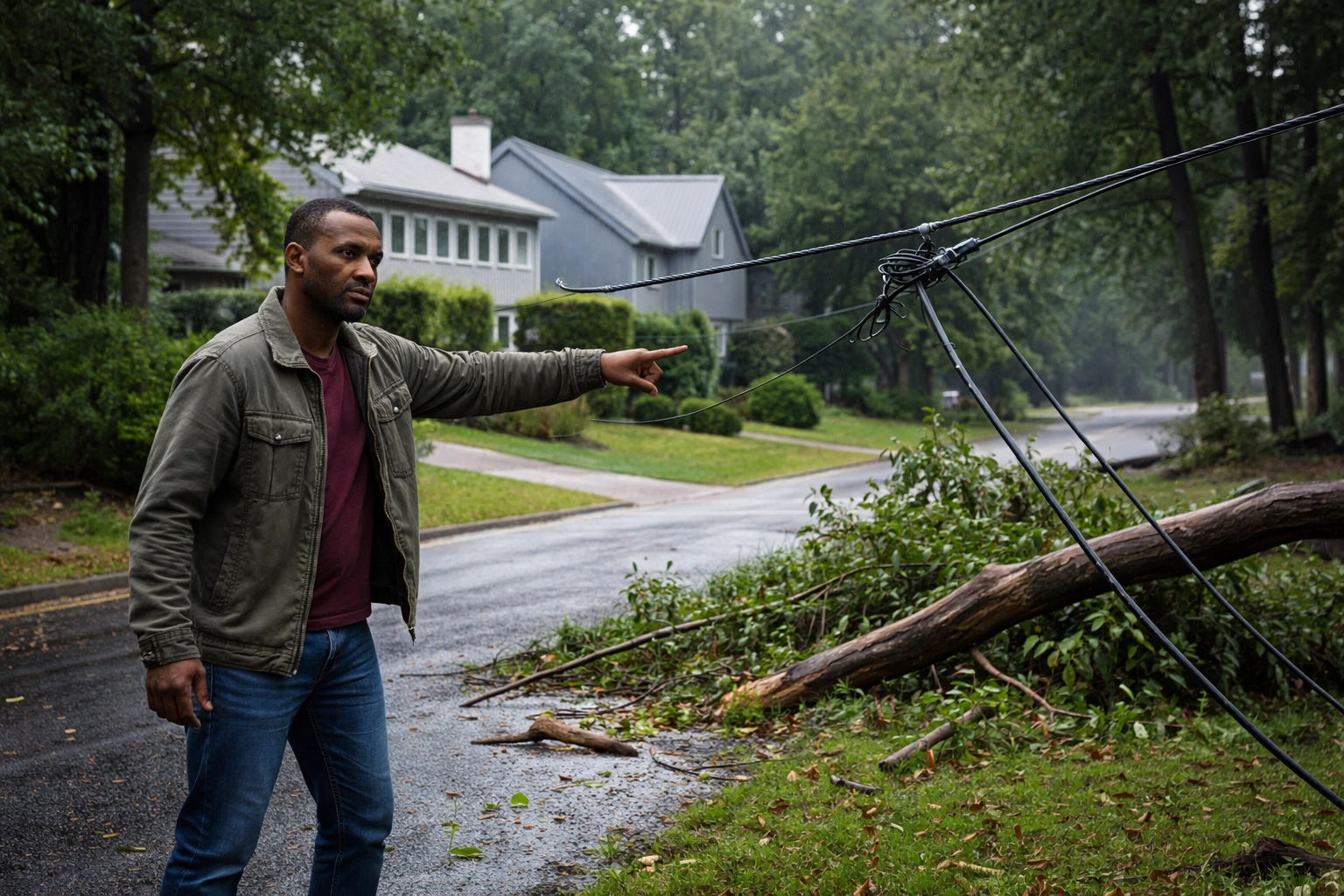
Marcus, a homeowner in Duluth, learned this the hard way during a late-winter storm last year. A tree branch had pulled a line down into his front yard. "It was just lying there," he said. "No sparks, nothing. I almost walked right up to it to move it out of the driveway."
What you should do:
- Stay at least 35 feet away from any downed or low-hanging wires
- Keep children and pets inside and away from windows facing the area
- Call 911 and your utility company immediately
- Never assume a wire is dead: treat every downed line as live
If a power line has fallen on your car, stay inside the vehicle and call for help. The car's tires can insulate you from the ground, but stepping out creates a path for electricity to travel through your body.
Bottom line: Downed power lines require emergency services first, then an emergency electrician in Atlanta to assess any damage to your home's connection point.
Warning Sign #2: Water Damage Near Any Electrical Components
Water and electricity are a dangerous combination. Period.
After heavy rains or flooding: common during Georgia storm season: water can seep into places you don't expect: behind walls, into basement panels, around outdoor outlets, and through damaged roofing into attic wiring.
Here's what that really means: Even a small amount of moisture on electrical components can create a shock hazard or cause corrosion that leads to fires weeks or months later. You might not see the problem, but it's there.
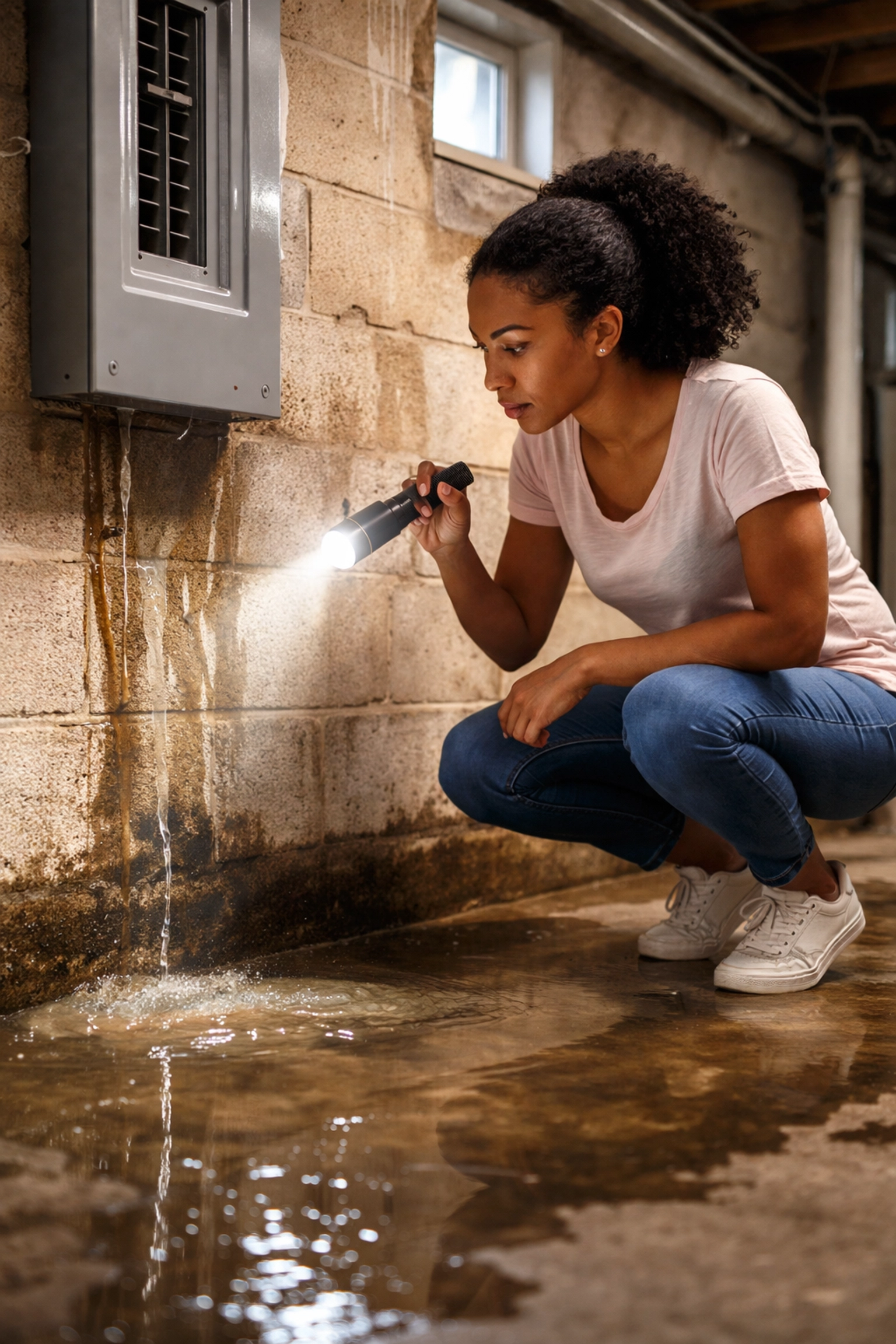
Common areas where water intrusion causes electrical hazards:
- Basement electrical panels – Even a few inches of flooding can compromise your main breaker box
- Outdoor outlets and lighting fixtures – Cracked covers let water in
- Attic wiring – Roof damage from wind or fallen branches creates entry points
- Garage sub-panels – Often overlooked during post-storm inspections
Tanya, a Gwinnett County resident, noticed her lights flickering a week after a major rainstorm. "I didn't think much of it at first," she explained. "But when the electrician came out, he found water damage in my panel that had been slowly corroding the connections."
What you should do:
- Do NOT touch your breaker panel if there's standing water nearby
- Avoid turning on appliances until a professional confirms it's safe
- Look for water stains on walls or ceilings near outlets and fixtures
- Check your basement and crawl space for any signs of flooding
Bottom line: If there's any chance water got near your electrical system, call an emergency electrician in Atlanta before flipping any switches.
Warning Sign #3: Damaged Service Entrance or Meter Box
Your service entrance is where the power lines from the street connect to your home. Your meter box is where Georgia Power measures your usage. Both are critical: and both are vulnerable during storms.
Here's the thing most people don't realize: Georgia Power cannot legally restore power to a home with a damaged meter box or service entrance. It has to be repaired to code by a licensed electrician first.
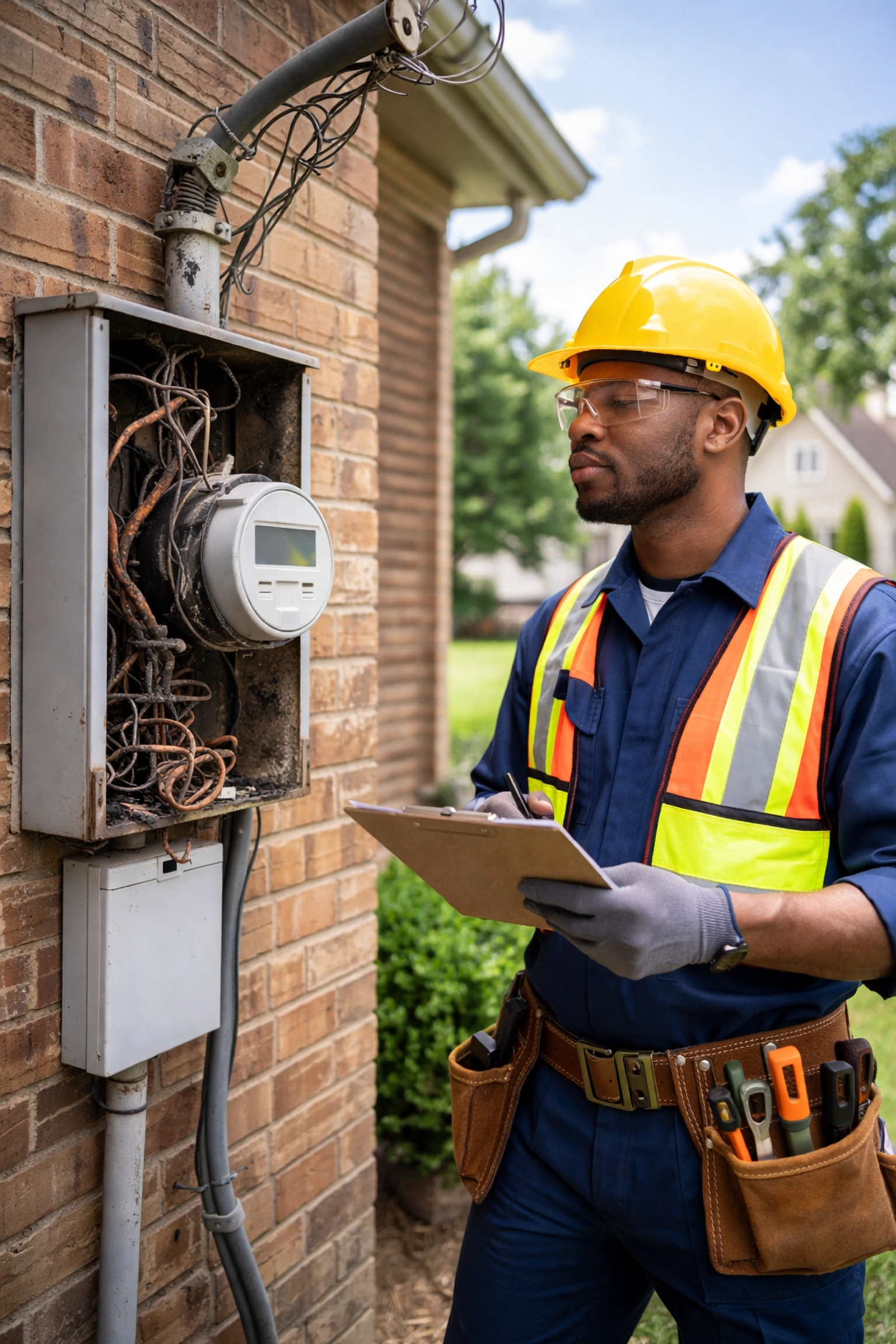
Signs your service entrance or meter box may be damaged:
- The meter is hanging loose, cracked, or knocked off the wall
- The weatherhead (the cap where wires enter your home) is bent or broken
- You can see exposed wires at the connection point
- The mast (the pipe running up the side of your house) is leaning or detached
If you notice any of these issues, don't wait. The longer you delay, the longer you'll be without power: even after the utility company restores service to your neighborhood.
What you should do:
- Visually inspect your meter box and service entrance from a safe distance
- Take photos to document damage for insurance purposes
- Contact a licensed emergency electrician immediately
- Coordinate with your utility company once repairs are complete
Bottom line: A damaged service entrance means no power restoration until it's fixed. Get ahead of the problem by calling a pro right away.
Warning Sign #4: Visible Wiring Damage or Burnt Components
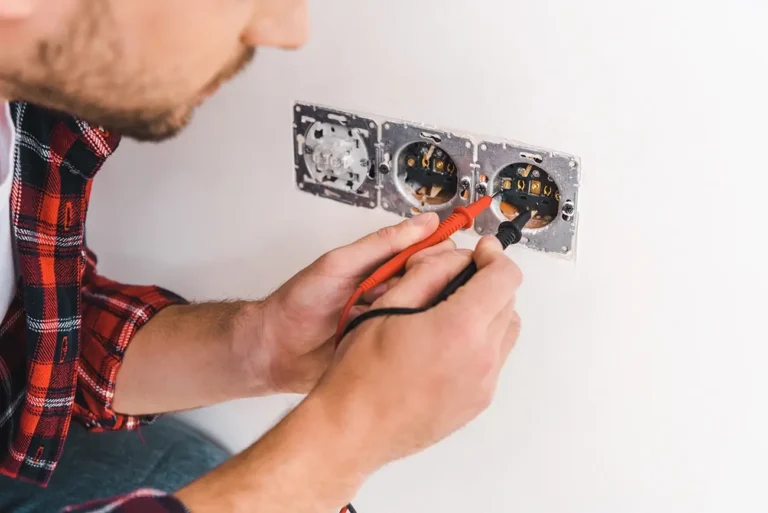
Sometimes storm damage is obvious. A tree branch crashes through your garage and rips an outlet right off the wall. A lightning strike leaves scorch marks on your exterior panel. You see wires dangling where they shouldn't be.
But other times, the signs are subtle. A slight burning smell near an outlet. Discoloration around a switch plate. An outdoor fixture that looks… off.
Here's what you're really looking at: When electrical components are damaged: whether by physical impact, water, or power surges: they become unpredictable. Damaged wiring can arc (spark across gaps), overheat, or fail completely. Any of these scenarios can start a fire.
Warning signs to watch for after a storm:
- Scorch marks or discoloration around outlets, switches, or panels
- Burning or melting plastic smell anywhere in your home
- Outlets or switches that feel warm to the touch
- Visible damage to exterior electrical equipment from fallen branches or debris
- Sparking or popping sounds when you try to use an outlet
The Williams family in Marietta discovered scorch marks on their outdoor panel after a severe thunderstorm. "We thought it was just dirt at first," Mrs. Williams recalled. "But the electrician said lightning had traveled through the system. If we'd kept using it, we could have had a fire."
What you should do:
- Turn off power to any area where you see visible damage (if safe to do so)
- Do NOT attempt to repair or touch damaged wiring yourself
- Keep family members away from affected areas
- Call an emergency electrician in Atlanta for immediate assessment
Bottom line: Visible damage means invisible danger. Don't use your electrical system until a professional gives the all-clear.
Warning Sign #5: Multiple Appliances or Electronics Not Working After the Storm
Lightning doesn't have to strike your home directly to cause damage. A strike anywhere on the electrical grid can send a massive surge through power lines and into your home: frying electronics, damaging appliances, and compromising your wiring.
Here's what that really means: If your TV, computer, refrigerator, and HVAC system all stopped working during or after the storm, you likely experienced a power surge. And while some devices might be obviously dead, others could have hidden damage that causes problems later.
Signs of surge damage in your home:
- Multiple devices won't turn on after power is restored
- Appliances turn on but behave erratically
- Your surge protector's indicator light is off or shows "grounded" issues
- Circuit breakers keep tripping when you try to use certain outlets
What you should do:
- Don't keep trying to turn on devices that won't power up
- Check your surge protectors: they may have sacrificed themselves to protect your equipment
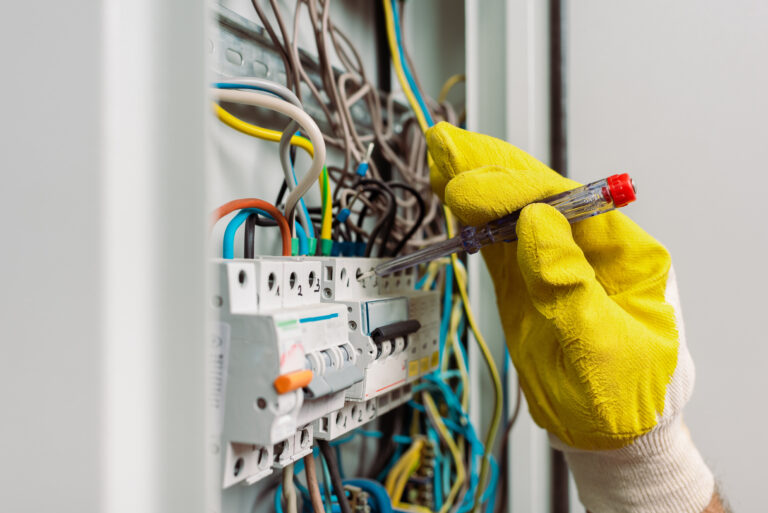
- Have an electrician inspect your panel and whole-house surge protection
- Document damaged items for potential insurance claims
This is also a great time to consider whole-house surge protection if you don't already have it. It's one of the best investments you can make for protecting your home's electronics.
Bottom line: Surge damage often goes deeper than dead devices. A professional inspection can catch problems before they become hazards.
When in Doubt, Call a Pro
After a storm, your instinct might be to start flipping breakers and testing outlets to see what works. Resist that urge.
The safest approach is always to have a licensed emergency electrician in Atlanta inspect your system before you start using it again. At Radiant Electric, we serve homeowners throughout Metro Atlanta, Gwinnett County, Lawrenceville, Marietta, Duluth, and surrounding areas with fast, professional emergency electrical services.
Your home's electrical system is not something to guess about. When you see these warning signs, make the call. We'll make sure your family stays safe.