Electric vehicles are everywhere in Marietta these days. You've probably seen your neighbors pulling into their driveways with Teslas, Chevy Bolts, and other EVs. Maybe you're considering making the switch yourself. But here's the question that stops most homeowners: "Is my house actually ready for this?"
This isn't about scaring anyone away from EVs. The truth is, most Marietta homes can support EV charging with the right preparation. The key is understanding what your electrical system needs before you buy that charger online and realize you're in over your head.
Your Electrical System: The Foundation of EV Charging
Most people think plugging in an EV charger is like plugging in any other appliance. Here's what that really means: Level 2 EV chargers are what electricians call "continuous loads." Unlike your microwave that runs for a few minutes, these chargers pull significant power for hours at a time.
Your home's electrical panel is like the heart of your house, it distributes power to every outlet, light, and appliance. When you add an EV charger, you're asking that heart to pump harder for longer periods. If your panel isn't up to the task, you'll face tripped breakers, overheating, and potentially dangerous situations.

The Panel Capacity Reality Check
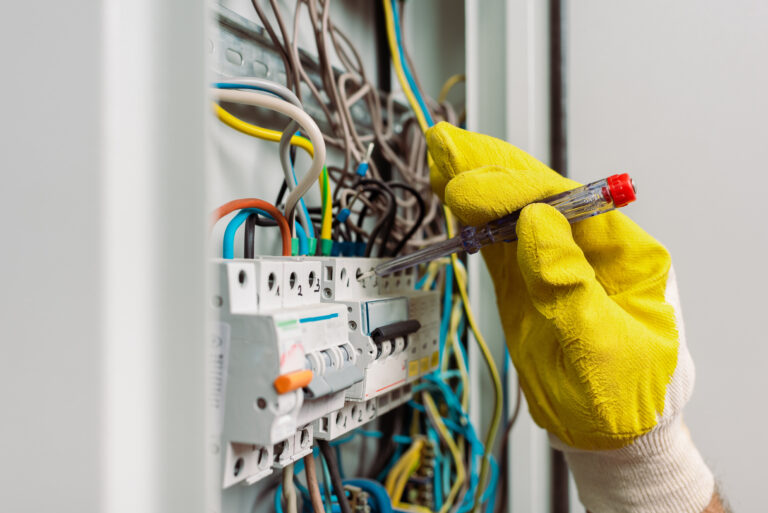
Walk to your electrical panel right now. Look for a number on the main breaker, it'll say 100, 125, or 200. Most modern Marietta homes have 200-amp service, which is what you want for EV charging. But if you see 100 or 125, don't panic. You're not automatically disqualified, but you'll likely need an upgrade.
Here's the breakdown: A typical Level 2 charger needs a dedicated 40 or 50-amp circuit. That might sound like a lot, but remember, your electric dryer probably uses 30 amps, and your central air conditioning can pull 40 amps or more.
The Professional Assessment: What Actually Happens
Homeowners often believe they can eyeball their electrical setup and know if it's ready. The reality is more complex. A licensed electrician performs what's called a "load calculation", basically, they add up everything in your house that uses electricity and determine if adding an EV charger will overload your system.
This calculation considers your heating system, air conditioning, appliances, lights, and outlets. It's not just about having space in your panel; it's about whether your entire electrical service can handle the additional load safely.
The Dedicated Circuit Requirement
Here's something most people don't realize: your EV charger needs its own dedicated circuit. You can't just tap into an existing outlet in your garage. This dedicated 240-volt circuit runs directly from your breaker panel to the charging location.
Why is this so important? Because EV chargers are hungry for power over long periods. Sharing a circuit with other devices creates a recipe for overheated wires, tripped breakers, and potential fire hazards.
The Installation Process: Step by Step
Step 1: The Load Calculation
Before any work begins, your electrician evaluates your panel's capacity. This isn't a quick glance, it's a detailed analysis of your home's electrical demands. If your system can't safely handle the additional load, you'll need a panel upgrade before proceeding.
Step 2: Location Planning
Not every spot in your garage or driveway works for EV charging. The ideal location considers convenience, safety, and your charger's specifications. For outdoor installations, the charger needs weather protection rated NEMA 3R or higher.
Step 3: Permitting (Yes, It's Required)
This is where many DIY attempts go wrong. Installing a 240-volt circuit for EV charging requires a permit from your local building department. Skipping this step can void your homeowner's insurance and create legal headaches if you ever sell your home.
The permit process requires:
- Site plan showing charger location
- Load calculation proving your panel can handle it
- Electrical diagram of the new circuit
- Equipment specification sheets

Step 4: Circuit Installation
Once permits are approved, the real work begins. Your electrician runs a new dedicated circuit from your breaker panel to the charging location. All work must comply with the National Electrical Code Article 625, which governs electric vehicle charging systems.
Step 5: Mounting and Testing
The charger gets securely mounted, connections are made, and comprehensive testing ensures everything operates safely. A properly installed system delivers the correct voltage and includes required safety features like Ground-Fault Circuit-Interrupter (GFCI) protection.
Code Compliance: More Than Just Following Rules
The National Electrical Code isn't just bureaucratic red tape: it's life safety. Article 625 specifically addresses EV charging systems because these installations present unique electrical challenges.
Key safety requirements include:
- GFCI protection on all charging circuits
- Proper grounding and bonding
- Adequate wire sizing for continuous loads
- Appropriate disconnect switches
Ignoring these requirements isn't just illegal; it's dangerous. Improperly installed chargers can cause electrical fires, electrocution, and equipment damage.
The Cost Reality: Investment vs. Risk
Professional installation typically starts around $750, but costs vary based on several factors:
- Distance from your electrical panel to the charging location
- Whether your panel needs upgrading
- Local permit fees
- Complexity of the installation route
Some homeowners bulk at these costs and consider DIY installation. Here's the problem: most EV and charger manufacturers require proof of professional installation to honor warranties. Plus, insurance companies may deny claims for damages caused by unpermitted electrical work.

Georgia Incentives: Making the Investment Sweeter
Georgia residents have access to several financial incentives for EV charger installation. Georgia Power offers rebates for eligible customers installing Level 2 chargers with dedicated circuits. Additionally, the state provides a tax credit of 10% of the installation cost, up to $2,500.
These incentives can significantly offset your installation costs, making professional installation even more attractive compared to risky DIY attempts.
Why Professional Installation Isn't Optional
This isn't about electricians protecting their territory. Professional installation ensures:
- Code compliance and safety
- Warranty protection for your equipment
- Insurance coverage in case of problems
- Proper load calculations to prevent system overload
- Quality workmanship that lasts
Licensed electricians carry insurance and stand behind their work. They understand local codes and permitting requirements. Most importantly, they have the expertise to identify potential problems before they become dangerous.
Finding the Right Installer in Marietta
Not all electricians have EV charger installation experience. Look for contractors who specifically mention EV charging services and can show you examples of previous installations. They should handle the entire process: from initial assessment through final inspection.
Ask potential installers about their experience with your specific charger model, their permitting process, and what their warranty covers. A reputable contractor will provide a detailed estimate and timeline for your project.
Making Your Decision
Most Marietta homes built in the last 20 years can support EV charging with proper installation. The key is starting with a professional assessment rather than making assumptions about your electrical system's capacity.
The investment in professional installation pays dividends in safety, reliability, and peace of mind. When you're ready to join the growing number of EV owners in Marietta, make sure your home's electrical system is truly ready for the transition.
Your future self: and your family's safety: will thank you for doing this right the first time.
Ready to charge with confidence? Contact Radiant Electric
Thinking about a Level 2 charger—or just unsure if your panel can handle it? This isn't about scaring anyone; it's about doing it safely the first time. Our licensed, insured, and EV‑savvy technicians make it simple.
- Get expert advice: We’ll review your setup, perform a load calculation, and recommend the right charger and circuit.
- Request a free, upfront quote: Transparent pricing with no surprises.
- Schedule your installation: Fast turnarounds, permits handled, clean, code‑compliant work.
We proudly serve Gwinnett County and the broader Metro Atlanta area, including Marietta, Decatur, Smyrna, and Sandy Springs. Need something quick? We offer same‑day service for small repairs and quick assessments when available—and we’ll get your EV charger installation on the calendar fast.
Ready when you are. Visit https://radiantelectricatl.com/ to request a free estimate or schedule, and let our expert technicians get your home EV‑ready.