Whole House Generator Atlanta: 7 Mistakes You're Making with Storm Prep (And How to Fix Them Before 2026's Weather Season)
Storm season in Georgia doesn't wait for anyone to get ready. While your neighbors scramble when the first severe weather warning hits, smart homeowners in Gwinnett County, Marietta, and surrounding Atlanta areas prepare their whole house generators before they actually need them.
This isn't about scaring anyone: it's about helping you avoid the costly mistakes that leave families without power when they need it most. After installing and servicing hundreds of generators across metro Atlanta, we've seen the same preparation errors repeatedly cost homeowners comfort, money, and peace of mind.
Here are the seven most common storm prep mistakes we encounter, and exactly how to fix them before Georgia's unpredictable weather tests your backup power system.
Mistake #1: Waiting Until Storm Warnings to Test Your Generator
The Problem: Most homeowners treat their generator like a spare tire: they assume it'll work when needed but never actually check. When Hurricane season approaches or severe thunderstorms threaten, that's when they discover their generator won't start, has stale fuel, or isn't producing power correctly.
Here's what that really means: Generators are mechanical systems with multiple moving parts, electrical connections, and fuel systems that can deteriorate over time. A generator that worked perfectly six months ago might have developed issues you won't discover until it's too late to fix them.
The Fix: Test your generator monthly, regardless of weather forecasts. Start it up, let it run for 15-20 minutes under load, and check that it's producing proper voltage. Mark this on your calendar: the second Saturday of every month works well for most families.
During these tests, listen for unusual sounds, check for fuel leaks, and ensure the transfer switch operates smoothly. If something seems off, you have time to address it before you actually need backup power.

Mistake #2: Ignoring Fuel Quality and Storage Requirements
The Problem: Gasoline degrades within 30 days, and even stabilized fuel can cause starting problems after three months. Homeowners often fill their generator's tank once and forget about it, or they store gasoline improperly, leading to fuel system problems when the generator needs to start most.
Most people think adding fuel stabilizer once is enough, but proper fuel management requires ongoing attention and rotation.
The Fix: For portable generators, use only fresh gasoline and add stabilizer before storage. Rotate your fuel supply every 60 days maximum: use the stored fuel in your car and replace it with fresh gas.
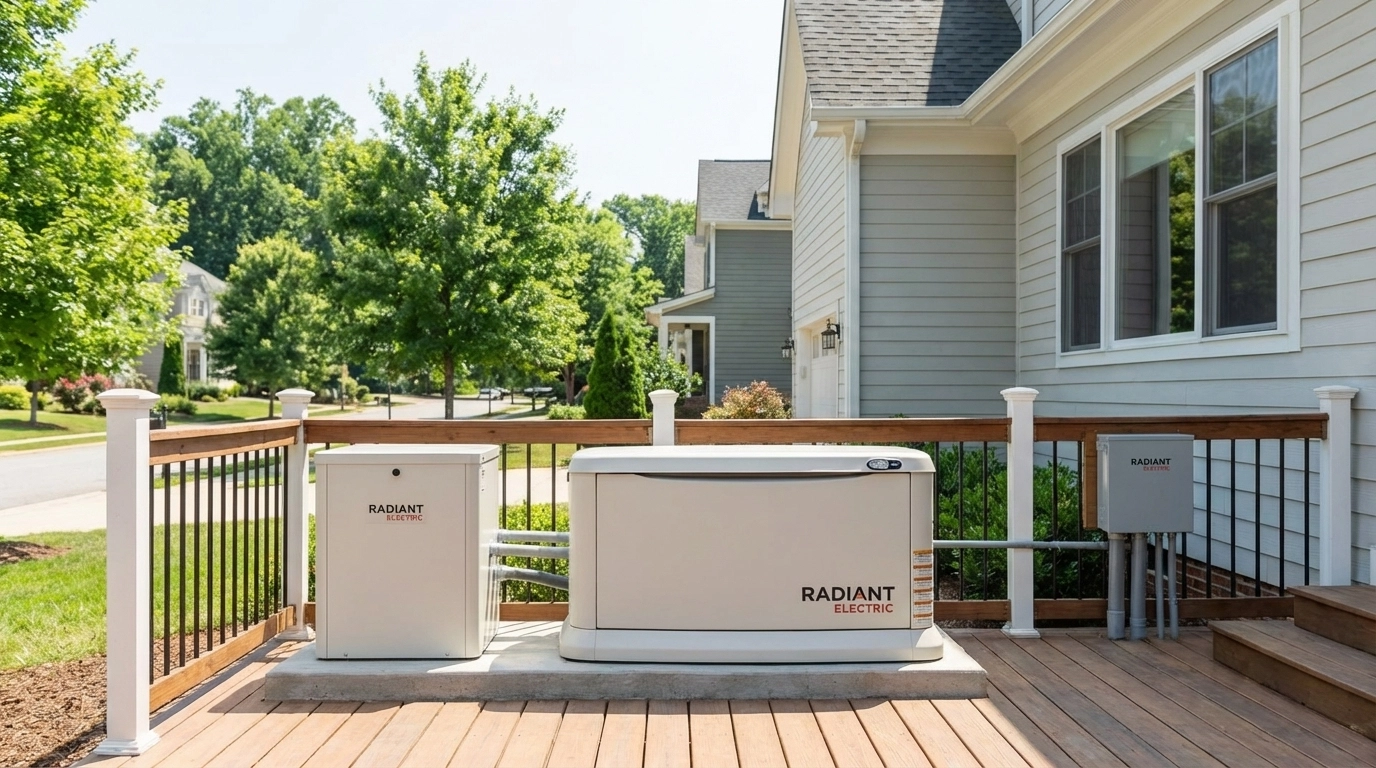
For permanent whole house generators connected to natural gas lines, you're already ahead of this problem. Natural gas doesn't degrade like gasoline, which is why many Gwinnett County homeowners choose this option. If you're considering an upgrade, this fuel reliability factor alone makes whole house generators worth the investment.
Mistake #3: Overloading Your Generator's Capacity
The Problem: Homeowners frequently try to power their entire home during outages without understanding their generator's limitations. They plug in everything from air conditioning units to electric water heaters, then wonder why their generator shuts down or damages connected appliances.
Here's the reality: Even large portable generators typically produce 7,500-10,000 watts maximum, while the average Atlanta home uses 15,000-20,000 watts during peak demand. Whole house generators solve this issue, but only if they're properly sized for your specific electrical load.
The Fix: Calculate your essential power needs before an outage occurs. Identify which circuits are truly necessary: refrigerator, freezer, a few lights, one air conditioning unit, and essential outlets. Create a priority list and stick to it.
For whole house generators, professional load calculations ensure proper sizing from the start. This is why permits and professional installation matter: qualified electricians determine exactly what size generator your Marietta or Lawrenceville home requires.

Mistake #4: Misunderstanding Transfer Switch Operation
The Problem: Many homeowners don't understand how their transfer switch works, when to operate it, or what the different positions mean. This leads to dangerous backfeeding situations, damage to the generator or home's electrical system, or simply failure to restore power when needed.
Signals you might have this problem: You're not sure whether your transfer switch is manual or automatic, you've never operated it, or you're unclear about which circuits it controls.
The Fix: Locate your transfer switch and understand its operation before you need emergency power. Manual transfer switches require you to physically switch between utility and generator power: never attempt to power your home with both simultaneously.
Automatic transfer switches handle this switching for you, but you should still understand the basic operation and status indicators. If your switch is more than 10 years old, consider having it inspected. Transfer switch failures are among the most common reasons generators fail to provide power during outages.
Mistake #5: Skipping Professional Installation and Permits
The Problem: DIY generator installations or unlicensed work often result in code violations, insurance issues, and safety hazards. Improper grounding, incorrect fuel connections, or inadequate electrical connections can cause fires, carbon monoxide exposure, or electrocution.
Most municipalities in the Atlanta Metro Area require permits for permanent generator installations, and homeowners insurance may not cover damages from unpermitted electrical work.
The Fix: Always use licensed, insured electrical contractors for whole house generator installations. Professional installers handle permits, coordinate inspections, and ensure your installation meets all local codes.
The installation process typically takes 1-3 days and includes proper foundation work, fuel line connections, electrical panel integration, and testing. While this represents a significant investment, proper installation protects your family's safety and your property's value.

Mistake #6: Neglecting Regular Maintenance Schedules
The Problem: Generators require ongoing maintenance to operate reliably, but homeowners often skip oil changes, air filter replacements, and other routine service. This leads to premature engine failure, starting problems, or complete system breakdowns during critical times.
Here's what that really means: Generator engines work harder than car engines in many ways: they're designed to carry heavy electrical loads for extended periods. Without proper maintenance, internal components wear rapidly, and reliability suffers exactly when you need it most.
The Fix: Follow manufacturer maintenance schedules religiously. For most generators, this means:
- Oil changes every 50-100 hours of operation or annually
- Air filter replacement every 100 hours or when visibly dirty
- Spark plug replacement annually
- Battery replacement every 2-3 years for electric-start models
Keep maintenance records and consider professional service contracts for whole house generators. The cost of preventive maintenance is far less than emergency repairs during storm season.
Mistake #7: Insufficient Backup Fuel Planning
The Problem: Homeowners assume short-term fuel supplies are adequate, but extended outages require substantial fuel quantities. A 7,500-watt generator consumes roughly one gallon of gasoline per hour under load: that means 24 gallons for a single day of continuous operation.
Concrete example: During ice storms, Atlanta-area power outages can last 3-7 days. Your generator needs 72-168 gallons of gasoline for continuous operation, but gas stations may be closed or out of fuel during widespread outages.
The Fix: Plan for at least 72 hours of continuous operation, preferably a full week. Store fuel in approved containers, rotate supplies regularly, and identify multiple fuel sources near your home.
Better yet, consider whole house generators connected to natural gas lines. Natural gas supply continues during most power outages, eliminating fuel storage and rotation concerns entirely. This is why many Gwinnett County families choose permanently installed systems over portable alternatives.

Your Next Steps: Professional Generator Assessment
Storm preparation isn't something you can handle the night before severe weather hits. These seven mistakes cost families throughout metro Atlanta their comfort, safety, and thousands of dollars in repairs every storm season.
Don't wait until the weather forecast shows severe storms approaching. Schedule a professional generator assessment now, while you have time to address any issues properly.
At Radiant Electric, we've helped hundreds of Atlanta-area families prepare reliable backup power systems that actually work when needed. Our licensed electricians handle everything from initial load calculations and permits to installation and ongoing maintenance.
Whether you're troubleshooting an existing generator or considering a whole house system upgrade, we'll ensure your family stays powered through whatever Georgia weather brings in 2026.
Ready to stop making these costly mistakes? Contact Radiant Electric today for your comprehensive generator assessment. We serve Gwinnett County, Marietta, Lawrenceville, and the entire Atlanta metro area with professional electrical services you can trust.
Your family's comfort and safety during power outages shouldn't depend on luck and last-minute preparations. Call us now and join the growing number of Atlanta homeowners who are truly ready for storm season.