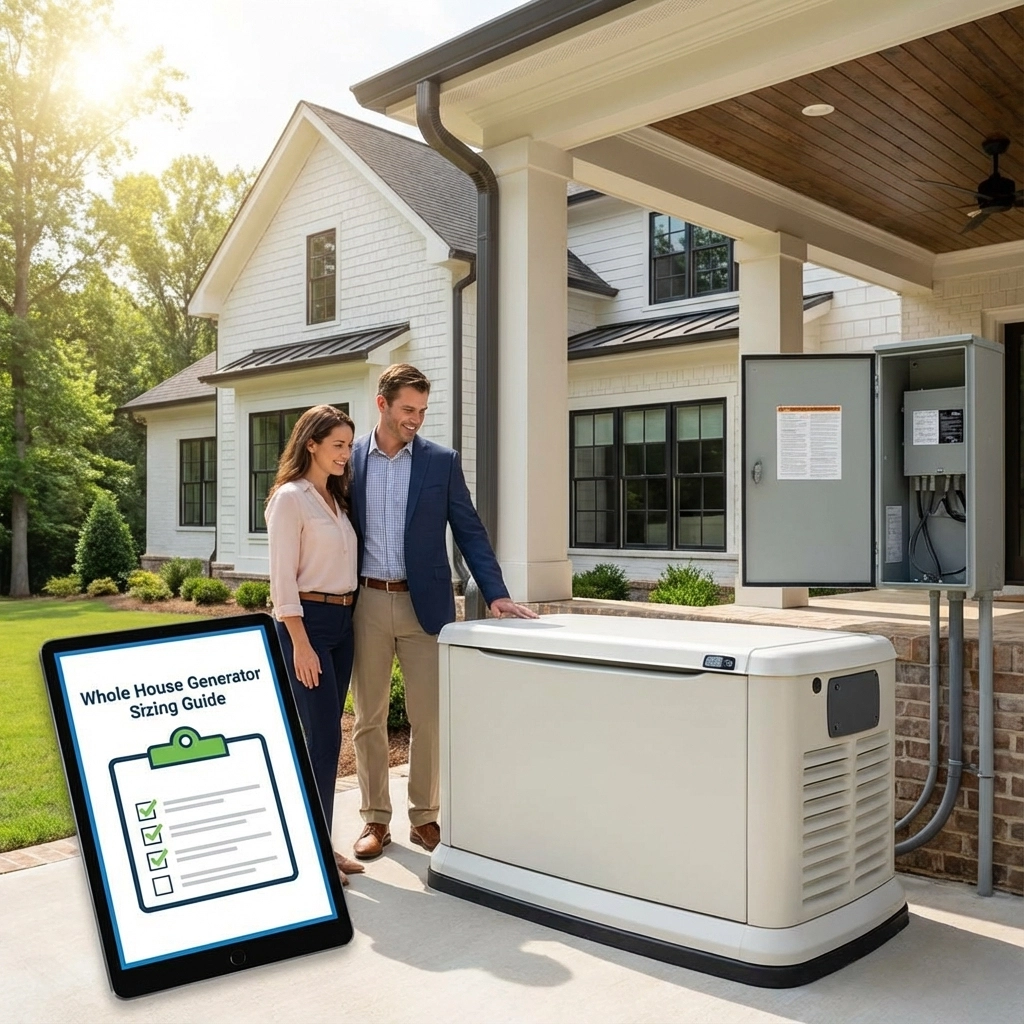
Whole House Generator Atlanta: 7 Mistakes You're Making with Sizing (and How to Fix Them)
Picture this: The lights go out during Atlanta's next ice storm. Your neighbor's generator kicks on immediately, powering their entire home. Meanwhile, you're sitting in the dark because your "properly sized" generator can't handle your actual power needs. Or worse, you paid thousands extra for a massive unit that could power three houses.
This isn't about scaring anyone. Generator sizing mistakes happen to smart homeowners every day, and most of them are completely preventable. The problem is that most people rely on outdated rules of thumb or quick online calculators instead of understanding how their home actually uses electricity.
Here are the seven biggest mistakes Atlanta homeowners make when sizing whole house generators, and more importantly, how to fix them.
Mistake #1: Using Only Your Electrical Panel Size to Choose Generator Size
Most people think bigger electrical panels automatically mean bigger generator needs. If you have a 200-amp main panel, you assume you need a generator sized for 200 amps, right? Wrong.
Your panel size tells you the maximum electricity your home could use, not what it actually uses. Think of it like a highway, just because it has six lanes doesn't mean you're always driving in all six at once.
Two identical homes with 200-amp panels can have completely different power requirements. One family might run space heaters in every room while charging an electric car. Another might keep their thermostat at 68 degrees and use energy-efficient appliances.
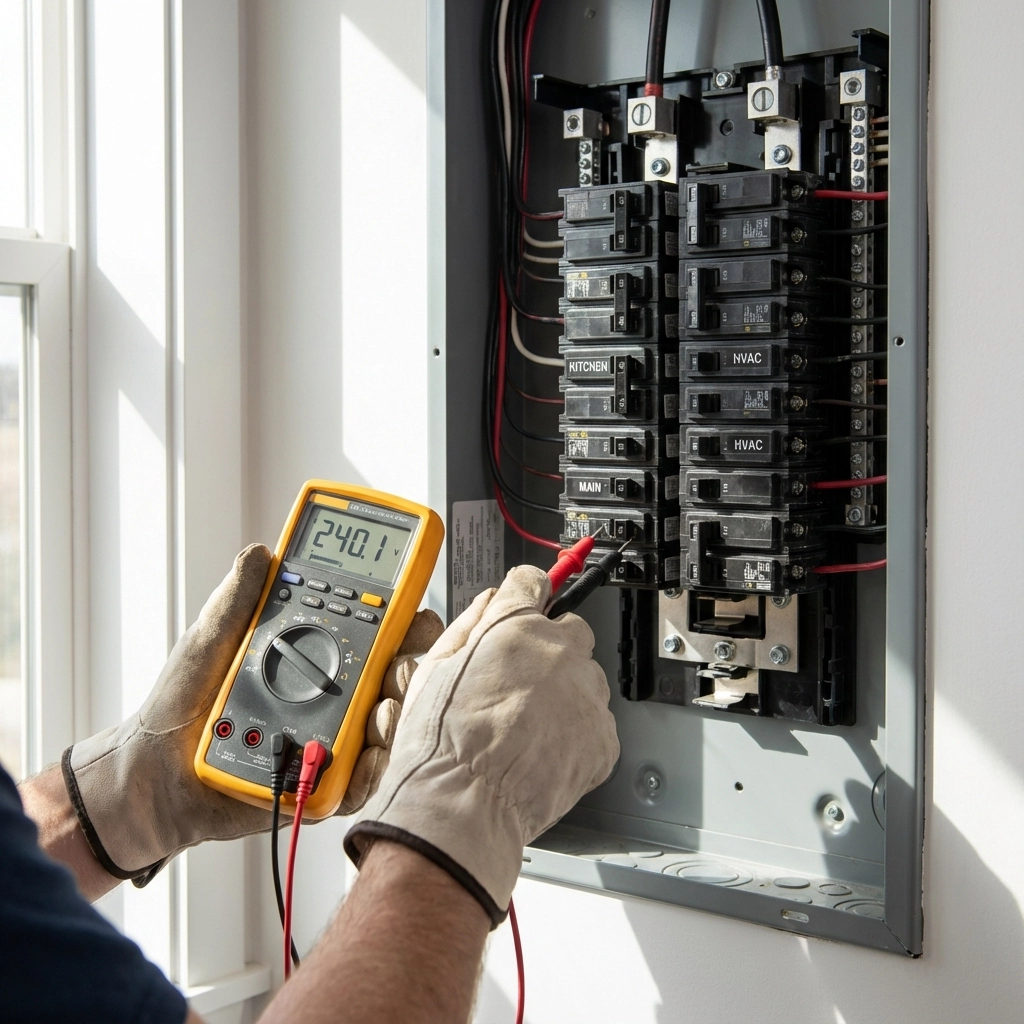
How to fix it: Work with an electrician who performs a proper NEC load calculation based on your actual electrical usage. This looks at what appliances you have, when you use them, and how much power they actually draw.
Mistake #2: Relying Only on Manufacturer Calculators
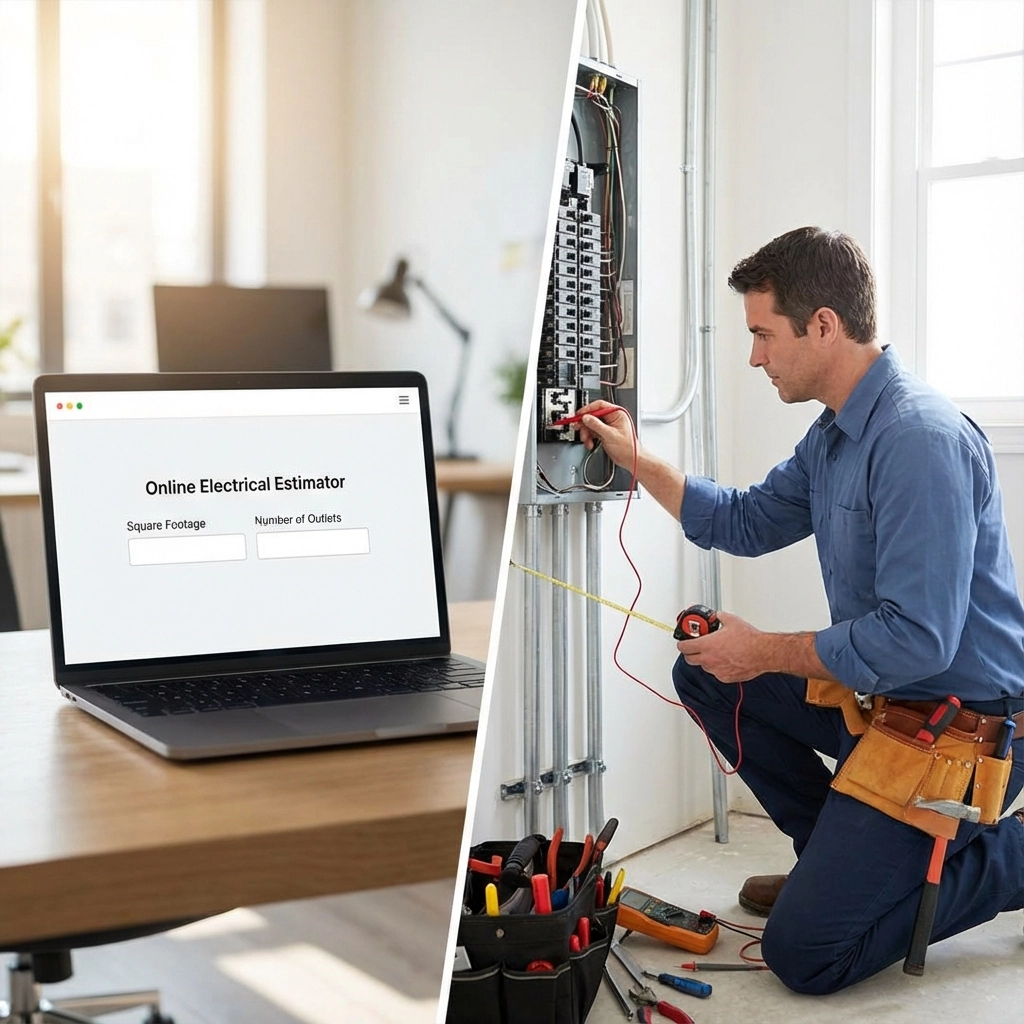
Those online sizing calculators from Generac, Kohler, and other manufacturers? They're a decent starting point, but they typically suggest generators that are too small for real-world conditions.
Here's why: These calculators can't account for how you actually live. Do you run the washing machine and dishwasher at the same time? Does your teenager take 20-minute showers while you're cooking dinner? Do you work from home and need reliable power for your office equipment?
Manufacturer calculators use average usage patterns that might not match your lifestyle at all.
How to fix it: Use online calculators as a rough starting point, then have a professional evaluate your specific usage patterns. A good electrician will ask detailed questions about your daily routines and peak power usage times.
Mistake #3: Ignoring Starting Wattage vs. Running Wattage
This mistake catches almost everyone. You add up the running wattages of your refrigerator (150 watts), air conditioner (3,000 watts), and other appliances, thinking you've got your total power needs figured out.
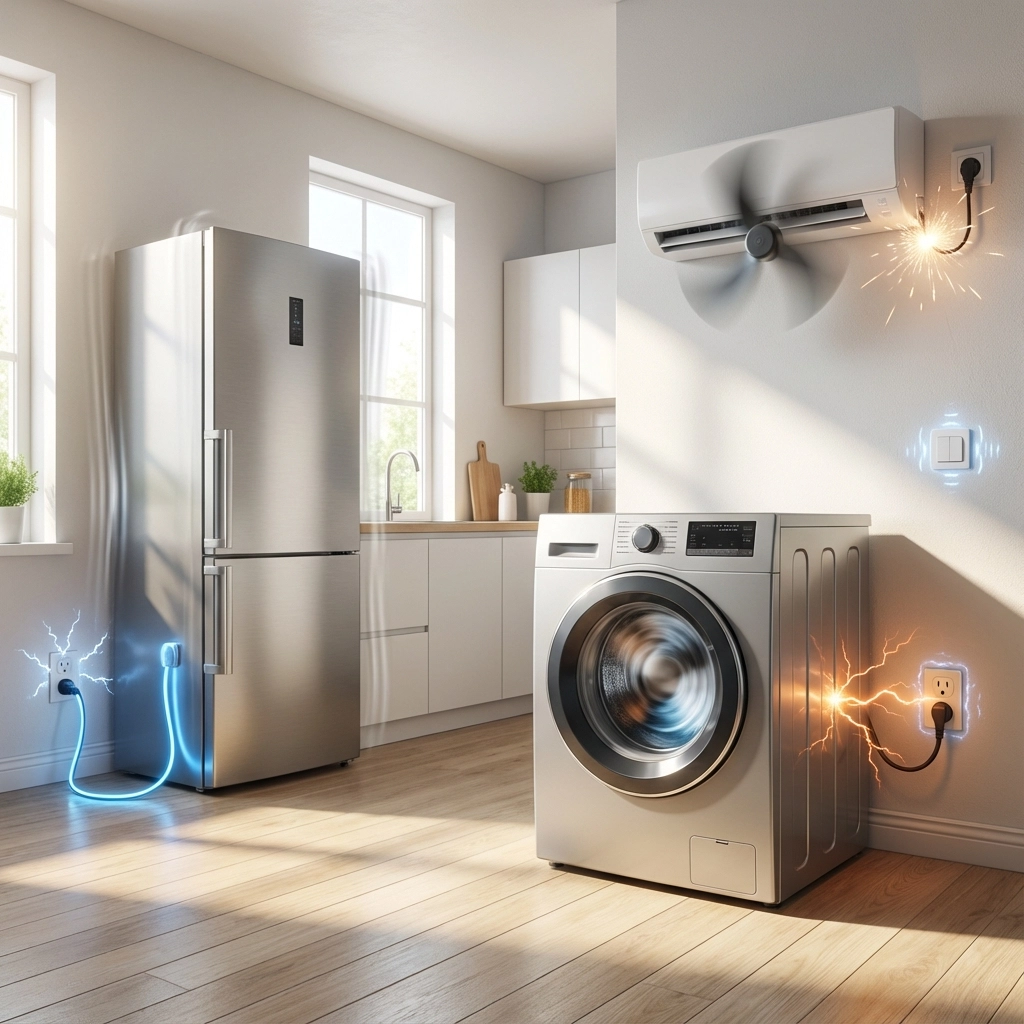
But here's what you missed: When these appliances first turn on, they need much more power. Your refrigerator might run on 150 watts but needs 1,200 watts to start. Your AC unit could need 9,000 watts to get going even though it only uses 3,000 watts while running.
If multiple heavy appliances start up simultaneously, which always happens at the worst possible moment, your undersized generator will shut down completely.
How to fix it: Calculate both running and starting power requirements for every appliance. The general rule is to size your generator for the worst-case startup scenario, not just steady-state operation.
Mistake #4: Not Sizing for Peak Load Conditions
Some homeowners gamble by undersizing their generators, thinking they'll just be careful about what they run during outages. "We'll just make sure the washing machine and dryer never run at the same time."
This approach fails for two reasons: First, you forget these rules when the power's been out for days and you desperately need clean clothes. Second, some appliances, like your refrigerator and HVAC system, turn on automatically based on temperature, not your careful planning.
Professional installers size generators for peak load conditions because that's when you need reliability most.
How to fix it: Size your generator to handle the maximum realistic electrical load you might draw at any moment. Don't rely on manually managing your power usage during emergencies.
Mistake #5: Overlooking Installation Distance and Its Impact
Most people think about what size generator they need but ignore where it's going to sit. The distance between your generator and your electrical panel significantly affects sizing requirements.
Standard installations place the generator within 30 feet of your service panel. Want it farther away, maybe by your detached garage or in a back corner for noise reasons? That distance requires larger wire, creates voltage drop, and can necessitate a larger generator to compensate for power loss.
Plus, longer wire runs mean much higher installation costs.
How to fix it: Discuss generator placement with your contractor early in the planning process. Understand how distance affects both your sizing needs and installation costs before making location decisions.
Mistake #6: Oversizing Without Justification
While undersizing is risky, oversizing wastes serious money. Bigger generators cost thousands more upfront, use more fuel, and provide diminishing returns on investment.
Some homeowners think "bigger is always better" or "we want to be extra safe." But a 36kW generator powering a home that needs 18kW isn't twice as safe, it's just twice as expensive.
Experienced contractors can spot homeowners who've oversized their generators, and it doesn't build confidence in your decision-making process.
How to fix it: Base generator size on actual calculations, not safety buffers or gut feelings. A properly sized generator with appropriate reserve margin provides excellent reliability without unnecessary cost.
Mistake #7: Not Planning for Future Power Needs
Many homeowners size generators based only on current appliances without considering future additions. You choose a 20kW unit that perfectly handles your current needs, then realize you want to add an electric vehicle charger next year.
EV chargers, hot tubs, swimming pool equipment, additional HVAC zones, and home additions can substantially increase power requirements. Installing these later means either living with inadequate generator capacity or replacing your entire system.
How to fix it: Account for reasonably anticipated future electrical needs when sizing your system. If you're considering an EV, pool, or home addition within the next 5-10 years, factor those requirements into your initial sizing decision.
How to Size Your Generator Correctly
Start with a comprehensive appliance inventory. List everything you'd want powered during an outage: HVAC systems, refrigerators, lights, security systems, well pumps, and major appliances. Don't forget about outlets for charging devices and running essential equipment.
Work with a licensed electrician who performs NEC load calculations rather than using rough estimates or panel sizes. This provides an objective, code-compliant assessment of your actual electrical demand.
Apply appropriate safety buffers for startup surges and maximum voltage conditions, but base these buffers on engineering rather than guesswork.
Consider your home's size as a general guideline:
- Under 2,000 sq ft: 10,000–15,000 watts
- 2,000–3,000 sq ft: 15,000–22,000 watts
- 3,000–5,000 sq ft: 22,000–32,000 watts
- Over 5,000 sq ft: 36,000+ watts
Remember that these are starting points: your actual needs depend on your specific appliances, usage patterns, and lifestyle requirements.
Get Professional Generator Sizing in Atlanta
Generator sizing isn't guesswork. It's electrical engineering that requires understanding load calculations, startup requirements, and your specific power usage patterns.
Ready for a properly sized generator system that actually works when you need it? Contact Radiant Electric for professional generator sizing and installation throughout the Atlanta metro area. Our licensed electricians perform detailed load calculations to ensure your generator handles your real-world power needs without unnecessary oversizing or risky undersizing.
Don't let these common mistakes leave you in the dark during the next storm. Get professional sizing done right the first time.