The Ultimate Guide to Home Electrical Inspection
Home electrical inspection
Why You Need a Home Electrical Inspection
If you’re a homeowner searching for a home electrical inspection, you already know how important safety and reliability are. Atlanta’s mix of historic homes, booming new builds, and unpredictable southern weather makes electrical safety more than a luxury — it’s a necessity. Behind your walls lies a complex system of wires, outlets, panels, and circuits that quietly power your life. But when those systems age, get overloaded, or were never properly installed in the first place, they can become hidden fire hazards waiting to spark.
That’s where home electrical inspections come in. A professional inspection by a licensed electrician doesn’t just help you find problems — it helps you prevent costly emergencies, reduce your electric bills, and protect your property investment.
At Radiant Electric ATL, we specialize in affordable, dependable, and transparent electrical services across Gwinnett County and the greater Metro Atlanta area. Whether you’re buying a home, remodeling, or just overdue for a check-up, this guide breaks down everything you need to know about getting an electrical inspection that’s worth your time and money.
1. What Is a Home Electrical Inspection?
A home electrical inspection is a detailed evaluation of your home’s electrical systems — wiring, outlets, panels, and all components that distribute power. Think of it like a “checkup” for your home’s heart and nervous system.
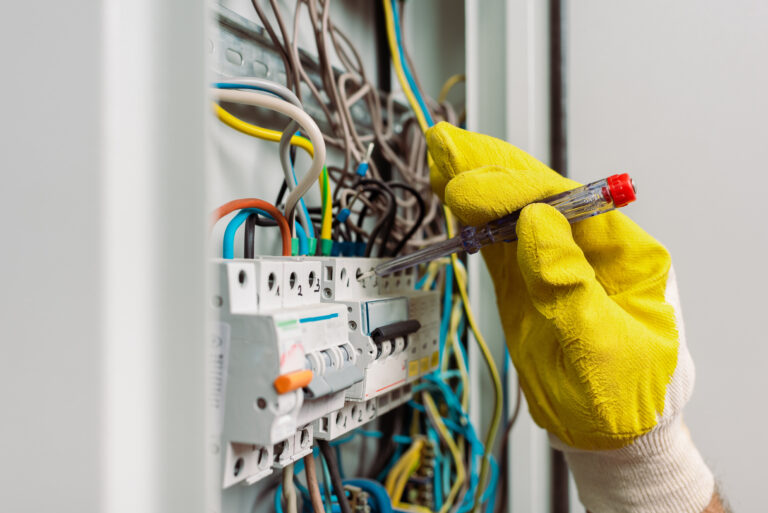
During an inspection, a licensed electrician tests your electrical circuits for safety, checks your home’s grounding, inspects panels for corrosion, and ensures everything meets Georgia’s building and safety codes.
What’s Usually Checked In a Home Electrical Inspection
- Circuit breakers and fuse boxes
- Electrical panels and grounding
- Wiring integrity (aluminum, copper, etc.)
- GFCI and AFCI outlet functionality
- Lighting fixtures and switches
- Outdoor wiring and weatherproofing
- Smoke detectors and carbon monoxide monitors
If your home hasn’t been inspected in the last five years — or since major renovations — you’re overdue. Aging electrical systems are one of the leading causes of house fires in the U.S., according to the National Fire Protection Association (NFPA).
2. When Should You Schedule a Home Electrical Inspection?
Electrical systems are easy to overlook because most problems are invisible — until they’re not. In Atlanta’s humid climate and growing suburbs, many homeowners wait until something fails. But routine inspections can catch small issues before they escalate.
Here’s when you shouldn’t wait:
- Before buying or selling a home: Lenders often require it, and it can uncover costly wiring issues.
- After major renovations: New fixtures or room additions can overload existing circuits.
- If your home is 20+ years old: Older systems weren’t designed for modern electrical loads.
- If you notice flickering lights or tripping breakers: These are early warning signs of faulty wiring or overloaded circuits.
- After a major storm or flood: Water exposure can corrode wires or cause hidden shorts.
At Radiant Electric ATL, we recommend a comprehensive inspection every 3–5 years, even if you haven’t noticed issues. You can schedule one online or by phone for fast, friendly service.
3. What Happens During an Electrical Inspection?
When you schedule a flat-rate electrical diagnostic (Radiant offers them for a transparent right now for a limited time $149 rate), here’s what to expect:
Step 1: Initial Assessment
The electrician begins by discussing any electrical issues you’ve noticed — lights dimming, outlets sparking, breakers tripping — to understand your home’s history.
Step 2: Visual and Functional Testing
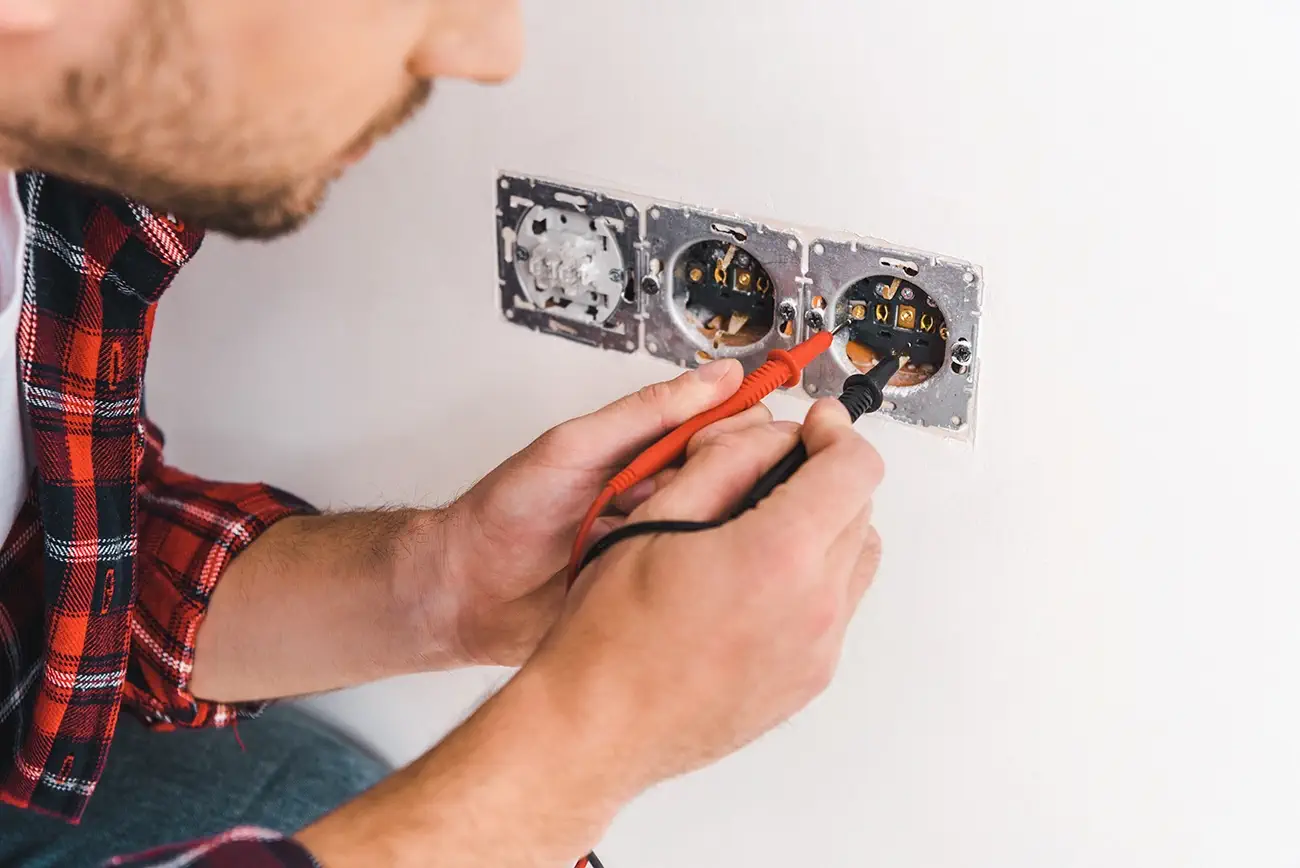
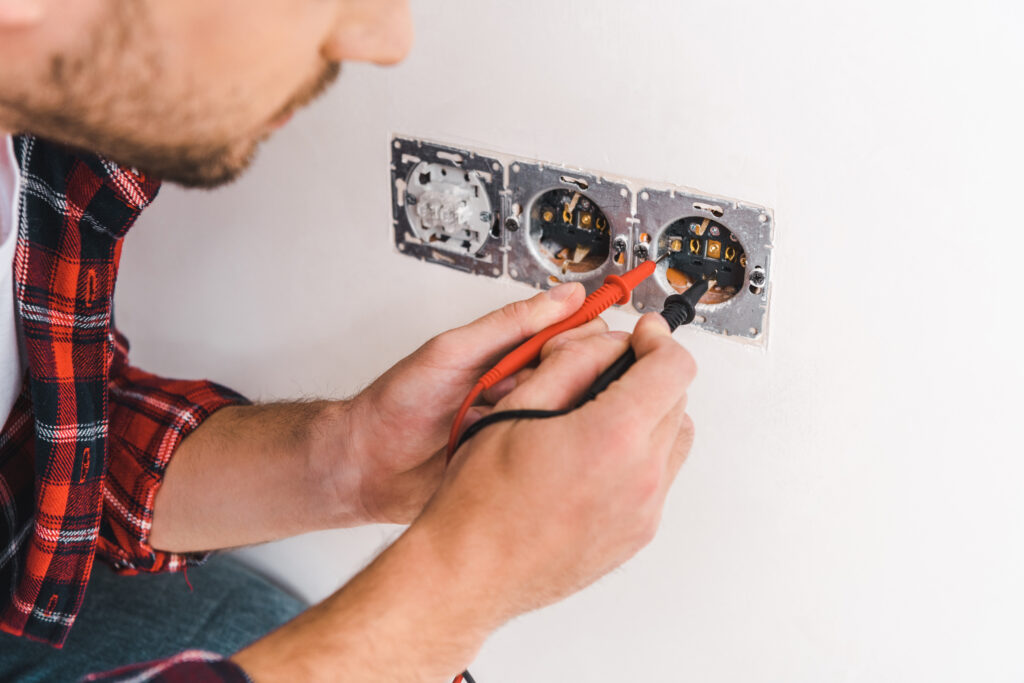
Next, they’ll examine visible wiring, check grounding connections, and test outlets for proper voltage. Using professional tools, they’ll verify circuit load and breaker performance.
Step 3: Safety Device Check
Your GFCIs (in kitchens, bathrooms, and outdoors) and AFCIs (in bedrooms and living spaces) are tested to ensure they’re providing proper shock protection.
Step 4: Panel Evaluation
The service panel is opened to inspect for loose wires, burnt marks, corrosion, or outdated breakers. Older homes in Gwinnett County may still have panels that don’t meet today’s electrical load demands.
Step 5: Full Report & Recommendations
Finally, you’ll receive a detailed summary — what’s working, what’s borderline, and what’s unsafe. If repairs are needed, you’ll get flat-rate pricing upfront, no hidden fees or surprise charges.
4. Why Electrical Inspections Are Critical for Safety
Electrical issues are silent threats. The NFPA reports that electrical malfunctions cause more than 45,000 home fires annually in the U.S., with billions in property damage.
Some of the most common risks found during Atlanta inspections include:
- Overloaded circuits: Common in older homes running modern appliances.
- Improper grounding: A hazard in humid climates where corrosion can disrupt grounding paths.
- Outdated wiring: Knob-and-tube or aluminum wiring can’t handle modern current safely.
- Faulty breakers: Old or damaged panels that fail to trip during surges.
A full inspection ensures your home is up to code — and most importantly, safe for your family.
5. The Cost of an Electrical Inspection in Atlanta
Many Atlanta homeowners worry about cost, but a professional inspection is one of the most affordable forms of home maintenance you can schedule.
At Radiant Electric ATL, inspections and troubleshooting start at $149 flat-rate for residential customers — no hourly surprises.
That small investment often prevents major expenses later, such as:
- Rewiring a home: $3,000–$10,000
- Breaker panel replacement: $1,500–$3,000
- Fire damage restoration: $20,000+
For context, Bob Vila’s home improvement guide lists the national average for inspections between $150–$300, meaning Radiant Electric ATL’s rate is among the most competitive in Georgia.
6. Common Issues Found in Atlanta Homes
Atlanta’s mix of humid summers, lightning storms, and aging infrastructure makes electrical wear a real concern. Here are a few problems local homeowners often face:
- Corroded outdoor wiring due to humidity and pests.
- Underground cable degradation in suburban communities.
- Improperly installed generators or EV chargers.
- Overloaded circuits in remodeled kitchens or basements.
- Loose neutral wires that cause flickering lights or shock risks.
If you’ve experienced any of these, contact our residential electrical team to inspect your wiring before minor issues escalate.
7. How Electrical Inspections Boost Energy Efficiency
Inspections aren’t just about safety — they’re about saving money.
An electrician can identify energy drains like:
- Old halogen lighting (switch to LED for instant savings)
- Inefficient appliances overloading circuits
- Poor grounding increasing energy loss
Upgrading to modern electrical standards improves performance and efficiency. According to the U.S. Department of Energy, energy-efficient homes can cut electricity costs by 20–30% annually.
Radiant Electric ATL often recommends pairing inspections with a surge protection installation or LED lighting upgrades to optimize long-term savings.
8. What Makes Radiant Electric ATL Different
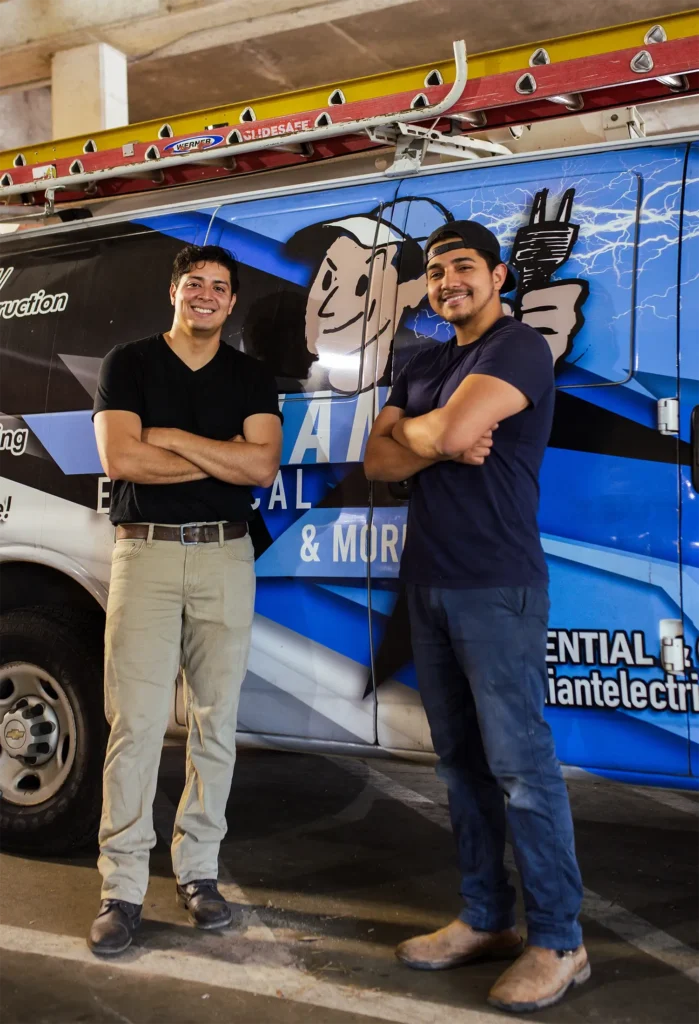
Radiant Electric ATL isn’t a “show up and upsell” company. We believe in transparency, dependability, and affordability — the three pillars that keep our clients coming back year after year.
Here’s what sets us apart:
- Flat-Rate Pricing: Know your costs upfront before work begins.
- Licensed, Insured Electricians: Every technician is certified in Georgia.
- Local Expertise: Based in Gwinnett County, serving Metro Atlanta with same-day appointments.
- Residential Specialists: We focus on homes, not just commercial jobs.
- Satisfaction Guaranteed: We don’t leave until your system is safe and fully functional.
Our goal is simple: make your home’s electrical system safe, modern, and worry-free — without breaking your budget.
9. FAQs About Electrical Inspections in Atlanta
Q1: How long does a typical inspection take?
Most standard inspections take 1–2 hours, depending on the size of your home and number of circuits.
Q2: Do I need to be home during the inspection?
Yes, it’s best to be present to discuss findings or access areas like breaker boxes, attics, or crawl spaces.
Q3: What if my home fails inspection?
Don’t panic — most issues can be corrected affordably. You’ll receive a detailed breakdown of what’s unsafe and what’s optional.
Q4: Can I combine an inspection with other services?
Absolutely. Many Atlanta homeowners book an inspection + surge protection installation or panel upgrade during the same visit to save time and labor costs.
Q5: How can I schedule a professional inspection?
You can call or text 678-878-0487, or email info@radiantelectricatl.com to request a same-day appointment.
10. Protect Your Home, Protect Your Peace of Mind
Electrical systems aren’t something you can afford to guess on. Every loose wire, outdated panel, or overloaded circuit is a potential hazard — one that could be prevented with a simple inspection.
If you’re a homeowner in Gwinnett County or Metro Atlanta, don’t wait for flickering lights or tripped breakers to signal trouble. Let Radiant Electric ATL provide the peace of mind you deserve.
Call or text 678-878-0487 today to schedule your flat-rate $149 inspection (FOR LIMITED TIME) and ensure your home is safe, efficient, and ready for whatever Georgia weather throws your way.