Smart Outdoor Lighting Ideas That Actually Save Money (Plus Installation Tips for Gwinnett County Homes)
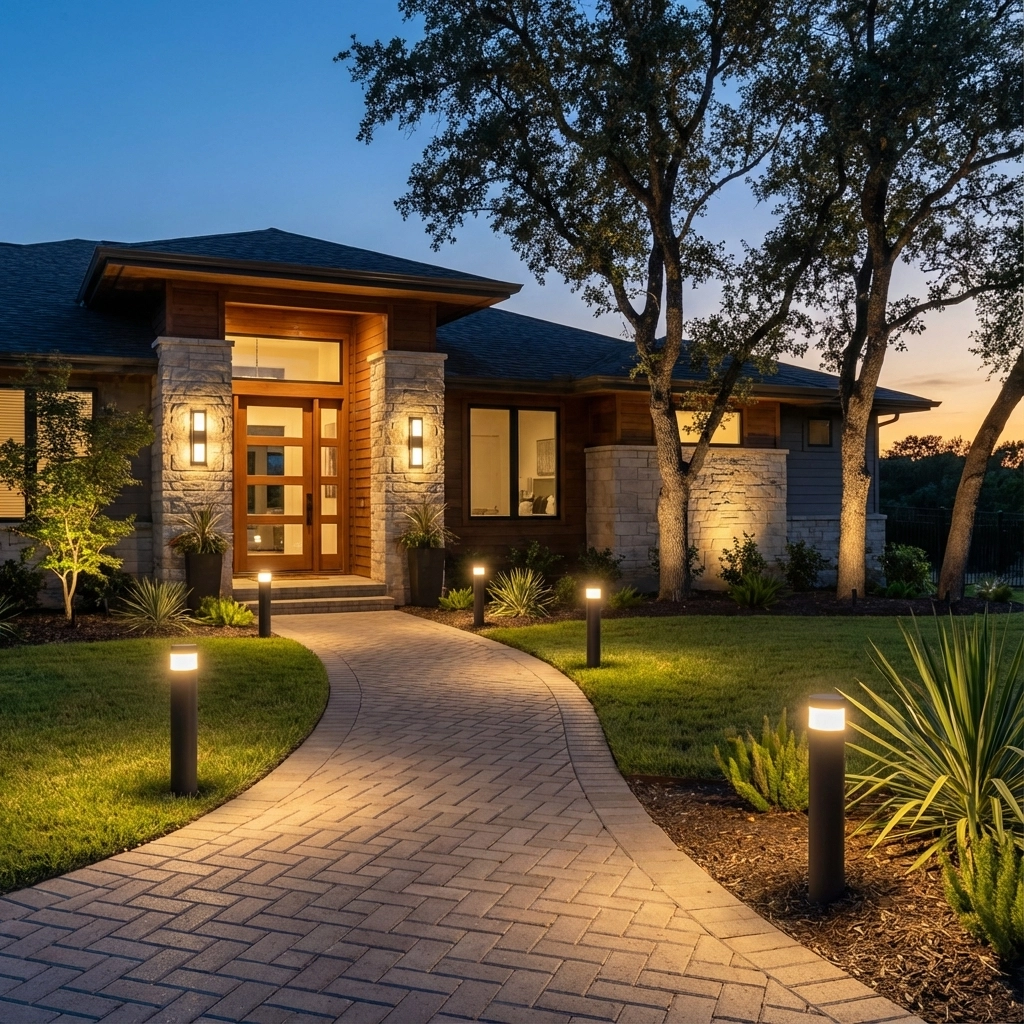 Most homeowners think outdoor lighting means choosing between a beautiful yard and an affordable electric bill. That's not true anymore. Smart outdoor lighting technology has completely changed the game, letting you create stunning curb appeal while cutting your energy costs by up to 80%. This isn't about scaring anyone with high electric bills – it's about showing you exactly how modern lighting solutions can transform your outdoor spaces while keeping more money in your pocket.
If you're living in Gwinnett County and watching your neighbors upgrade their outdoor lighting, you're probably wondering if it's worth the investment. The short answer? Absolutely, when you choose the right systems and install them properly.
Why Smart Outdoor Lighting Actually Saves Money
Here's what really happens when you switch from traditional outdoor lighting to smart LED systems: your monthly electric bill drops significantly. Traditional incandescent and halogen outdoor lights are energy vampires, constantly drawing power even when you don't need full brightness. Smart LED outdoor lights combined with intelligent controls can reduce your energy usage by 70-80% compared to older lighting systems.
Let's break this down with real numbers. A typical 60-watt incandescent bulb running 6 hours per night costs about $15 per year to operate. An equivalent LED smart bulb uses just 9 watts and costs around $2.50 per year. Multiply that across 10-15 outdoor fixtures, and you're looking at savings of $125-190 annually on electricity alone.
But the real money-saver comes from smart controls. Motion sensors, timers, and app-based scheduling mean your lights only run when you actually need them. Instead of burning bright all night long, your pathway lights can dim to 20% after midnight or your security floods can activate only when motion is detected.
The Best Money-Saving Smart Outdoor Lighting Ideas
Pathway and Driveway Lighting That Pays for Itself
Smart pathway lights with adjustable brightness settings solve two problems at once: they provide safe navigation after dark and automatically adjust their output based on ambient light conditions. The best systems use low-voltage LED technology, which operates at 12-24 volts instead of standard 120-volt systems. This dramatically reduces energy consumption and makes installation safer for DIY projects.
Here's what makes them smart: these lights can detect when natural light fades and gradually increase brightness as needed. During late evening hours when you're likely to be walking outside, they run at full brightness. After midnight, they automatically dim to 10-20% output, providing just enough light for safety while using minimal electricity.
Security Lighting That Only Works When You Need It
Motion-activated flood lights are the ultimate money-saving security solution. Traditional security lights stay on all night, burning through electricity whether anyone's around or not. Smart motion floods with adjustable sensitivity settings only activate when they detect movement, running for preset time periods before automatically shutting off.
The key is choosing fixtures with dual-mode capability: they can provide low-level ambient lighting (using just 2-3 watts) continuously, then boost to full brightness when motion is detected. This approach gives you year-round security without the constant energy drain of traditional floods.
Landscape Accent Lighting With Scheduling
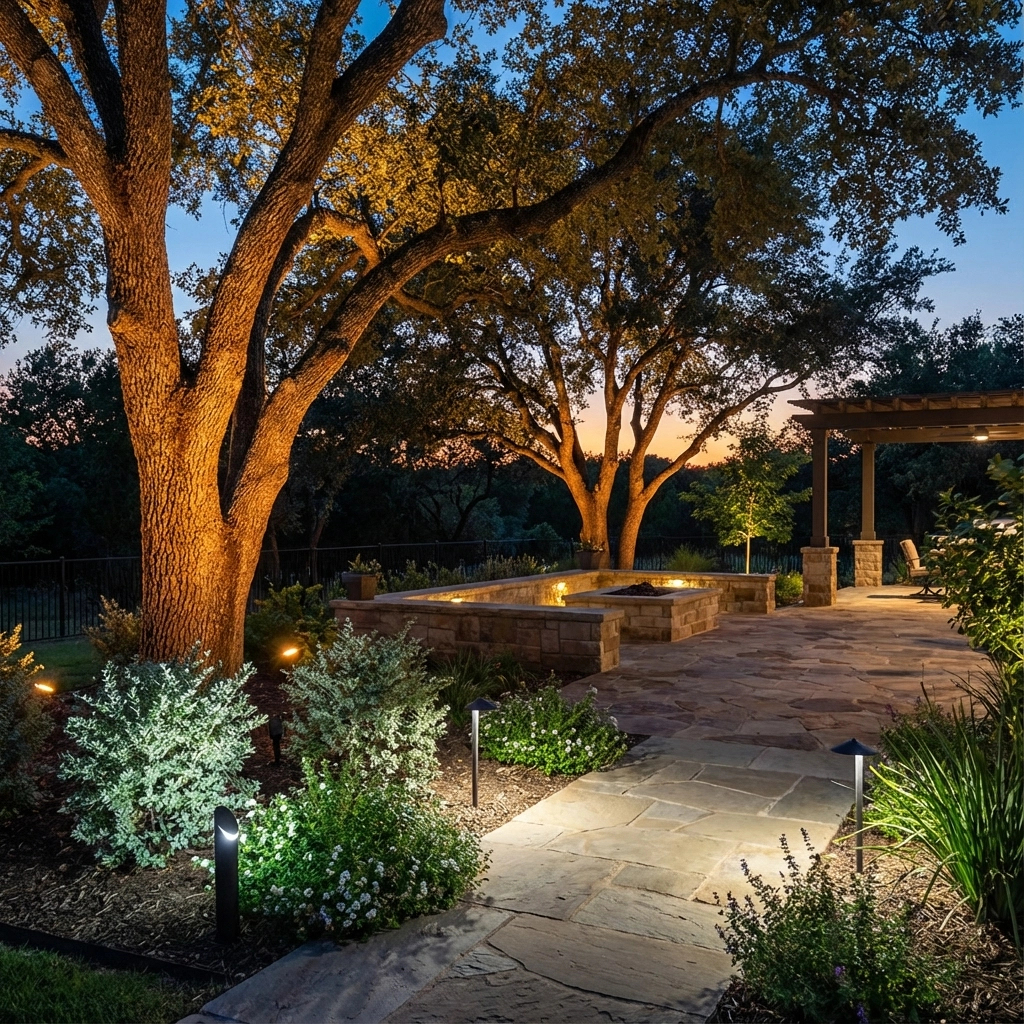
Smart landscape spotlights let you highlight your favorite trees, shrubs, or architectural features without running lights unnecessarily. The money-saving secret is programmable scheduling – you can set different lighting scenes for different times and occasions.
For example, your landscape lights might run at 50% brightness from sunset until 10 PM for everyday ambiance, then shut off completely until 6 AM when they provide a gentle wake-up glow before sunrise. During holidays or special occasions, you can activate full-color displays through your smartphone app, then return to energy-efficient daily schedules automatically.
Smart Controls That Maximize Your Savings
Most people think smart lighting just means controlling lights with your phone. That's only the beginning. The real money-saving features come from automation and intelligent scheduling that eliminates human error and forgetfulness.
Astronomical Timers
These controls automatically adjust on/off times based on actual sunrise and sunset in your specific location. Instead of running lights during daylight hours because someone forgot to turn them off, astronomical timers ensure your outdoor lighting operates only during actual dark hours. In Gwinnett County, this means your lights automatically adjust for seasonal changes without any manual programming.
Dimming and Brightness Scheduling
Smart dimming capabilities can reduce energy consumption by 60-90% during low-traffic hours. Your front entrance lights might run at full brightness from 6-11 PM when family members are coming and going, then automatically dim to 25% overnight for security purposes. This provides continuous lighting while using a fraction of the electricity.
Zone-Based Control
Instead of controlling all outdoor lights as one system, smart zone control lets you manage different areas independently. Your backyard entertaining lights can shut off completely after 10 PM, while front yard security lighting continues operating all night. This prevents unnecessary electricity usage in areas where lighting isn't needed.
Installation Tips That Save You Money Long-Term
Start With Low-Voltage Systems
Low-voltage LED outdoor lighting systems are perfect for Gwinnett County homes because they're safer to install, less expensive to operate, and more adaptable to different landscape designs. These systems run on 12-volt transformers, which means you can often handle installation yourself without hiring an electrician for every fixture placement.
The money-saving advantage of low-voltage systems becomes clear over time: they use less electricity, generate less heat (reducing cooling costs near your home), and typically last 15-20 years with minimal maintenance.
Plan Your Lighting Zones Strategically
Before installing any fixtures, map out your property's lighting zones based on actual usage patterns. Your front walkway needs consistent lighting for safety. Your backyard patio only needs lighting when you're entertaining. Your landscape accent features might only require lighting during evening hours when you're likely to appreciate them.
This planning prevents over-lighting, which is the biggest money-waster in outdoor lighting projects. Many homeowners install beautiful lighting systems, then discover they're running lights in areas they rarely use after dark.
Weather-Resistant Installation for Georgia Climate
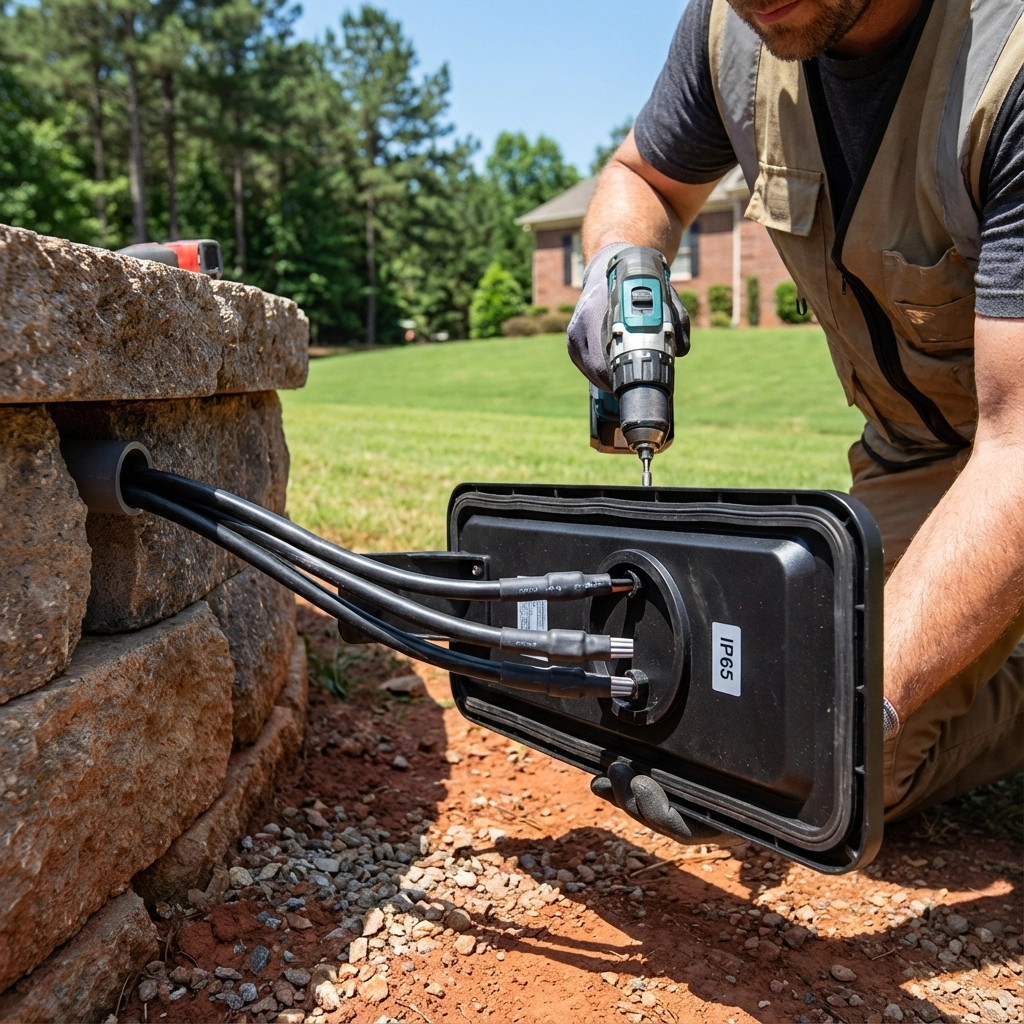
Gwinnett County's climate presents specific challenges for outdoor lighting: hot, humid summers and occasional winter weather. Choosing fixtures with proper IP65 or IP66 weather ratings ensures your investment lasts through seasonal changes without requiring expensive replacements.
Proper installation also means protecting wire connections from moisture infiltration, which can cause shorts and increase electrical consumption. Use waterproof wire nuts and burial-rated cable to prevent connection problems that waste electricity and create safety hazards.
Integration With Existing Smart Home Systems
If you already have smart home controls like Amazon Alexa, Google Home, or Apple HomeKit, choose outdoor lighting that integrates seamlessly with your existing setup. This integration prevents the need for multiple control apps and allows you to create comprehensive automation routines.
For example, your outdoor lights can automatically turn on when your smart lock detects you arriving home after sunset, then turn off when your indoor lights activate in the morning. This level of automation eliminates manual control and ensures lights only run when actually needed.
Professional vs. DIY Installation: Making the Smart Choice
Most low-voltage smart outdoor lighting systems are designed for DIY installation, but knowing when to call professionals can save you money in the long run. Simple pathway lighting, single spotlight installations, and string light projects are typically manageable for homeowners with basic electrical knowledge.
However, complex installations involving multiple zones, integration with existing landscape lighting transformers, or connections to your home's main electrical panel should involve licensed electricians. Poor electrical connections waste energy through resistance heating and can create safety hazards that cost far more than professional installation fees.
When working with electricians in Gwinnett County, look for professionals experienced with smart lighting systems who understand both the technology and local electrical codes. They can ensure your installation maximizes energy efficiency while meeting safety requirements.
Getting Started: Your Money-Saving Action Plan
The most cost-effective approach to smart outdoor lighting is starting with high-impact areas and expanding gradually. Begin with front entrance lighting and primary walkways – areas where you need consistent lighting for safety and security. These installations provide immediate energy savings and help you learn how smart controls work before tackling more complex landscape lighting projects.
Focus on fixtures with proven energy efficiency ratings and smart controls that match your actual usage patterns. The goal isn't to install the most lights possible – it's to install the right lights in the right places with controls that eliminate unnecessary energy consumption.
Smart outdoor lighting represents one of the best investments you can make in your Gwinnett County home's efficiency and curb appeal, with properly planned systems paying for themselves through energy savings while providing years of reliable, beautiful illumination.
Ready to Light Up Your Outdoors? Radiant Electric Can Help
Turn your ideas into a safe, efficient lighting plan with a friendly pro on your side. Schedule an outdoor lighting installation or a quick consult — we make it easy.
- Free, no-obligation estimates
- Licensed, insured electricians who follow the National Electrical Code
- Upfront, transparent pricing and workmanship warranties
- Same-day service for small repairs
- Serving Gwinnett County and Metro Atlanta: Decatur, Marietta, Smyrna, Sandy Springs, and nearby communities
Book your consult or installation at https://radiantelectricatl.com/. We'll help you design smart controls and low-voltage lighting that look great, save energy, and fit your budget.