
Residential Electrical Code Requirements: Building a New Home in Atlanta
Building a new home in Atlanta? You're probably focused on floor plans, finishes, and that perfect kitchen layout. But here's something equally important that deserves your attention: electrical code requirements. This isn't about scaring anyone – it's about making sure your dream home is safe, functional, and built right the first time.
Atlanta follows the 2023 National Electrical Code (NEC), which Georgia officially adopted on January 1, 2025. Think of this as the rulebook that governs every outlet, switch, and wire in your new home. Recent updates have changed several requirements, so even if you've built before, some rules might surprise you.
What's New with the 2023 Code
The biggest change? Georgia's adoption of the 2023 NEC brings stricter safety standards but also some welcome relief in certain areas. As of August 2025, several amendments have fine-tuned these requirements based on real-world application.
Here's what that really means: the code now better balances safety with practicality. Some requirements that created unnecessary complications have been streamlined, while critical safety protections have been strengthened.
GFCI Protection: Where You Need It (And Where You Don't)
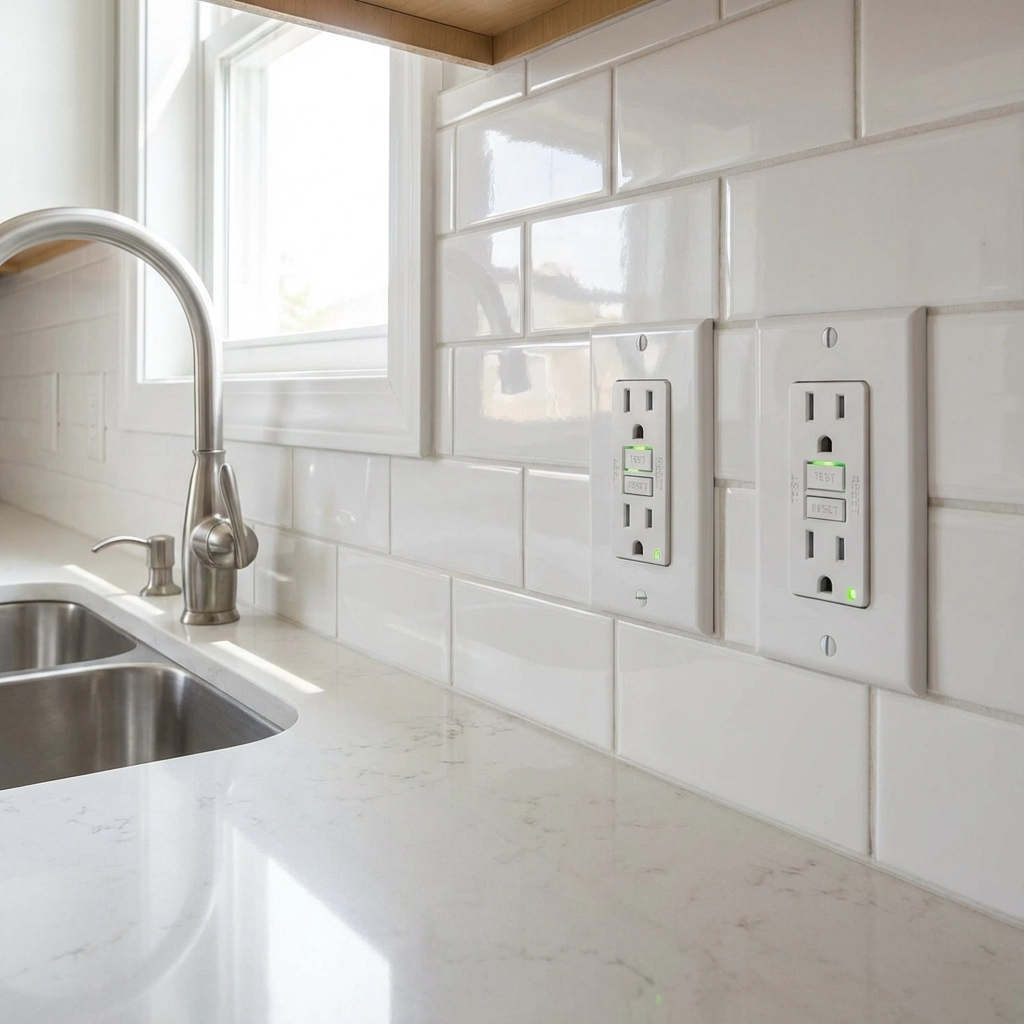
Ground-Fault Circuit-Interrupters – or GFCIs – are those outlets with the test and reset buttons. They shut off power instantly if they detect electrical current going where it shouldn't (like through you). Most people think they're just for bathrooms, but the requirements are much broader.
You need GFCI protection for all 125-volt through 250-volt receptacles in these locations:
Wet and potentially wet areas:
- Every single outlet in bathrooms (the entire bathroom, not just near the sink)
- Kitchen countertop outlets and appliances
- Any outlet within 6 feet of a sink edge
- Laundry rooms (regardless of what you call the room)
- Any indoor damp or wet location
Outdoor and garage areas:
- All outdoor outlets rated 150 volts or less, 50 amps or less
- Every outlet in garages and accessory buildings (no exceptions)
- Pool houses and boathouses
- Near bathtubs and shower areas
Here's the relief: As of August 2025, you no longer need GFCI protection for electric ranges, wall-mounted ovens, counter-mounted cooking units, clothes dryers, and microwave ovens. This eliminates the nuisance tripping that frustrated homeowners when these large appliances were on GFCI circuits.
AFCI Requirements: A Major Simplification
Arc-Fault Circuit-Interrupters detect dangerous electrical arcing that can cause fires. The good news? Recent amendments eliminated AFCI requirements for kitchens and laundry areas as of August 2025.
This change addresses a major pain point for homeowners. AFCIs in these areas often created false trips when small appliances like blenders or coffee makers started up. The code now focuses AFCI protection on areas where it provides the most benefit without daily inconvenience.
For other areas of your home, consult with your electrician about current AFCI placement requirements, as local jurisdictions may have specific interpretations.
Circuit Requirements: Getting the Basics Right
Think of electrical circuits like dedicated highways for power. Just as you wouldn't want all traffic funneled onto one lane, you don't want all your electrical needs on one circuit. Here's what Atlanta requires:
Kitchen and Dining Areas:
Your kitchen needs at least two dedicated 20-amp, 120-volt circuits just for small appliances. These serve the kitchen, dining room, breakfast area, and pantry. Why two? Because when you're running the microwave, coffee maker, and toaster simultaneously on Thanksgiving morning, you need the electrical capacity to handle it.
Bathrooms:
Every bathroom gets its own dedicated 20-amp, 120-volt circuit for outlets. This circuit can't power anything else – not lights, not exhaust fans, nothing. This prevents your hair dryer from tripping the circuit that controls your bathroom lighting.
Laundry Room:
Like bathrooms, laundry areas need their own dedicated 20-amp, 120-volt circuit for receptacles. Modern washers and dryers, especially energy-efficient models, can draw significant power during certain cycles.
Kitchen Islands and Peninsulas: A Welcome Change
Here's a practical update that makes life easier: you can now install receptacles on the sides of kitchen islands or peninsulas. Previously, codes required those pop-up countertop outlets that many homeowners found awkward and prone to damage.
This change means cleaner countertop lines and more flexible kitchen designs while maintaining convenient access to power where you need it.
Surge Protection: Whole-House vs. Point-of-Use
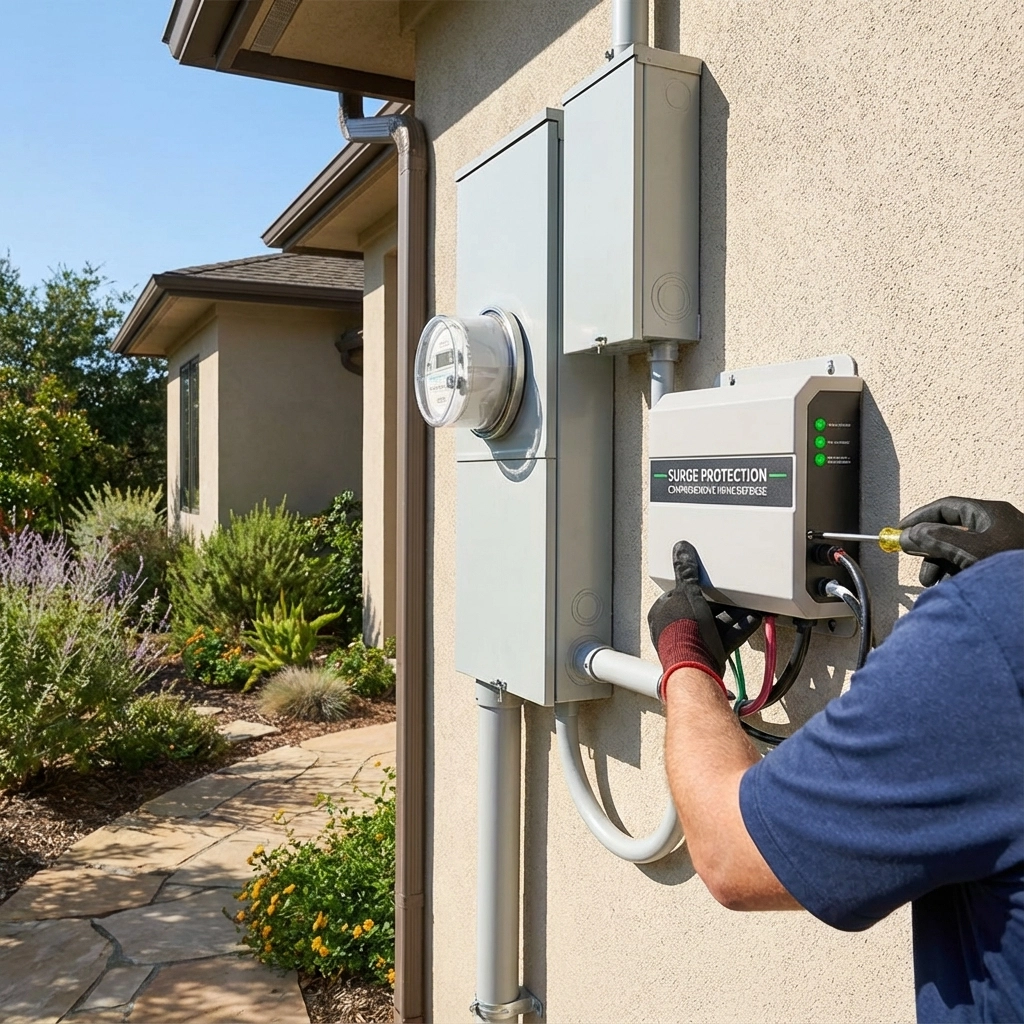
Surge protection has become crucial as homes fill with sensitive electronics. The code requires surge-protective devices for certain applications, particularly in multi-family dwellings like townhomes and apartments.
However, one- and two-family homes are exempt from mandates for whole-house surge protection devices as of the August 2025 amendments. This doesn't mean surge protection isn't valuable – it just means you're not legally required to install it.
Here's what that really means: while not required, whole-house surge protection is still smart. Today's homes contain thousands of dollars in electronics, from smart home systems to high-end appliances. A quality surge protection system pays for itself by preventing one major surge event.

Grounding: The Foundation of Electrical Safety
Proper grounding creates a safe path for electrical current if something goes wrong. The code emphasizes concrete-encased grounding electrodes requiring at least 20 feet of connection.
Most people think grounding is just about safety during faults, but it's also crucial for proper operation of sensitive electronics. Poor grounding can cause everything from LED light flickering to smart home device malfunctions.
Solar Integration: Planning for the Future
If you're considering solar panels now or in the future, plan accordingly. The maximum DC circuit voltage for residential solar systems cannot exceed 600 volts. This affects system design and equipment selection.
Even if you're not installing solar immediately, having your electrical panel and main service sized appropriately makes future installation much easier and less expensive.
Working with Professionals: Permits and Inspections
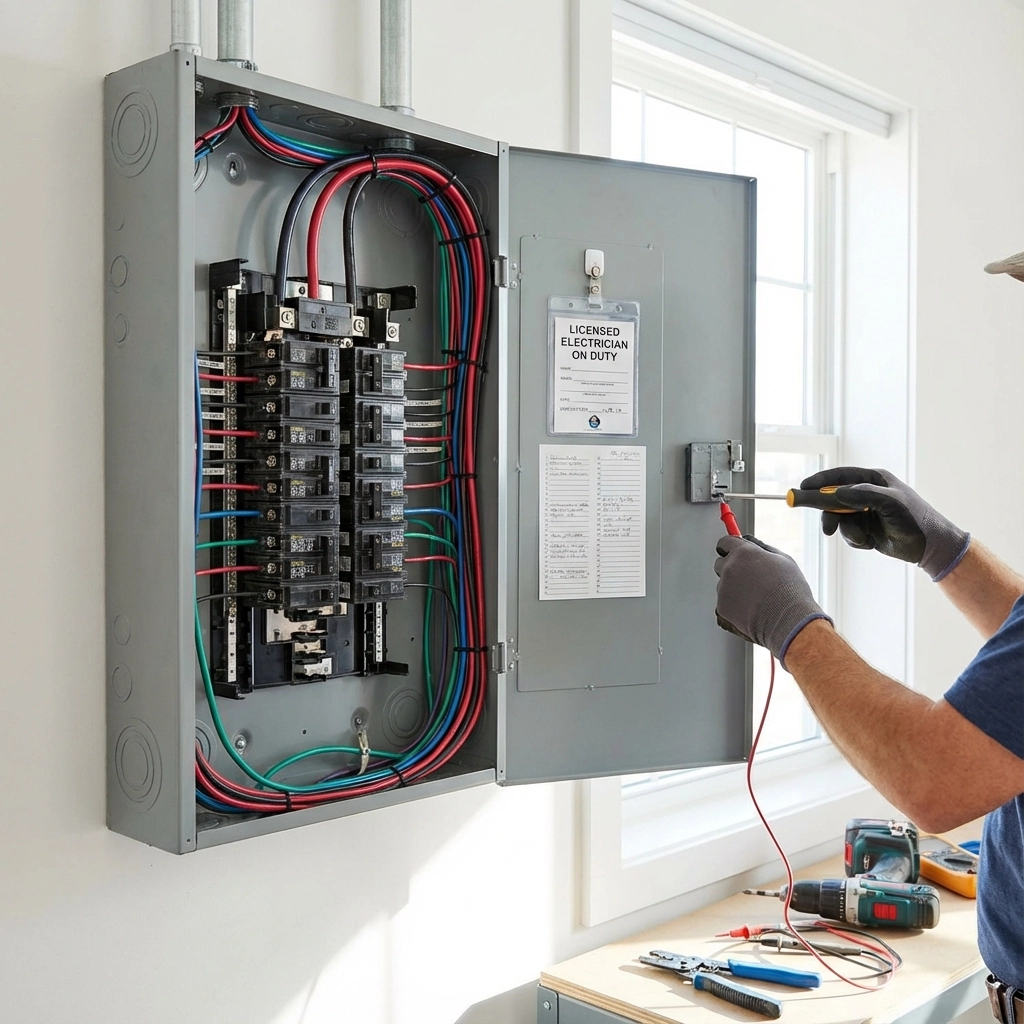
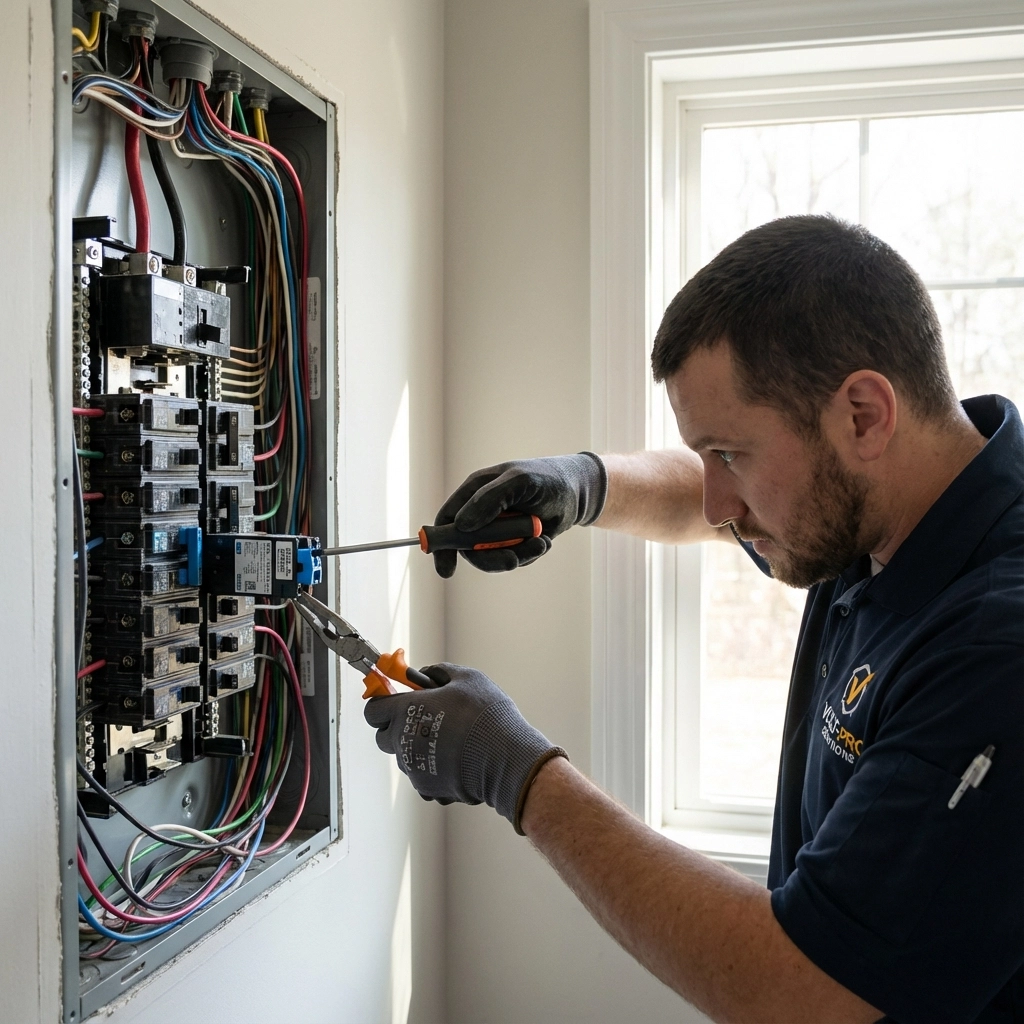
Here's something homeowners often overlook: all electrical work requires permits from local authorities and must be performed by licensed electricians. This isn't bureaucratic red tape – it's your protection.
Licensed electricians understand local code interpretations and inspection requirements. They know which areas have specific amendments or additional requirements beyond the base NEC.
Keep comprehensive documentation of all electrical work, including permits and inspection reports. This documentation proves compliance and becomes valuable if you ever sell your home or need insurance claims.
The Bottom Line
Building a new home in Atlanta means navigating the 2023 NEC with its recent amendments. The good news? Many changes have simplified requirements while maintaining critical safety protections. The key is working with qualified professionals who understand both the letter of the code and its practical application.
Your electrical system is the nervous system of your home. Getting it right from the beginning ensures safety, functionality, and flexibility for future needs. Whether you're building a starter home or your forever home, proper electrical planning sets the foundation for everything else.
At Radiant Electric, we've helped hundreds of Atlanta-area homeowners navigate new construction electrical requirements. Our licensed electricians stay current with code changes and local interpretations, ensuring your new home meets all requirements while maximizing functionality and value.
Ready to ensure your new home's electrical system is built right? Contact Radiant Electric today for expert guidance on residential electrical code compliance and installation. We'll help you create the safe, modern electrical infrastructure your new home deserves.