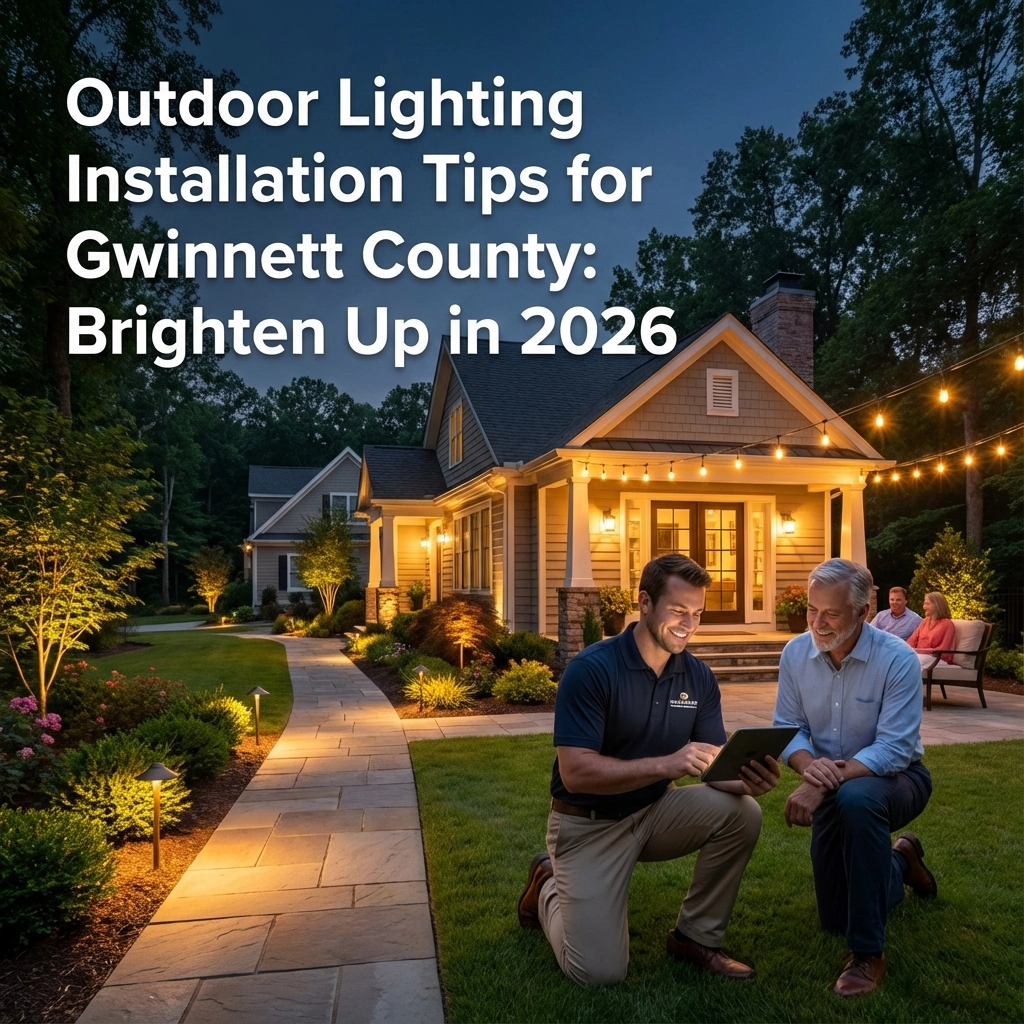
Outdoor Lighting Installation Tips for Gwinnett County: Brighten Up in 2026
You're standing in your dark driveway after a long day, fumbling with keys while wondering if that shadow by the garage is just landscaping or something else entirely. Sound familiar? Quality outdoor lighting transforms these moments from stressful to seamless: and in Gwinnett County, there's never been a better time to upgrade your home's exterior lighting system.
This isn't about scaring anyone into expensive installations. Smart outdoor lighting serves multiple purposes: enhancing safety, boosting curb appeal, increasing property value, and reducing energy costs when done right. Here's everything Gwinnett County homeowners need to know about planning, installing, and maintaining outdoor lighting that works beautifully year-round.
Understanding Gwinnett County's Lighting Requirements
Before diving into design ideas, understand that Gwinnett County follows Georgia State Minimum Standard Energy Code regulations for exterior lighting installations. These aren't bureaucratic obstacles: they're efficiency standards that actually save you money long-term.
Energy Efficiency Mandates
Any exterior lighting fixture operating above 100 watts must contain lamps producing at least 60 lumens per watt. Here's what that really means: older incandescent floodlights typically produce around 15-20 lumens per watt, while modern LED fixtures easily exceed 100 lumens per watt. Switching to compliant fixtures often cuts energy consumption by 70-80%.
Automatic Control Requirements
Your lighting system must include either time-scheduling controls or photosensor devices. Most people think this complicates installation, but these controls actually prevent lights from running unnecessarily during daylight hours or when you're away for extended periods.
For larger projects requiring permits, licensed professionals must submit detailed construction drawings and energy compliance reports. Contact Gwinnett County Building Plan Review at (678) 518-6000 for specific project guidance.
Strategic Lighting Placement: The Foundation of Great Design
Pathway and Walkway Lighting
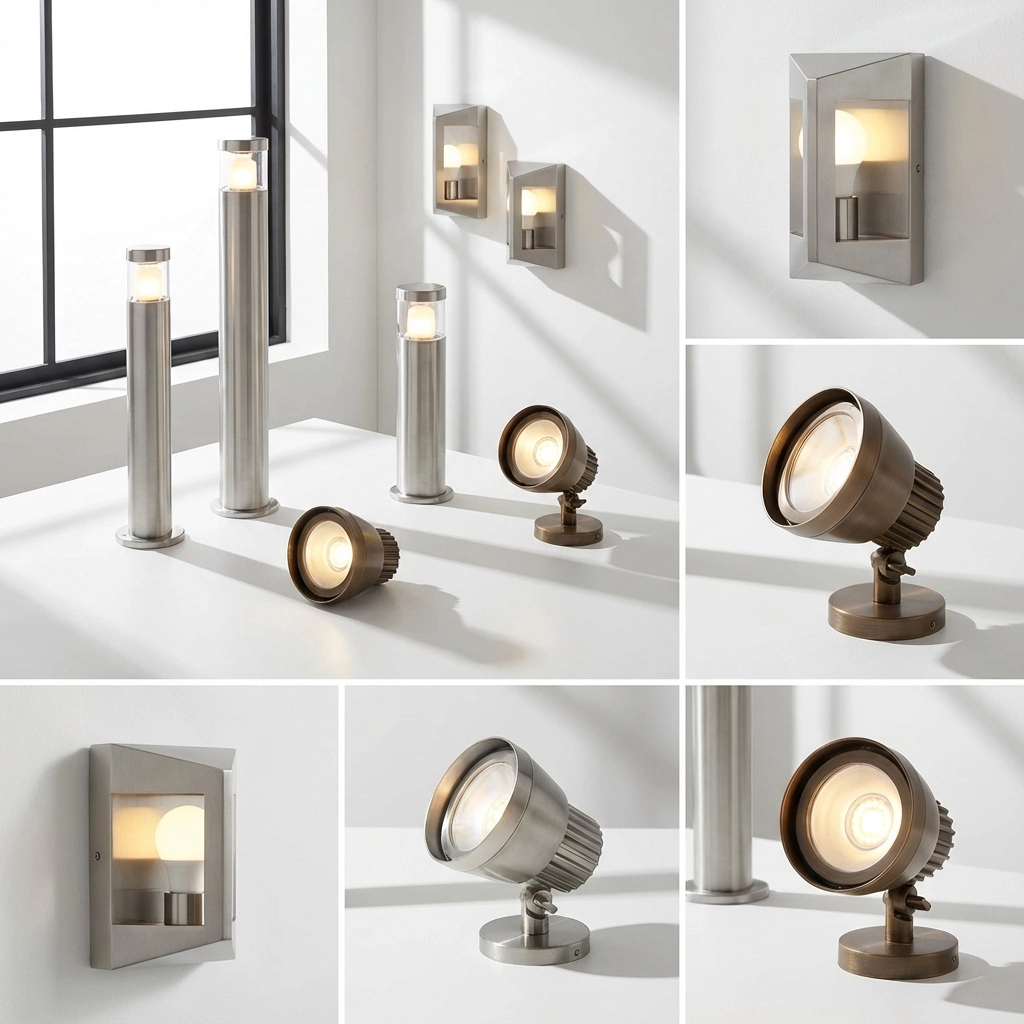
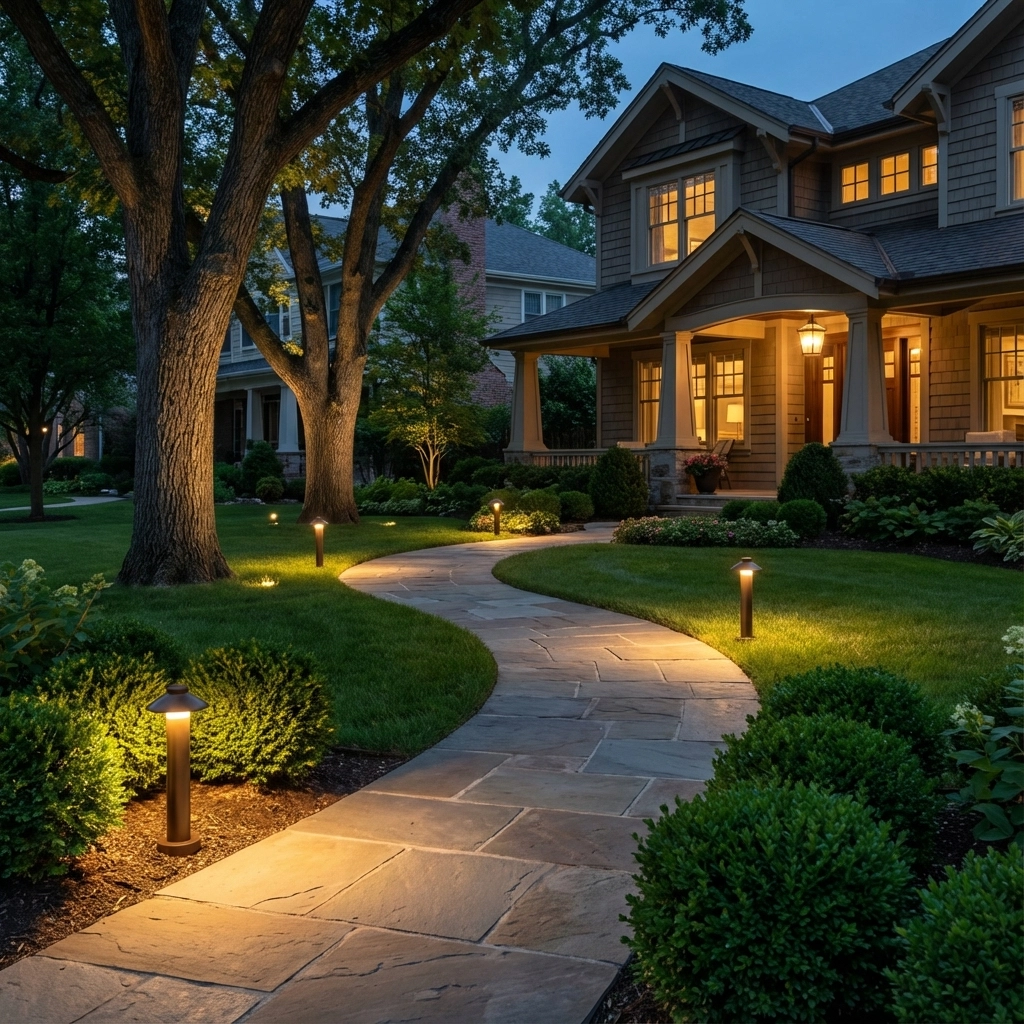
Start with safety basics. Illuminate every step, turn, and level change along walkways leading to your home. Space pathway fixtures 6-8 feet apart for continuous visibility without creating harsh shadows. Low-voltage LED path lights typically draw just 3-5 watts each while providing adequate illumination.
Entry and Porch Lighting
Your front entrance sets the tone for your entire home's lighting scheme. Install fixtures on either side of the front door, positioned 66-72 inches from the ground. Choose fixtures that provide even downward light distribution without creating glare for visitors.
Security and Safety Zones
Focus bright, motion-activated lighting on vulnerable areas: side gates, basement entrances, garage doors, and dark corners around your property. Modern motion sensors detect movement up to 30 feet away and can distinguish between small animals and potential security concerns.
Landscape and Accent Lighting
Up-lighting highlights architectural features and mature trees, while well-placed spotlights showcase landscaping investments. Position fixtures to eliminate shadows on walking surfaces while creating visual depth and interest.
Energy-Saving Technology That Actually Works
LED Conversion Benefits
LED fixtures consume 75% less energy than traditional incandescent options while lasting 25 times longer. For a typical Gwinnett County home with 15 exterior fixtures, switching to LED technology reduces annual lighting costs from roughly $180 to $45.
Smart Controls and Timers
Photocell sensors automatically turn lights on at dusk and off at dawn, eliminating the guesswork of manual switching. Smart switches allow remote control via smartphone apps, enabling you to adjust lighting schedules from anywhere.
Solar-Powered Options
High-quality solar path lights and accent fixtures work effectively in Georgia's climate, requiring no electrical connections. Modern solar panels charge efficiently even during overcast conditions, providing 8-10 hours of illumination per charge.
Low-Voltage vs. Line-Voltage Systems
Low-Voltage Advantages
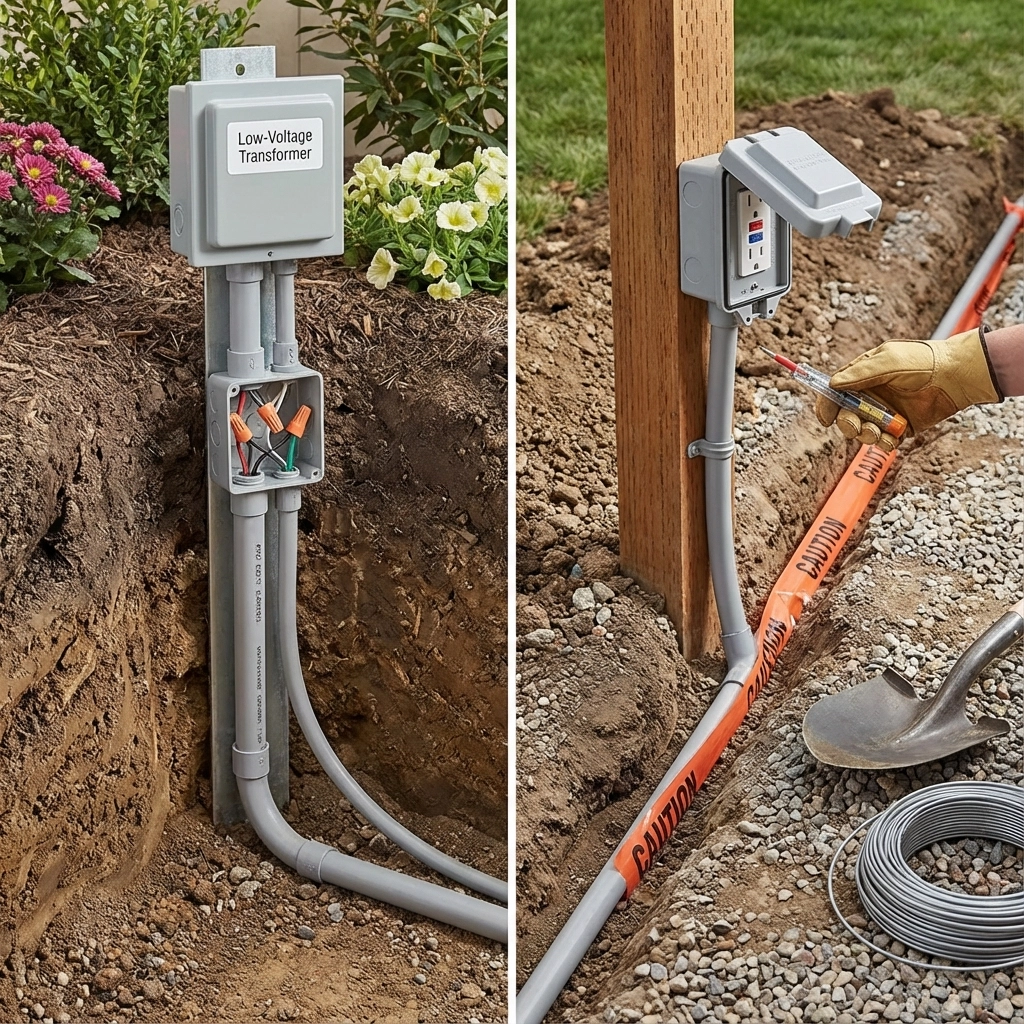
Most residential landscape lighting operates on 12-volt systems, stepped down from household current through transformers. Low-voltage installation is safer for DIY projects, costs less to operate, and provides more placement flexibility since you're not limited by electrical outlet locations.
When Line-Voltage Makes Sense
Security floodlights, large area illumination, and high-output fixtures often require 120-volt connections. These installations need professional electrical work but provide powerful illumination for driveways, large patios, and commercial-grade security applications.
Transformer Sizing Guidelines
Calculate total wattage needs and add 20% capacity for future expansion. A 300-watt transformer handles roughly 25-30 low-voltage LED fixtures, providing room for seasonal additions or landscape changes.
DIY Installation Tips and Safety Guidelines
Planning Your Circuit Layout
Map fixture locations before purchasing materials. Group lights logically: pathway circuits separate from security lighting, decorative fixtures on dedicated circuits. This approach simplifies troubleshooting and allows independent control of different lighting zones.
Proper Wire Sizing
Use 12-gauge wire for runs up to 100 feet, 10-gauge for longer distances. Undersized wiring creates voltage drops that dim fixtures and reduce lifespan. Bury cables 6-8 inches deep with proper conduit protection where required.
Weatherproofing Connections
Outdoor electrical connections fail due to moisture infiltration. Use waterproof wire nuts, seal all junction boxes with electrical compound, and ensure ground-fault circuit interrupter (GFCI) protection on all outdoor circuits.

Common Installation Mistakes to Avoid
Overlighting Syndrome
More isn't always better. Excessive lighting creates glare, wastes energy, and actually reduces security effectiveness by creating harsh shadows. Start with essential safety lighting, then add accent fixtures gradually.
Ignoring Light Pollution
Position fixtures to illuminate your property without spilling light onto neighbors' windows or creating sky glow. Use shielded fixtures that direct light downward, and consider warm-color LEDs (3000K) that minimize blue light emission.
Inadequate Electrical Planning
Running extension cords for permanent lighting installations creates safety hazards and code violations. Plan proper electrical circuits from the beginning, including GFCI protection and appropriate circuit capacity for planned loads.
Seasonal Considerations for Metro Atlanta
Summer Optimization
Georgia's intense summer heat affects fixture performance and longevity. Choose fixtures with adequate ventilation and heat dissipation. LED technology excels here since it operates efficiently in high temperatures and doesn't add heat to surrounding areas.
Winter Preparation
Freezing temperatures rarely damage quality outdoor lighting, but ice storms can damage exposed fixtures. Install motion sensors in protected locations and ensure drainage around fixture bases to prevent ice accumulation.
Storm Resilience
Gwinnett County experiences severe weather annually. Secure fixtures to prevent wind damage, use underground wiring where possible, and consider smart switches that allow remote control during outages when backup power is available.
Professional Installation: When to Call Radiant Electric
Code Compliance Projects
Larger installations requiring permits, line-voltage connections, or integration with existing electrical systems benefit from professional installation. Licensed electricians understand local code requirements and ensure proper GFCI protection, grounding, and circuit sizing.
Complex Control Systems
Smart home integration, multi-zone control systems, and architectural lighting designs require expertise in both electrical work and lighting design principles. Professional installation ensures optimal performance and warranty compliance.
Safety-Critical Applications
Security lighting, emergency egress illumination, and high-voltage fixtures require professional installation to meet safety standards and insurance requirements.
Maintenance and Troubleshooting
Seasonal Inspection Checklist
Clean fixture lenses quarterly to maintain light output. Check connections annually for corrosion or loose wires. Replace burned-out bulbs immediately since imbalanced loads can damage other fixtures on the same circuit.
Common Problems and Solutions
Dimming lights often indicate voltage drops from loose connections or undersized wiring. Flickering typically points to incompatible dimmer switches or failing transformers. Water infiltration causes intermittent operation and requires immediate attention to prevent damage.
When to Upgrade
Technology advances rapidly in outdoor lighting. Consider upgrades when energy costs become significant, when fixtures require frequent repairs, or when adding smart home features. Modern LED systems often pay for themselves within 2-3 years through energy savings alone.
Cost-Effective Planning Strategies
Phased Installation Approach
Start with essential safety lighting: pathways, entries, and security zones. Add decorative and landscape lighting in subsequent phases as budget allows. This approach spreads costs while ensuring immediate safety benefits.
Energy Rebate Programs
Check with Georgia Power for rebates on energy-efficient lighting installations. Many LED fixtures and smart control systems qualify for utility rebates that offset initial costs.
Long-term Value Considerations
Quality fixtures with 20+ year lifespans cost more initially but provide better value than frequent replacements of budget options. Calculate total ownership costs including energy consumption, replacement bulbs, and maintenance time.
Professional outdoor lighting design combines safety, aesthetics, and efficiency while meeting Gwinnett County's energy codes. Whether tackling a DIY pathway project or planning comprehensive property illumination, understanding these fundamentals ensures successful results that enhance your home's value and your family's security for years to come.
For complex installations, code compliance questions, or integration with existing electrical systems, Radiant Electric provides expert consultation and professional installation services throughout Gwinnett County and Metro Atlanta.