
New 2025 Electrical Codes in Georgia: 7 Things Every Homeowner Must Know Before Their Next Project
Picture this: You're planning a kitchen renovation, adding a new bathroom, or maybe just replacing some outlets around your home. You pull the permits, hire a contractor, and suddenly they're telling you about all these "new electrical codes" that are going to change your project scope and budget. Sound familiar?
Here's the thing: this isn't about scaring anyone or making home improvements more complicated than they need to be. Georgia adopted the 2023 National Electrical Code (NEC) effective January 1, 2025, and these changes are actually designed to make your home safer and more functional for modern living. But you absolutely need to know what's different before you start any electrical work.
Most people think electrical codes only matter during major renovations, but that's not true anymore. Even simple outlet replacements or small additions can trigger compliance with these new requirements. Let's break down the seven most important changes every Georgia homeowner needs to understand.
1. GFCI Protection Just Got a Lot More Extensive
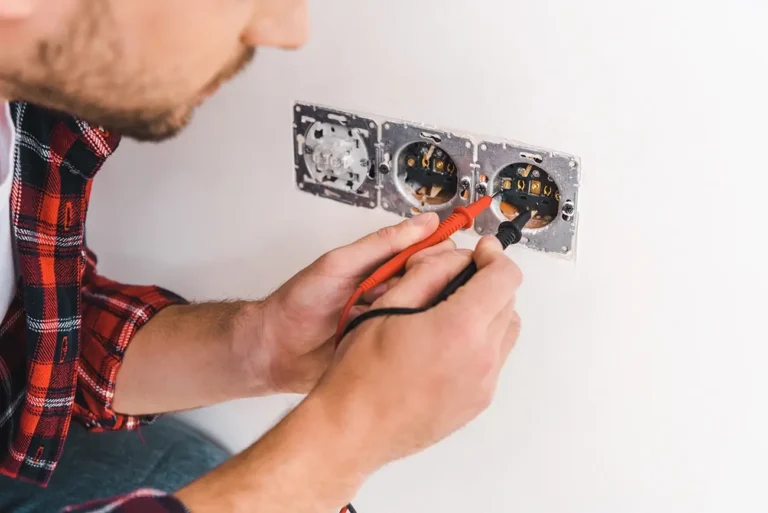
Remember when GFCI outlets were only required in bathrooms and maybe the garage? Those days are over. The 2025 code dramatically expands where you need Ground-Fault Circuit-Interrupter protection, and here's what that really means for your home.
All 125-volt through 250-volt receptacles now require GFCI protection in these areas:
- Every single bathroom outlet (no exceptions, even if rooms are separated by doors)
- All kitchen receptacles including the one behind your refrigerator and the outlet for your garbage disposal
- Any outlet within 6 feet of a sink (measure from the inside edge of the sink bowl)
- Every outdoor outlet on your property
- All garage and accessory building outlets (your workshop, shed, or detached garage)
- Basement and crawl space receptacles (except those serving fire and security systems)
- Laundry areas regardless of what you call the room
- Wet and damp indoor locations like attics where moisture collects
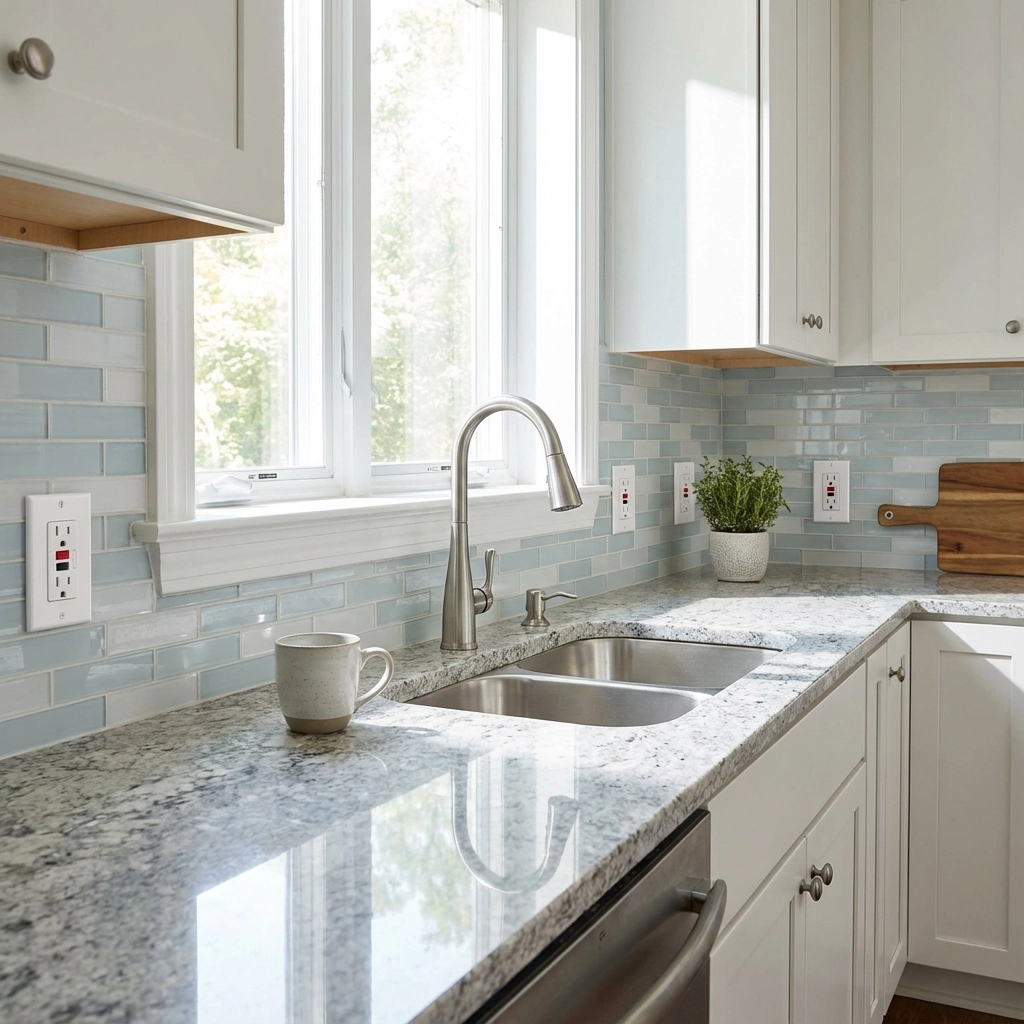
Here's what homeowners often believe: "I can just replace a regular outlet with a GFCI outlet and I'm good to go." While that's sometimes true, you might actually need GFCI protection at the breaker level depending on your home's wiring configuration. A licensed electrician can determine the most cost-effective approach for your specific situation.
The bottom line: If you're touching up any of these areas, budget for GFCI upgrades. It's not optional anymore.
2. Your Kitchen and Bathroom Need Dedicated Circuits
Most people think one circuit can handle multiple rooms if the electrical load seems manageable. That thinking will get you in trouble with the new codes.
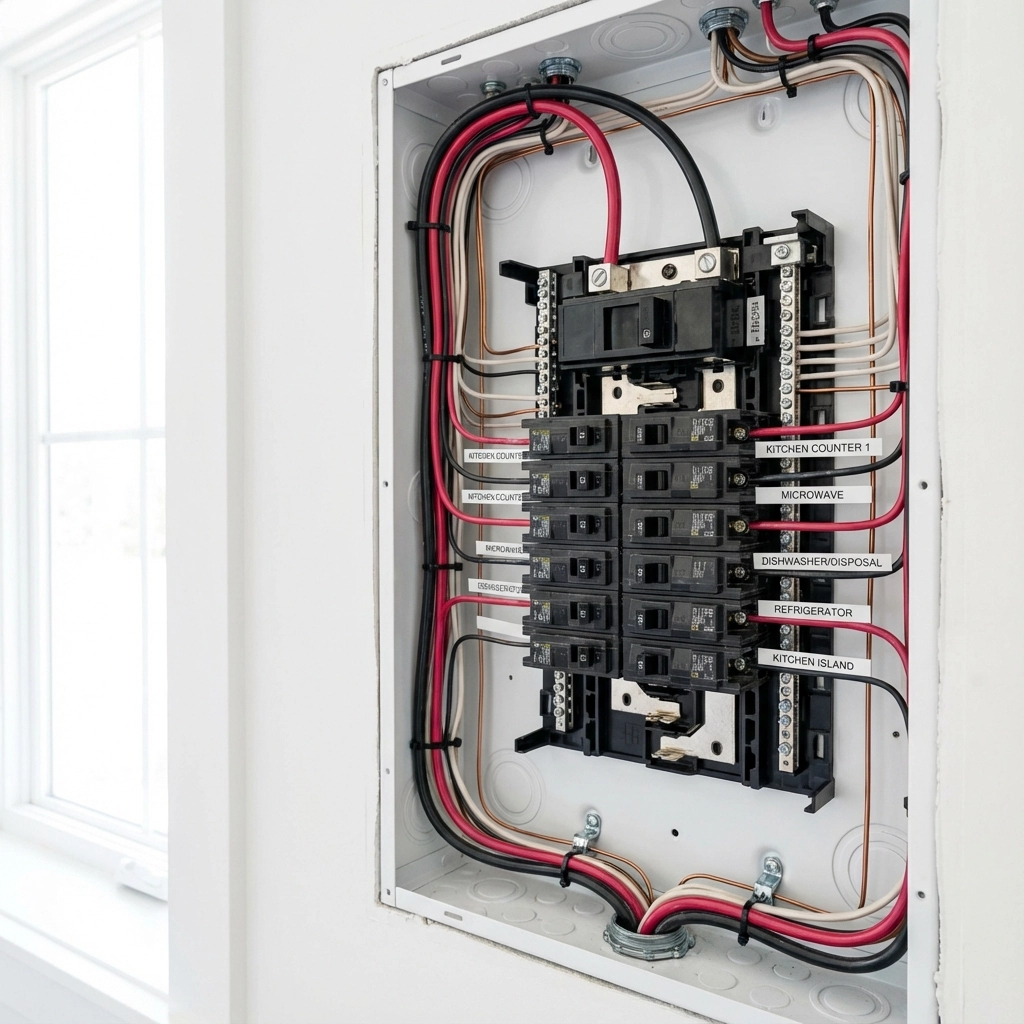
Kitchen requirements: You now need at least two separate 20-amp, 120-volt circuits dedicated exclusively to your kitchen, dining room, breakfast room, and pantry outlets. These circuits can't serve any other areas of your home.
Bathroom requirements: Every bathroom must have at least one dedicated 20-amp, 120-volt circuit that serves only bathroom outlets. No sharing this circuit with hallway lights, bedroom outlets, or anything else.
Here's what that really means: If you're adding a new bathroom or renovating an existing kitchen, your electrician will need to run new dedicated wiring back to your electrical panel. This isn't just about swapping out outlets: it's about ensuring you have adequate power for today's appliances and devices.
Why this matters: Modern kitchens use way more power than they did even ten years ago. Between coffee makers, air fryers, stand mixers, and phone chargers all running simultaneously, the old single-circuit approach was creating fire hazards from overloaded wires.
3. Laundry Rooms Get Their Own Dedicated Circuit Too
Your laundry room now requires a dedicated 20-amp, 120-volt circuit that serves only the receptacles in that space. No other outlets in your home can share this circuit.
Homeowners often believe their washer and dryer outlets are enough, but this requirement covers all the receptacles in your laundry area. Think about it: you've got the washer, maybe a utility sink, space for an iron or steamer, and possibly storage areas where you might plug in other appliances.
Here's the key point: This dedicated circuit ensures your washer has consistent power without competing with other appliances. Anyone who's ever had their washer stop mid-cycle because they turned on the vacuum knows why this rule exists.
4. Surge Protection Requirements (With Important Exceptions)
The 2025 code expands surge protection beyond just your main electrical service, but there's good news for most single-family homeowners.
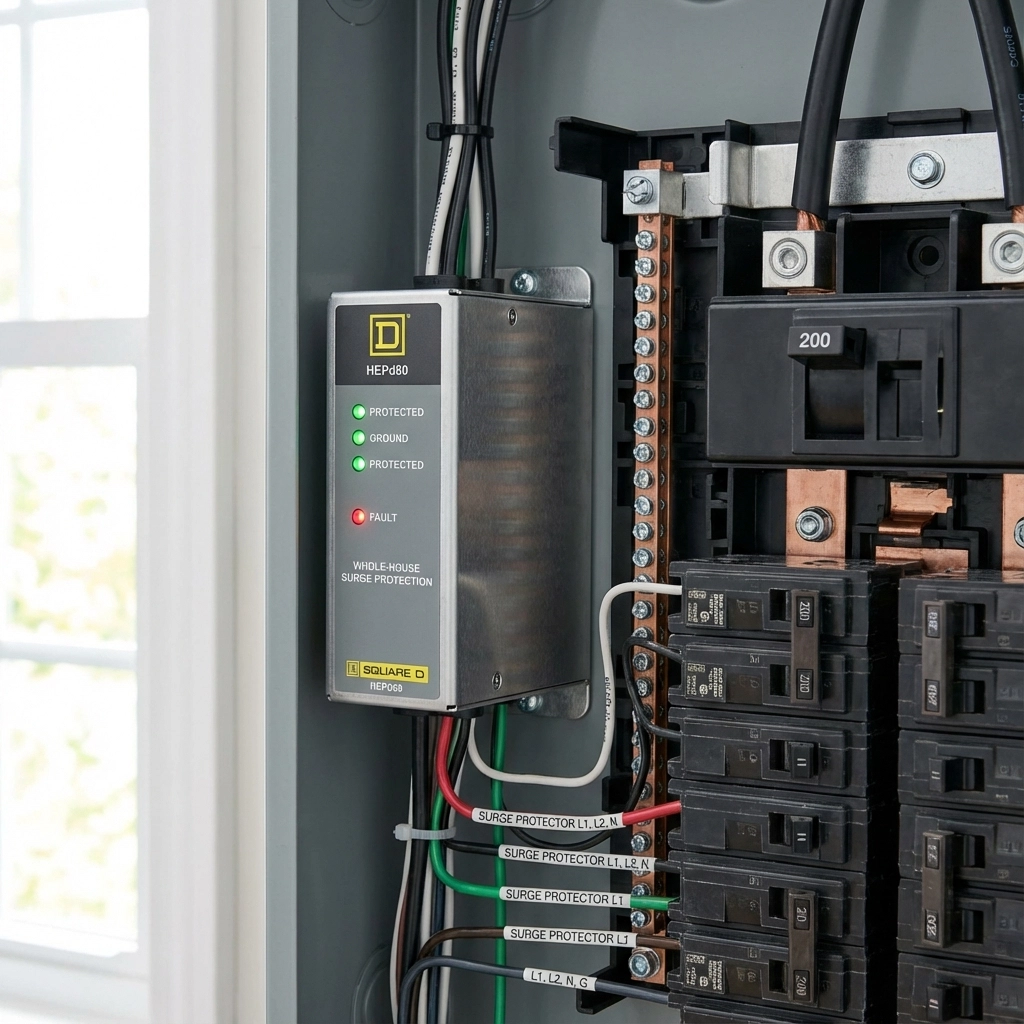
What's required: If your home has feeders supplying power from the main service to separate dwelling units (think townhomes or apartments), you need surge protection devices installed. These must be Type 1 or Type 2 devices with at least 10kA nominal discharge current rating.
Here's the exception most homeowners care about: One- and two-family dwellings are exempt from mandates for whole-house surge protection devices. However, this doesn't mean surge protection isn't a smart investment: it just means it's not legally required.
The reality: With all our electronics, smart home devices, and expensive appliances, whole-house surge protection is still one of the best investments you can make for your home's electrical system. The code exemption just means you can choose whether or not to install it.
5. Good News: GFCI Exemptions for Major Appliances
Here's some relief from all those new GFCI requirements. Recent amendments effective August 2025 provide important exemptions for high-power appliances that don't actually benefit from GFCI protection.
GFCIs are no longer required for:
- Electric ranges
- Wall-mounted ovens
- Counter-mounted cooking units
- Clothes dryers
- Microwave ovens

Most people think more protection is always better, but that's not necessarily true. These high-power appliances can actually cause nuisance tripping of GFCI devices without providing meaningful safety benefits. The code writers recognized this and provided sensible exemptions.
What this means for you: You can install or replace these appliances without worrying about GFCI requirements, which can save both installation costs and future headaches from false trips.
6. Grounding Requirements Got More Specific
With all the sensitive electronics in modern homes, proper grounding has become absolutely critical. The updated code emphasizes concrete-encased grounding electrodes requiring at least 20 feet of connection.
Here's what that really means: Your home's electrical system needs a reliable path to ground for fault currents. This isn't just about safety: it's about protecting your expensive electronics from power surges and ensuring your electrical system operates correctly.
Why homeowners should care: Poor grounding can cause flickering lights, premature appliance failure, and even dangerous fault conditions. If you're doing any major electrical work, your electrician should verify that your grounding system meets current standards.
The practical impact: This typically isn't something you need to worry about unless you're doing major electrical upgrades or building new construction. But it's worth understanding because proper grounding affects everything else in your electrical system.
7. HVAC Servicing Outlet Requirements
If you have heating, air conditioning, or refrigeration equipment, you now need receptacles for servicing these units within 25 feet of the appliance.
Homeowners often believe this only applies to new installations, but it can affect replacements too. If you're replacing your HVAC system and there's no convenient outlet for service work, you might need to add one.
Here's the practical side: HVAC technicians need power for their diagnostic equipment, tools, and temporary lighting. Without proper outlets nearby, they end up running extension cords from inside your house, which creates safety hazards and makes their work less efficient (and potentially more expensive for you).
Important note: GFCI protection is generally not required for listed HVAC equipment, though this exception expires September 1, 2026. So if you're planning HVAC work, timing matters.
What This All Means for Your Next Project
These code changes affect virtually any electrical work you might do in 2025 and beyond. Whether you're planning a simple outlet replacement or a whole-house renovation, understanding these requirements upfront can save you time, money, and frustration.
Before you start any electrical project:
- Talk to a licensed electrician early in your planning process: don't wait until you're ready to pull permits
- Budget for potential code upgrades: these requirements can add costs you might not have anticipated
- Consider bundling electrical work: if you need to upgrade one area to meet current codes, it might be cost-effective to address other areas at the same time
- Don't assume your existing electrical work is grandfathered: some renovations trigger requirements to bring other systems up to current code
The electrical codes in Atlanta and throughout Georgia are uniform and based on the National Electrical Code. This means whether you're in Marietta, Lawrenceville, or anywhere else in the metro area, these same requirements apply.
Remember, these changes aren't about making your project more complicated: they're about ensuring your electrical system can safely handle how we actually live today. With proper planning and a qualified electrician, navigating these new requirements is absolutely manageable.
When in doubt, always consult with a licensed professional who stays current with Georgia's electrical codes. Your safety and your home's long-term electrical reliability are worth getting it right the first time.
Ready to make your project safe—and simple?
If you're in Gwinnett County or anywhere in Metro Atlanta, Radiant Electric can help you plan and complete code-compliant work without the guesswork.
- Free estimates for repairs, inspections, and electrical upgrades
- Upfront, transparent pricing before any work begins
- Licensed and insured electricians who do it right the first time
Have questions about how the 2025 code affects your home? Let's talk. Visit https://radiantelectricatl.com/ to schedule service or request your free estimate today.