Generator Wars: Why Your Neighbors are Bracing for the Next Storm (and Why You Should Too)
It’s a Tuesday night in Atlanta, and the humidity has been sitting heavy over the metro area all afternoon. Suddenly, the sky turns that bruised shade of purple-green we’ve all come to recognize. The wind picks up, the pines begin to sway, and then: click. The hum of your refrigerator stops. The AC vents fall silent. The neighborhood plunges into total darkness.
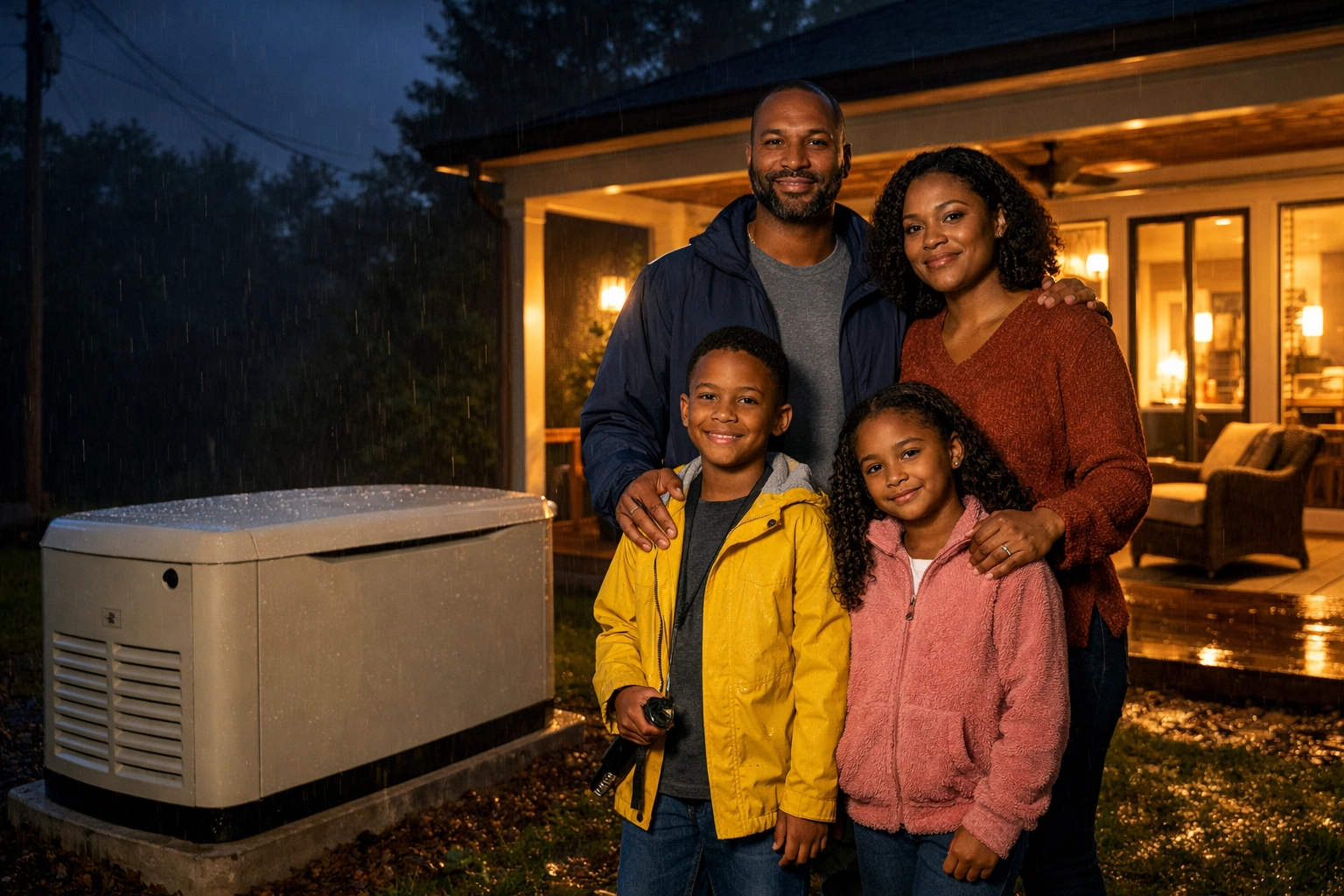
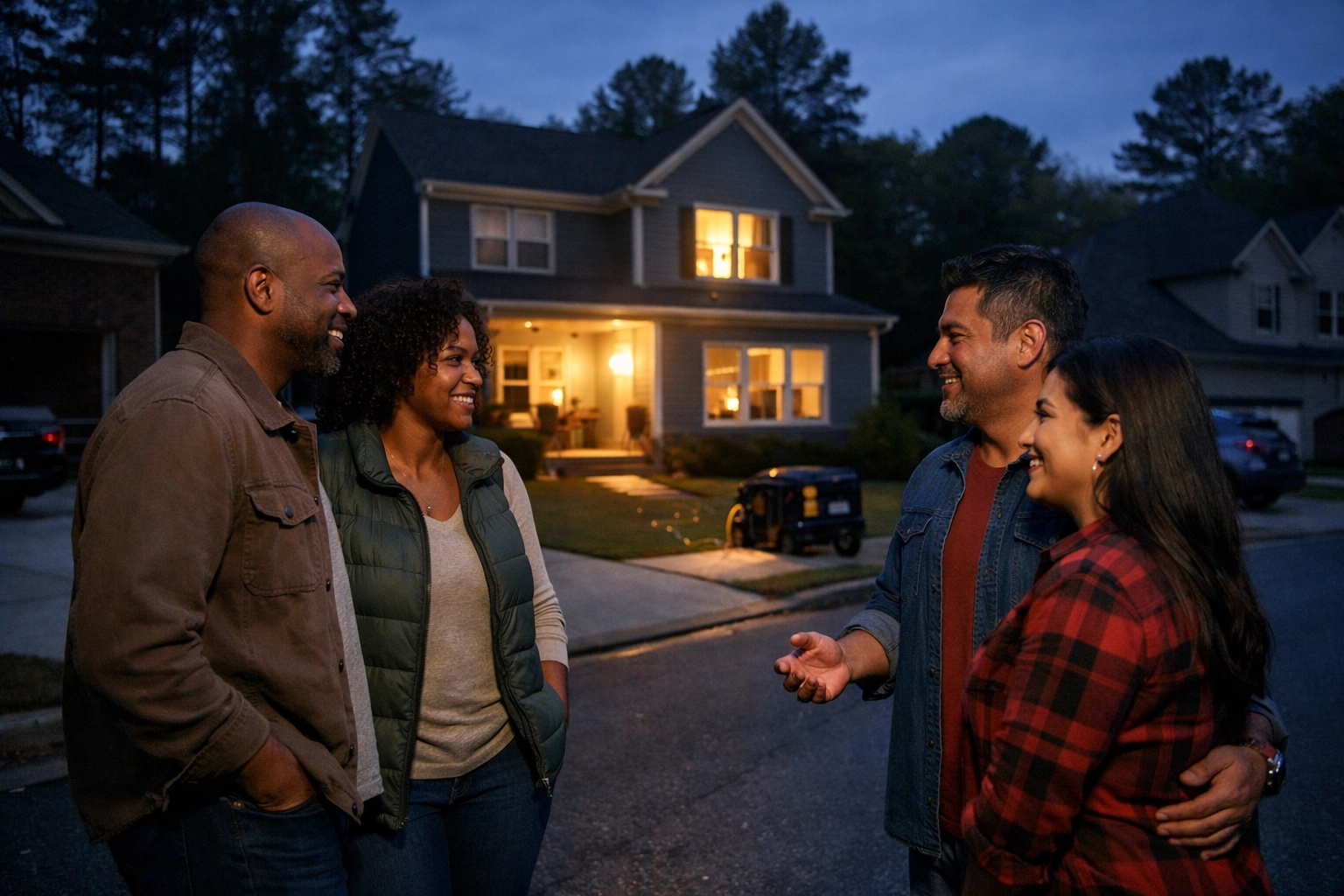
But as you look out your front window, you notice something. Two doors down, the Johnsons’ porch light is still on. Across the street, Marcus and Tasha’s house is glowing, and you can see the flicker of a television through their living room window. While you’re hunting for a flashlight that actually has working batteries, your neighbors are going about their evening like nothing happened.
Welcome to the "Generator Wars." It’s not an actual conflict, of course, but it represents a growing divide in Georgia neighborhoods. As our storms become more frequent and the power grid faces more pressure, homeowners are choosing sides between being left in the dark or taking control of their own power supply.
This isn't about scaring anyone. At Radiant Electrical, we believe in education over fear-mongering. We want to help you understand why your neighbors are bracing for the next storm and what your options actually look like when the grid fails.
The Reality of the Atlanta Power Grid
In recent years, we’ve seen an uptick in extreme weather, from late-summer hurricanes pushing inland to those unexpected winter ice storms that bring down heavy limbs. When the power goes out in a major metro area like Atlanta, the restoration process is a massive logistical puzzle. If you live in a heavily wooded suburb, you might be at the bottom of the priority list while crews work on main lines and hospitals.
Most people think that a power outage is just a minor inconvenience: a few hours of reading by candlelight. However, for a modern household, it’s more complex. It’s about keeping a freezer full of food from spoiling, maintaining a home office for remote work, or ensuring medical equipment stays running. This is why more families are investing in a whole house generator in Atlanta.
Portable Generators: The Budget-Friendly Workhorse
For many, the first line of defense is a portable generator. These are the units you see at big-box hardware stores: metal frames on wheels that run on gasoline or propane.
How They Work
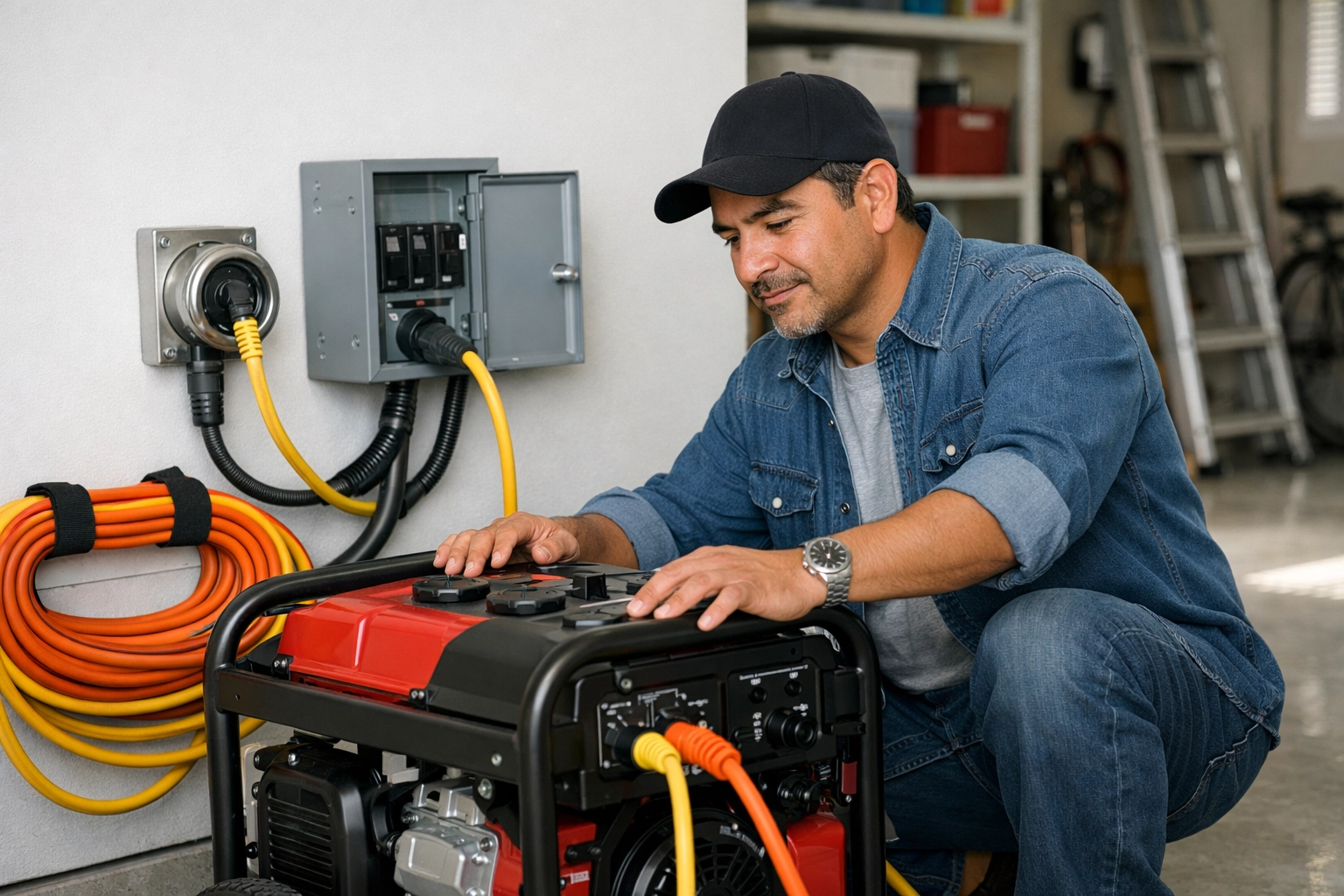
Portable generators create electricity by running a small internal combustion engine. You have to manually pull them out of storage, fill them with fuel, and start them up. Once running, you either plug appliances directly into the unit using heavy-duty extension cords or connect the unit to your home via a manual transfer switch.
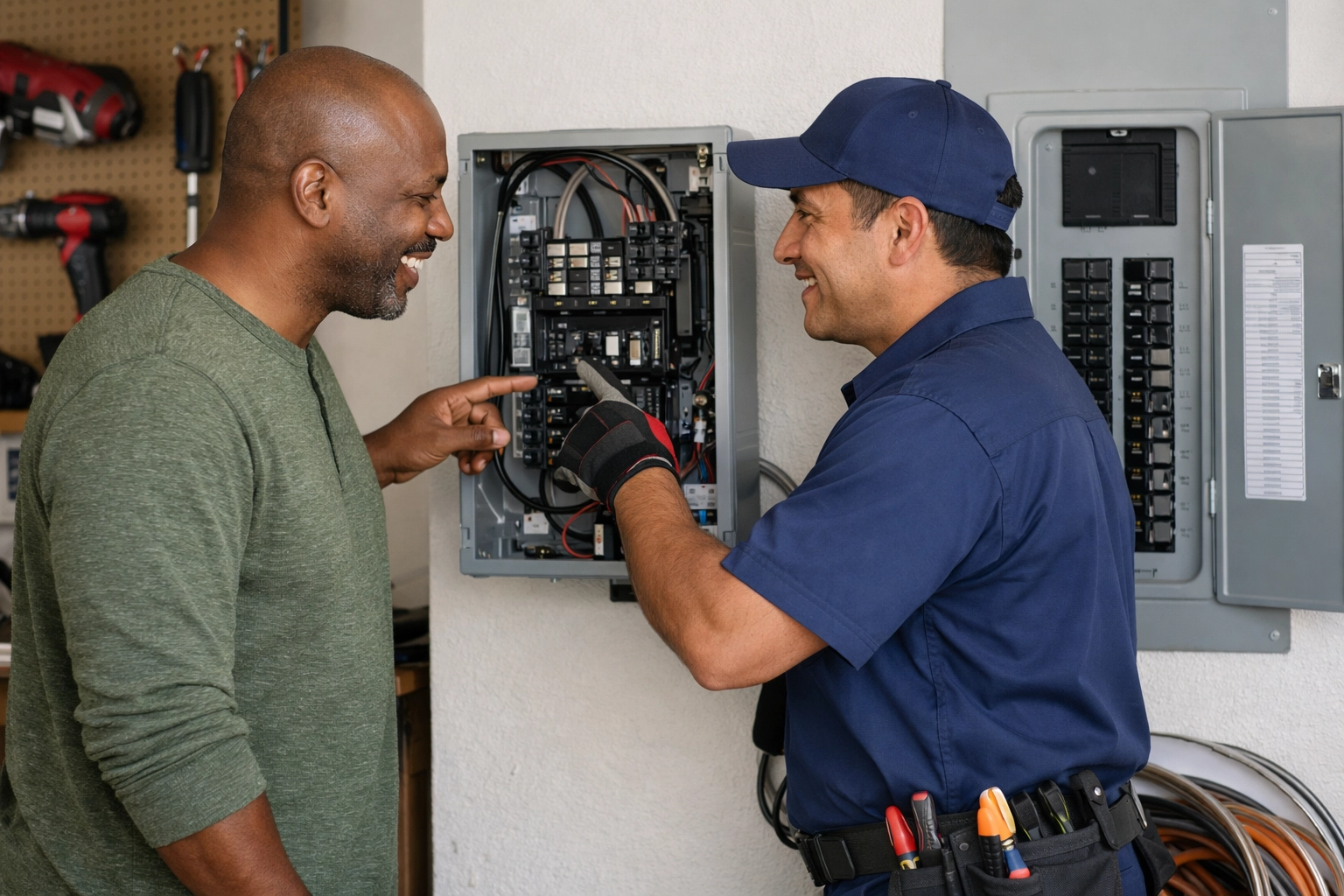
A manual transfer switch is essentially a "traffic cop" for your electricity. It’s a subpanel installed next to your main breaker box that allows you to safely switch certain circuits from "Grid Power" to "Generator Power." Here’s what that really means: it prevents "backfeeding," which is the dangerous act of sending electricity back into the utility lines where it could injure line workers.
The Trade-Offs
While portable units are affordable, they come with a "hassle factor." Imagine Marcus in Cascade Heights. When the storm hits at 2:00 AM, he has to go out into the rain, drag a 150-pound machine out of the garage, and fiddle with a pull-cord while the wind is howling.
There’s also the issue of fuel. Most portable units require gasoline, which has a short shelf life and can be hard to find when everyone else in the city is rushing to the gas station during an emergency. If you're curious about the specifics of managing these units, check out our guide on whole house generator vs portable options.
Whole House Generators: The "Set It and Forget It" Solution
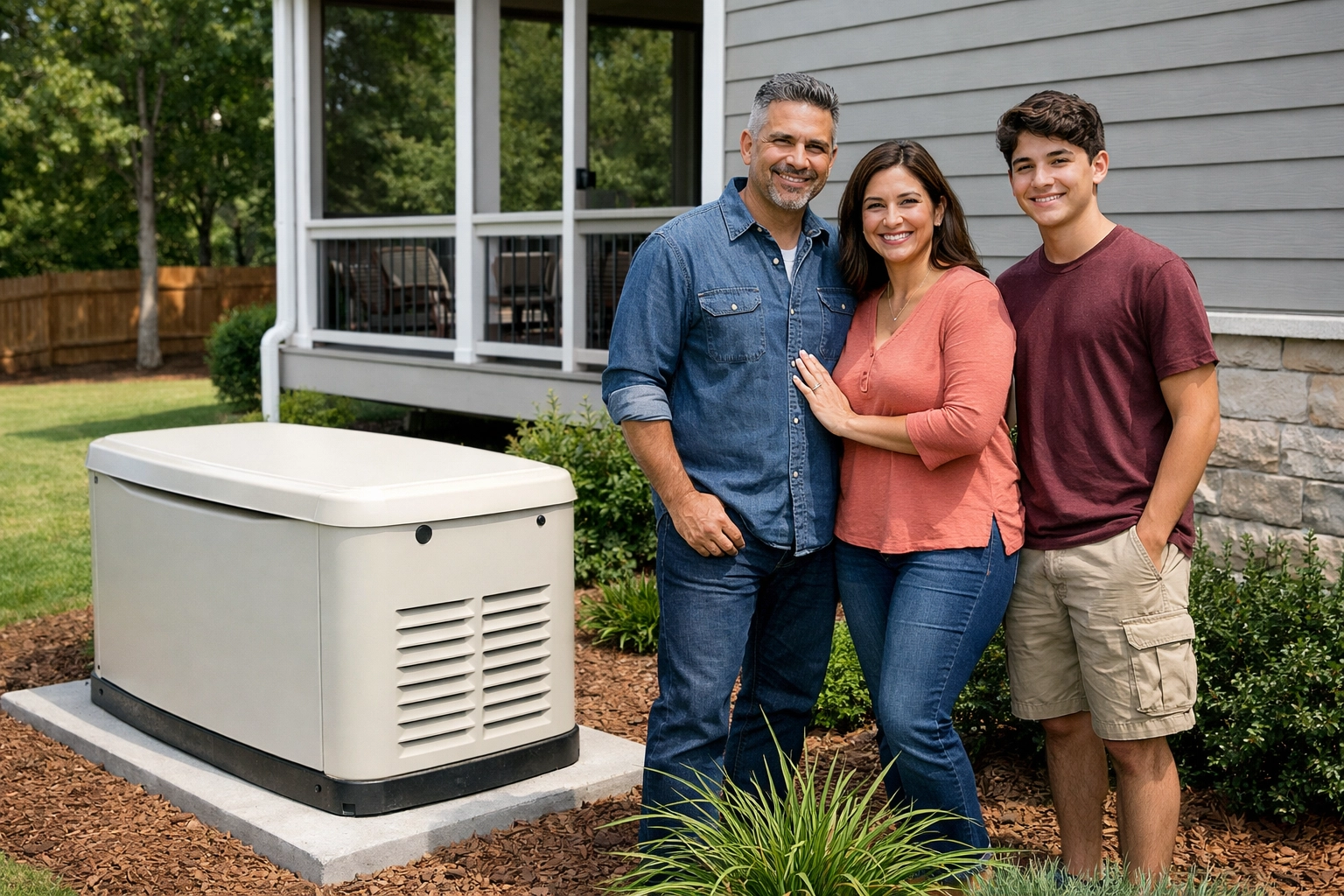
On the other side of the "Generator Wars" are the standby units: commonly known as whole house generators. These are permanently installed outside your home, much like an air conditioning condenser.
How They Work
A standby generator is connected directly to your home’s electrical system and your natural gas or liquid propane line. It monitors the utility power 24/7. When it detects an interruption, it automatically starts up and the automatic transfer switch (ATS) flips the power over. This usually happens in less than 30 seconds.
Why Homeowners Are Switching
The primary appeal is seamlessness. You don't have to be home to start it. If you’re on vacation and a storm hits, your sump pump keeps running, and your pipes won’t freeze. For many Atlanta families, that peace of mind is worth the investment.
The Battle of Convenience vs. Cost
When deciding which side of the generator fence you sit on, it usually comes down to three factors: capacity, maintenance, and budget.
- Capacity: A portable generator might run your fridge, a few lamps, and a fan. A whole house generator in Atlanta can often power your entire HVAC system, your oven, and your water heater.
- Maintenance: Portable units need to be "exercised" (started up) every few months to ensure the carburetor doesn't gum up. Standby units perform a self-test every week automatically.
- The Investment: A portable setup might cost between $1,000 and $2,500 including the transfer switch installation. A standby system is a significant home improvement, often ranging from $10,000 to $20,000 depending on the size of the home.
However, many homeowners find that a standby generator increases their property value. According to the National Fire Protection Association (NFPA), professional installation is the only way to ensure these systems meet local safety standards.
Safety First: Why You Need an Emergency Electrician in Atlanta
Whether you choose a portable or a standby unit, the installation is not a DIY project. We often see homeowners make critical errors, like running a portable generator inside a garage or too close to windows. This creates a deadly risk of carbon monoxide poisoning. According to the Consumer Product Safety Commission, portable generators produce as much CO as hundreds of cars.
Working with an emergency electrician in Atlanta ensures that your system is grounded correctly and that your transfer switch is code-compliant. If you’ve been experiencing other electrical issues, like flickering lights or tripping breakers, you should address those before adding a generator to the mix. You can learn more about these "warning signals" in our article on what causes breakers to trip repeatedly.
Navigating the 2026 Georgia Electrical Code
The rules for how we power our homes are changing. As of 2026, Georgia has updated several requirements regarding outdoor disconnects and surge protection. These changes are designed to make homes safer during weather events, but they also impact how generators are installed.
If you are looking at an older home in Gwinnett or Marietta, your current electrical panel might not even be equipped to handle a modern generator hookup. It’s important to know if your home meets the current standards before the next storm season arrives. For a deeper dive into these requirements, read our breakdown of Georgia’s 2026 electrical code changes.
Beyond the Storm: The Value of Preparedness
The "Generator Wars" aren't really about who has the biggest machine or the brightest lights. They are about resilience. In a world where our lives are increasingly dependent on digital connectivity and climate control, being without power isn't just an inconvenience: it's a disruption to our safety and productivity.
Most homeowners think they have plenty of time to prepare, but once the National Weather Service issues a warning, it’s often too late to get on an electrician's schedule or find a unit in stock.
Key Takeaways for Homeowners:
- Evaluate your needs: Do you just need to keep the lights on, or do you need full AC and refrigeration?
- Check your fuel source: If you go portable, keep fresh stabilized fuel on hand. If you go standby, ensure your gas line can handle the load.
- Prioritize professional installation: Never "backfeed" through a dryer outlet. It’s illegal and extremely dangerous.
- Maintenance is mandatory: A generator that hasn't been tested in a year is just an expensive paperweight when the storm hits.
At Radiant Electrical, we’ve helped countless families across the metro area move from the dark side of the street to the bright side. Whether you’re interested in a manual transfer switch for your portable unit or a full standby system, we provide the expertise to ensure it's done right.
Don't wait until the sky turns green to think about your power. If you’re worried about your home’s readiness, start with an inspection. We can help you identify red flags in your electrical system and create a plan that fits your budget and your family’s needs.
Power outages are inevitable in Georgia, but being powerless is a choice. Which side of the "Generator Wars" will you be on when the next storm rolls through?