Emergency Electrician Atlanta: The Ultimate Guide to What Qualifies as a Real Electrical Emergency
You're watching TV when suddenly you smell something burning. Or maybe you flip a light switch and see sparks fly from the outlet. Your heart skips a beat and you're wondering: Is this actually an emergency, or can it wait until morning?
This isn't about scaring anyone: electrical issues happen in every home. But knowing the difference between "call someone tomorrow" and "call someone NOW" could literally save your life and your property. Most people think they'll know an electrical emergency when they see one, but the truth is, some of the most dangerous situations look surprisingly ordinary.
Let's break down exactly what qualifies as a real electrical emergency, when you should pick up that phone, and what you can do to stay safe while help is on the way.
What Actually Makes an Electrical Emergency "Emergency"
Here's what that really means: An electrical emergency is any situation that poses an immediate safety risk to you, your family, or your property. Not every electrical problem falls into this category: a dead outlet in your guest bedroom probably isn't going to burn your house down overnight.
But here's where most homeowners get confused: electrical problems can escalate from minor inconvenience to life-threatening danger in minutes. That flickering light you've been ignoring? It could be a loose connection that's slowly heating up your walls. That outlet that sparked once last week? It might be building up to an electrical fire.
The key question to ask yourself: Could this problem hurt someone or damage my property if I wait 8-12 hours for a regular service call?
Immediate Danger Situations: Call 911 First
Some electrical emergencies are so dangerous that you need to call 911 before you even think about calling an electrician. These situations put lives at risk right now:
Active Electrical Fires
If you see flames coming from an outlet, panel, or any electrical device, this is a fire emergency first and an electrical problem second. Never use water on an electrical fire: it conducts electricity and can electrocute you. If you can safely reach the breaker, turn off power to that area. Otherwise, evacuate and let the fire department handle it.
Exposed Live Wires in Water
This is especially common in Atlanta basements during heavy rains or when pipes burst. Water and electricity create a deadly combination that can electrocute anyone who steps in the wrong spot. If you see sparks, hear crackling sounds, or notice electrical outlets underwater, stay far away and call 911 immediately.
Someone in Contact with Live Electricity
If a person is being shocked and can't let go, don't touch them directly: you'll get shocked too. Turn off the main breaker if you can reach it safely, or use a non-conductive object like a wooden broom handle to separate them from the electrical source.
Call an Emergency Electrician Immediately: These Can't Wait
These situations won't necessarily kill you in the next five minutes, but they're serious enough that waiting until normal business hours could lead to fire, electrocution, or major property damage.
Burning Smells Without Visible Fire
That acrid, plasticky burning smell coming from your walls, outlets, or electrical panel means something is overheating. Most people think they'd see smoke or flames, but electrical fires often start inside walls where you can't see them. By the time you notice visible signs, the fire may already be spreading.
Sparking Outlets or Switches
A tiny spark when you plug something in occasionally? That might be normal static. But repeated sparking, large sparks, or sparks accompanied by burning smells signal dangerous arcing inside your walls. This is how electrical fires start.
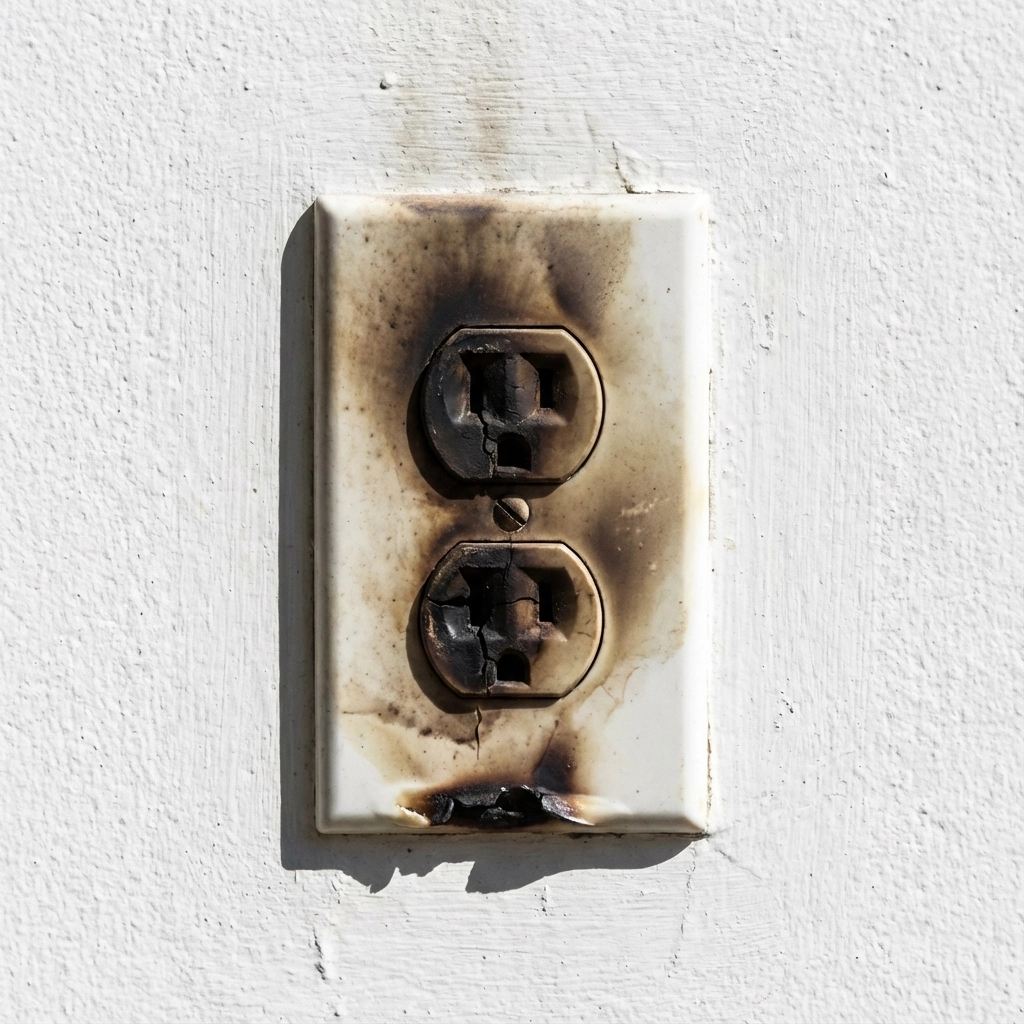
Scorch Marks or Burn Marks
Brown or black marks around outlets, switches, or on your electrical panel are evidence that dangerous overheating has already occurred. These marks tell you that temperatures got hot enough to char the materials: and it could happen again.
Complete Power Loss in Your Home
If your neighbors have power but your entire house is dark, this could indicate a serious problem with your main electrical panel or service connection. While not immediately life-threatening, these issues can create dangerous conditions when people try to use generators improperly or rely on candles for lighting.
Electrical Panel Problems
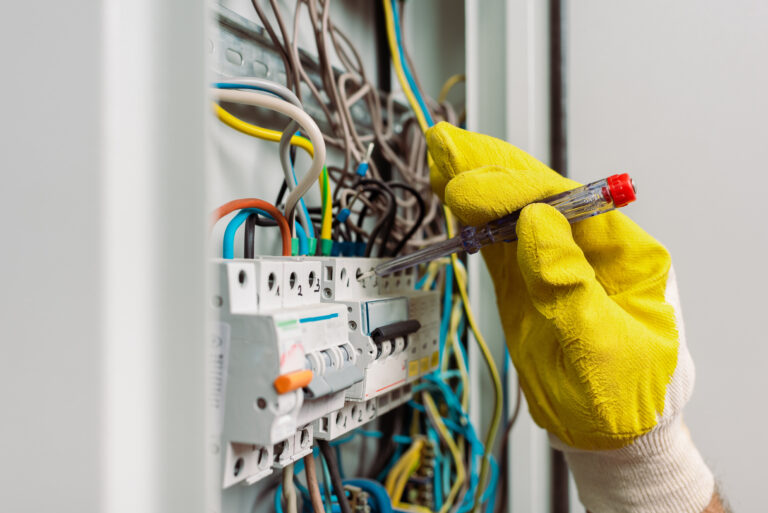
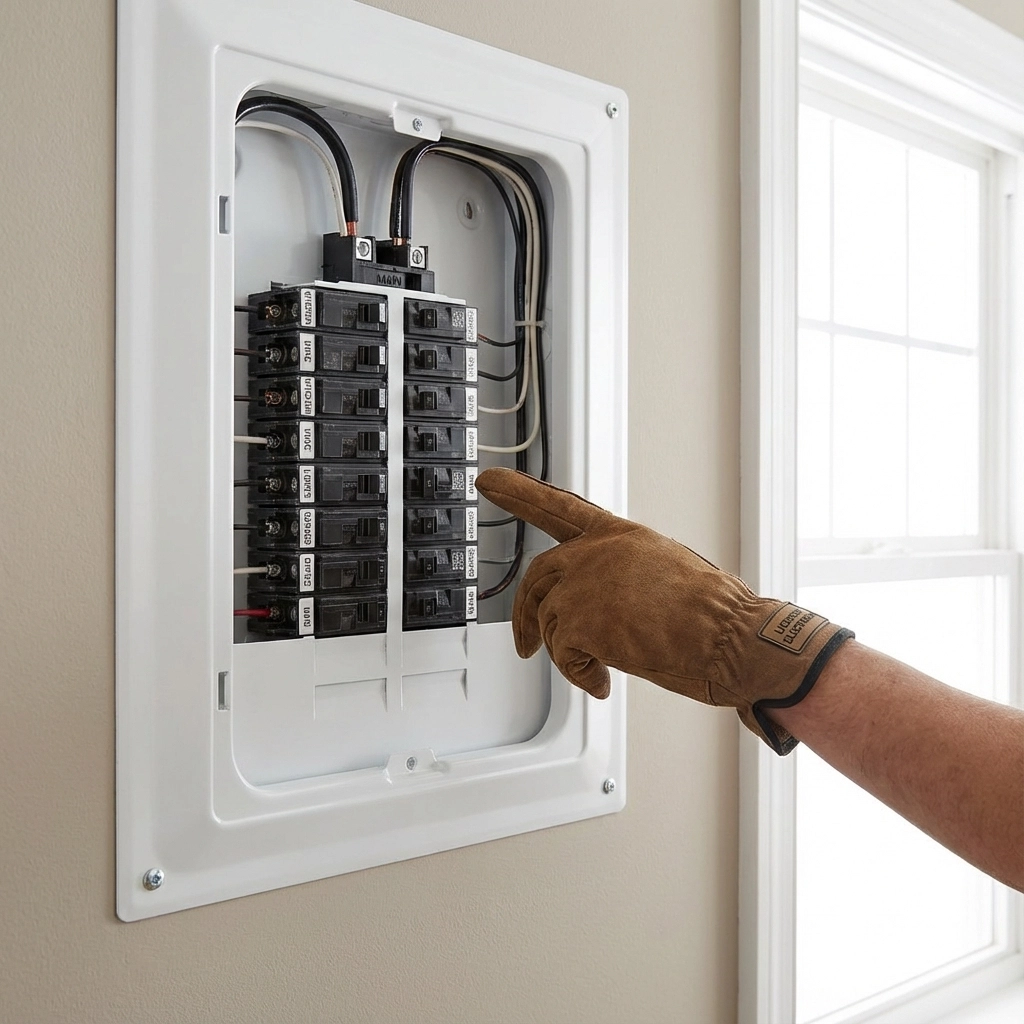
Your electrical panel should operate quietly and smoothly. Call immediately if you notice: humming, crackling, or buzzing sounds; panels that feel warm or hot to the touch; breakers that won't stay reset; or any visible damage like rust, corrosion, or burn marks.
The "Gray Area" Situations: When to Trust Your Gut
Some electrical problems fall into that uncomfortable middle ground where you're not sure if it's urgent or not. Homeowners often second-guess themselves in these situations, but here's the thing: your instincts about your own home are usually pretty good.
Flickering Lights Throughout Your Home
One flickering light bulb? Probably just needs a new bulb. But when multiple lights flicker, especially in different rooms, this suggests a problem with your main electrical system. This could be loose connections heating up, an overloaded system, or failing electrical components.
Outlets That Don't Work at All
A single dead outlet might just be a tripped GFCI or blown fuse. Multiple dead outlets, especially if they stopped working suddenly, could indicate serious wiring problems or electrical panel issues.
Frequent Breaker Trips
Circuit breakers are designed to protect you by shutting off power when circuits are overloaded. If the same breaker keeps tripping, or if multiple breakers trip frequently, your electrical system is telling you something is wrong.

Here's what that really means: Your electrical system is working harder than it was designed to handle, and that extra stress creates heat. Heat leads to fires.
Common Misconceptions That Put People at Risk
Most people believe that if they're not seeing sparks or flames, they have plenty of time to deal with electrical problems. This thinking gets people into trouble because electrical failures often happen gradually, then suddenly.
"It's Been Doing This for Months, So It's Fine"
Electrical problems don't stay stable: they get worse. That outlet that's been loose for six months? The connections are getting looser and hotter. That breaker that trips occasionally? It's probably handling more load than it should, and something's going to give eventually.
"I'll Just Avoid Using That Outlet Until Tomorrow"
Dangerous electrical conditions don't stop being dangerous just because you're not actively using them. Live wires behind walls continue to heat up. Loose connections keep arcing. Electrical fires can start even when you're not plugging anything in.
"If It Was Really Dangerous, It Would Look Obviously Dangerous"
This might be the most dangerous misconception of all. Electrical hazards are often invisible. You can't see the heat building up inside your walls, you can't see arcing behind outlets, and you can't see insulation slowly degrading around hot wires.
What to Do While Waiting for Help
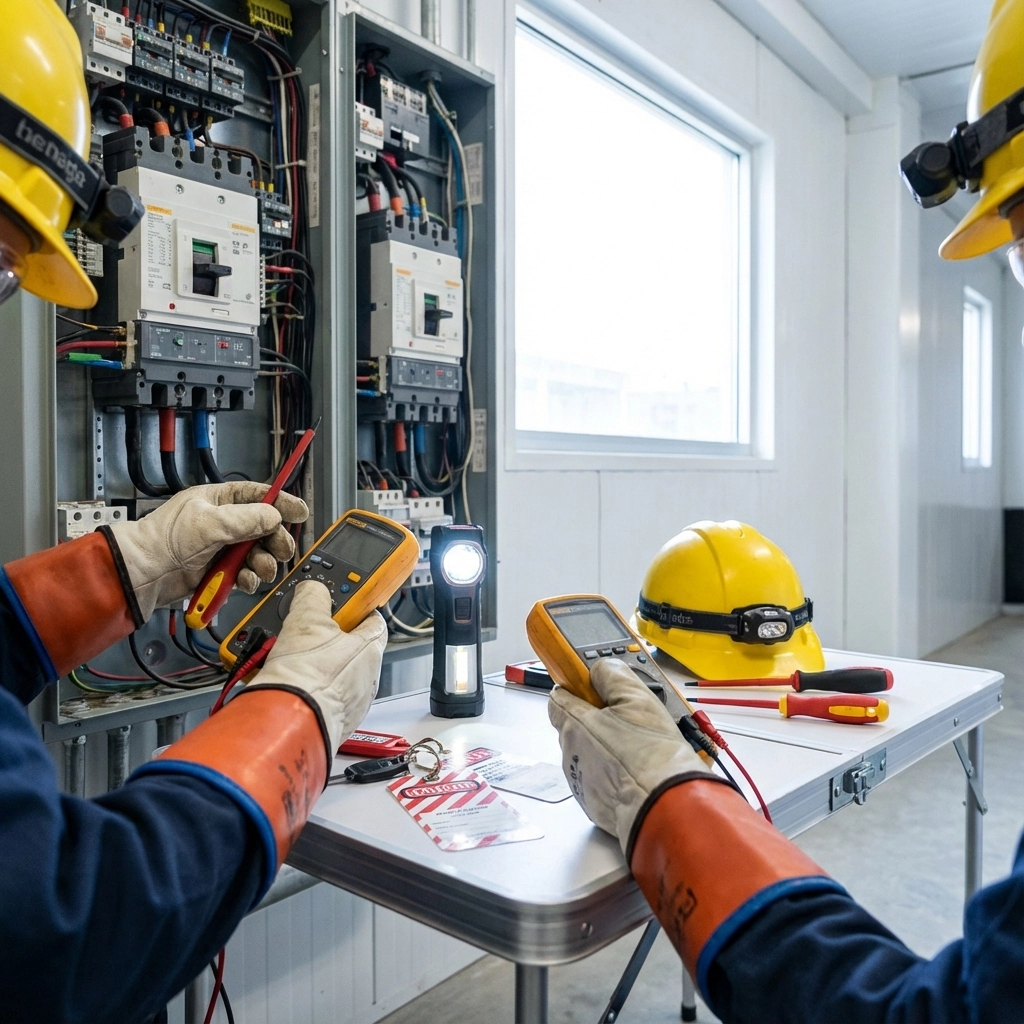
Once you've determined you have an electrical emergency and called for help, there are specific steps you should take to stay safe:
Turn Off Power If You Can Do It Safely
If you can reach your electrical panel without going near the problem area, turn off the breaker that controls the affected circuit. If you're not sure which breaker, or if the problem is with the main panel itself, don't touch anything: wait for the professionals.
Create a Safe Zone
Keep everyone away from the problem area. This includes pets: they don't understand electrical dangers and might investigate sparking outlets or burning smells.
Never Use Water
This seems obvious, but in emergency situations, people's first instinct is often to grab water. Water conducts electricity and will make any electrical situation more dangerous.
Avoid the Temptation to "Just Take a Quick Look"
Electrical problems can escalate without warning. That outlet that was just sparking a little could suddenly arc dramatically. Those loose wires could shift and create a more dangerous situation.
How Atlanta's Climate Affects Electrical Emergencies
Living in Atlanta means dealing with specific electrical challenges that homeowners in other climates don't face. Our hot, humid summers put extra stress on electrical systems, while sudden severe weather can create emergency situations quickly.
High Humidity and Heat
Atlanta's summer humidity can cause electrical components to deteriorate faster than in drier climates. Moisture gets into outlet boxes, corrodes connections, and can cause short circuits. That's why electrical problems often seem worse during summer months: they actually are worse.
Severe Weather Patterns
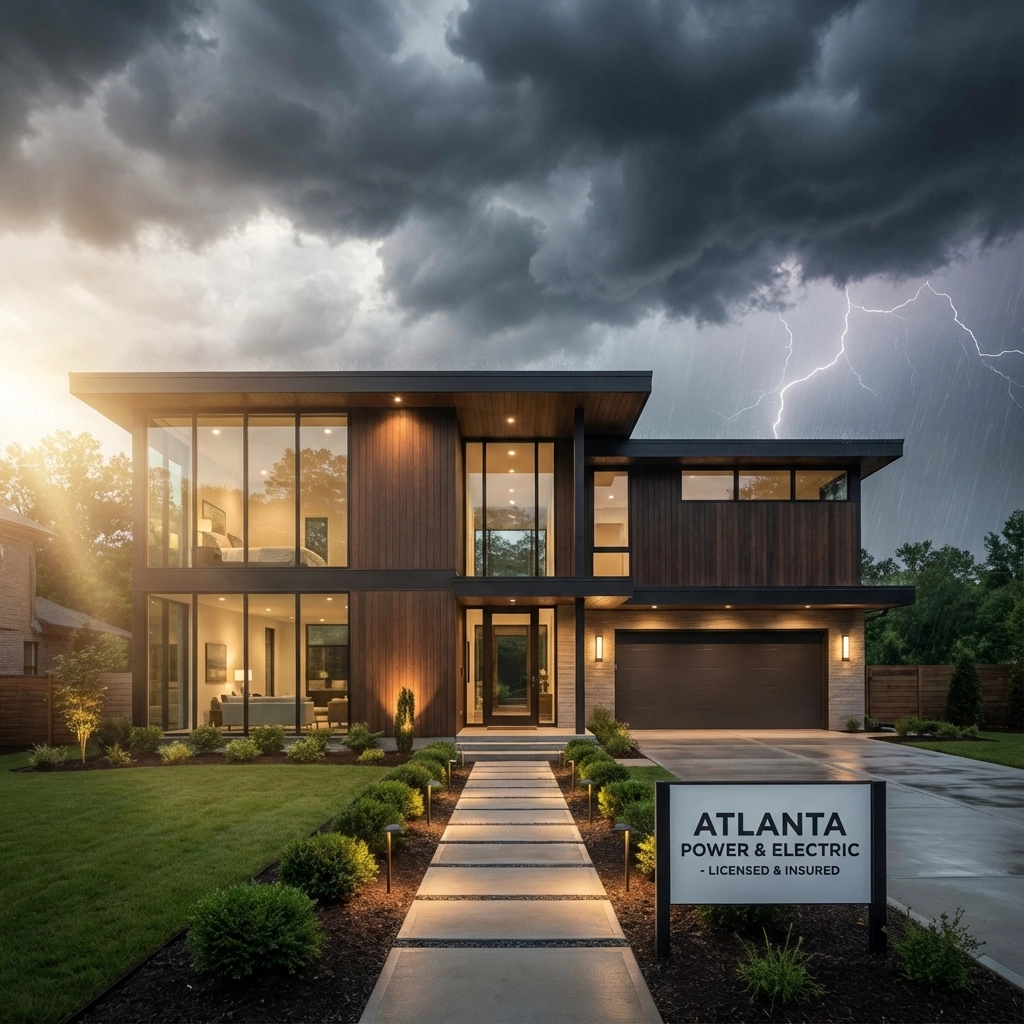
Our thunderstorms don't mess around. Lightning strikes, high winds, and sudden flooding can turn minor electrical issues into major emergencies within minutes. A small roof leak becomes dangerous when it drips onto electrical outlets. High winds can bring down power lines that were already stressed from carrying heavy summer electrical loads.
Prevention: The Best Emergency Response
The best way to handle an electrical emergency is to prevent it from happening. Most electrical emergencies develop over time: they're the end result of problems that have been building up for weeks or months.
Annual Electrical Inspections
Just like you service your HVAC system annually, your electrical system needs regular professional attention. An electrician can spot loose connections, overloaded circuits, and deteriorating components before they become emergency situations.
Don't Ignore Early Warning Signs
That flickering light, that outlet that feels warm, that breaker that trips occasionally: these are your electrical system's way of asking for help. Addressing these small problems when they're still small prevents them from becoming big, expensive, dangerous problems later.
When you're facing a potential electrical emergency in Atlanta, you don't have to figure it out alone. Radiant Electric offers 24/7 emergency electrical services because we understand that electrical problems don't follow business hours: and neither do we.
The Bottom Line
Trust your instincts. If something seems wrong with your electrical system, it probably is. The cost of an emergency service call is always less than the cost of rebuilding after an electrical fire, and it's definitely less than the cost of someone getting seriously hurt.
Remember: electrical emergencies are about more than just inconvenience: they're about safety. When in doubt, make the call. Professional electricians would much rather respond to a situation that turns out to be less urgent than originally thought than arrive to find that a delay made a dangerous situation worse.
Your family's safety is worth more than the cost of an emergency call, and your peace of mind is worth more than a few hours of uncertainty.