Emergency Electrician Atlanta: 10 Reasons Your Electrical System Isn't Working (And When to Call a Pro)
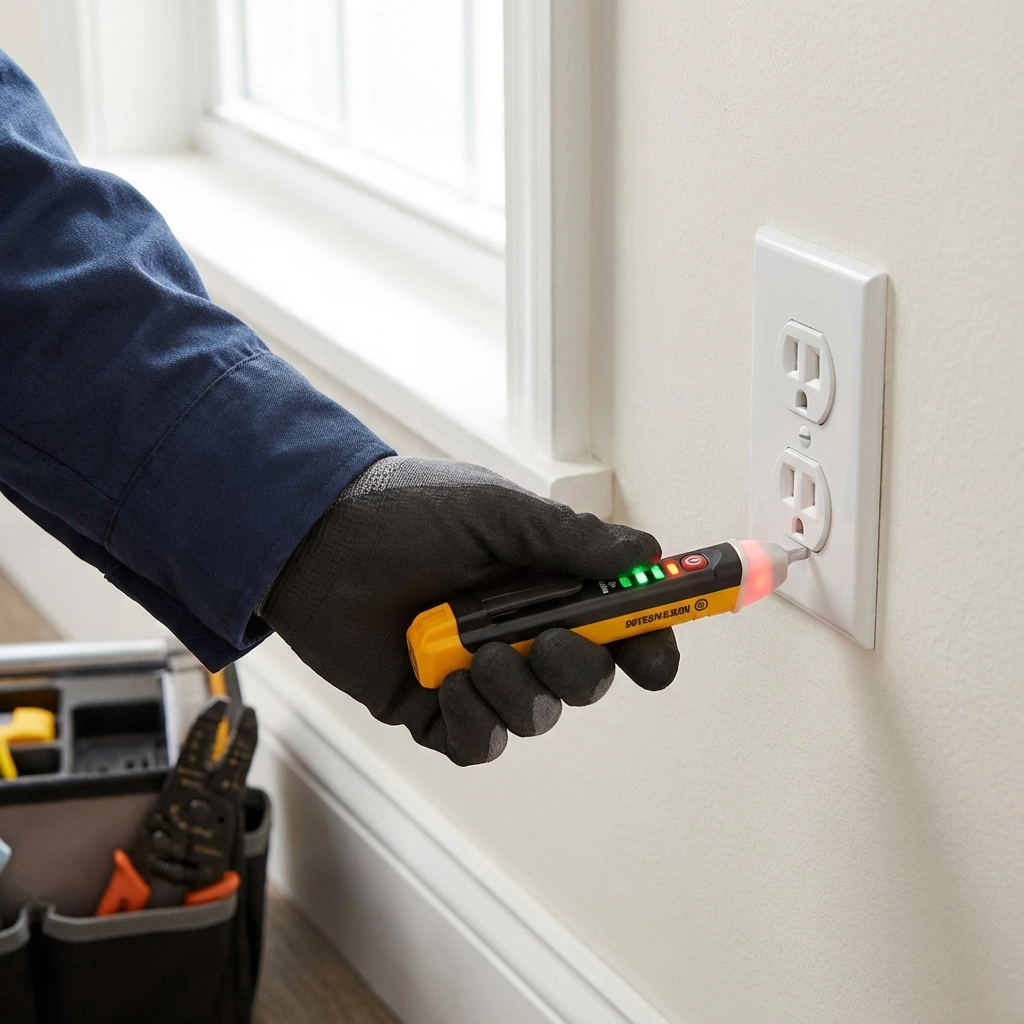 Your lights flickered again during dinner. Your phone charger sparked when you plugged it in. Your circuit breaker tripped for the third time this week. Sound familiar? You're not alone – and this isn't about scaring anyone. These everyday electrical hiccups are your home's way of telling you something important.
Most people think electrical problems just "happen," but the truth is, your electrical system gives you plenty of warning signs before serious issues develop. Understanding these signals can save you from emergency repair bills, protect your family's safety, and give you peace of mind.
Let's break down the 10 most common reasons your electrical system isn't working properly – and more importantly, when you need to pick up the phone and call a professional.
1. Hot Outlets and Switches
If you've ever touched a light switch or outlet and felt warmth or heat, that's your electrical system screaming for help. Here's what that really means: electricity flowing through damaged wiring creates resistance, and resistance creates heat – just like a stovetop coil.
This isn't a "wait and see" situation. Hot electrical components indicate overloaded circuits, loose connections, or faulty wiring inside your walls. These conditions create fire hazards that can develop quickly.
When to call a pro: Immediately. Any electrical component that feels warm to the touch needs professional diagnosis right away.
2. Frequent Circuit Breaker Tripping
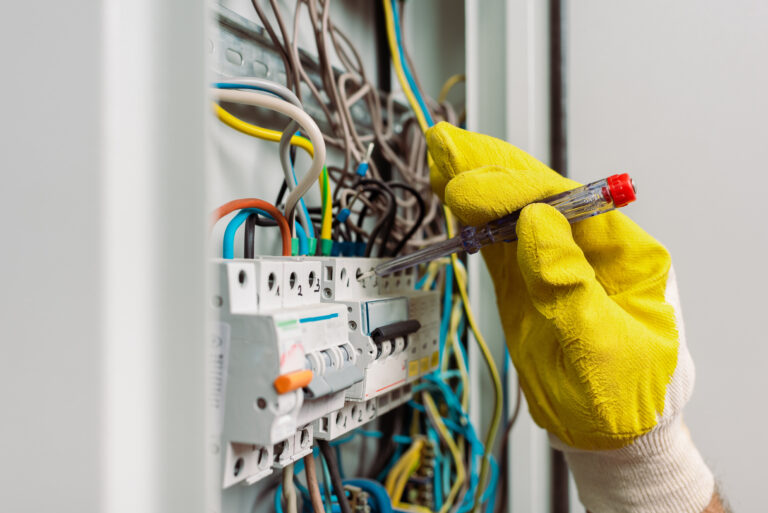
Your circuit breaker isn't trying to ruin your day – it's actually protecting your home. Think of it as a safety valve that shuts off power when something goes wrong. But if your breakers trip constantly, something deeper is happening.
Most people think they can just reset the breaker and move on. That's like ignoring your car's check engine light. Repeated tripping signals overloaded circuits, short circuits, ground faults, or aging breakers that can no longer handle normal electrical loads.
When to call a pro: If the same breaker trips more than twice in a short period, or if you're constantly resetting different breakers throughout your home.
3. GFCI Failures in Kitchens and Bathrooms
Those outlets in your kitchen and bathroom with the little "test" and "reset" buttons? They're called Ground Fault Circuit Interrupters, and they're designed to protect you from electric shock in wet areas. When water and electricity mix, GFCIs cut power in milliseconds.
But when your GFCI won't reset, constantly trips, or feels hot, you've lost this critical safety protection. Common causes include moisture intrusion, incorrect wiring during installation, worn-out outlets, or appliances pulling too much current.
When to call a pro: If your GFCI won't reset after pressing the button, trips immediately when you plug something in, or if you notice any burning smells around the outlet.
4. AFCI Breaker Tripping in Bedrooms
Arc Fault Circuit Interrupters (AFCIs) are newer safety devices required in bedrooms and living areas. They detect dangerous electrical arcing – think of tiny lightning bolts inside your walls – and shut off power to prevent fires.
Homeowners often believe AFCI breakers are "too sensitive" and cause unnecessary trips. The reality? These breakers trip because they're detecting real electrical arcs from loose connections, aging wiring, improper grounding, or incompatible devices plugged into your outlets.
When to call a pro: AFCI breakers that trip repeatedly aren't being overly cautious – they're preventing potential electrical fires. Have a licensed electrician investigate immediately.
5. Flickering or Dimming Lights
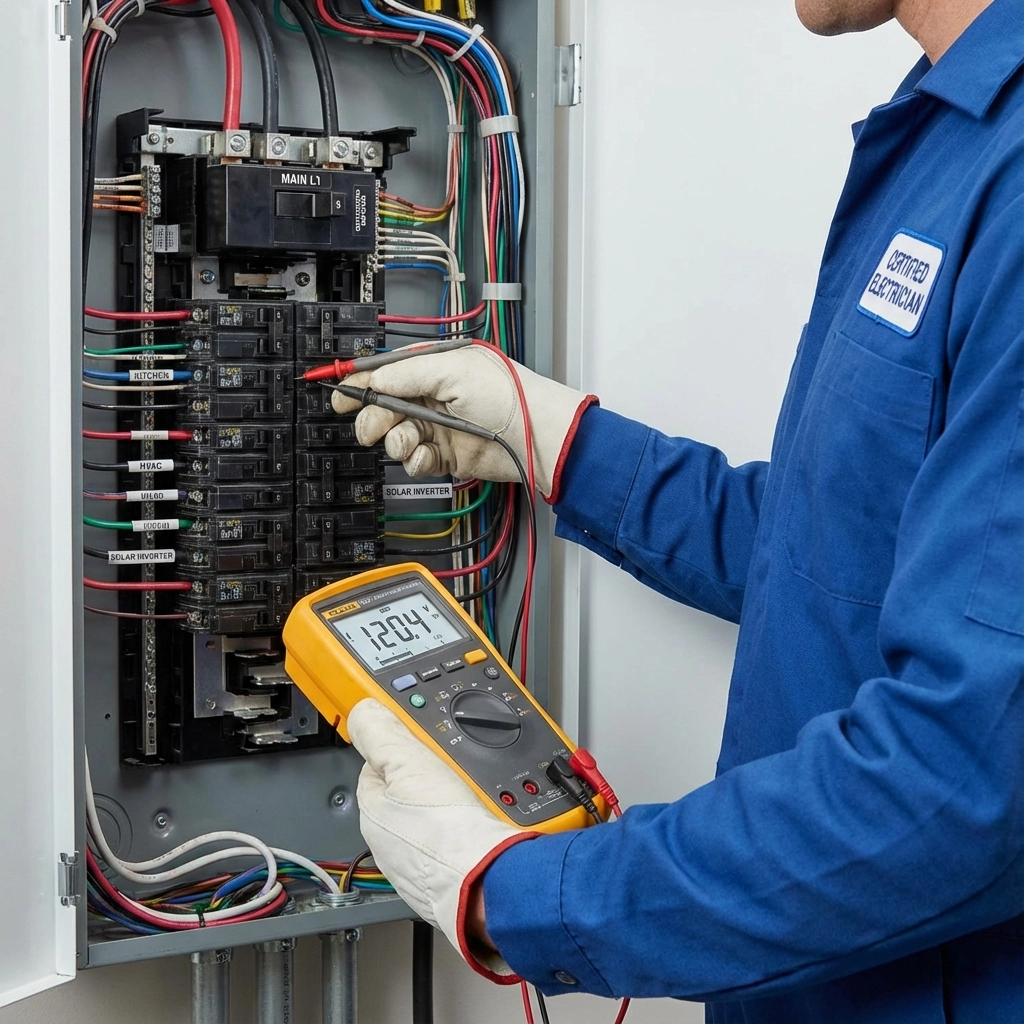
Sure, sometimes a loose light bulb causes flickering. But persistent flickering lights signal voltage problems that go far deeper than bad bulbs. Your electrical system might be struggling with loose neutral connections in your panel, voltage drops when large appliances turn on, overloaded circuits, or outdated wiring.
Here's a concrete example: if your lights dim every time your air conditioner kicks on, your electrical system can't handle the load properly. This creates stress on your wiring and appliances.
When to call a pro: Flickering that happens frequently, affects multiple light fixtures, or occurs when appliances turn on indicates serious voltage issues requiring professional diagnosis.
6. Dead or Non-Functional Outlets
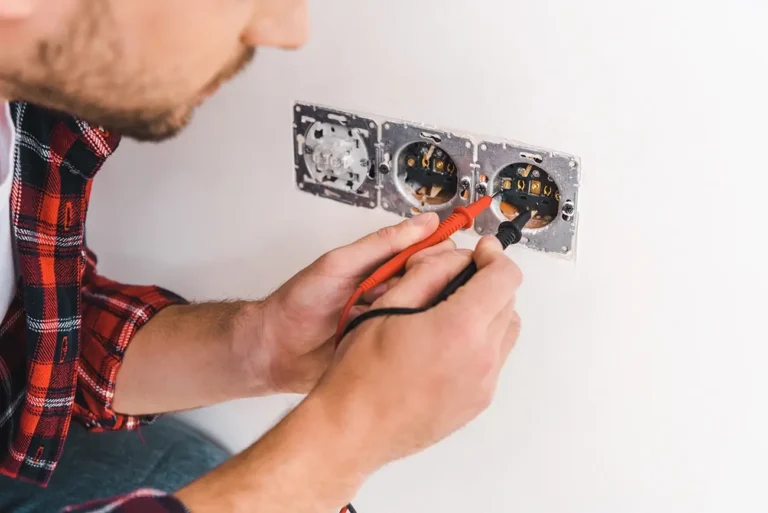
You go to charge your phone, but the outlet doesn't work. Most people assume the outlet just "died," but electrical outlets don't typically fail on their own. Dead outlets usually result from tripped GFCI circuits, loose wiring connections, or worn-out outlet contacts.
Many homes built before 2005 have outlets with worn contacts that no longer grip plugs securely. This creates heat, sparks, and fire hazards. Sometimes the problem extends beyond the outlet itself to loose wire connections inside the electrical box.
When to call a pro: If multiple outlets stop working simultaneously, if outlets feel loose when you plug things in, or if you notice any burn marks around the outlet.
7. Burning Smells from Electrical Components
This one's non-negotiable. Any burning smell near outlets, light switches, your electrical panel, or appliances indicates electrical components are overheating. This happens when wires carry more current than they're designed for, creating dangerous heat buildup.
The smell might be subtle – like hot metal or burning plastic. Don't assume it's just dust burning off a heater or something else harmless. Electrical fires often start small and build gradually.
When to call a pro: Immediately. Turn off the circuit if you can identify the source, and call an emergency electrician right away. Don't wait to see if the smell goes away.
8. EV Charger Overloads
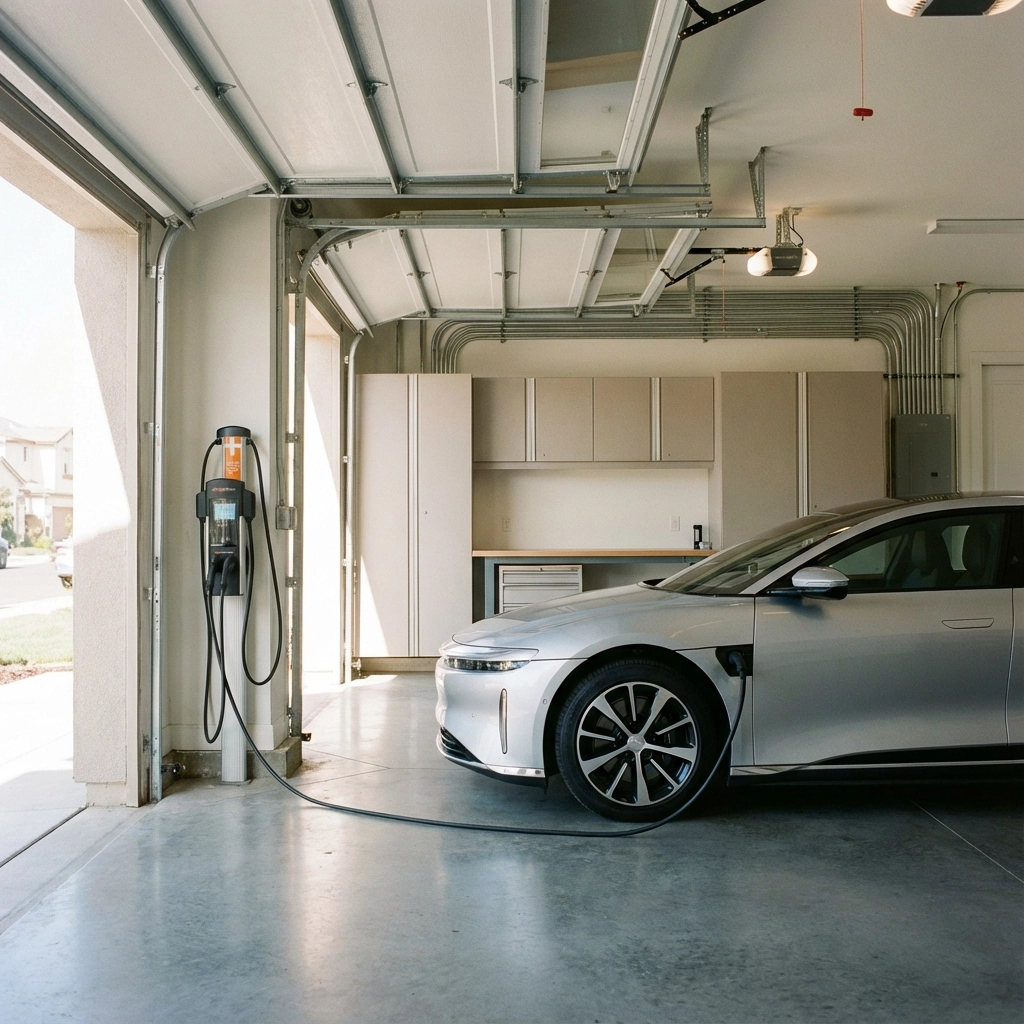
Electric vehicle adoption is skyrocketing in Atlanta, but many homeowners don't realize that Level 2 EV chargers require dedicated electrical circuits. Installing an EV charger without proper load calculations puts enormous strain on your electrical system.
Here's what that really means: a Level 2 charger draws as much power as a large air conditioning unit running continuously. If your electrical panel wasn't designed for this additional load, you'll experience frequent breaker trips, overheating wires, and potential fire hazards.
When to call a pro: Before installing any EV charger, and definitely if your charger causes frequent breaker trips or if you notice burning smells near your electrical panel.
9. Outdated or Damaged Wiring
Atlanta has plenty of older homes with electrical systems designed for a simpler time. Knob-and-tube wiring from the early 1900s, aluminum wiring from the 1960s-70s, or even copper wiring from the 1980s might not handle today's electrical demands.
Consider this: homes built 30 years ago weren't designed for multiple phone chargers, large flat-screen TVs, high-efficiency appliances, and all the electronic devices we use daily. Aging wiring develops loose connections, insulation breaks down, and circuit capacity becomes inadequate.
When to call a pro: If your home is more than 30 years old and you haven't had an electrical inspection, or if you notice frequent electrical problems throughout different areas of your house.
10. DIY Electrical Code Violations
YouTube makes electrical work look easy, but DIY electrical mistakes create serious safety hazards. Common violations include missing junction boxes, overloaded circuits, spliced wires without proper connectors, and incorrect breaker sizes for specific circuits.
Most people think they're saving money by doing electrical work themselves. The reality? Insurance companies may not cover fire damage from unpermitted electrical work, and the safety risks to your family far outweigh any cost savings.
When to call a pro: For any electrical work beyond changing light bulbs or plugging in appliances. Electrical permits exist for good reasons – they ensure work meets safety codes that protect your family.
Don't Wait for an Emergency
Here's the bottom line: your electrical system talks to you every day through these warning signs. Ignoring flickering lights, frequent breaker trips, or hot outlets doesn't make problems disappear – it makes them worse.
Professional electricians have the training, tools, and experience to diagnose electrical problems safely and correctly. They can identify issues you might miss and prevent small problems from becoming expensive emergencies.

Ready to Get Your Electrical System Back on Track?
If you've recognized any of these warning signs in your Atlanta home, don't wait for a complete electrical failure or safety emergency. The team at Radiant Electric provides reliable electrical services throughout Atlanta and surrounding areas.
Our licensed electricians diagnose electrical problems quickly and provide honest, upfront pricing for all repairs and upgrades. Whether you need emergency electrical service or want a comprehensive electrical inspection, we're here to keep your family safe and your electrical system running smoothly.
Contact Radiant Electric today for professional electrical service you can trust. Your home's electrical system is too important to leave to chance.