
Electrical Permit Basics in Gwinnett County (What Homeowners Should Know)
You're finally ready to upgrade that outdated electrical panel. Or maybe you're adding a home office and need some new circuits. You've got the contractor lined up, you know what you want done, and then someone mentions: "Did you pull a permit for that?"
And suddenly you're wondering what exactly that means and whether you actually need one.
If you're a homeowner in Gwinnett County, understanding electrical permits doesn't have to feel like deciphering a foreign language. This isn't about scaring anyone or making the process seem more complicated than it is. It's about giving you the knowledge to handle your home projects the right way, safely and legally.
What Exactly Is an Electrical Permit?
An electrical permit is basically official permission from Gwinnett County to perform certain electrical work on your property. Think of it like checking in with the county to say, "Hey, I'm making these changes to my electrical system, and I want to make sure it's done correctly."
Here's what that really means for you: When you pull a permit, the county sends an inspector to verify the work meets current electrical codes. This protects you, your family, and your home.
The permit process exists for one main reason: safety. Electrical work done incorrectly can cause fires, electrocution, and damage to your home's systems. The inspection that comes with a permit catches potential problems before they become dangerous.

When Do You Need an Electrical Permit in Gwinnett County?
Most people think permits are only for major construction projects. That's actually not the case. In Gwinnett County, you need a permit whenever you alter, install, or repair your home's electrical system.
Here's the rundown of projects that require permits:
- Adding new circuits or modifying existing ones (like installing a dedicated 240V circuit for your new electric dryer)
- Electrical service upgrades (upgrading from 100 to 200 amps to handle modern electrical demands)
- Complete electrical rewiring or major renovations
- Generator installations or backup power systems
- Electrical work for pools, spas, and hot tubs
- Solar panel installations
- 240-volt EV charger installations (those Level 2 chargers that juice up your electric vehicle faster)
- Power reconnections after storm damage, fire, or accidental damage
- Electrical work for accessory structures like detached garages, workshops, or sheds
Marcus, a homeowner in Lawrenceville, learned this the hard way when he had a buddy install a subpanel in his garage workshop. Everything seemed fine until he went to sell his house two years later. The home inspector flagged the unpermitted work, and Marcus had to pay to have it inspected and brought up to code before closing. What should have been a simple permit upfront turned into a much bigger headache.
When You Don't Need a Permit
Good news: not every electrical task requires a trip to the permit office.
These typically don't require permits in Gwinnett County:
- Replacing light fixtures with similar fixtures
- Swapping out electrical outlets or switches
- Routine maintenance and minor repairs
- Low-voltage work (like doorbell systems or thermostats)
- Replacing a ceiling fan where one already exists
A word of caution here: If you're unsure whether your project needs a permit, it's always smart to check with Gwinnett County's Planning & Development Department before you start. A quick phone call can save you from problems down the road.
Who Can Actually Do the Work?
This is where things get specific to your situation.
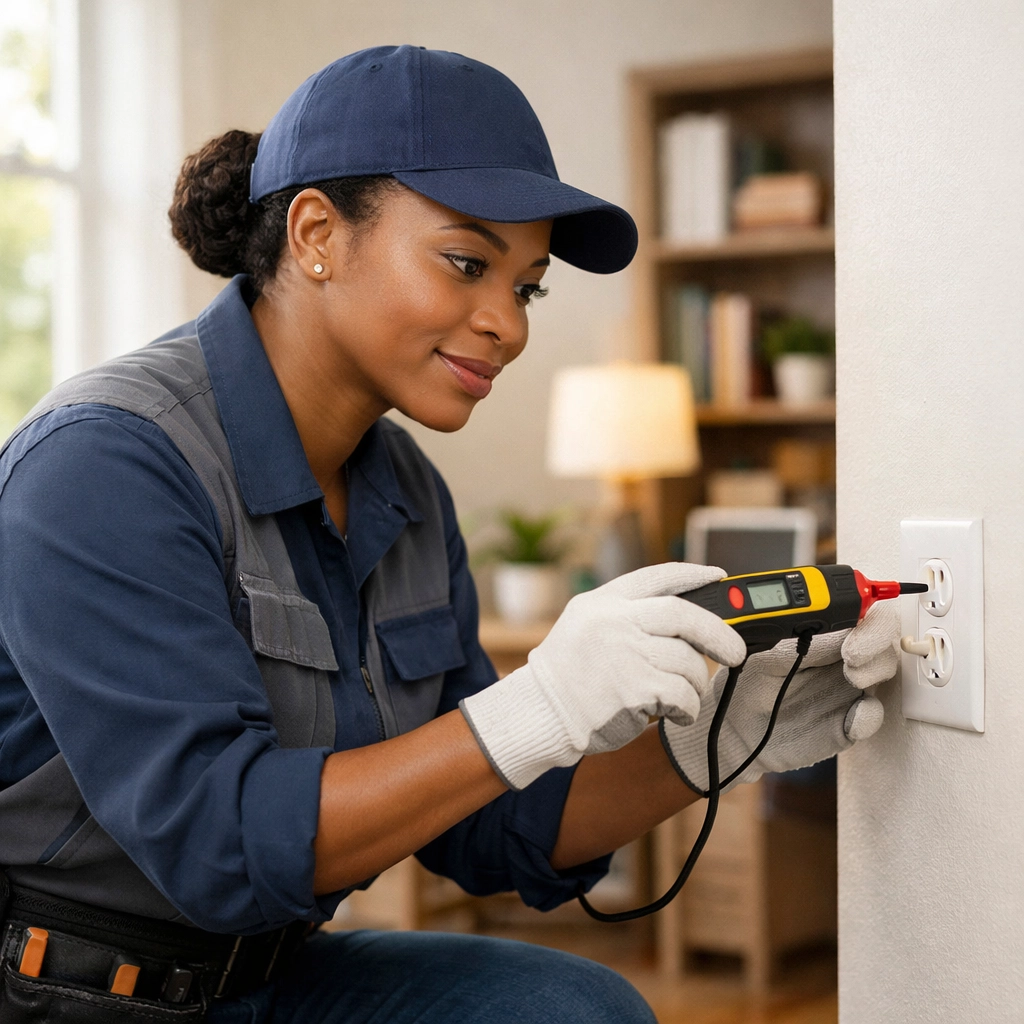
If you're a homeowner living in the property as your primary residence: You can perform electrical work yourself and submit your own permit application. You'll need to sign an affidavit confirming you're the homeowner and that you'll be doing the work.
If you're hiring someone: They must be a Georgia State Licensed electrical contractor. No exceptions. Your neighbor who's "really handy" doesn't count, no matter how confident they seem.
If you own rental property: You cannot do the work yourself, even if you're a skilled electrician. Rental properties require a licensed electrical contractor to perform all permitted work.
This distinction matters. The county takes these rules seriously, and violations can result in fines, required work removal, or issues when you try to sell your property.
How to Apply for an Electrical Permit in Gwinnett County
The application process is more straightforward than most people expect.
In-person applications:
Head to 446 West Crogan Street, Lawrenceville, Georgia 30046, Suite 125. They're open Monday through Friday, 8:00 a.m. to 4:00 p.m.
Online applications:
Gwinnett County offers online permit submissions through their online services portal, which is convenient if you'd rather handle things from home.
What you'll need to bring or submit:
- If you're doing the work yourself: A signed homeowner affidavit
- If you're hiring a contractor: The licensed electrician submits a sub-contractor electrical affidavit
- For commercial projects over $100,000: Plans sealed by a Georgia State Licensed Electrical Engineer
Most residential permits get processed relatively quickly, but give yourself some buffer time before you need the work completed.
What Happens If You Skip the Permit?
Homeowners often believe that skipping the permit saves time and money. Here's what actually happens:
During ownership:
- If discovered, you may face fines from the county
- You could be required to remove finished walls or ceilings so inspectors can see the work
- Your homeowner's insurance might not cover damage from unpermitted electrical work
When selling your home:
- Home inspectors frequently identify unpermitted work
- Buyers may demand the work be permitted and inspected before closing
- You might have to pay for corrections plus permit fees: often at a higher cost than doing it right the first time
The bigger picture:
Unpermitted electrical work that's done incorrectly puts your family at risk. Electrical fires don't always happen immediately. Sometimes faulty wiring causes problems years later, long after everyone's forgotten about the work that was done.

Common Misconceptions About Electrical Permits
"Small projects don't need permits."
Size doesn't determine permit requirements. Adding a single 240V outlet for your electric stove requires a permit, even though it seems minor.
"The inspector just wants to find problems."
Inspectors aren't there to make your life difficult. They're checking that your home's electrical system is safe. Most inspections go smoothly when the work is done correctly.
"My contractor said we don't need one."
If a contractor suggests skipping permits, that's a major red flag. Licensed professionals know permit requirements and follow them. A contractor who avoids permits might also be cutting other corners.
"I'll just get the permit later if I need to."
Retroactive permits are more complicated and expensive. Inspectors may require you to expose wiring that's already been covered up, adding cost and hassle.
How Radiant Electric Makes This Easy
Dealing with permits and inspections can feel overwhelming, especially when you just want your electrical project completed safely.
That's where working with a professional team like Radiant Electric makes a difference. When you hire us for your Gwinnett County electrical projects, we handle the permit process from start to finish. We know exactly what Gwinnett County requires, we submit the paperwork correctly the first time, and we schedule inspections at the right stages of your project.
Whether you need a panel upgrade, EV charger installation, or generator installation in Gwinnett County, our licensed electricians ensure everything is done to code and properly permitted.
Have questions about a specific project? Check out our FAQs or reach out to our team directly.
The Bottom Line
Electrical permits in Gwinnett County exist to keep your home and family safe. They're not bureaucratic red tape designed to slow you down: they're a verification system that ensures electrical work meets safety standards.
Remember these key points:
- Most electrical alterations, installations, and repairs require permits
- Homeowners can do their own work on primary residences with proper permits
- Always use Georgia State Licensed contractors when hiring out
- Submit applications in person at the Lawrenceville office or online
- Skipping permits creates liability, insurance, and resale problems
When you approach your next electrical project with permit requirements in mind from the start, you'll avoid complications and have peace of mind knowing your home's electrical system is safe and up to code. And that's something every Gwinnett County homeowner deserves.