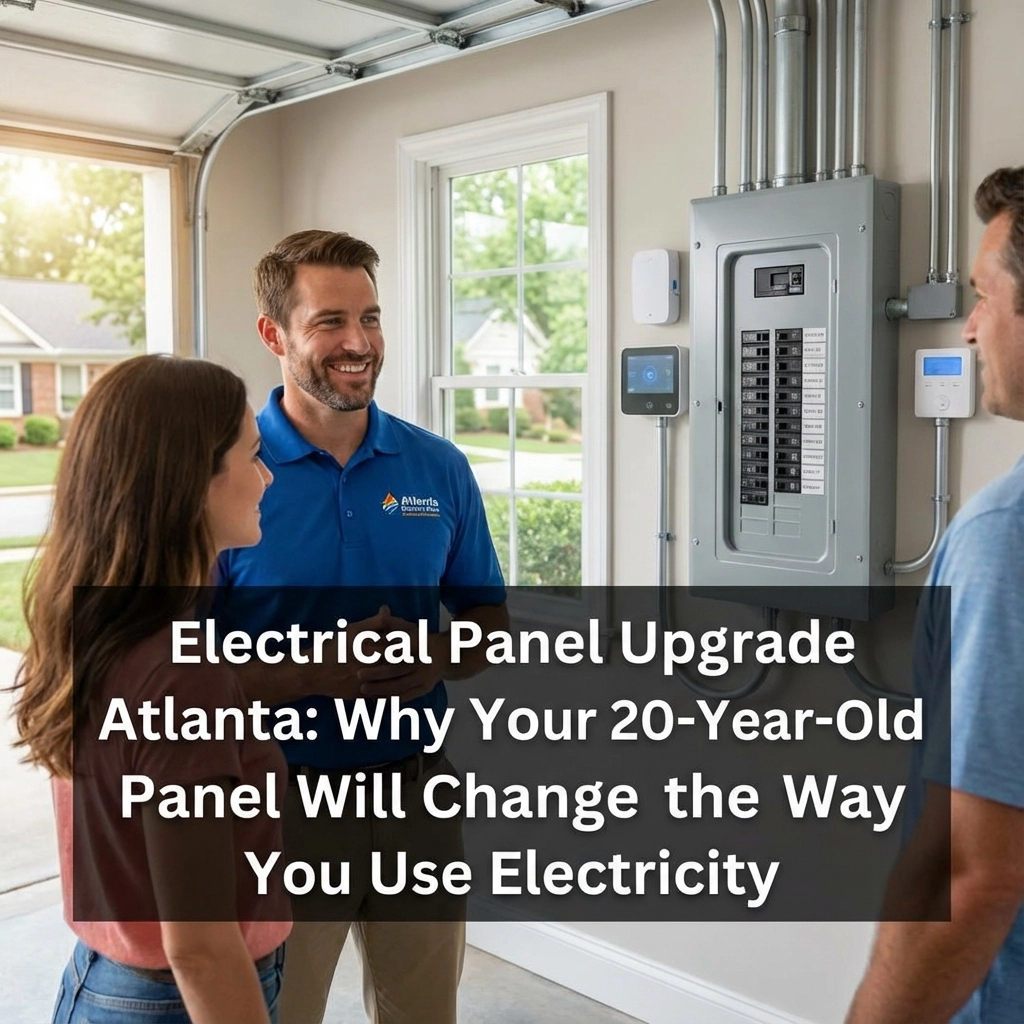
Electrical Panel Upgrade Atlanta: Why Your 20-Year-Old Panel Will Change the Way You Use Electricity
Picture this: You're making dinner while your teenager charges their laptop upstairs, the dishwasher is running, and someone just plugged in an electric car in the garage. Suddenly: click: the breaker trips, and half your kitchen goes dark.
Sound familiar? If your home has a 20-year-old electrical panel, you're probably nodding your head right now.
This isn't about scaring anyone. Your electrical panel has been working hard for two decades, but the way we use electricity today is completely different from when it was installed. What seemed like plenty of power back then simply can't keep up with how modern families actually live.
Your 20-Year-Old Panel Was Built for a Different World
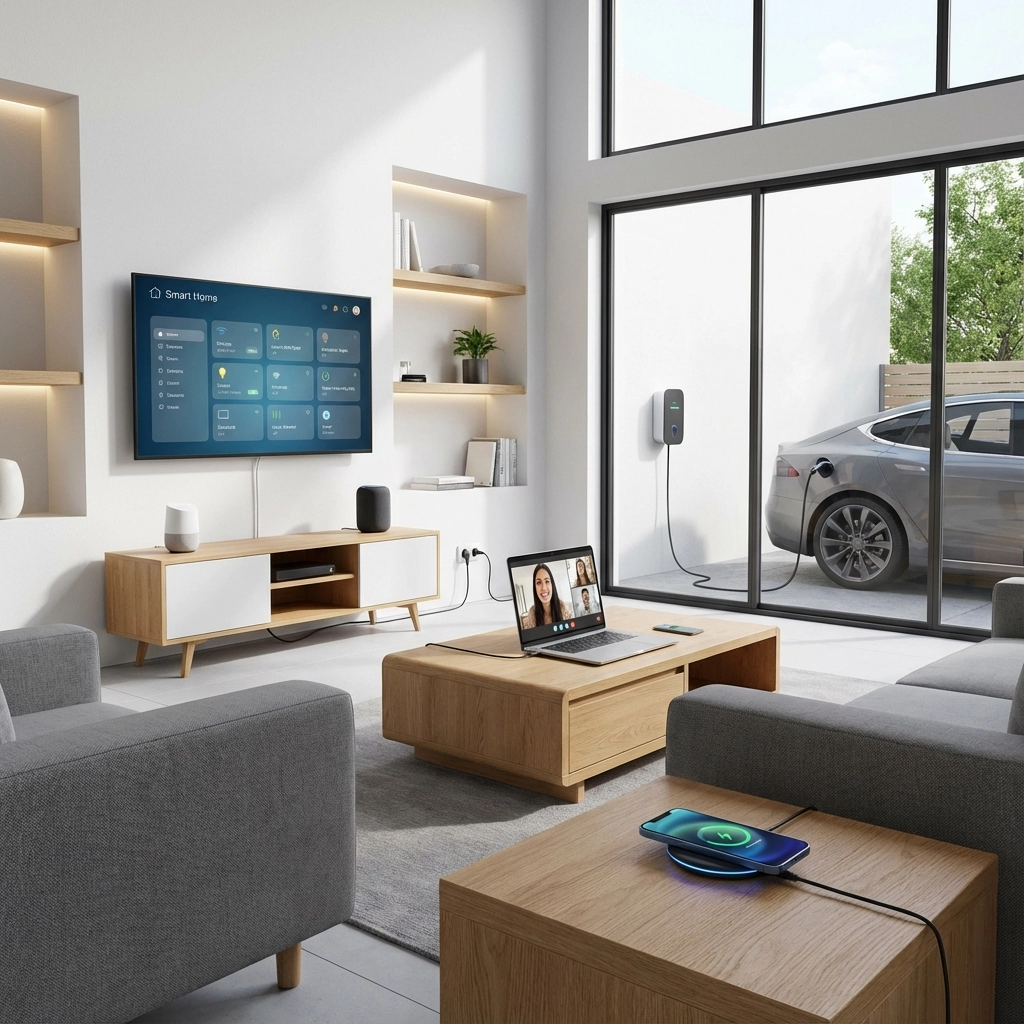
Here's what that really means: In 2005, the average home had maybe one computer, basic appliances, and a few entertainment devices. Today? You've got smart home systems, multiple devices charging simultaneously, high-efficiency HVAC systems, and possibly an electric vehicle charger. Your panel is like trying to run today's technology on dial-up internet: it's just not equipped for the job.
Most people think their electrical panel should last forever, but that's not how electrical systems work. A 20-year-old panel is approaching the point where modern electrical demands exceed what it was designed to handle safely and efficiently.
The Safety Signals You Shouldn't Ignore
Your aging panel sends clear warning signals when it's struggling. These aren't catastrophic failures: they're your home's way of telling you it needs help:
Frequent breaker trips: If you can't run the microwave and hair dryer at the same time without losing power, your panel is telling you it's maxed out. This is actually your panel doing its job: protecting your home by shutting down when it detects overload.
Flickering lights: When lights dim or flicker as appliances kick on, it signals your panel is struggling to distribute power evenly. Think of it like your home's electrical highway getting backed up during rush hour.
Warm electrical panels: Your panel should never feel warm to the touch. Heat indicates your electrical components are working harder than they should, which creates wear and potential safety issues over time.
Burning smells near the panel: This is your most urgent warning signal. Any unusual odors around electrical equipment need immediate professional attention.
Modern Life Demands More Power Than Ever
Let's break down the numbers. A typical 2005 home might have needed 100-150 amps of electrical capacity. Today's homes often require 200 amps or more. Here's why:
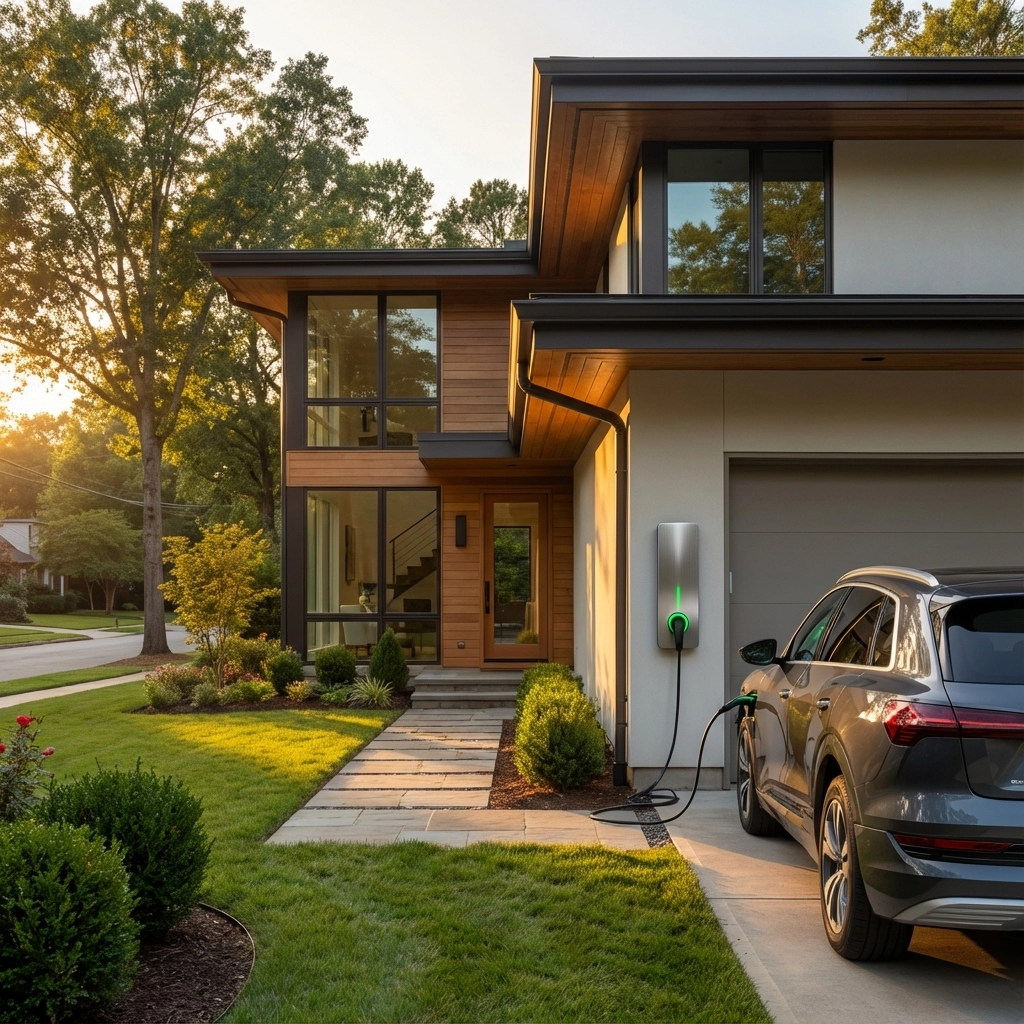
Electric vehicle charging: A Level 2 EV charger alone can draw 40-50 amps: that's nearly half the capacity of an older 100-amp panel.
Smart home technology: Your Wi-Fi router, smart thermostats, security cameras, and voice assistants all need constant power, even when you're not actively using them.
High-efficiency appliances: Ironically, today's "energy-efficient" appliances often require more instantaneous power, even though they use less electricity overall.
Work-from-home setups: Multiple computers, monitors, printers, and video conferencing equipment create electrical loads that didn't exist when your panel was installed.
How an Upgrade Changes Everything
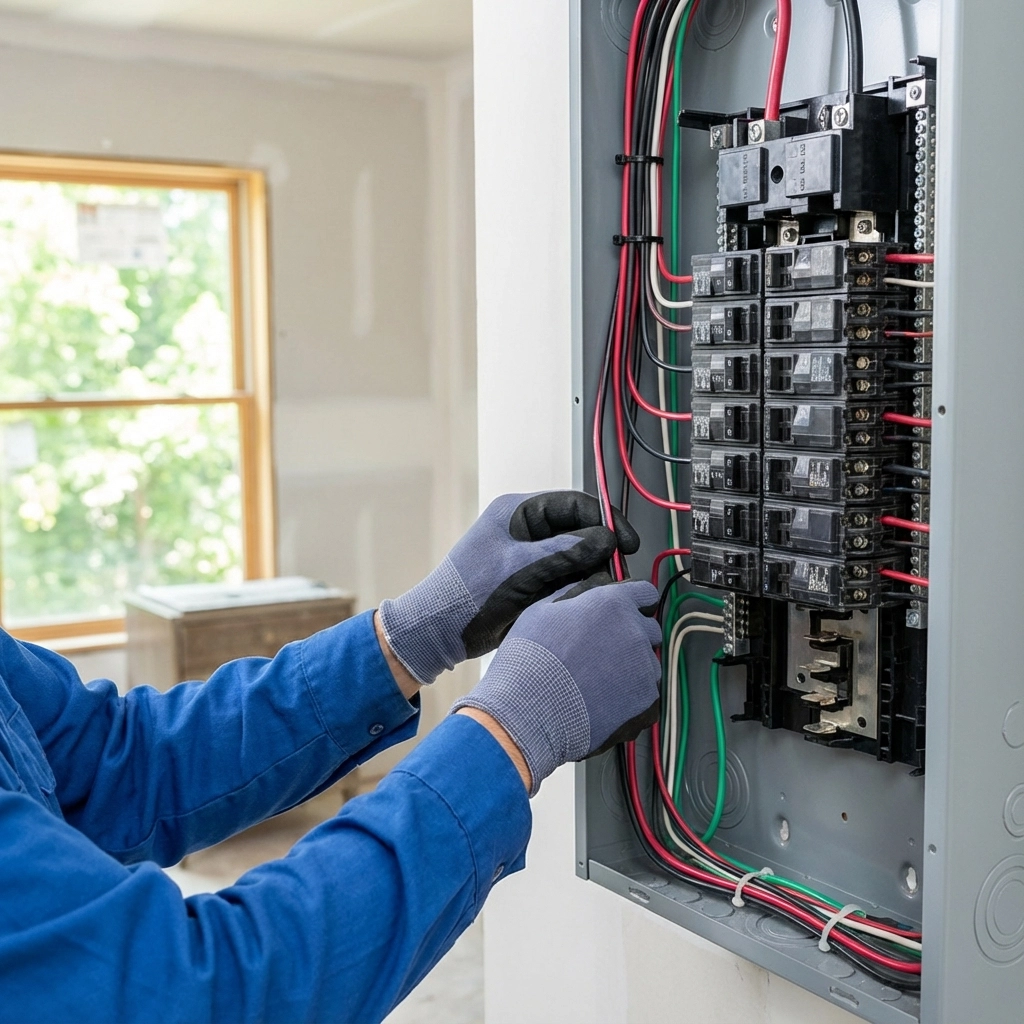
When we upgrade your electrical panel, you're not just getting more circuits: you're fundamentally transforming how electricity flows through your home. Here's what actually changes:
Reliable power distribution: No more choosing between the dishwasher and the vacuum cleaner. A properly sized modern panel lets you use your home the way you want to use it.
Future-ready capacity: Planning to install central air? Add a hot tub? Upgrade to electric heating? A new panel gives you the flexibility to expand without another major electrical project.
Enhanced safety systems: Modern panels include advanced safety features like arc fault circuit interrupters (AFCIs) and ground fault circuit interrupters (GFCIs). These are like having a super-smart safety guard monitoring every electrical circuit in your home 24/7.
Better energy efficiency: When your electrical system isn't constantly struggling, it operates more efficiently. This translates to lower energy bills and less wear on your appliances.
The Financial Reality
Most homeowners worry about the upfront cost of a panel upgrade, but here's the full picture: Continuing to operate on an outdated system often costs more in the long run. You'll face higher energy bills, potential appliance damage from power fluctuations, and limited ability to add modern conveniences.
An upgraded panel typically increases your home's value significantly. When potential buyers see a recently upgraded electrical system, they know they won't face immediate major electrical expenses.
Signs It's Time to Make the Change
Your home gives you clear indicators when it's time to upgrade:
- Age alone: If your panel is 20+ years old, it's worth having a professional evaluation
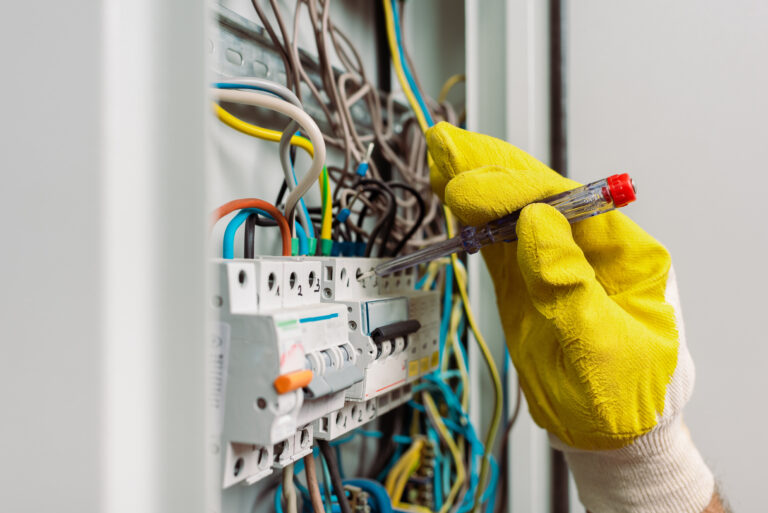
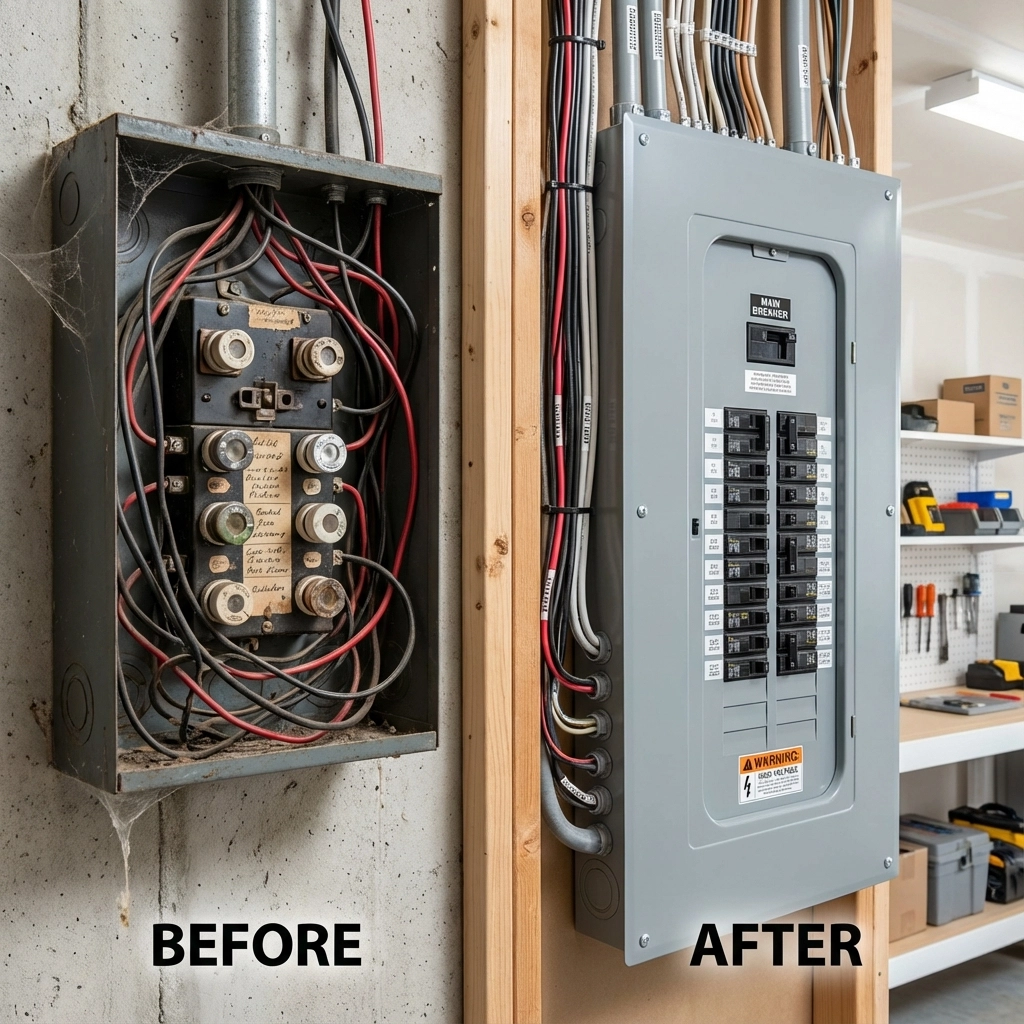
- Inadequate circuit count: Older panels often have 8-12 circuits; modern homes typically need 20-30 circuits
- Fuse boxes: If you still have fuses instead of breakers, an upgrade is definitely overdue
- Adding major appliances: Planning any 240V appliances like an electric dryer, EV charger, or hot tub
- Home renovations: Adding square footage or finishing a basement requires additional electrical capacity
The Radiant Electric Advantage
Upgrading an electrical panel isn't a DIY weekend project. This work requires deep knowledge of electrical systems, local codes, and safety protocols. One mistake can create serious safety hazards or expensive damage.
At Radiant Electric, we've been upgrading panels throughout the Atlanta metro area for years. We understand Georgia's specific electrical requirements and how local weather conditions affect electrical systems. Our team ensures your upgrade meets all current safety standards while providing the capacity your household actually needs.
We also coordinate with Georgia Power for any necessary utility work, pull all required permits, and ensure your upgrade passes inspection the first time. This isn't just about installing a new box: it's about creating a complete electrical infrastructure that serves your family safely for decades to come.
What to Expect During an Upgrade
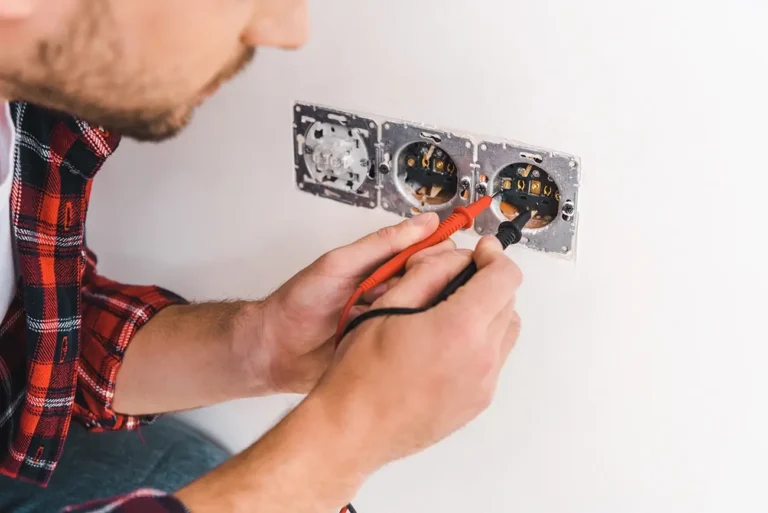
The upgrade process typically takes 4-8 hours, depending on your home's specific needs. We'll temporarily disconnect your power, install the new panel, rewire connections, and test every circuit before restoring electricity.
We handle all the technical details: proper grounding, adequate clearances, code compliance, and integration with your existing wiring. You'll end up with a clean, professional installation that looks as good as it performs.
The Bottom Line
Your 20-year-old electrical panel has served you well, but modern life demands more than it can safely provide. An upgrade isn't just about solving current problems: it's about giving your family the electrical freedom to live the way you want without constantly managing power limitations.
If you're ready to stop playing electrical Tetris every time you want to use multiple appliances, it might be time for a conversation about upgrading. Your home, your family's convenience, and your peace of mind are all worth that investment.
Ready to explore what an electrical panel upgrade could do for your Atlanta home? Contact Radiant Electric for a professional assessment. We'll help you understand exactly what your home needs and create a plan that fits your family's lifestyle and budget.