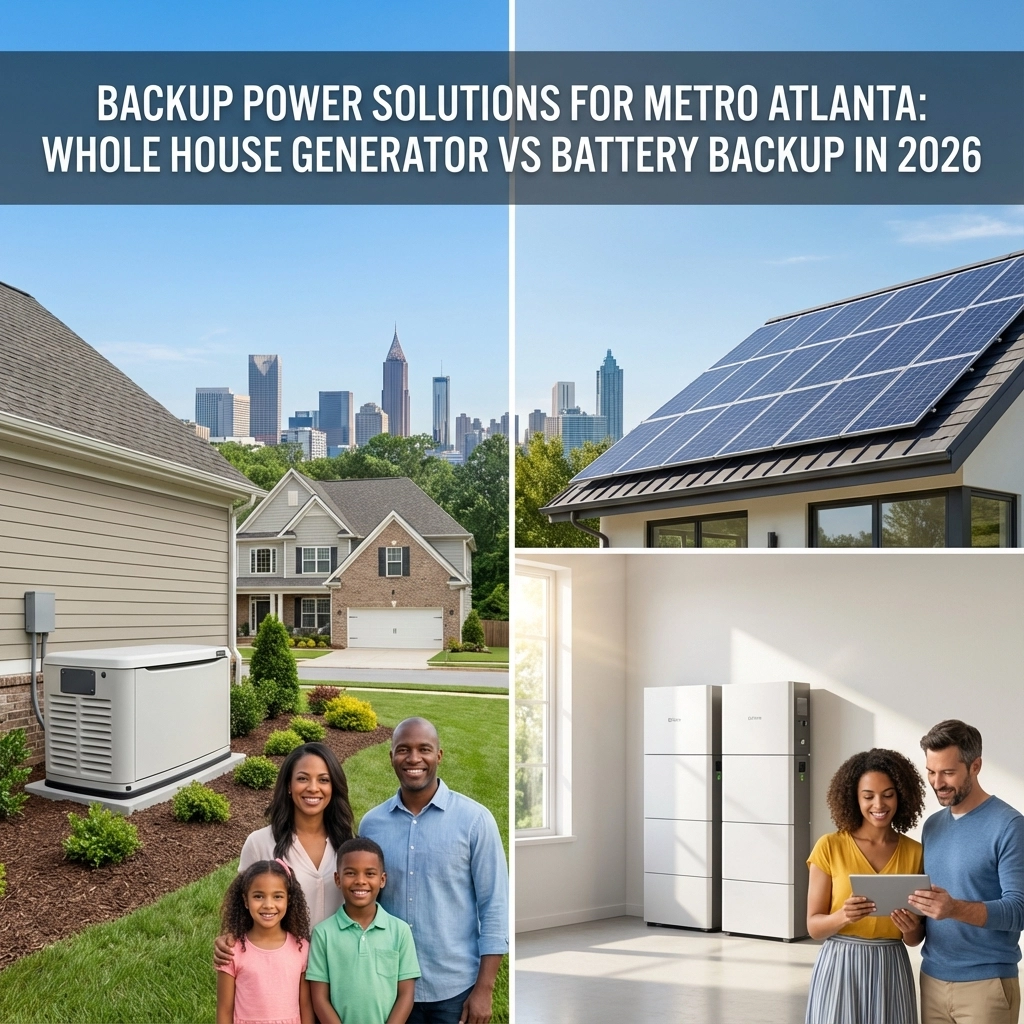
Backup Power Solutions for Metro Atlanta: Whole House Generator vs Battery Backup in 2026
Picture this: You're working from home on a crucial project deadline when severe thunderstorms roll through Gwinnett County. The lights flicker once, twice, then everything goes dark. Your computer shuts down, your Wi-Fi dies, and you're left wondering how long Georgia Power will take to restore service this time.
This scenario plays out thousands of times each year across Metro Atlanta. The question isn't whether you'll lose power: it's when, and for how long. That's where backup power solutions come in, but choosing between a whole house generator and a battery backup system can feel overwhelming.
This isn't about scaring anyone into making hasty decisions. It's about understanding your options so you can make the right choice for your specific situation, budget, and power needs.
Understanding Your Power Options
When we talk about backup power, we're really discussing two fundamentally different approaches to keeping your lights on during outages.
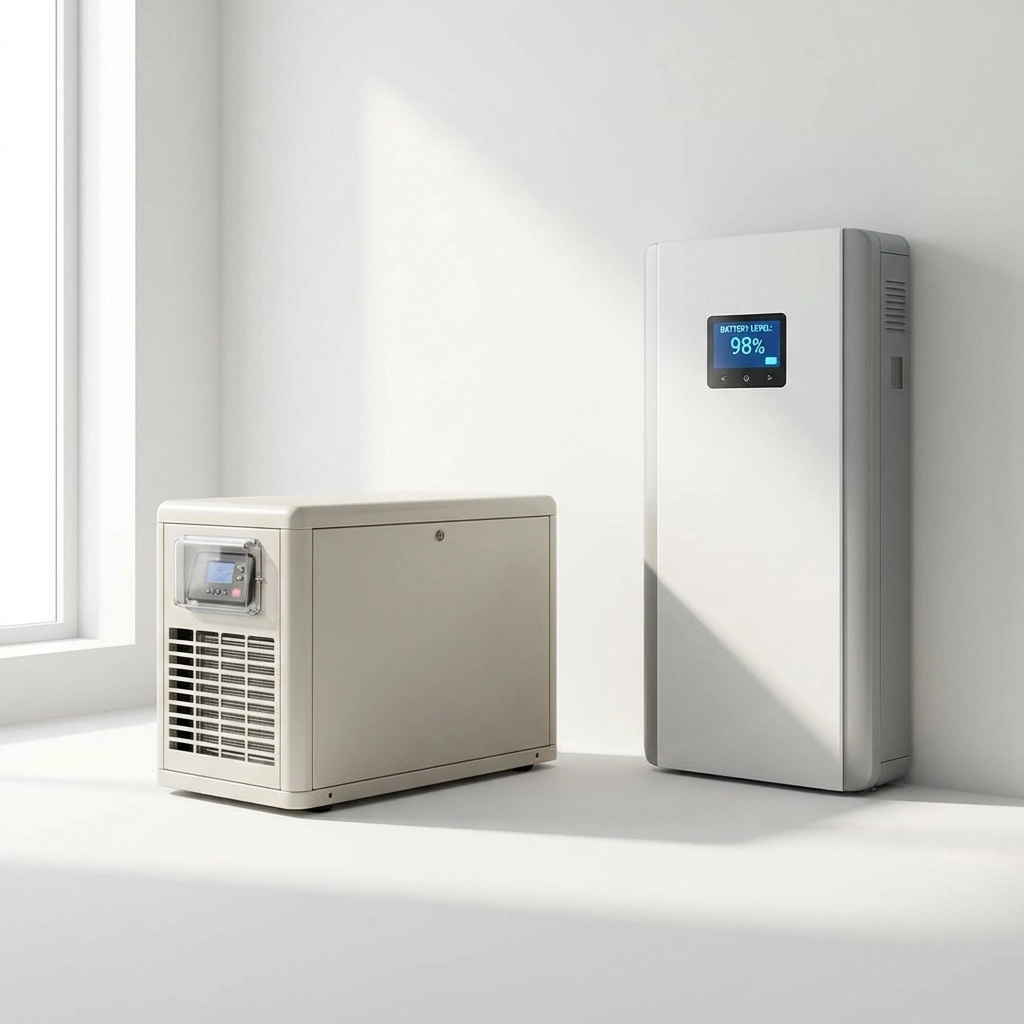
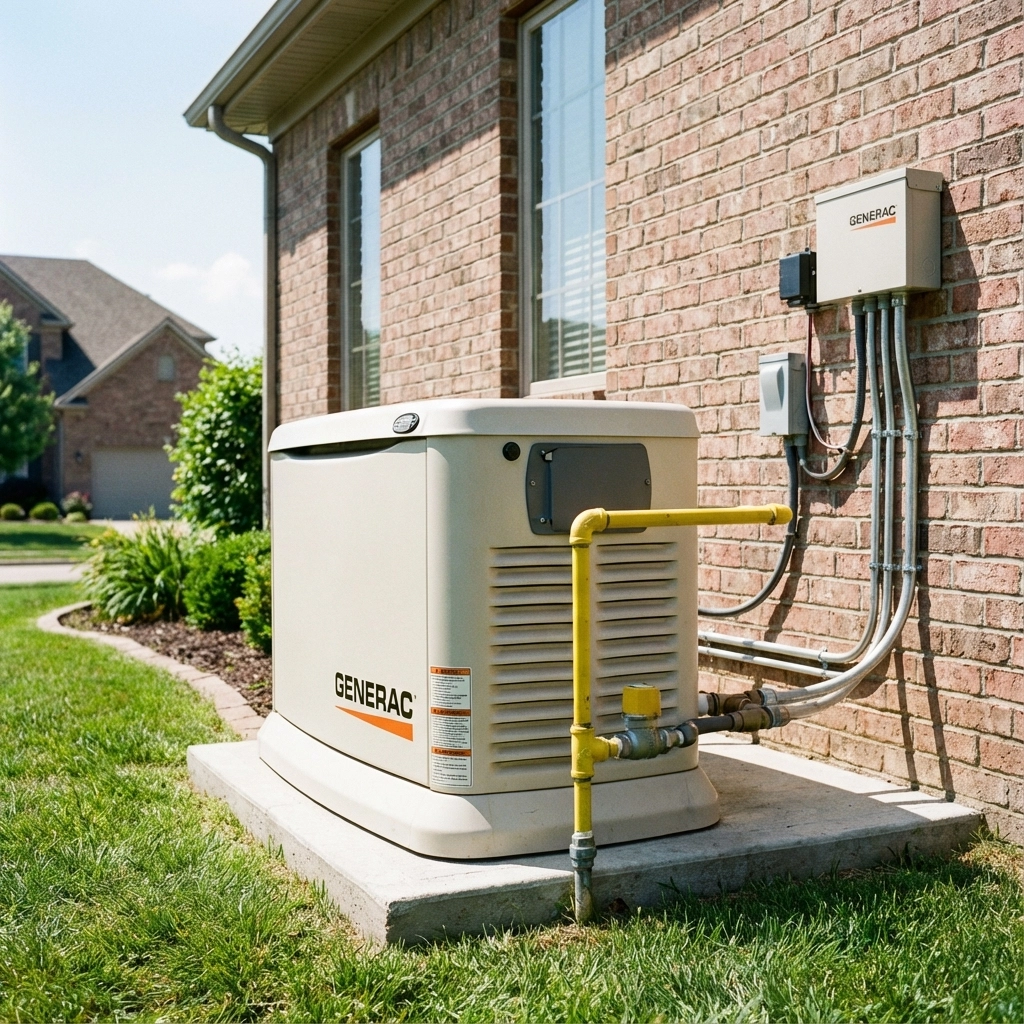
Whole house generators are essentially miniature power plants that run on natural gas or propane. They detect when your main power goes out and automatically fire up to restore electricity throughout your entire home.
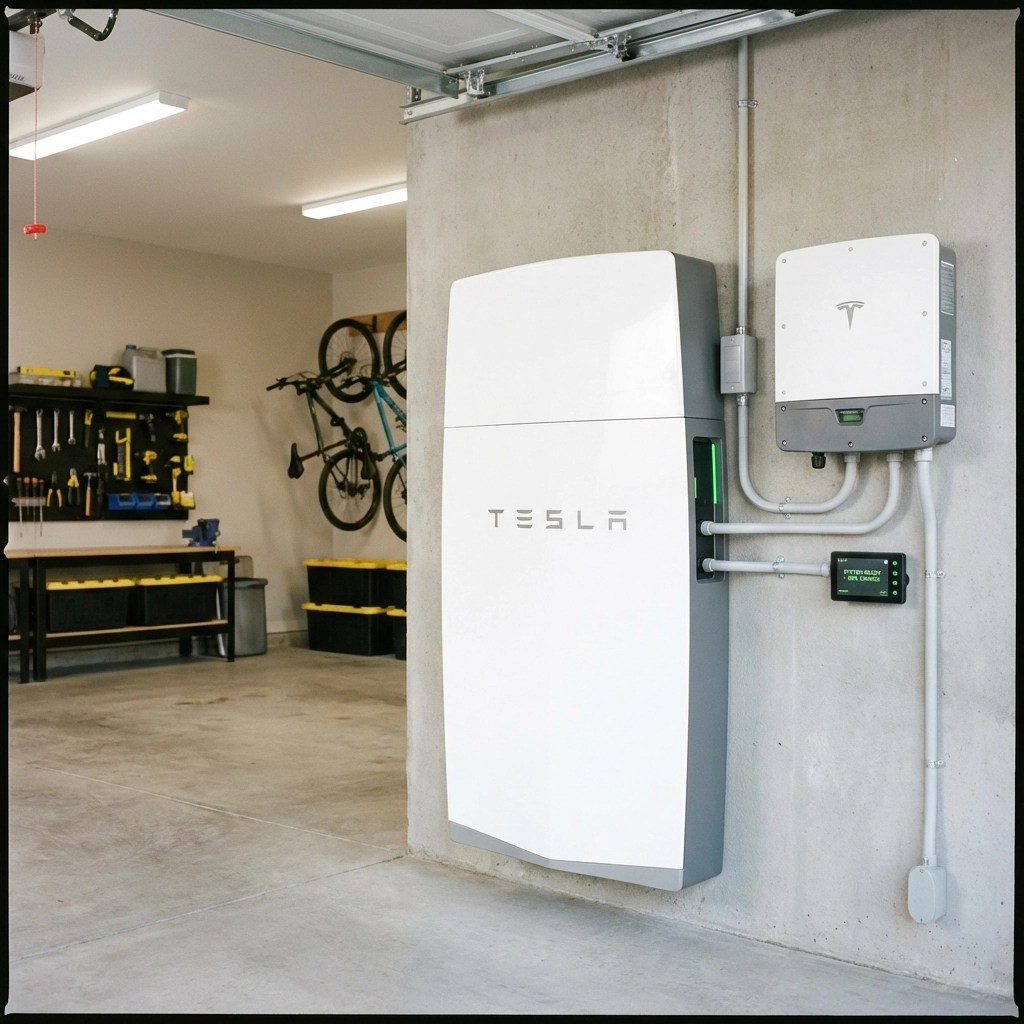
Battery backup systems store electricity: either from the grid or solar panels: in large batteries that kick in when the power fails. Think of them as massive versions of the power banks you use for your phone, but sized to run your refrigerator, lights, and essential appliances.
Here's what that really means: generators create power on-demand, while batteries release stored power. This fundamental difference shapes everything else about how these systems work, what they cost, and when they make sense.
Whole House Generators: The Powerhouse Solution
Whole house generators have been the go-to choice for Metro Atlanta homeowners who want comprehensive backup power. Here's why they've maintained their popularity and what you need to know.
How They Work
When your utility power cuts out, a transfer switch automatically disconnects your home from the grid and starts your generator. Within 10-20 seconds, your entire electrical system is running normally again. You might not even notice the power went out if you're sleeping.
Most systems in our area run on natural gas from your existing gas line, though propane tanks work too. The generator produces AC electricity just like what comes from Georgia Power: your appliances can't tell the difference.
The Benefits for Atlanta Homes
Unlimited runtime tops the list of advantages. As long as your natural gas supply continues (which it typically does during storms), your generator runs indefinitely. During Hurricane Zeta in 2020, some Atlanta residents were without power for over a week. A whole house generator would have kept everything running normally.
Full home coverage means no compromising on comfort. Your air conditioning works during summer outages, your heat pumps function in winter, and you can run multiple appliances simultaneously without worrying about power limits.
Proven reliability matters when storms hit. Generators have decades of development behind them and perform consistently in all weather conditions: rain, snow, or blazing Georgia heat.
The Downsides to Consider
Higher upfront costs represent the biggest barrier for most homeowners. Installation typically runs $8,000-$15,000 for a properly sized system, including the transfer switch and electrical work.
Ongoing maintenance requirements include oil changes, filter replacements, and periodic professional servicing: similar to maintaining a car. Budget $300-$500 annually for proper upkeep.
Noise and emissions can't be ignored. Even quieter models produce 60-70 decibels during operation (like a loud conversation), and they burn fossil fuels, producing exhaust.
Battery Backup Systems: The Modern Alternative
Battery technology has evolved dramatically in recent years, making whole-home backup increasingly practical for Metro Atlanta residents. Here's how these systems stack up.
How Battery Systems Work
Large lithium-ion batteries store electricity when the grid is functioning normally. During outages, an inverter converts that stored DC power into usable AC electricity for your home. The transition happens in milliseconds: faster than most electronics even notice.
Many systems integrate with solar panels, allowing the batteries to recharge from sunlight during extended outages. Without solar, batteries rely on stored grid electricity and gradually deplete until power returns.
The Modern Advantages
Silent operation tops the list for many homeowners. Battery systems make no noise whatsoever, keeping peace with neighbors and maintaining your quiet environment.
Environmental benefits matter increasingly to Metro Atlanta residents. When paired with solar panels, battery systems provide completely clean backup power. Even grid-charged batteries typically generate fewer emissions than gas generators.
Smart home integration allows sophisticated energy management. Many systems can be programmed to use stored power during peak rate periods, potentially saving money even when the grid is functioning normally.
No fuel requirements eliminate ongoing costs and supply concerns. You'll never worry about propane deliveries or natural gas availability.
Battery System Limitations
Limited capacity represents the primary constraint. Most residential battery systems store enough power for 4-12 hours of typical home usage, depending on what you're running and how many batteries you install.
High initial investment often exceeds generator costs. A whole-home battery system typically runs $15,000-$30,000, though federal tax credits can reduce this significantly.
Recharging limitations become critical during extended outages. Without solar panels, batteries can't recharge until grid power returns. Even with solar, cloudy weather reduces charging capacity.
Cost Comparison: What You'll Really Pay
Understanding the true cost means looking beyond initial purchase prices to include installation, maintenance, and operational expenses over time.
Whole House Generator Costs
- Equipment: $4,000-$8,000 for 10-22kW systems
- Installation: $3,000-$6,000 including electrical work and permits
- Annual maintenance: $300-$500
- Fuel costs: Minimal for natural gas, varies for propane
- Total first-year cost: $8,000-$15,000
Battery Backup Costs
- Equipment: $12,000-$25,000 for whole-home systems
- Installation: $3,000-$6,000
- Annual maintenance: Under $100
- Federal tax credit: 30% of total system cost (through 2032)
- Total first-year cost: $10,500-$21,700 (after tax credit)
Most homeowners find generators more budget-friendly upfront, while battery systems can provide better long-term value when paired with solar and time-of-use electricity rates.
Metro Atlanta Weather Considerations
Our local climate patterns significantly influence which backup power solution makes sense for your situation.
Storm Frequency and Duration
Metro Atlanta experiences severe weather year-round. Summer thunderstorms cause brief outages lasting 1-4 hours, while winter ice storms and tropical systems can knock out power for days or weeks.
For brief outages, battery systems handle the load beautifully. Your devices stay connected, food stays cold, and you might not even realize the power went out.
For extended outages, generators provide unlimited runtime as long as fuel supplies continue. This proved crucial during recent ice storms that left some areas without power for over a week.
Grid Reliability Trends
Georgia Power has improved grid reliability significantly, but Metro Atlanta's rapid growth strains infrastructure. Planned rolling blackouts during peak demand periods are becoming more common, especially during extreme heat waves.
Battery systems excel during these planned outages because they can recharge between events. Generators work too but may cycle on and off frequently.
Choosing the Right Solution for Your Needs
The best backup power system depends on your specific circumstances, priorities, and budget. Here's how to think through the decision.
Choose a Generator If You:
- Want unlimited backup power duration
- Have high electricity usage (large homes, lots of appliances)
- Need powerful equipment like well pumps or electric heat
- Prioritize lower upfront costs
- Don't mind routine maintenance
- Already have natural gas service
Choose Battery Backup If You:
- Value silent operation
- Want environmental benefits
- Have or plan to install solar panels
- Experience mostly short-duration outages
- Can take advantage of federal tax credits
- Want smart energy management features
Hybrid Approaches
Some homeowners install both systems, using batteries for daily power management and brief outages while keeping a generator for extended emergencies. This provides maximum flexibility but requires substantial investment.
Making Your Decision
Start by auditing your essential power needs during outages. What absolutely must keep running? Your refrigerator, medical equipment, internet modem, and a few lights represent basic requirements. Air conditioning, electric heat, and whole-home convenience push you toward larger systems.
Consider your budget both upfront and over time. Generators typically cost less initially but require ongoing maintenance. Battery systems cost more upfront but may save money long-term, especially with solar integration.
Think about your priorities beyond just keeping the lights on. If quiet operation matters, batteries win. If unlimited runtime is non-negotiable, generators excel.
Professional Installation Matters
Regardless of which system you choose, professional installation is crucial for safety, performance, and warranty compliance. Both generators and battery systems involve significant electrical work that requires proper permits and inspections.
For expert consultation on backup power solutions in Metro Atlanta, Radiant Electric provides comprehensive evaluations to help you choose the right system for your specific needs. Our team understands local weather patterns, grid reliability, and permit requirements to ensure your backup power system performs when you need it most.
Don't wait for the next storm to start planning. Contact us for a detailed assessment of your home's backup power options and get prepared before the next outage strikes.