
Are You Ready for Solar? 5 Steps to Upgrade Your Electrical Panel Before the 2025 Tax Credit Expires
Let's be honest here – if you're just now reading about electrical panel upgrades for solar, you're probably cutting it close. With the federal solar tax credit expiring on December 31, 2025, we're down to the wire. But this isn't about scaring anyone – it's about giving you the real timeline and helping you make smart decisions, whether that's rushing to meet the deadline or planning properly for the future.
Most homeowners think they can just slap solar panels on their roof and call it a day. Here's what that really means: you're likely in for a surprise when your installer tells you that your electrical panel needs an upgrade first. This happens to about 60% of solar installations, and it's not something you can skip.
Why Your Electrical Panel Matters for Solar
Your electrical panel is like the brain of your home's electrical system. When you add solar panels, you're essentially asking that brain to handle a whole new type of electrical conversation – power coming IN from your roof instead of just flowing OUT to your appliances.
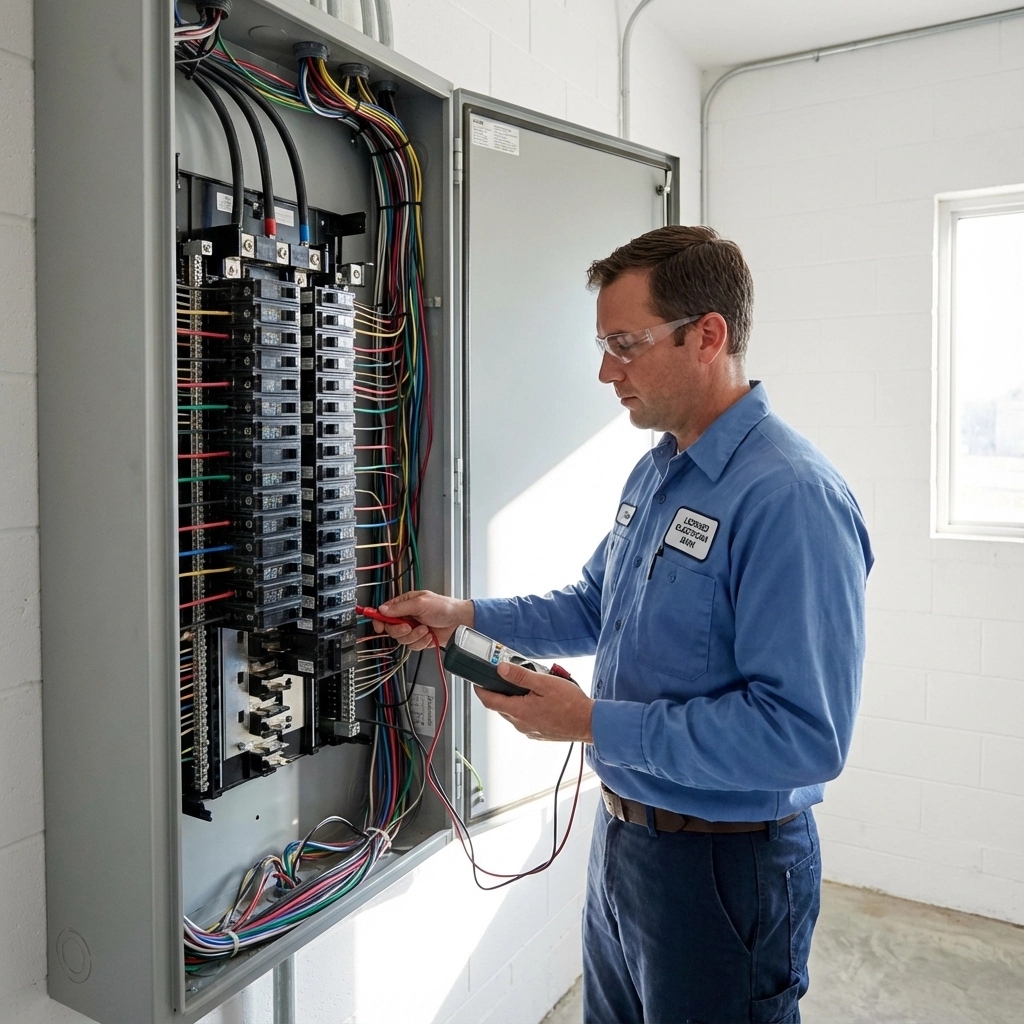
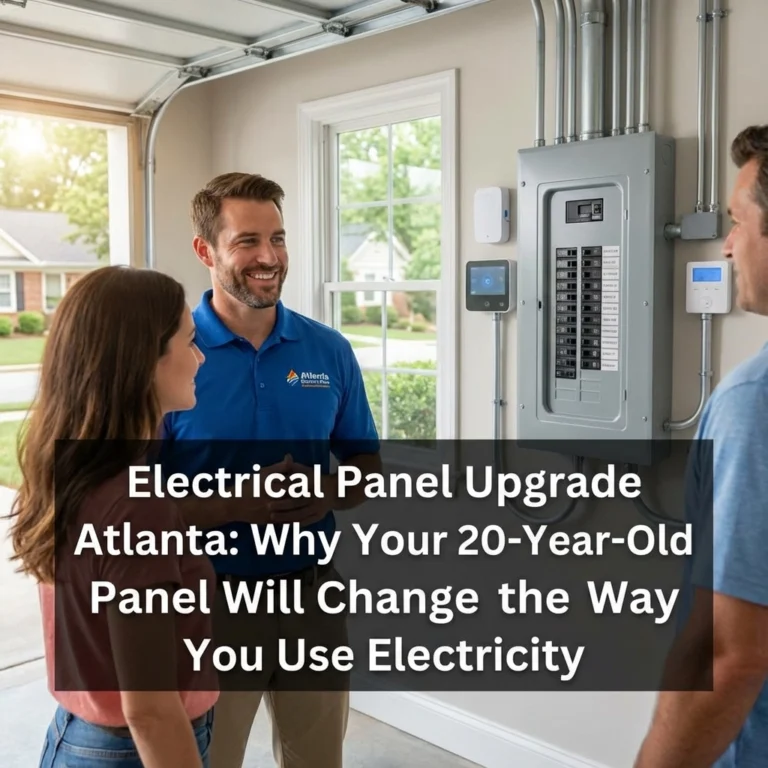
Most people believe their electrical panel can handle anything you throw at it. The reality? If your home was built before 1990, or if you've got one of those old 100-amp panels, you're probably looking at an upgrade. Here's why:
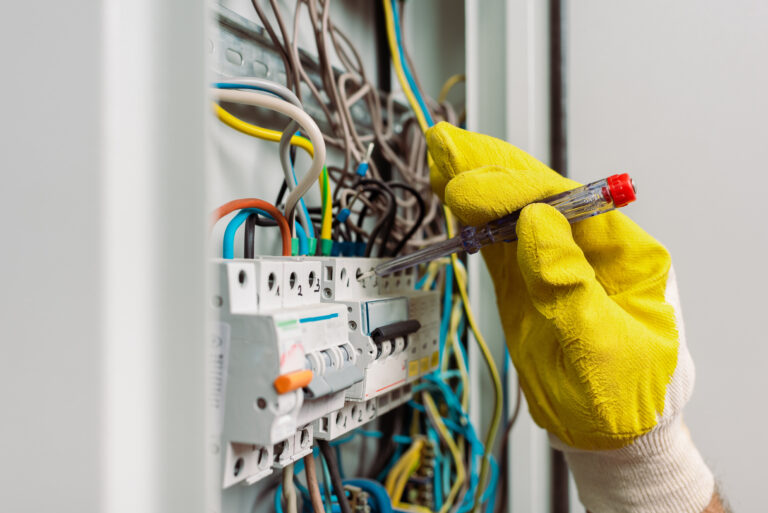
The 120% Rule is non-negotiable. This electrical code states that the total electrical load on your panel can't exceed 120% of its rated capacity. For a standard 200-amp panel, that means you can't go over 240 amps total. Your solar system's breaker counts toward this limit, and if you're already pushing your panel's capacity with everyday electrical use, there's no room for solar.
Space constraints are real. Your solar system needs its own dedicated breaker slot. If your panel is already full, something's got to give. You can't just squeeze another breaker in there like you're trying to fit one more person in an elevator.
Safety standards have changed. Older panels might not meet current electrical codes, especially when it comes to grounding and safety features required for solar installations.
The 5 Steps You Need to Complete (And Why Time is Critical)
Step 1: Get a Professional Electrical Assessment
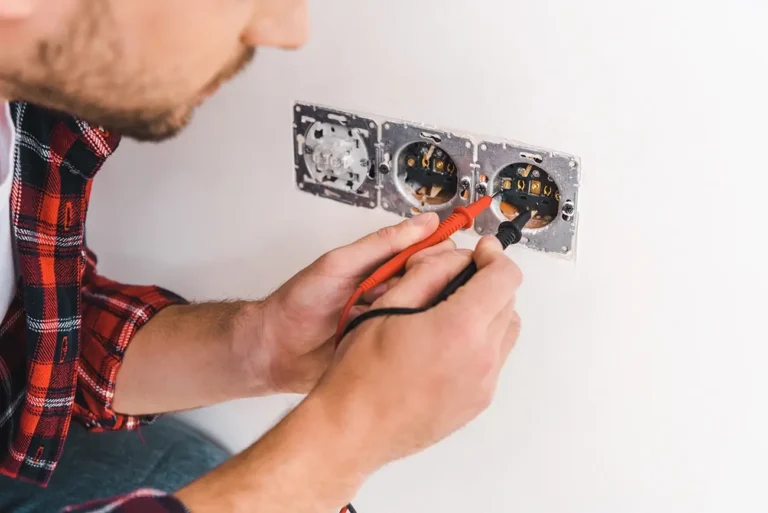
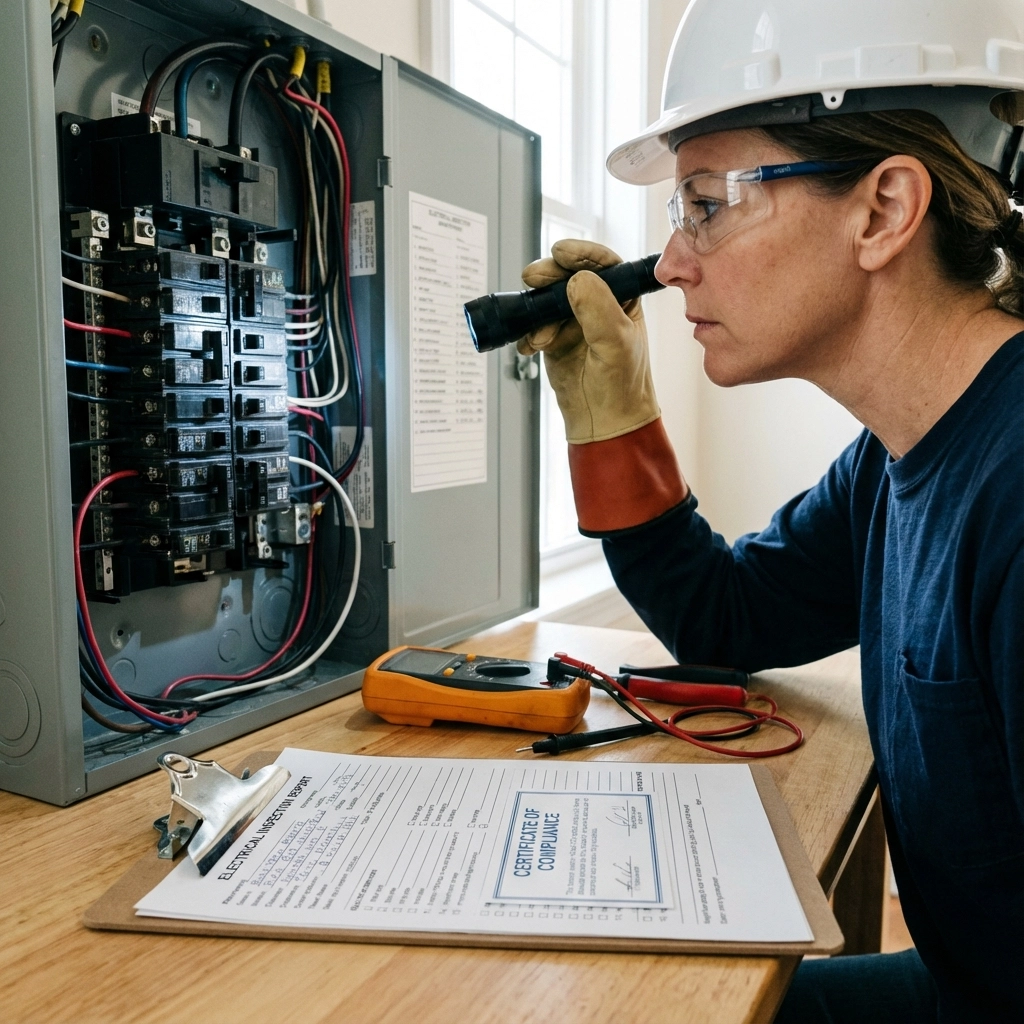
This isn't a DIY job, and it's not something you can eyeball from your basement. A licensed electrician needs to evaluate your current panel's capacity, age, and condition. They'll check if you have adequate space for a solar breaker and whether your panel meets current codes.
What this really means: Your electrician will calculate your home's electrical load, examine your panel's physical condition, and determine if it can safely handle the additional solar equipment. This assessment typically takes 1-2 hours and costs $100-$200, but it'll save you thousands in surprises later.
Time reality check: Even this simple assessment can take a week or more to schedule with a qualified electrician during peak solar season.
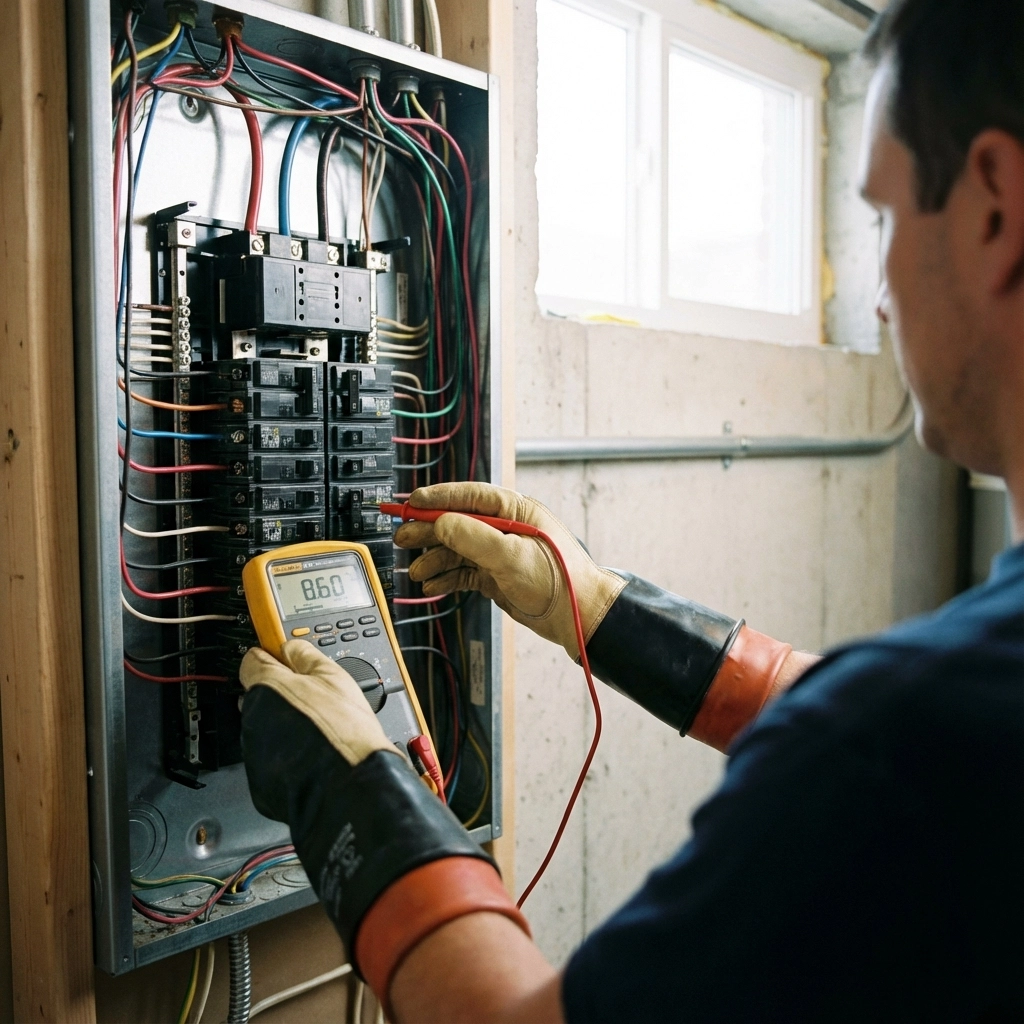
Step 2: Secure Permits and Utility Approval
If you need an upgrade, you'll need permits from your local building department and approval from your utility company. This is where things get complicated, and where the December 31st deadline becomes nearly impossible to meet.
Most homeowners don't realize: Permit approval can take anywhere from 2-8 weeks depending on your location. In some areas, especially after storm seasons or during high solar installation periods, backlogs stretch even longer.
The permit process includes:
- Electrical permit for the panel upgrade
- Interconnection agreement with your utility
- Structural review if your home needs it
- Final inspection scheduling
Critical point: Your solar system can't be connected to the grid until all permits are approved and inspections are complete.
Step 3: Order Equipment and Schedule Installation
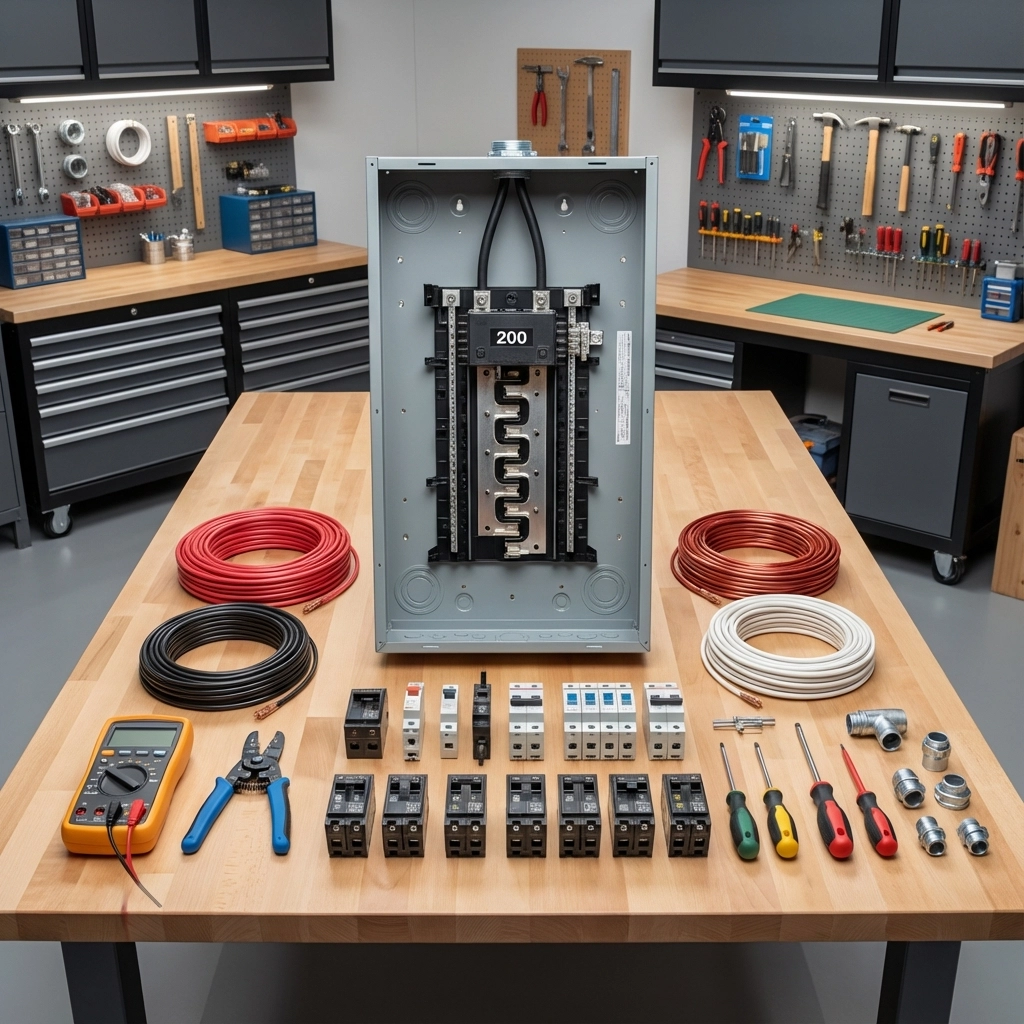
Main panel upgrades aren't just plug-and-play. You're looking at ordering a new 200-amp (or higher) electrical panel, potentially new service entrance cables, grounding equipment, and various safety components.
Supply chain reality: Electrical equipment has faced significant supply chain disruptions. What used to be a 1-2 week delivery can now stretch to 4-6 weeks for specialized components. And if your home needs a service upgrade from the utility (new meter, service drop, etc.), add another 2-4 weeks to your timeline.
Installation typically takes: 1-2 days for a straightforward panel replacement, but complications can extend this. If your home needs rewiring or service entrance updates, you're looking at potentially a week of electrical work.
Step 4: Complete Inspections and Utility Connection
After your panel upgrade is complete, you'll need:
- Local building department inspection
- Utility inspection and approval
- Permission to operate (PTO) from your utility
Here's what most people don't expect: Each inspection can take 1-2 weeks to schedule, and if something doesn't pass, you're back to square one with corrections and re-inspection scheduling.
Step 5: Final Solar Installation and Grid Connection
Only after your electrical panel upgrade is complete, inspected, and approved can your solar installation proceed. Your solar installer still needs to install panels, inverters, monitoring equipment, and complete their own inspection process.
The final timeline: Even with everything going perfectly, solar installation adds another 1-2 weeks after your electrical work is complete.
The Cost Reality
A main electrical panel upgrade typically runs $3,000-$5,000 for the electrical work alone. Add in permit fees ($200-$500), potential utility charges for service upgrades ($500-$1,500), and you're looking at a significant upfront investment before you even get to your solar installation.
The good news: Panel upgrades that enable solar installation qualify for the Federal Solar Investment Tax Credit. That means you can claim 30% of the upgrade cost on your federal taxes – but only if everything is complete and operational by December 31, 2025.
Making the December 31st Deadline: The Hard Truth
If you're reading this on December 20th and haven't started the electrical assessment process, meeting the federal tax credit deadline is extremely unlikely. The math simply doesn't work with permit timelines, equipment availability, and the multiple inspection steps required.
For context: A complete electrical panel upgrade and solar installation typically takes 12-16 weeks from start to finish under normal circumstances. During peak solar season or with supply chain delays, this can stretch to 20+ weeks.
Planning for 2026 and Beyond
If the 2025 deadline has passed, don't panic. Solar still makes financial sense, even without federal tax credits. Many states offer their own incentives, and electricity rates continue to rise, making solar a smart long-term investment.
Start your electrical assessment now if you're planning solar for 2026. Getting your panel upgrade completed during the slower winter months can position you perfectly for a spring solar installation when contractors have more availability and shorter lead times.
Red Flags That Guarantee You Need an Upgrade
Some warning signals make panel upgrades non-negotiable:
Your panel is older than 25 years. These panels often lack the safety features and capacity required for modern solar installations.
You've got a 100-amp or smaller panel. Modern homes typically need 200-amp panels to handle both household loads and solar generation safely.
Your main breaker is already at or near capacity. If you're frequently tripping breakers or dealing with dimming lights when large appliances start up, you're already pushing your system's limits.
You see rust, corrosion, or burn marks around your panel. These are safety issues that need immediate attention, regardless of solar plans.
The Bottom Line
The 2025 federal solar tax credit deadline is essentially here, and electrical panel upgrades can't be rushed safely. If you haven't started the process, your best bet is planning properly for a 2026 installation.
Don't let this discourage you from going solar. The technology keeps improving, prices continue to drop, and electricity costs keep rising. A well-planned solar installation – with the proper electrical infrastructure – remains one of the best home improvements you can make.
Ready to assess your home's electrical readiness for solar? Contact Radiant Electric for a professional evaluation. Our licensed electricians can determine exactly what your home needs and provide realistic timelines for both electrical upgrades and solar preparation. Don't let electrical issues delay your solar goals – get the expert assessment you need to move forward confidently.