Are You Making These Common Electrical Panel Upgrade Mistakes in Atlanta?
You flip the kitchen light switch and hear that familiar pop from the basement. Again. Or maybe you're trying to run the microwave and coffee maker at the same time, and suddenly half your house goes dark. Sound familiar? If you're an Atlanta homeowner dealing with these frustrations, you're probably thinking about an electrical panel upgrade atlanta project.
Here's the thing – this isn't about scaring anyone. Electrical panel upgrades are incredibly common, especially in our area where many homes were built decades ago. But there are some serious mistakes that homeowners make during the upgrade process that can turn a smart home improvement into a dangerous (and expensive) problem.
Let's walk through what really goes wrong so you can avoid these pitfalls entirely.
The "Just Add More Circuits" Trap
Most people think adding more circuits to an existing panel is always the solution. Here's what that really means: your electrical panel is like the central nervous system of your home's power. When you start cramming too many circuits into limited space, you're creating what electricians call "overcrowding."
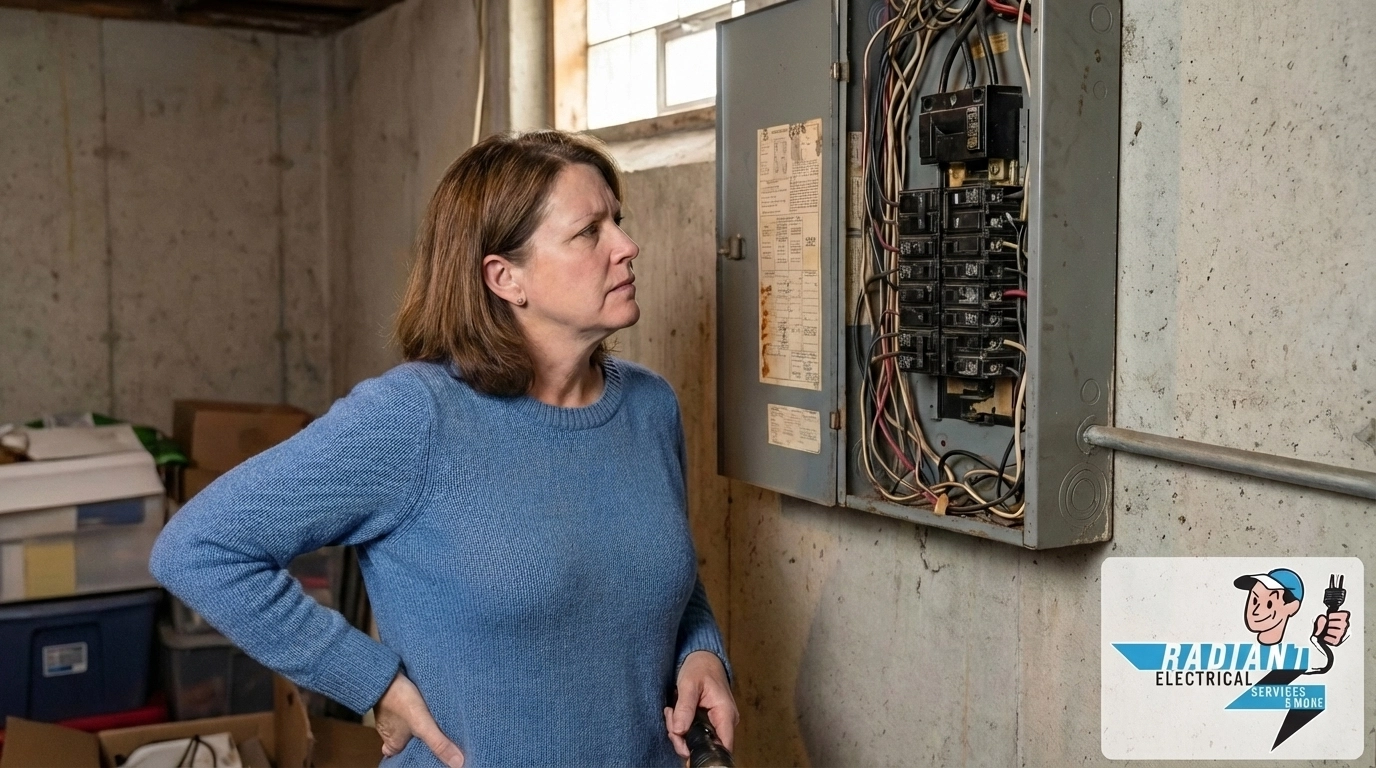
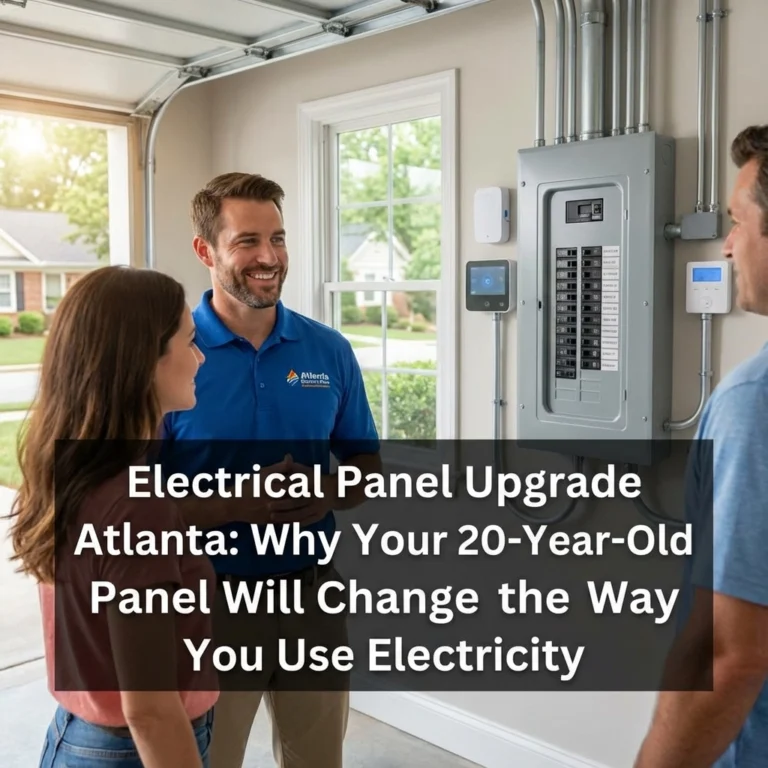
Picture this: you've got a 20-year-old panel in your Buckhead home, and you want to add circuits for that new home office setup. The contractor suggests just squeezing in a few more breakers. This creates heat buildup that can damage wires and breakers, potentially starting fires.
Here's what overcrowding actually looks like:
- Breakers that feel warm or hot to the touch – your panel shouldn't generate noticeable heat
- Frequent tripping that seems random or happens with normal usage
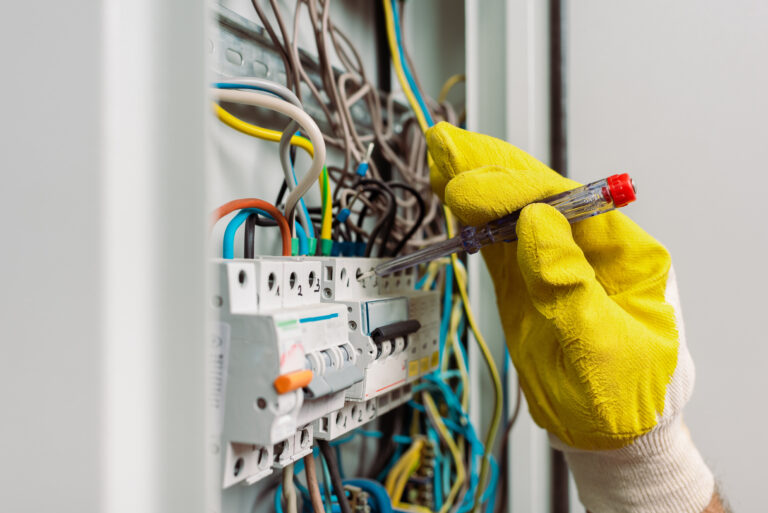
- A cramped panel box where wires are bent at sharp angles or pushed tightly together
- Difficulty accessing individual breakers because everything is so tightly packed
The real problem? Heat is electricity's enemy. When wires and components can't breathe, they overheat. And overheated electrical components fail in dangerous ways.
The Deadly Mix-and-Match Game
This next mistake is incredibly common during home electrical repair atlanta projects: using the wrong size breakers for your wiring. Homeowners often believe that bigger breakers mean better protection. That's completely backwards.
Your electrical system works on precise relationships. Every wire has a specific capacity – think of it like a garden hose that can only handle so much water pressure before it bursts. The breaker's job is to shut off power before the wire reaches its limit.
Installing a 30-amp breaker on a wire rated for only 20 amps is like removing the safety valve from a pressure cooker. The wire will overheat long before the breaker trips, creating a serious fire hazard.
Here's how to spot this mistake:
- Breakers that are larger than standard for basic household circuits (most outlets should be 15-20 amps)
- Wires that look smaller than the breaker rating suggests they should be
- Recent electrical work where breakers seem oversized for the application
- Flickering lights or warm outlets that suggest wires are being overloaded
The Dangerous Double-Up
Double-lugging sounds technical, but it's surprisingly simple – and surprisingly dangerous. This happens when someone puts two wires under a single terminal or screw instead of giving each wire its own connection.
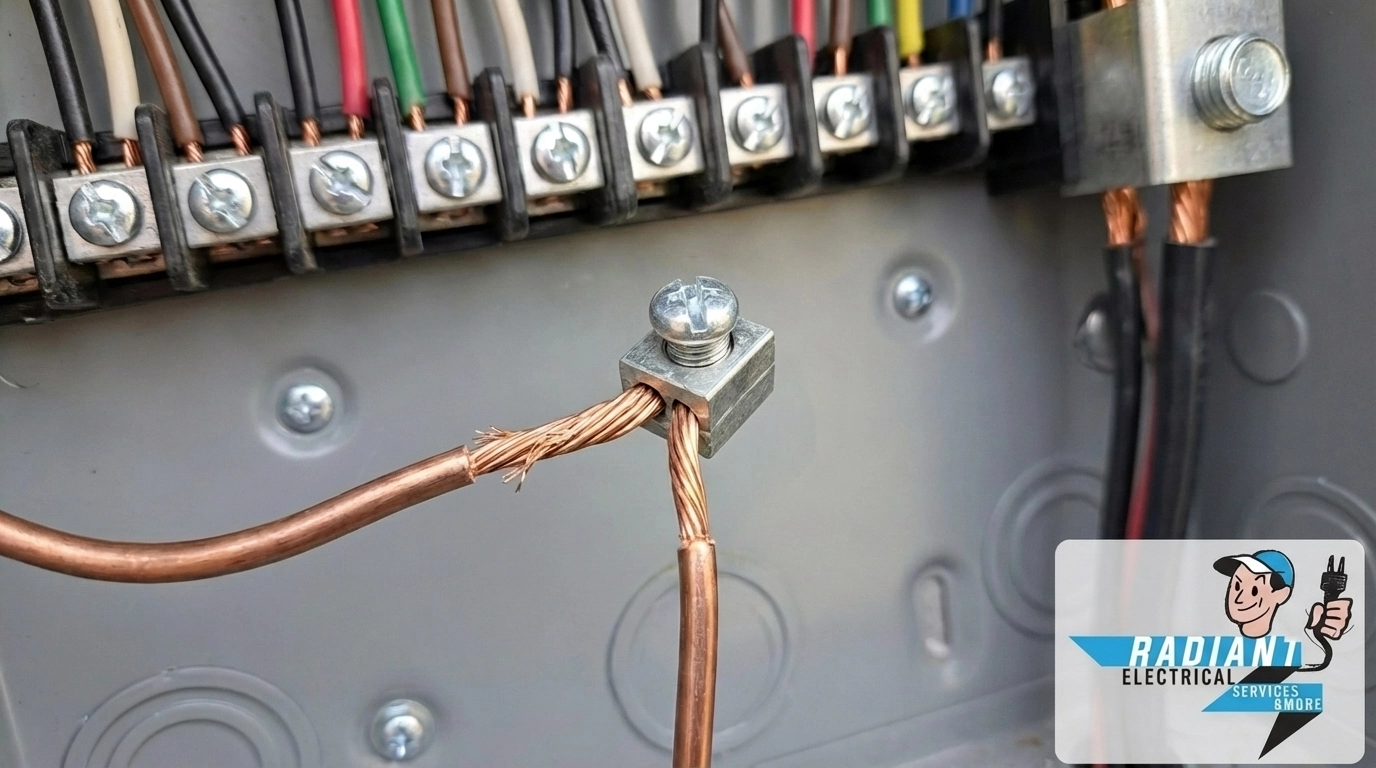
Why do people do this? Usually to save money or add circuits without properly upgrading the panel. Here's what that really means: you're creating loose connections that will fail over time.
Think about trying to secure two garden hoses under one clamp. Even if you tighten it down, vibration and thermal expansion will eventually work one or both hoses loose. The same thing happens with electrical connections.
Double-lugging signals include:
- Visible sparking or arcing when breakers are operated
- Scorch marks around terminals in the panel
- Intermittent power loss to specific circuits
- A burning smell coming from the panel area
This isn't just about convenience – it's a code violation in Atlanta and a serious safety hazard.
When "Tight Enough" Isn't Tight Enough
Loose wire connections might seem like a minor detail, but they're responsible for a shocking number of electrical fires. Most people think hand-tight is sufficient. In electrical work, proper torque specifications exist for a reason.
Loose wires create resistance. Resistance creates heat. Heat creates fires. It's that straightforward.
Here's what happens with loose connections:
- Wires slip out over time due to vibration or thermal cycling
- Arcing occurs between the loose connection points
- Heat builds up around the loose terminal
- Carbon tracking develops, which can cause permanent damage
Professional electricians use torque wrenches to ensure connections meet manufacturer specifications. This isn't overthinking – it's essential safety protocol.
Atlanta's Special Challenges
Our Atlanta climate creates additional electrical system stress that many homeowners don't consider. Temperature fluctuations and humidity changes cause electrical components to expand and contract repeatedly. This thermal cycling can loosen connections and stress older components.
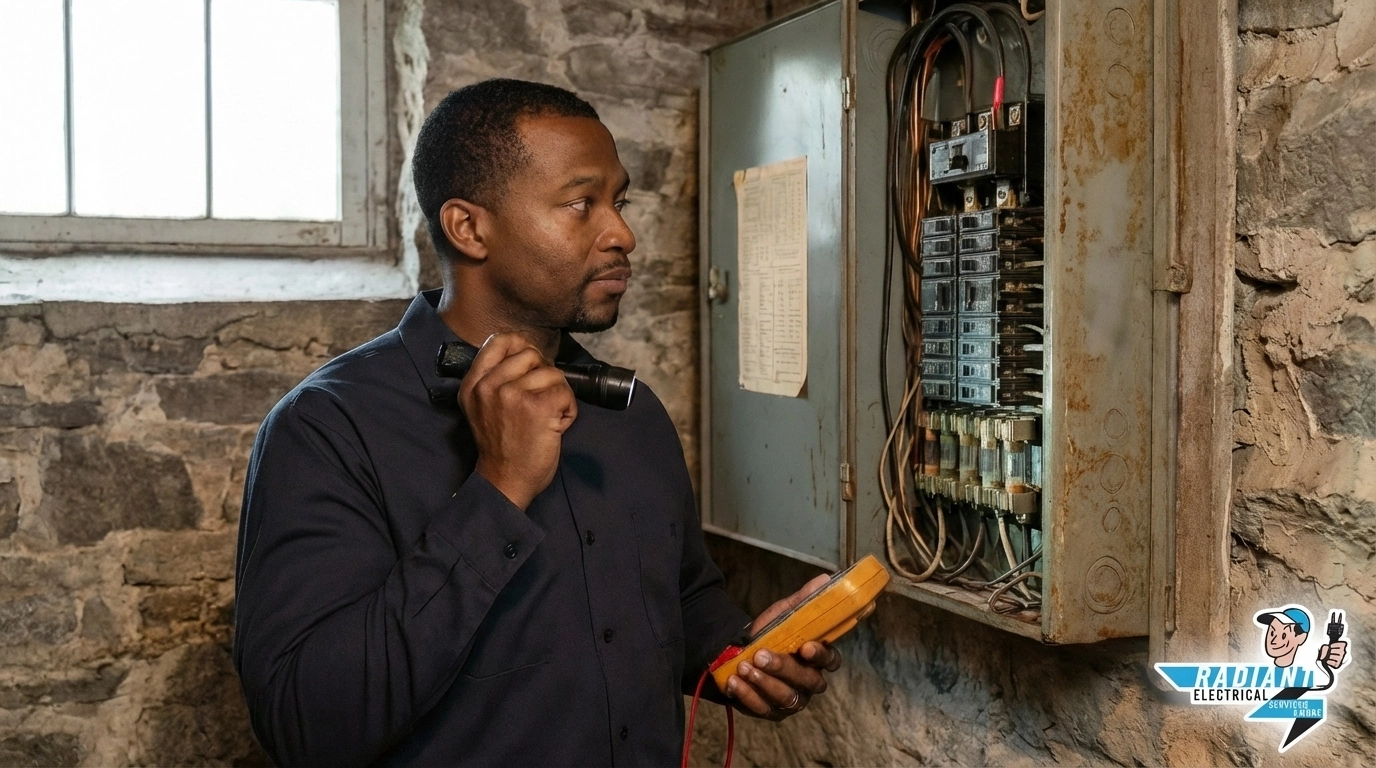
But here's the bigger Atlanta-specific issue: many homes in our area still have outdated panel brands that have lost their safety certifications. If your home has a Federal Pacific, Zinsco, Challenger, I.T.E., Pushmatic, Sylvania, or Bulldog panel, you're living with a serious hazard.
These panels have documented failure rates up to 25%. Here's what that really means: when a dangerous overload occurs, there's a one-in-four chance your breaker won't trip to protect your home. That's like having a smoke detector that only works three-quarters of the time.
Signs you have a problematic panel:
- Brand names listed above on the panel face
- Breakers that won't reset or reset but immediately trip again
- Rust or corrosion visible on the panel or components
- Age indicators showing installation before 1990
The DIY Disaster
Homeowners often believe electrical panel work is just "connecting a few wires." This misconception leads to the most dangerous mistakes of all. Electrical panel upgrades require specialized knowledge of load calculations, code requirements, and safety procedures.
Here's what goes wrong with DIY electrical panel upgrades:
- Incorrect load calculations that overload the new panel from day one
- Code violations that fail inspection and void insurance coverage
- Improper grounding that eliminates crucial safety protections
- Missing GFCI protection in areas where it's required by code
Atlanta requires permits for electrical panel upgrades. This isn't bureaucratic red tape – it's a safety verification system that ensures your upgrade meets current standards.
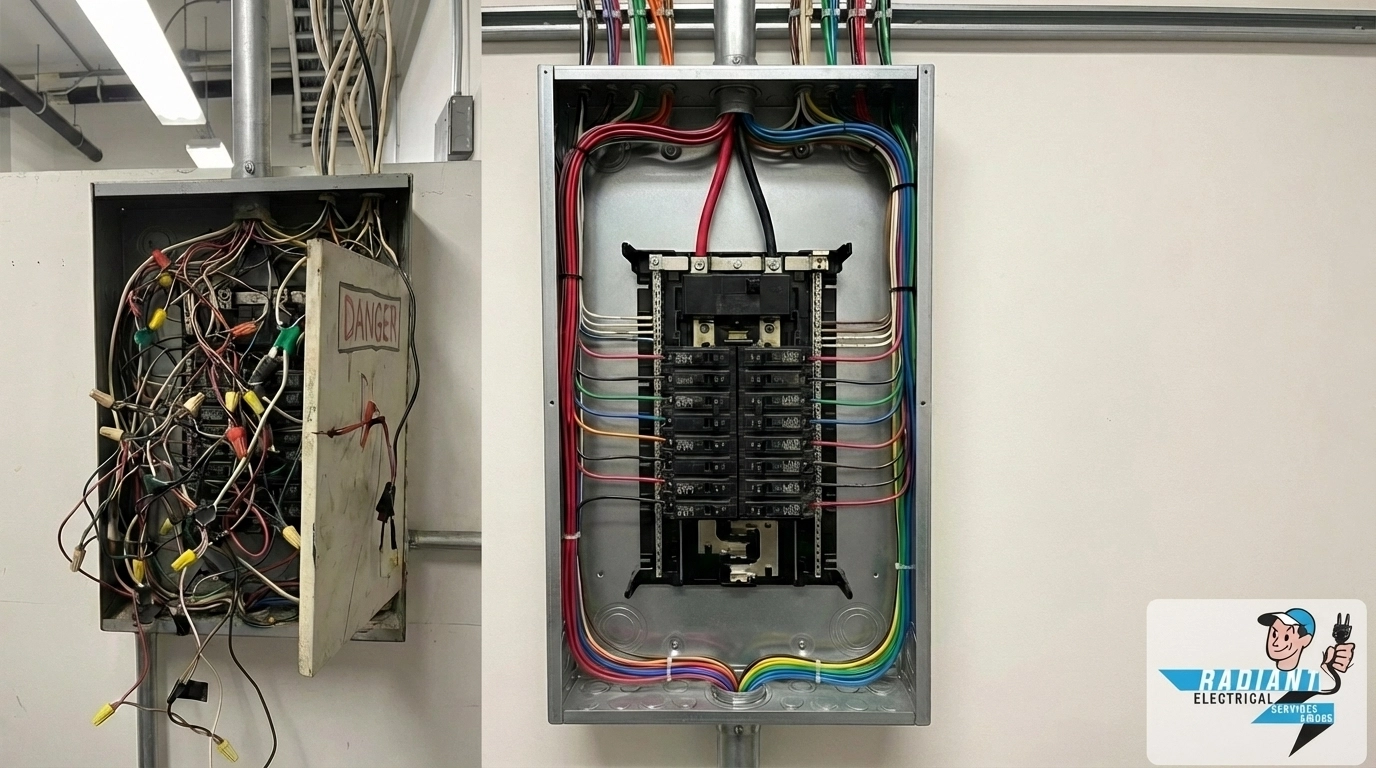
The Hidden Costs of Mistakes
When electrical panel upgrade mistakes happen, they don't just create safety hazards – they create expensive problems that compound over time.
Fire damage from electrical faults can destroy your home and endanger your family. Insurance claims can be denied if electrical work wasn't properly permitted and inspected. Future electrical work becomes more complicated and expensive when previous work was done incorrectly.
Failed inspections mean starting over with proper materials and methods. Code violations discovered during home sales can derail transactions or require expensive corrections.
Getting It Right the First Time
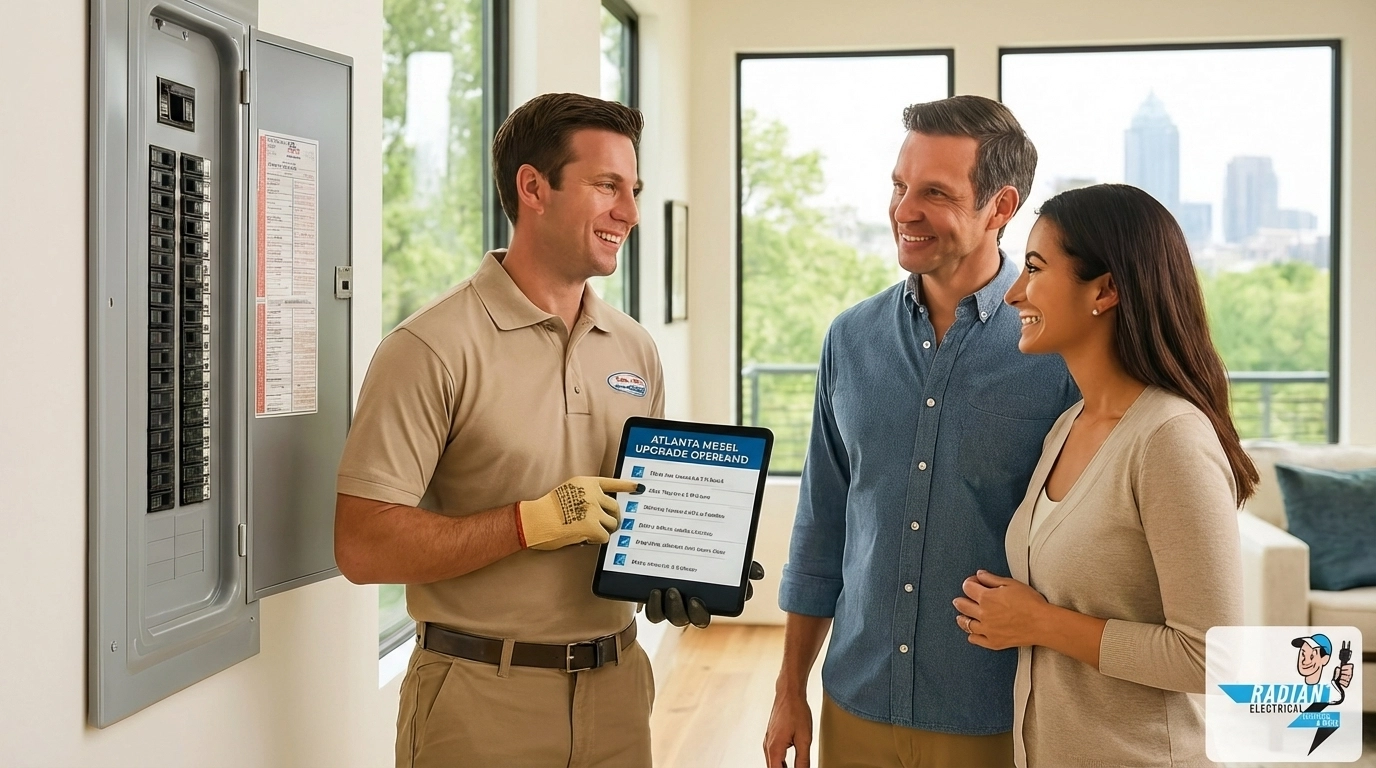
Professional electrical panel upgrades include proper load calculations, code-compliant installation, appropriate materials, and thorough testing. This isn't about paying more – it's about getting lasting value and genuine safety.
A properly planned upgrade considers your home's current and future electrical needs, ensuring adequate capacity without overcrowding. Professional installation means connections are properly torqued, components are correctly sized, and everything meets Atlanta's electrical codes.
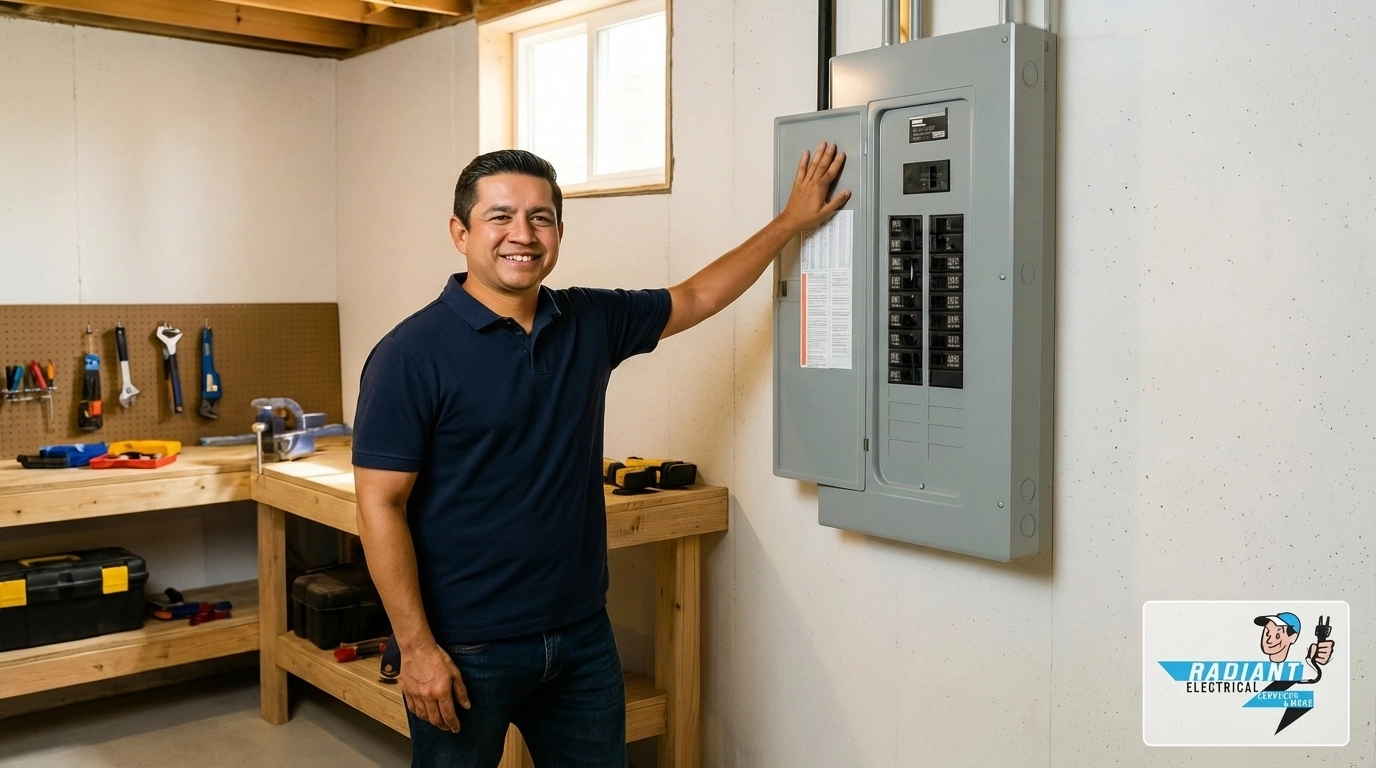
Quality electrical panel upgrades also include:
- Load analysis to determine actual power requirements
- Future planning for potential electrical additions
- Code compliance with current National Electrical Code and local amendments
- Proper permits and professional inspection
- Warranty protection on labor and materials
The difference between a professional upgrade and a DIY disaster often comes down to understanding that electrical safety isn't about following general rules – it's about following specific, precise procedures that ensure reliable operation for decades.
Your electrical panel is your home's power control center. When it's properly upgraded, you get reliable service, enhanced safety, and the peace of mind that comes from knowing your electrical system can handle whatever you need it to do.
Don't let these common mistakes turn your electrical panel upgrade into a safety hazard or an expensive do-over. Professional installation ensures your upgrade enhances your home's safety and value rather than compromising both.