EV Charger Installation Atlanta: Why Your Electrical Panel Might Not Be Ready (And How to Fix It)
Picture this: You've just bought your dream electric vehicle, you're excited about never hitting another gas station, and you're ready to install a home charger in your garage. Then an electrician takes one look at your electrical panel and shakes their head. "We're going to need to upgrade this first."
Sound familiar? You're definitely not alone. Most Atlanta homeowners discover their electrical panels aren't ready for EV charging, and this isn't about scaring anyone: it's just the reality of how most homes were built before anyone imagined we'd be plugging cars into our garages every night.
Here's what's really happening with your electrical panel, why it might not be ready for that shiny new EV charger, and exactly how to fix it.
Why Your Electrical Panel Isn't Ready (And It's Not Your Fault)
Your Panel Simply Doesn't Have Enough Juice
Most residential electrical panels in Atlanta homes were built with 100 to 150 amps of total capacity. Here's what that really means: imagine your electrical panel as a water pipe that can only handle so much flow at once. Your air conditioning system alone probably uses 40-60 amps during those brutal Georgia summers. Add your water heater (20-30 amps), your dryer (30 amps), and all your other appliances, and you're already pushing your panel to its limits.
Now you want to add an EV charger that needs 40-50 amps of dedicated power? The math simply doesn't work. Most Level 2 EV chargers require 240-volt circuits with substantial amperage: the same type of power your electric dryer uses, except your car will be "drying" for 6-8 hours every night.

Your Home Predates the EV Revolution
If your house was built before 2017, it definitely wasn't designed with electric vehicle charging in mind. Atlanta only started requiring "EV-ready" infrastructure in new homes in 2017, which means older homes are basically working with yesterday's electrical technology for tomorrow's transportation needs.
Most people think their electrical panel can handle anything they plug in, but that's not how electricity works. Your panel was sized for the typical electrical load of the decade it was installed: and nobody was planning for cars back then.
Distance Creates Its Own Problems
Here's something most homeowners don't consider: the farther your garage is from your electrical panel, the more complex (and expensive) your installation becomes. Electricity loses power as it travels through wires over long distances, which means you might need heavier gauge wiring or even additional electrical infrastructure improvements.
Think of it like trying to water your garden with a hose that's too long and too narrow: by the time the water reaches the end, there's barely any pressure left.
How to Know If You Need an Upgrade
The Professional Assessment (Don't Skip This Step)
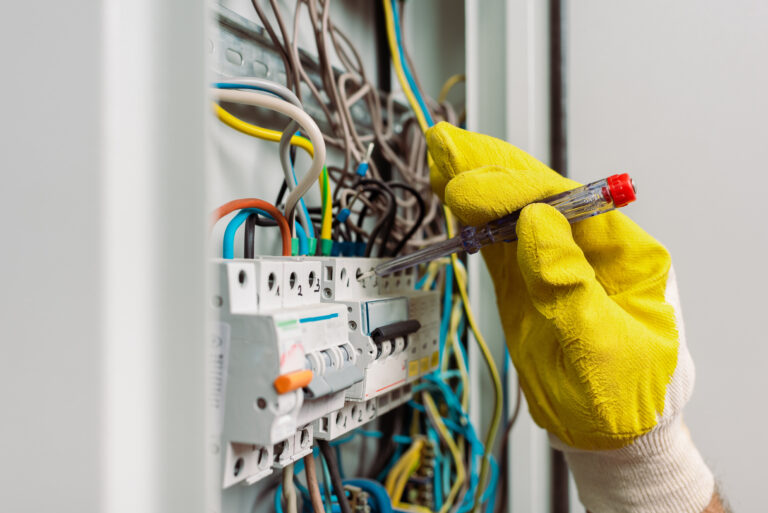
The only way to know for sure if your panel can handle an EV charger is to have a licensed electrician perform a load calculation. This isn't a guess or a quick glance: it's actual math that adds up all your home's electrical demands and compares them to your panel's capacity.
Most homeowners often believe they can just look at their panel and count empty breaker slots, but that's not how electrical capacity works. You might have empty slots but no available amperage, or your existing circuits might already be overloaded in ways you can't see.
The Warning Signs Your Panel Needs Help
You might already be getting signals that your electrical system is stretched thin:
- Lights dim when your air conditioning kicks on
- Circuit breakers trip frequently
- You can't run certain appliances at the same time
- Your electrical panel feels warm to the touch
These aren't just minor inconveniences: they're warnings that your system is already working harder than it should.

How to Fix Your Electrical Panel (The Right Way)
Panel Upgrades: From 100 to 200 Amps
The most common solution is upgrading your electrical panel from 100 amps to 200 amps. Here's what that really means: you're essentially doubling your home's electrical capacity. This gives you plenty of room for your EV charger plus future electrical needs you haven't even thought of yet.
The upgrade process involves:
- Installing a completely new electrical panel with higher capacity
- Running a new dedicated 240-volt circuit specifically for your EV charger
- Ensuring everything meets current Atlanta electrical codes
- Getting proper permits and inspections
Why You Can't Just "Add More Circuits"
Most people think they can solve electrical capacity problems by just adding more circuits, but that's like trying to get more water by adding more faucets to the same small pipe. If your main electrical service doesn't have the capacity, adding circuits won't help: you'll just be spreading the same limited power across more outlets.
The Installation Timeline
Once your panel is properly upgraded, the actual EV charger installation typically takes just a few hours. But the panel upgrade itself usually takes a full day and requires coordination with Georgia Power to ensure your home's electrical service can handle the increased demand.

What This Actually Costs (And How to Save Money)
The Real Numbers
EV charger installation in Atlanta typically runs $800 to $2,500, but that's assuming your electrical panel is already ready. If you need a panel upgrade, add another $2,000 to $4,000 to that total. These aren't made-up numbers: they reflect the actual cost of materials, labor, permits, and ensuring everything meets Georgia electrical codes.
Federal Rebates That Actually Matter
Here's something most homeowners don't know: if you need to upgrade your electrical panel to accommodate an EV charger, federal rebates might completely cover the panel upgrade cost. The federal government recognizes that electrical infrastructure upgrades are essential for EV adoption, and they're putting money behind that belief.
Additionally, some Atlanta-area utility companies offer rebates for EV charger installation, and Georgia has various incentive programs for electric vehicle infrastructure improvements.
Permits and Professional Installation
You'll need permits for both the panel upgrade and the charger installation: permit fees typically run $75 to $150 depending on your specific municipality. But here's the thing: trying to save money by skipping permits or using unlicensed contractors will cost you far more in the long run through failed inspections, insurance issues, or worse.

Atlanta's EV Requirements (What You Need to Know)
Current Regulations
Atlanta has been ahead of the curve on EV infrastructure. The city's 2017 ordinance requires new single-family homes to include EV-ready electrical infrastructure, and the upcoming 2025 EV Readiness Ordinance (effective January 1, 2026) will mandate even more comprehensive electric vehicle infrastructure in new construction and major renovations.
What "EV-Ready" Actually Means
The regulations define three levels of EV readiness:
- EVSE Capable: Dedicated electrical capacity and conduit (the electrical "rough-in")
- EVSE Ready: Installed branch circuit and receptacle (ready to plug in a charger)
- EVSE Installed: Fully functional charging station
If you're retrofitting an older home, you're essentially trying to achieve "EVSE Ready" status, which requires both adequate electrical panel capacity and a properly installed 240-volt circuit.
Compliance Isn't Optional
Your installation must meet both National Electric Code requirements and Atlanta's local amendments. This includes proper grounding, appropriate circuit protection, and installation by licensed professionals. Cutting corners on compliance will create problems during inspections and potentially void your homeowner's insurance.
Working With the Right Professionals
Why Licensing and Experience Matter
EV charger installation isn't just about running electrical wire: it requires understanding load calculations, local codes, permit requirements, and coordination with utility companies. Licensed electricians who specialize in EV installations know how to navigate Atlanta's specific requirements and ensure your installation is safe, legal, and reliable.
Questions to Ask Your Electrician
Before hiring anyone, make sure they can answer these questions clearly:
- Can they perform a complete electrical load calculation?
- Are they licensed and insured in Georgia?
- Do they handle permit applications and inspections?
- What's their experience with panel upgrades and EV installations?
- Can they explain the timeline and costs upfront?

Ready to Get Your Home EV-Ready?
Don't let electrical panel limitations keep you from enjoying the convenience of home EV charging. At Radiant Electric, we specialize in electrical panel upgrades and EV charger installations throughout the Atlanta area. Our licensed electricians will assess your current electrical system, handle all necessary upgrades, obtain proper permits, and ensure your installation meets all local codes and safety requirements.
Contact Radiant Electric today for a professional electrical assessment and discover exactly what it takes to get your home ready for electric vehicle charging. We'll walk you through the entire process, from initial inspection to final testing, ensuring you can charge your EV safely and reliably for years to come.
Your electric future starts with the right electrical foundation( let's build it together.)