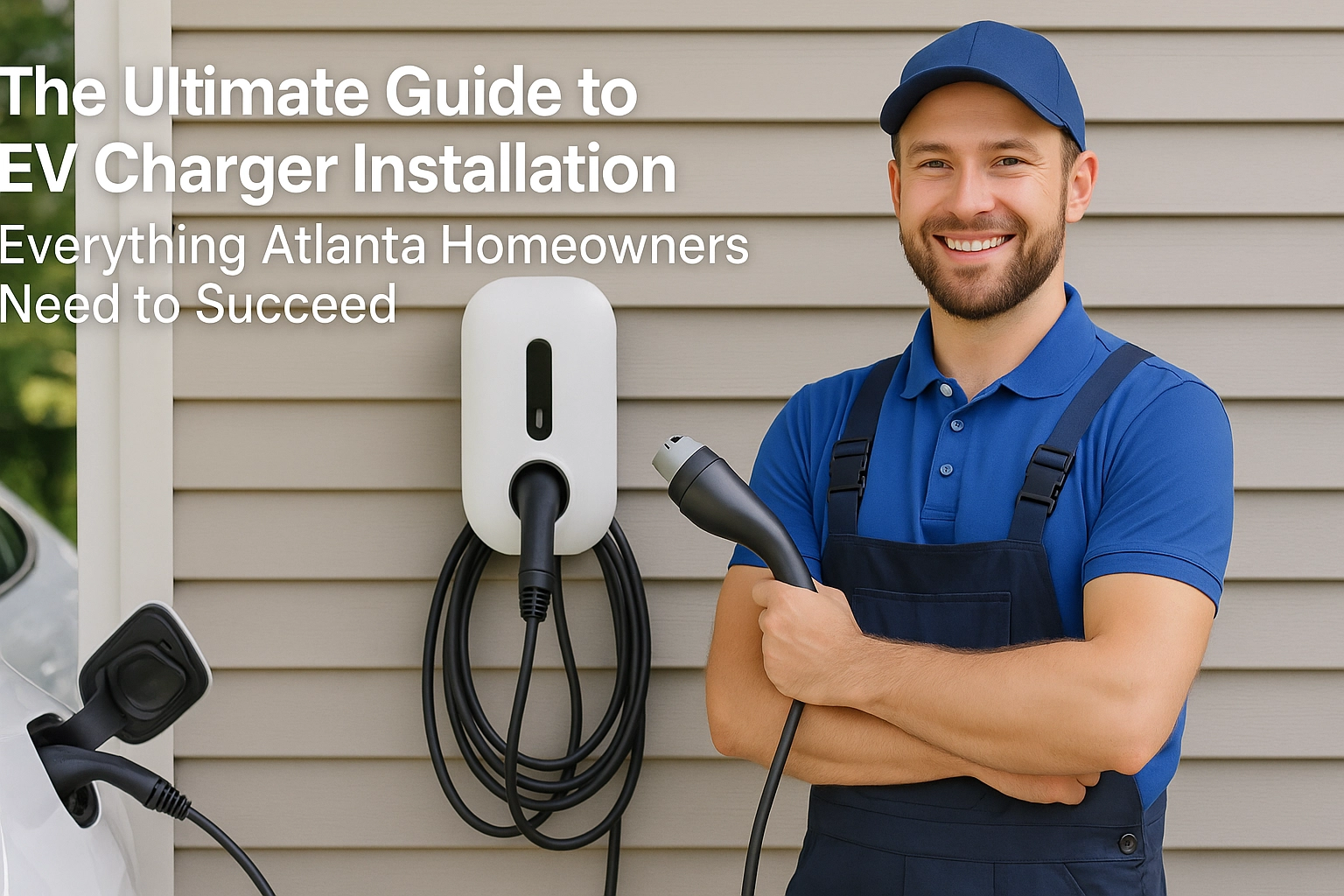
The Ultimate Guide to EV Charger Installation: Everything Atlanta Homeowners Need to Succeed
You've made the smart choice to go electric. Now you're facing the next big decision: how to charge your EV at home efficiently and safely. This isn't about scaring anyone: it's about making sure you get the installation right the first time so you can enjoy years of convenient, cost-effective charging right in your own driveway.
Most people think installing an EV charger is just like plugging in any other appliance. Here's what that really means: while it might look simple, EV charging requires serious electrical planning to ensure your home's system can handle the load safely and efficiently.
Understanding Your Charging Options: Level 1 vs Level 2
Let's start with what most Atlanta homeowners actually experience when they bring their new EV home. You can technically charge any electric vehicle using the cord that comes in your trunk, plugged into a regular wall outlet. This is called Level 1 charging, and it's painfully slow: we're talking over 24 hours to fully charge most vehicles.
Here's what that really means for your daily life: if you drive 40 miles to work and back, Level 1 charging might replace what you used overnight. But if you take a weekend trip to Savannah or need to run multiple errands around Atlanta, you'll wake up Monday morning with a half-charged car.
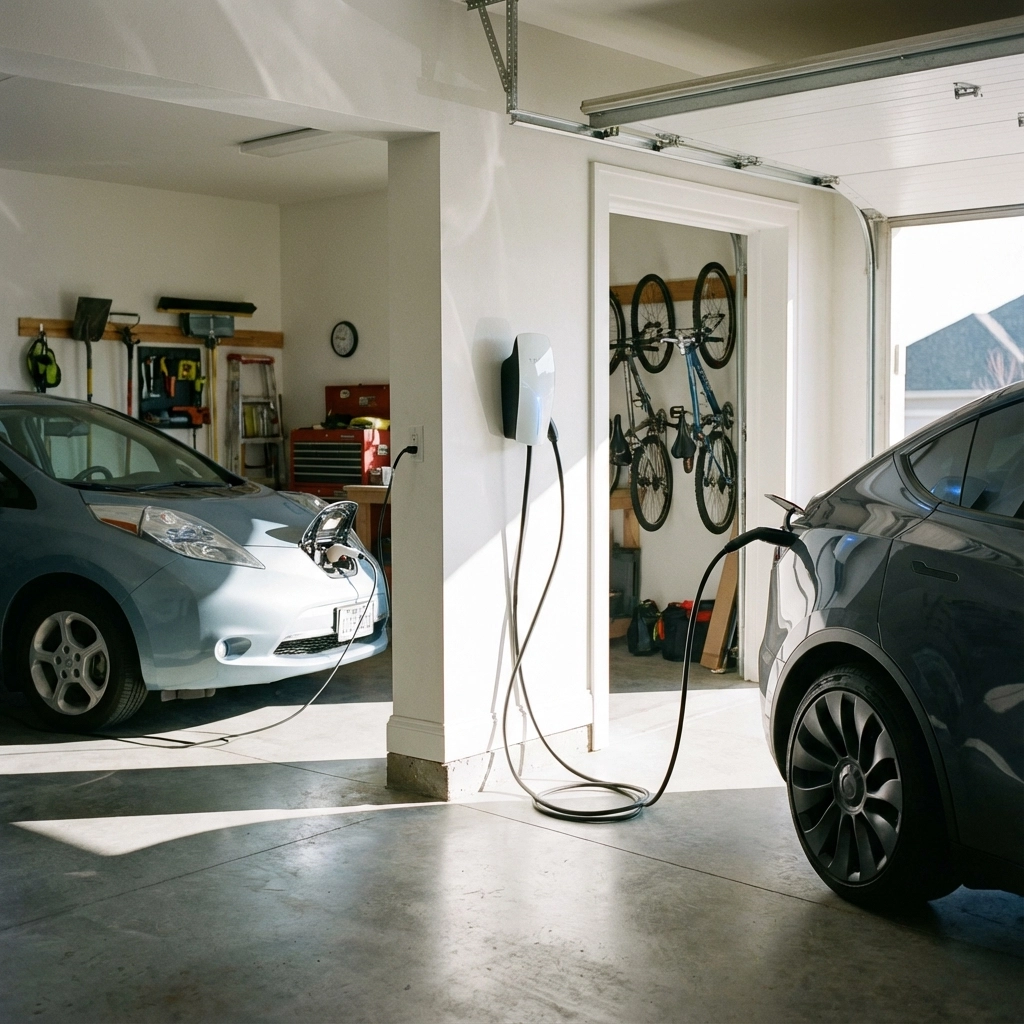
Level 2 chargers change everything. These use 240-volt power (the same type that runs your electric dryer) and typically charge your vehicle in 4 to 8 hours. Most Atlanta homeowners choose Level 2 because it matches how they actually live: plug in when you get home, wake up to a full charge.
Your Home's Electrical Requirements: What You Actually Need
This is where things get technical, but stick with me: understanding this upfront saves you expensive surprises later. A Level 2 charger needs a dedicated 240-volt circuit that can deliver 30 amps of power continuously. However, according to the National Electric Code, you actually need a 40-amp circuit breaker to operate that 30-amp charger safely.
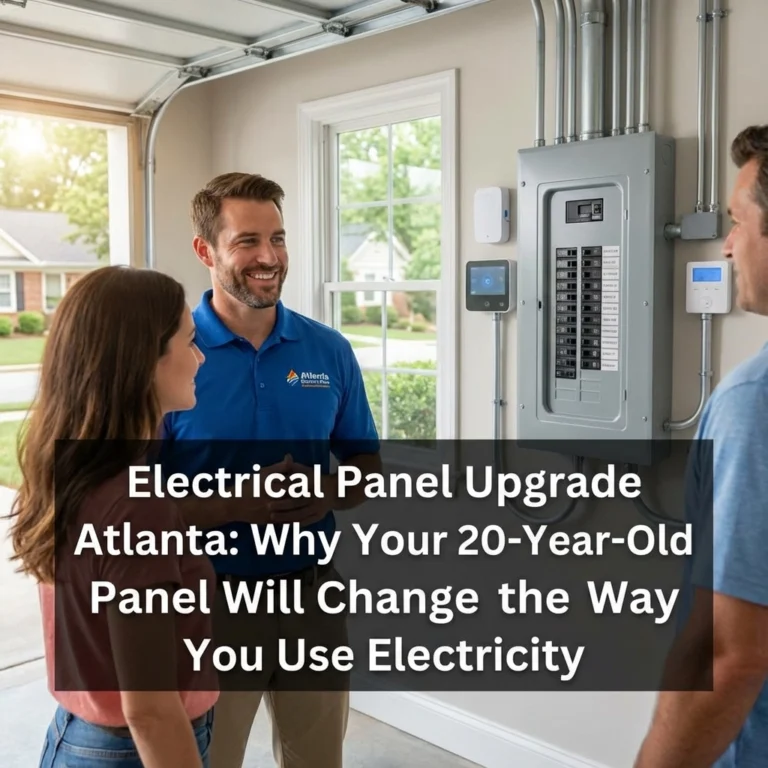
Here's why this matters: your electrical panel is like a highway system. Each circuit is a lane of traffic. Adding an EV charger is like adding a major highway exit that needs its own dedicated lane. If your panel doesn't have room for that new lane, or if the main highway (your electrical service) is already at capacity, you'll need upgrades.
Some warning signs your panel might need work:
- You have an older panel with fewer than 20 circuit breakers
- Circuit breakers trip frequently when you run multiple appliances
- Your panel still uses fuses instead of breakers
- The main breaker is 100 amps or less
Don't panic if you see these signs. Panel upgrades are common, and federal tax credits often cover much of the cost.
The Professional Installation Process: What Actually Happens
Homeowners often believe EV charger installation is a one-day job. In reality, professional installation follows a structured process that ensures safety and code compliance.
Initial Assessment and Planning starts with a licensed electrician evaluating your electrical panel and proposed installation location. They're checking whether your system can handle the additional load and identifying any necessary upgrades. Many Atlanta companies now offer free assessments, giving you clear cost estimates upfront.
System Upgrades come next if needed. This isn't about selling you unnecessary work: it's about physics. Your electrical system must safely support the charger's power demands. If your panel lacks capacity, trying to force the installation creates fire risks and code violations.
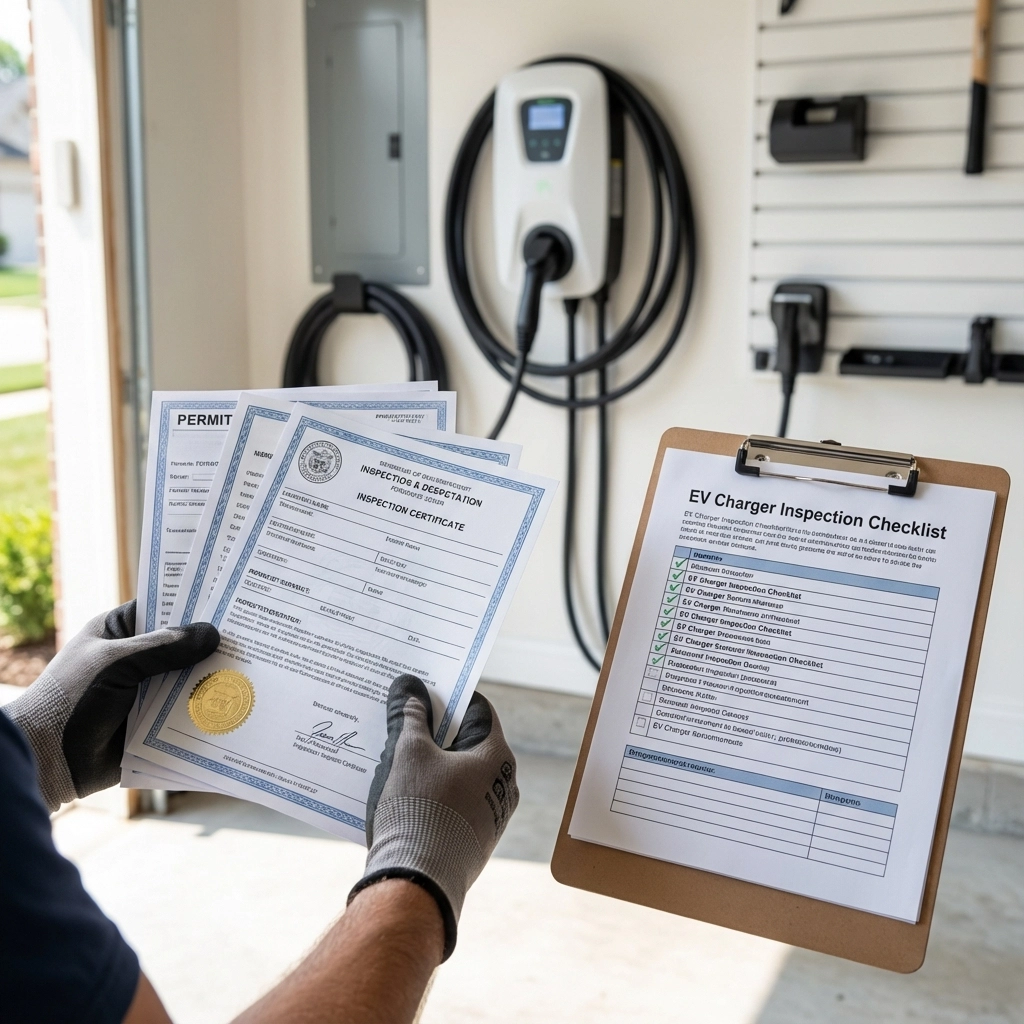
Permitting and Code Compliance happens next. Most Atlanta Metro municipalities require permits for Level 2 charger installations. Professional installers handle this paperwork because they know local requirements. Permits aren't red tape: they ensure your installation meets safety standards that protect your family and property value.
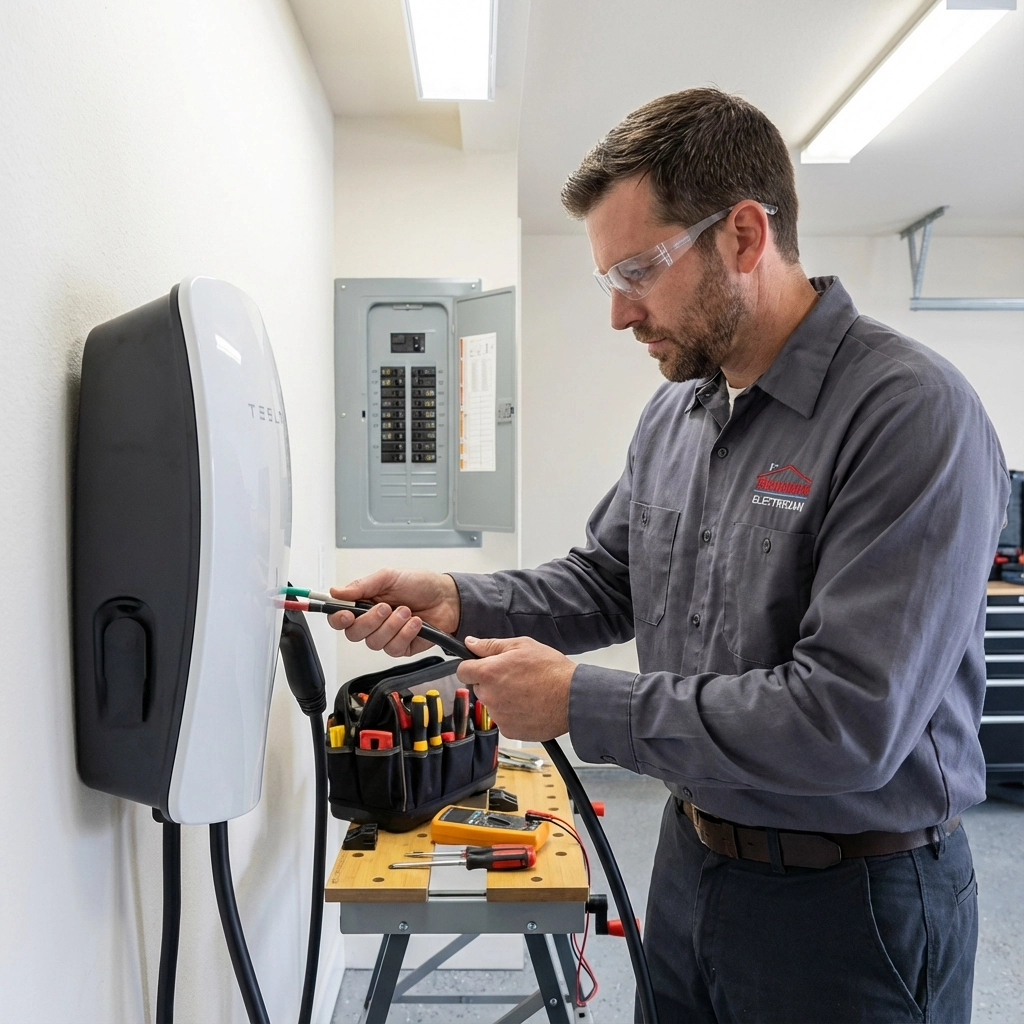
Charger Installation and Wiring involves running dedicated electrical lines from your panel to the charger location. Whether you're installing in a garage, carport, or outdoor location, licensed electricians ensure weatherproof connections suitable for Georgia's humidity and temperature swings.
Final Testing and Inspection verifies everything works correctly and meets code requirements. Your installer will test the charger with your vehicle and schedule any required municipal inspections.
Choosing the Right Installation Partner: What Separates Good from Great
Not all electricians understand EV charging technology. Here's what actually matters when choosing your installer:
EV Specialization beats general electrical experience. Companies that focus on EV charging have installed hundreds of chargers, understand different vehicle requirements, and know which charger brands work best with your specific EV model.
Complete Service Management means they handle permits, inspections, and utility coordination. Some contractors install the charger and leave you to figure out permits and inspections. Professional EV specialists manage the entire process.
Extended Warranties signal confidence in their work. Look for companies offering 2-year labor warranties: double what most electricians provide.
Smart Charger Expertise matters if you want Wi-Fi connectivity, scheduling features, or energy monitoring. Not all electricians understand smart charger setup and troubleshooting.
Installation Location Options: Indoor, Outdoor, and Everything Between
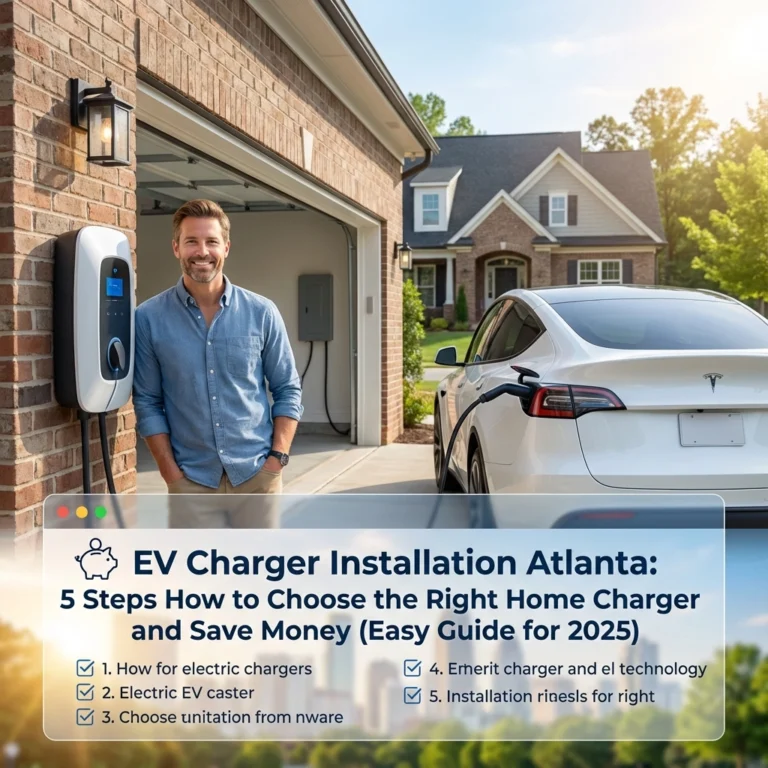
Most people assume you need a garage for home charging. Not true. Professional installers can mount weatherproof EV chargers on exterior walls, carports, and dedicated outdoor posts designed to withstand Georgia's climate year-round.
Garage installations remain popular because they protect equipment from weather and provide security. The charger mounts on the wall near where you typically park, with the cord reaching your vehicle's charging port.
Outdoor installations work well for homes without garages or when garage installation isn't practical. Modern outdoor-rated chargers include weatherproof enclosures and lockable cables to prevent theft.
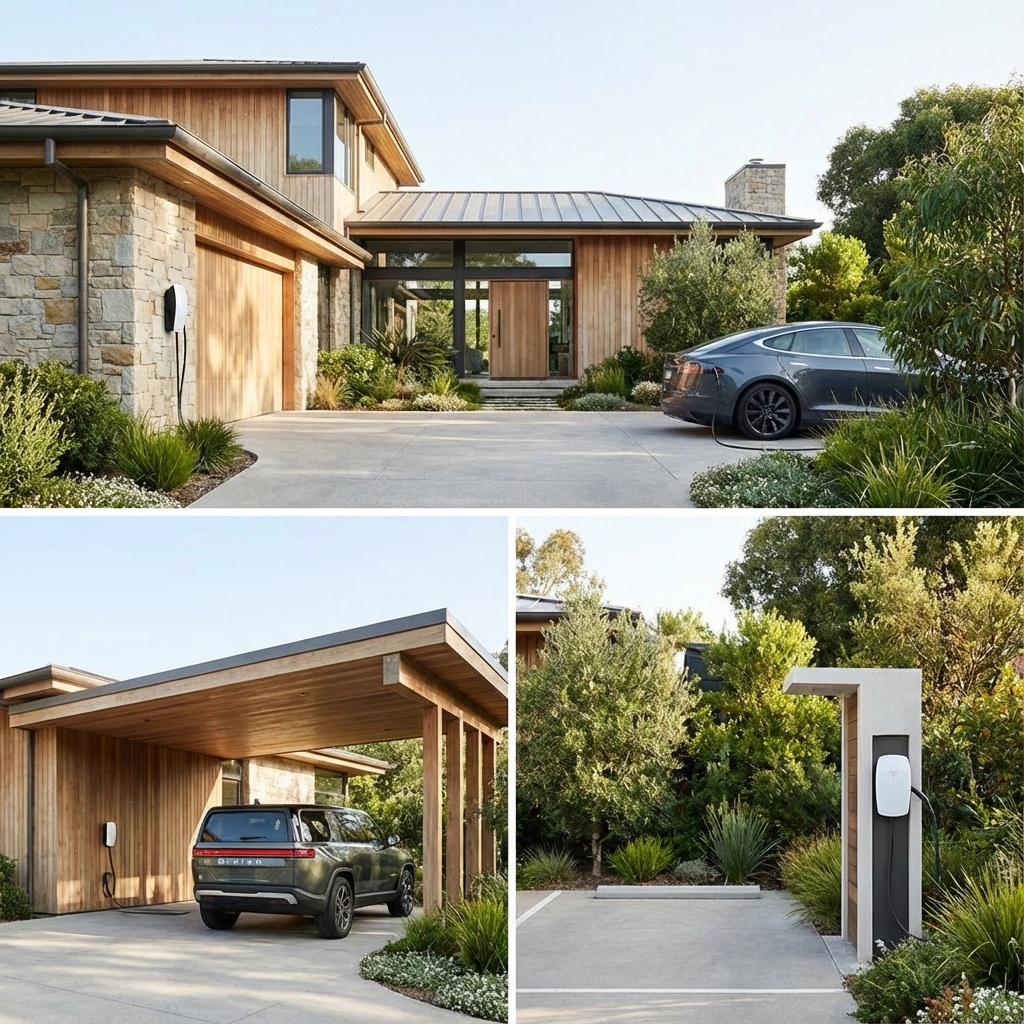
Carport installations offer a middle ground: some weather protection without requiring a full garage. The key is ensuring adequate electrical service can reach your chosen location safely and cost-effectively.
Your electrician will help you choose the optimal location based on your home's layout, electrical accessibility, and daily parking patterns.
Smart Features and Advanced Options: Beyond Basic Charging
Today's Level 2 chargers offer features that seemed futuristic just a few years ago. Wi-Fi connectivity lets you monitor charging progress, schedule charge times to take advantage of off-peak electricity rates, and control your charger remotely through smartphone apps.
Here's what smart features actually do for you: if Georgia Power offers time-of-use rates in your area, you can program your charger to operate only during off-peak hours, potentially cutting your charging costs by 30-40%. You can also set charging to complete just before you typically leave for work, maximizing battery conditioning.
Energy monitoring features track exactly how much electricity your EV uses, helping you calculate actual operating costs and optimize charging schedules.
Load balancing features automatically adjust charging speed based on your home's total electrical usage, preventing circuit overloads during peak demand periods.
Permits, Inspections, and Code Compliance: Why This Matters
Some homeowners try to skip permits to save money and speed up installation. This creates serious problems down the road. Unpermitted electrical work can void insurance coverage, create safety hazards, and complicate home sales.
Atlanta-area municipalities have specific requirements for EV charger installations. These aren't arbitrary rules: they ensure installations meet safety standards and electrical codes designed to prevent fires and electrocution.
Professional installers coordinate the entire permitting process. They know local requirements, submit proper documentation, and schedule required inspections. This removes the bureaucratic burden from homeowners while ensuring code compliance.
Costs, Incentives, and Return on Investment
EV charger installation costs vary significantly based on your home's electrical capacity and chosen installation location. Basic installations in homes with adequate electrical capacity typically cost less than complex installations requiring panel upgrades or long wire runs.
Federal tax credits can offset much of the installation cost, particularly if you need electrical panel upgrades. Some utility companies offer additional rebates for EV charging installations. Georgia Power provides resources to help homeowners understand available incentives.
The long-term savings are substantial. Home charging typically costs 50-70% less than public charging stations. Over five years of EV ownership, home charging convenience and cost savings far exceed installation costs.
Getting Started: Your Next Steps
Your first move is scheduling a free assessment with a licensed EV charger installation specialist. During this consultation, the electrician will evaluate your electrical panel, discuss your charging needs, and provide accurate cost estimates.
Come prepared with information about your EV model, typical daily driving distance, and preferred charging location. This helps the installer recommend the optimal charger type and installation approach.
Don't wait until you need charging: installation timelines can extend during peak demand periods. Starting the process early ensures your charger is ready when your EV arrives.
Ready to Power Up Your EV Experience?
Installing a Level 2 home charger transforms EV ownership from occasionally convenient to consistently reliable. You'll start every day with a full charge, eliminate range anxiety, and enjoy the lowest possible charging costs.
Contact Radiant Electric today for your free EV charger consultation. Our licensed electricians specialize in EV charging installations throughout the Atlanta Metro area. We handle everything from initial assessment to final inspection, ensuring your installation meets all safety codes and works perfectly with your vehicle. Call us now at [phone number] or visit radiantelectricatl.com to schedule your assessment and take the first step toward convenient, cost-effective home charging.