How to Know When It’s Time to Upgrade Your Electrical System
Most homeowners don’t think about their electrical system until it starts acting up. Lights dim, breakers trip, outlets stop working, or an appliance burns out and suddenly the electrical panel becomes the center of attention. But in reality, electrical problems don’t start when homeowners notice the first symptom—they start years earlier, quietly, behind the walls.
Electrical systems age just like plumbing, roofing, or HVAC equipment. The difference is that electrical wear is invisible. You can’t see the wiring unless the wall is open. You can’t hear a loose connection until it’s already arcing. You can’t feel an overloaded circuit until it’s overheated. By the time a homeowner notices a problem, the electrical system has usually been struggling for a long time.
Knowing when it’s time to upgrade your electrical system isn’t about waiting for a dramatic failure. It’s about recognizing the signs, understanding the risks, and staying ahead of a system that was installed for a very different era of power usage. If your home is more than 20 years old—or if you use modern appliances and electronics—the electrical system may already be working beyond its intended limits.
Let’s break down the real signs it’s time to upgrade, why the need is more urgent today than it used to be, and how upgrades protect both your home and your wallet.
Homes Today Use More Electricity Than Ever Before
Homes built in the 70s, 80s, 90s—even early 2000s—were not designed for the electrical demands families have today. Back then, people used far fewer appliances. There were fewer screens, fewer chargers, fewer kitchen gadgets, and less total load on the system.
Today’s homes use:
multiple high-wattage kitchen appliances
power-hungry HVAC systems
air fryers, pressure cookers, microwaves, and induction cooktops
multiple TVs and home theater setups
gaming PCs and consoles
dozens of smart devices
home offices with multiple monitors
EV chargers
space heaters
electric dryers, tankless water heaters, and more
The electrical system of yesterday simply cannot support the lifestyle of today—especially when it comes to load capacity, safety standards, and grounding requirements.
Your electrical system may be working overtime without you realizing it.
Sign #1: Constantly Tripping Breakers
A breaker that trips occasionally is doing its job.
A breaker that trips repeatedly is telling you something’s wrong.
Repeated tripping often means:
the circuit is overloaded
the breaker has weakened
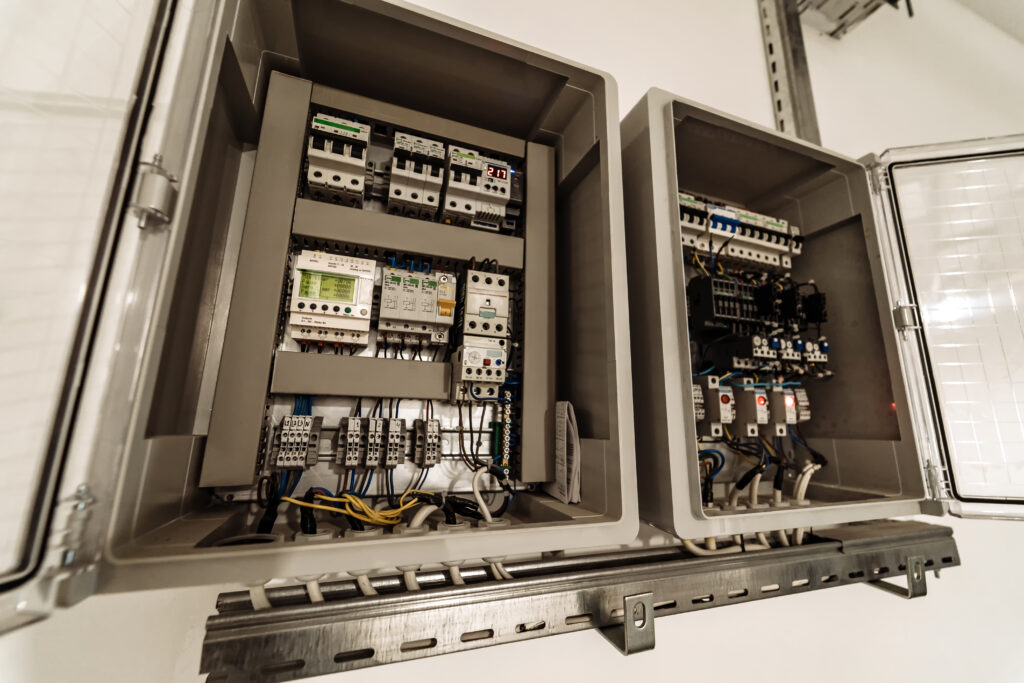
the panel is outdated
the wiring is deteriorating
the load on the circuit exceeds what it was designed to handle
Most homeowners respond by unplugging a device or two, but that’s not a solution—it’s a temporary workaround. When a system trips regularly, it’s showing strain. Continuing to push it increases heat inside the wiring and panel, which can lead to fires.
If you find yourself resetting breakers every week—or every day—your electrical system is overdue for evaluation and likely needs an upgrade.
Sign #2: Flickering or Dimming Lights
Lights flickering when a major appliance turns on is a common symptom of:
an overloaded circuit
loose wiring
a failing panel
an undersized service
voltage drop caused by outdated wiring
This isn’t just a cosmetic annoyance. Flickering is a voltage stability issue, and voltage instability damages appliances, shortens the lifespan of electronics, and increases fire risk.
Flickering lights often reveal problems long before the homeowner realizes the system is in trouble.
Sign #3: Your Home Still Has a 100-Amp or 150-Amp Service
Most modern homes require a minimum of 200 amps to run safely and efficiently. A 100-amp panel may have been fine in 1975 when the house had a few small appliances and no heavy electronics, but today it’s simply not built for the modern load.
A 150-amp panel is better but still limited, especially if your home has:
electric heat
an electric dryer
multiple HVAC units
a home office
high-powered kitchen appliances
an EV charger
a workshop or garage equipment
If your service panel is undersized, the entire home is running at the edge of its capacity every day.
Sign #4: Warm Outlets, Buzzing Switches, or Burning Smells
Any heat, buzzing, crackling, or odor from an electrical outlet or switch is an immediate danger sign.
These symptoms often indicate:
arcing behind the wall
loose or failing wiring
overloaded circuits
damaged outlets
improper connections
melted insulation
hidden electrical fires in early stages
Electrical problems rarely begin with flames. They begin with heat.
If you notice warmth or noise coming from any electrical device, the system needs urgent attention—and an upgrade is usually part of the solution.
Sign #5: Your Panel Is More Than 25–30 Years Old
Electrical panels wear out.
The breakers weaken.
The internal bus bars corrode.
Connections loosen.
Safety standards change.
Today’s electrical load overwhelms yesterday’s panel design.
Panels over 25 years old often lack:
modern arc-fault technology
adequate grounding
space for dedicated circuits
proper surge protection
safe breaker mechanisms
Some older brands—Federal Pacific, Zinsco, Challenger—are known fire hazards.
If your panel is aging, upgrading isn’t optional. It’s preventative safety.
Sign #6: You’re Adding New Appliances or Renovating
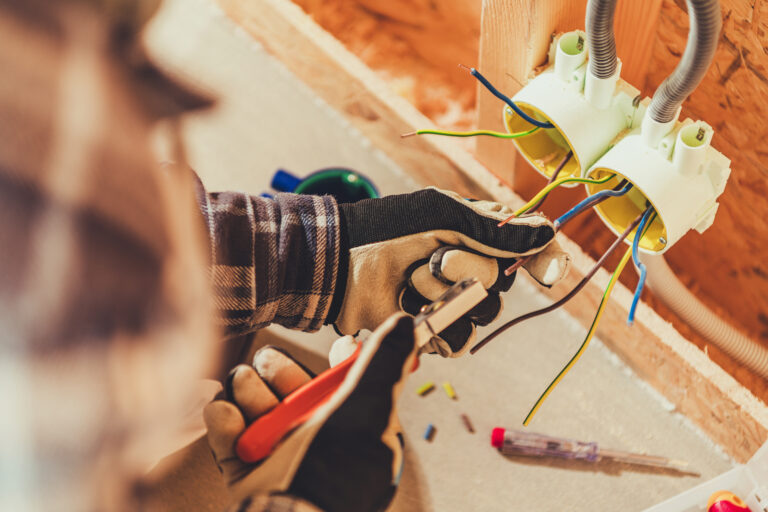
Electrical systems are designed for a specific load. When you add appliances—especially high-wattage ones—you increase the total demand. Renovations often push the system beyond its design, requiring:
new circuits
panel upgrades
system grounding improvements
dedicated lines for heavy appliances
If you’re upgrading your kitchen, adding HVAC, finishing a basement, or installing a hot tub or EV charger, your panel must be ready.
If it’s not, you’ll see flickering, tripping, random outages—and eventually, equipment failure.
Sign #7: Outlets Don’t Hold Plugs or Are Discolored
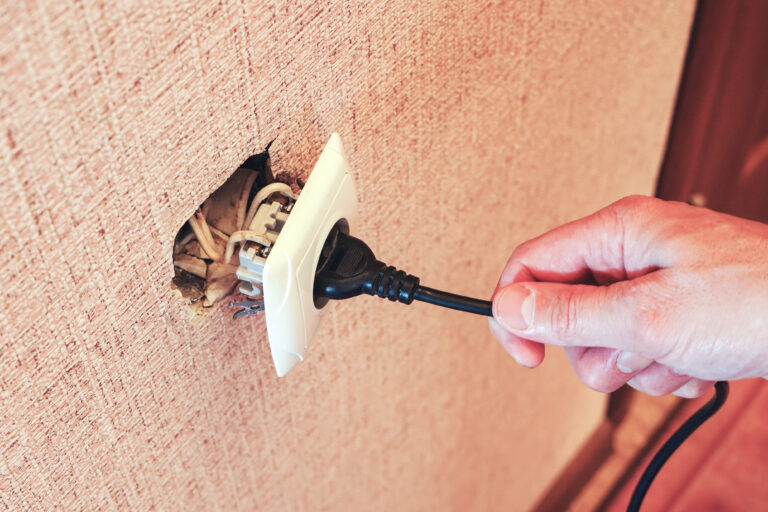
When outlets no longer grip plugs firmly, it’s a sign of internal wear and heat damage. Loose contact points cause arcing—a high-temperature spark that degrades wiring and melts insulation.
Discoloration (especially brown or yellowing around the edges) means heat has already been present.
Arcing is one of the most common causes of electrical fires.
An upgrade to the affected circuit—and sometimes the whole system—becomes necessary.
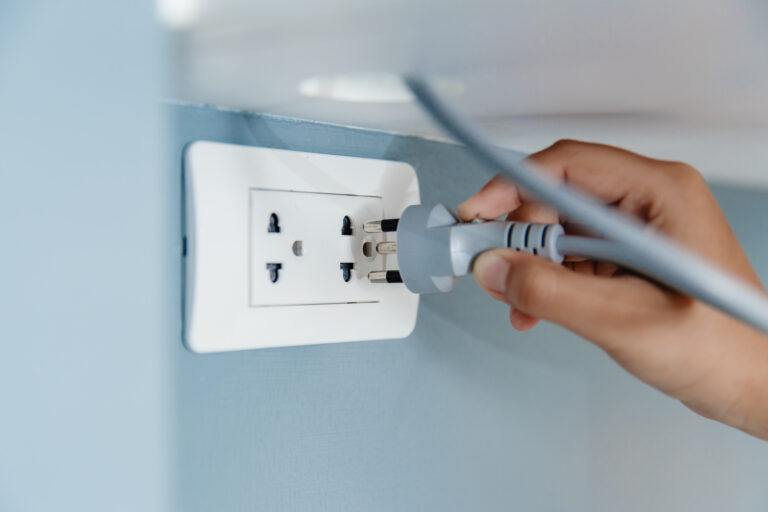
Sign #8: Your Home Still Has Two-Prong Outlets or No Grounding
Two-prong outlets mean your home lacks a proper grounding system. Ungrounded systems cannot safely redirect fault current, meaning:
appliances are more likely to fail
shock risk increases
surge damage becomes more severe
fire risk increases
Grounding is a fundamental safety feature in modern electrical systems. If your home still has ungrounded outlets, it needs an upgrade—not just for convenience, but for safety.
Sign #9: Appliances Burn Out Frequently
If your refrigerator, HVAC system, microwave, dishwasher, or electronics seem to die early, the electrical system may be the real problem.
Voltage drops
voltage spikes
overloaded circuits
inconsistent grounding
and failing panels
All contribute to premature appliance death.
Replacing appliances without fixing the electrical issue is like replacing tires on a car with a bent axle—they’ll fail again.
Sign #10: Your Home Feels Underpowered
Do you constantly “budget” your electricity?
Don’t run the microwave while the toaster is on.
Don’t use the hair dryer while the heater is plugged in.
Don’t vacuum while the AC is running.
If your home can’t support basic combinations of appliances without issues, it’s underpowered. This is a clear sign the electrical system has reached (or surpassed) its maximum capacity.
How Upgrading Improves Safety, Performance, and Home Value
Upgrading an electrical system isn’t just about preventing danger—it transforms the way the home functions.
A modern electrical upgrade:
eliminates overloaded circuits
reduces fire hazards
stabilizes voltage
extends appliance lifespan
allows future renovations
supports all modern devices
improves energy efficiency
raises home resale value
prepares the home for EVs and solar systems
Upgrading makes the home more comfortable and more predictable. No more flickering. No more tripping. No more guessing what the house “can handle.”
Why Upgrading Saves Money in the Long Run
Electrical issues rarely stay small. A minor overload becomes a hot outlet. A hot outlet becomes a melted wire. A melted wire becomes a panel issue. A panel issue becomes a home fire.
Meanwhile, failing electrical systems quietly damage appliances, waste energy, and repeatedly trigger expensive service calls.
Upgrading fixes all the small problems at once and eliminates the causes beneath them.
How Radiant Electric Evaluates Whether Your Home Needs an Upgrade
Radiant Electric examines:
the panel age and condition
breaker behavior
circuit load distribution
grounding and bonding
wiring age and insulation
outlet safety
signs of heat damage
surge vulnerability
future expansion needs
Then homeowners receive clear recommendations—not scare tactics, not upsells, just facts about what the home needs today and what it will need as technology evolves.
Your Electrical System Should Evolve With Your Home
Your home grows, your lifestyle changes, your appliances update—but your electrical system stays the same unless you proactively upgrade it. A modern lifestyle running on outdated wiring is a recipe for frustration, high costs, and long-term safety risks.
The signs are always there. Once you know how to read them, you can make the right decision before the system becomes a hazard.
If your home shows any of these symptoms—or if you simply want peace of mind—Radiant Electric can evaluate your system and help you upgrade safely, efficiently, and affordably.