The Hidden Dangers of DIY Electrical Work (And Why It Costs More in the Long Run)
Most homeowners are comfortable with DIY projects. Painting walls, assembling furniture, changing faucets, replacing light fixtures—there’s a sense of pride that comes from doing it yourself and saving money in the process. But electrical work is a completely different story. What seems simple on the surface—swapping an outlet, replacing a switch, installing a ceiling fan—can create hidden problems behind the walls that don’t show up until months or even years later.
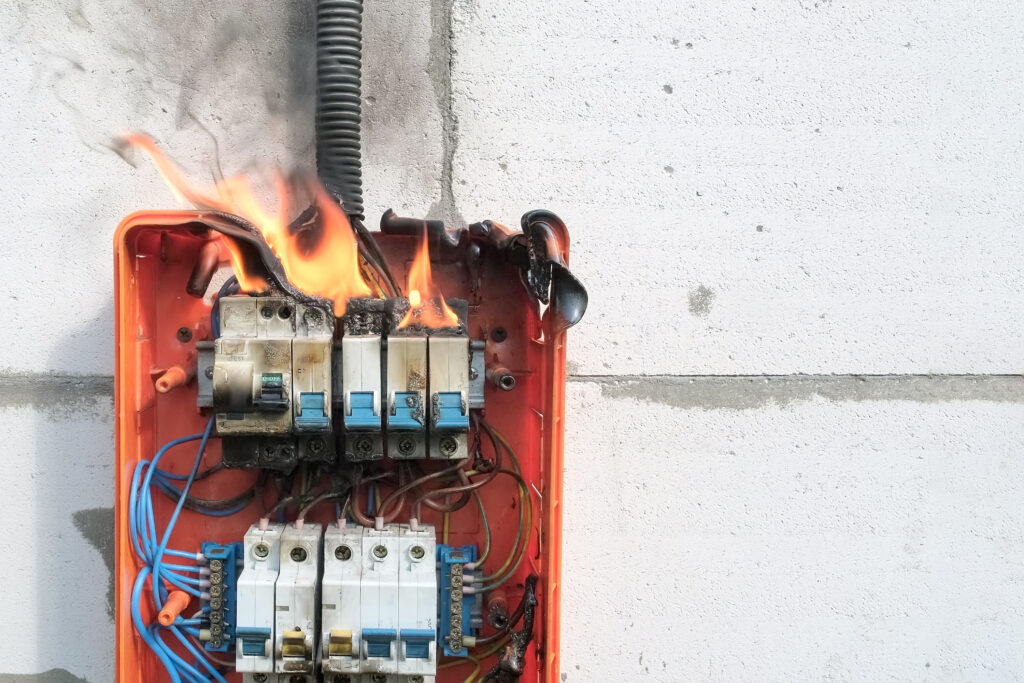
Electricity is not like plumbing or carpentry. It doesn’t leak, creak, or drip when something goes wrong. It fails silently, invisibly, and often catastrophically. A wire that’s loose behind a wall doesn’t politely announce itself. It sits there, generating heat every time the circuit runs, slowly damaging insulation, and eventually creating conditions for an electrical fire.
Homeowners often look at electrical problems through a surface lens: “It worked when I tested it, so everything must be fine.” But electricians see the internal reality—miswired neutrals, loose grounds, overloaded circuits, code violations, mismatched breaker sizes, improperly secured connections, overheated wires, and junction boxes buried behind drywall.
DIY electrical work doesn’t cost money upfront, but the risks—and the long-term financial consequences—can be enormous. Let’s break down why attempted DIY electrical work is one of the biggest hidden dangers in modern homes and why it often ends up costing far more than hiring a licensed professional from the start.
Why Electrical Work Isn’t Like Other DIY Projects
Electricity moves fast, silently, and with enough power behind it to destroy appliances, burn wiring, or start a fire in seconds. It doesn’t give homeowners the luxury of making mistakes.
If a plumbing repair goes wrong, you see water.
If a carpentry project goes wrong, something doesn’t fit.
If a landscaping project goes wrong, the plant dies.
If electrical work goes wrong, you often don’t see the problem—
not until something overheats, melts, or ignites inside the walls.
DIY electrical work becomes dangerous because:
You can’t see electricity.
You can’t see voltage fluctuations.
You can’t see heat building inside the wall.
You can’t see a wire loosening over time.
You can’t see arcing until it’s too late.
And by the time you DO see the consequences, it’s always expensive or dangerous—or both.
Electricity rewards precision and punishes guesswork.
The Most Common DIY Electrical Mistakes Homeowners Make
Homeowners rarely intend to do anything unsafe. They simply don’t know what they’re missing. And electrical systems are far more complicated than they look at first glance.
Here are some of the most common mistakes electricians find when called in to “fix” a DIY attempt:
Loose wire connections that create heat behind the walls.
Using the wrong gauge wire for the circuit load.
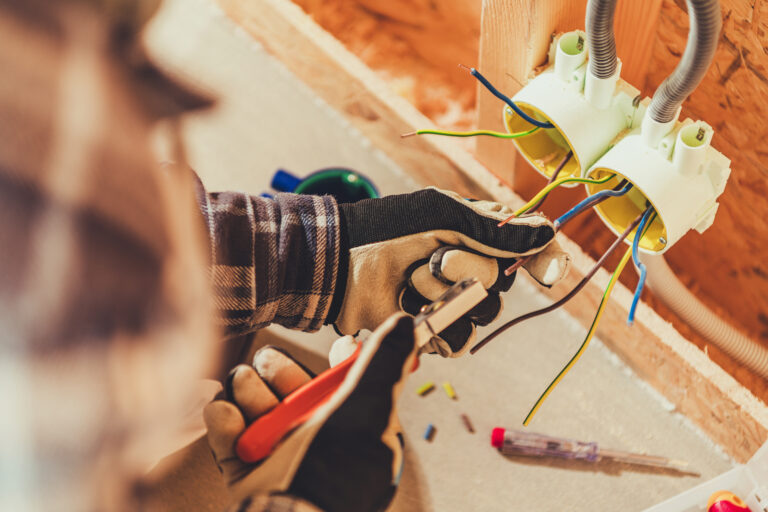
Connecting wires outside of junction boxes, leaving live splices exposed.
Reversing hot and neutral wires, creating shock hazards.
Using incompatible dimmers with LED fixtures, causing overheating.
Overloading circuits because the homeowner assumed an outlet can support anything plugged into it.
Installing the wrong breaker size, allowing unsafe loads to flow through the wiring.
Failing to bond or ground properly, a major safety risk.
Mixing copper and aluminum wires without the correct connectors.
Burying junction boxes behind drywall, making future problems untraceable.
Each of these seems small. Each of them can burn a house down under the right conditions.
Worse, many of these mistakes won’t show signs immediately. The system “works,” so the homeowner assumes they did everything correctly. But electricity doesn’t reveal problems instantly—it reveals them when the system is under stress.
Electrical Fires Don’t Start When the DIYer Is Watching
One of the biggest misconceptions homeowners have is that electrical failures happen immediately. They assume, “If something was wrong, it wouldn’t have worked when I tested it.”
But electrical fires almost never start when the system is cool. They start:
During peak HVAC use
During storms
Late at night
When multiple appliances run at once
When heat builds up after months of use
When a loose wire expands and contracts enough to arc
A light fixture installed by a homeowner might work flawlessly for six months before finally overheating.
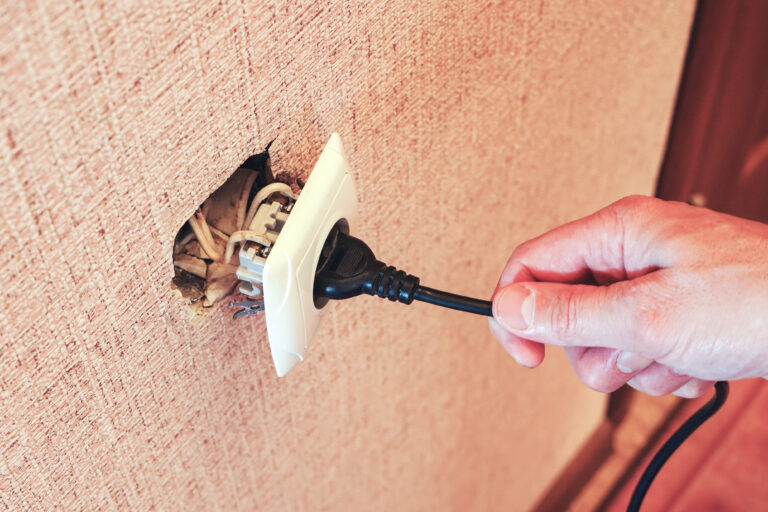
An outlet replaced incorrectly may work until a space heater is used one winter—then it fails violently.
A ceiling fan wired wrong might spin just fine until humidity or vibration loosens a connection.
DIY electrical work doesn’t fail when you want it to. It fails when the system is stressed—and that usually happens when no one is paying attention.
Code Requirements Exist for a Reason—Not Just for Paperwork
Electrical codes change constantly—not to create bureaucracy, but to reflect new safety knowledge. Many older wiring methods were once considered safe but have since been proven to be fire hazards.
Homeowners doing DIY electrical work don’t know updated code requirements, grounding standards, or breaker rules. They assume “the old outlet was installed this way, so this must be correct.”
That thinking leads to:
Overheated wires
Failed breakers
Shock hazards
Code violations during inspections
Home insurance denial if something goes wrong
Code isn’t about rules. It’s about safety.
Electricians spend years learning not just how to wire, but why systems are wired the way they are. That knowledge is what keeps homes safe—not just the ability to twist wires together.
Insurance Companies Don’t Play About DIY Electrical Work
This is something homeowners rarely consider until after an incident.
If a fire occurs and the investigation finds evidence of:
non-permitted electrical work,
DIY wiring,
unlicensed electrical alterations,
or incorrectly installed fixtures—
insurance companies can deny claims.
And they often do.
Even worse, the fire department report itself becomes evidence. Homeowners who saved $150 on a DIY repair can lose thousands—or even their entire home—when insurance refuses to pay.
Licensed electricians not only perform the work correctly, but they also protect you legally. There’s a reason insurance companies require licensed professionals for any electrical work over a certain threshold.
DIY Electrical Work Almost Always Ends Up Costing More
Homeowners often choose DIY to save money. But electrical work is the one place where DIY turns into a financial disaster more often than not.
Electricians get called later to:
repair damaged wiring,
fix incorrect splices,
replace overheated outlets,
trace hidden junction boxes,
redo miswired circuits,
correct overloaded breakers,
or bring the system back to code.
Fixing mistakes almost always costs more than doing the job correctly from the beginning.
In many cases, the homeowner ends up paying:
for the electrician’s diagnosis,
for the repair,
for the replacement materials,
and for the damage the DIY work caused—
all because a $10 outlet or $50 fixture was installed incorrectly.
DIY electrical work doesn’t save money.
It delays the expense until it’s bigger.
The Most Dangerous DIY Project: Ceiling Fans and Light Fixtures
Homeowners often think replacing a ceiling fan or a light fixture is harmless. “Just black to black, white to white, done.”
But electricians repeatedly find:
wires twisted together with no connectors,
fans hanging from boxes not rated for the weight,
ground wires left loose,
overheated connections inside the ceiling box,
incorrectly sized boxes supporting heavy fixtures,
fans wired to dimmers not designed for motors,
and boxes not properly secured to trusses.
Ceiling fan failures are among the most common sources of electrical arcing inside living spaces—and they often happen at night when vibration causes movement.
Just because a fan spins doesn’t mean it’s safe.
Why Even Small Electrical Jobs Should Be Handled Professionally
A single outlet seems simple.
A single switch seems simple.
A single fixture seems simple.
But every connection is part of a larger system, and mistakes in one part affect the entire circuit.
Electricians check:
voltage
grounding
neutral balancing
breaker sizing
load distribution
wire condition
internal box connections
panel health
A homeowner replacing a switch isn’t thinking about whether the breaker serving that circuit is loose on the bus bar. But the electrician is.
DIY only sees the piece.
The electrician sees the whole system.
When Homeowners Attempt Troubleshooting, Things Get Worse
This is one of the biggest problems electrician see: homeowners trying to solve electrical issues by trying multiple things at once.
They replace switches.
They tighten things that shouldn’t be tightened.
They move breakers around.
They connect wires based on color instead of type.
They try to “upgrade” outlets without understanding the load.
Troubleshooting without training is like diagnosing your car engine by sound. You might get lucky, but the odds are not in your favor.
Electricians find that most DIY troubleshooting creates new problems layered on top of the original issue.
How Radiant Electric Approaches Electrical Repairs Safely
Radiant Electric never guesses. Every repair begins with diagnostics—finding the root cause, not just the visible symptom.
An electrician’s process includes:
testing voltage,
checking continuity,
measuring load,
evaluating grounding,
inspecting the panel for weakness,
checking connections,
verifying wire type,
and making sure the circuit can support the device.
Once the problem is fully understood, repairs are made correctly, safely, and in compliance with modern code. This protects the home, the homeowner, the appliances, and the electrical system long-term.
DIY Electrical Work Isn’t Worth the Risk
There’s pride in doing things yourself. There’s satisfaction in saving money. But electrical work is the one area where that satisfaction can cost more than anyone expects.
Electrical failures don’t happen with warning signs. They happen quietly behind walls, where DIY mistakes become long-term hazards. And by the time those hazards surface, the damage is already done.
Hiring a licensed electrician isn’t about convenience—it’s about safety, longevity, and protecting your home from risks you can’t see. In the long run, professional electrical work costs far less than repairing the fallout from a DIY mistake.
For homeowners who want peace of mind, Radiant Electric provides safe, code-compliant electrical repairs that protect the entire system, not just the part that’s visible.